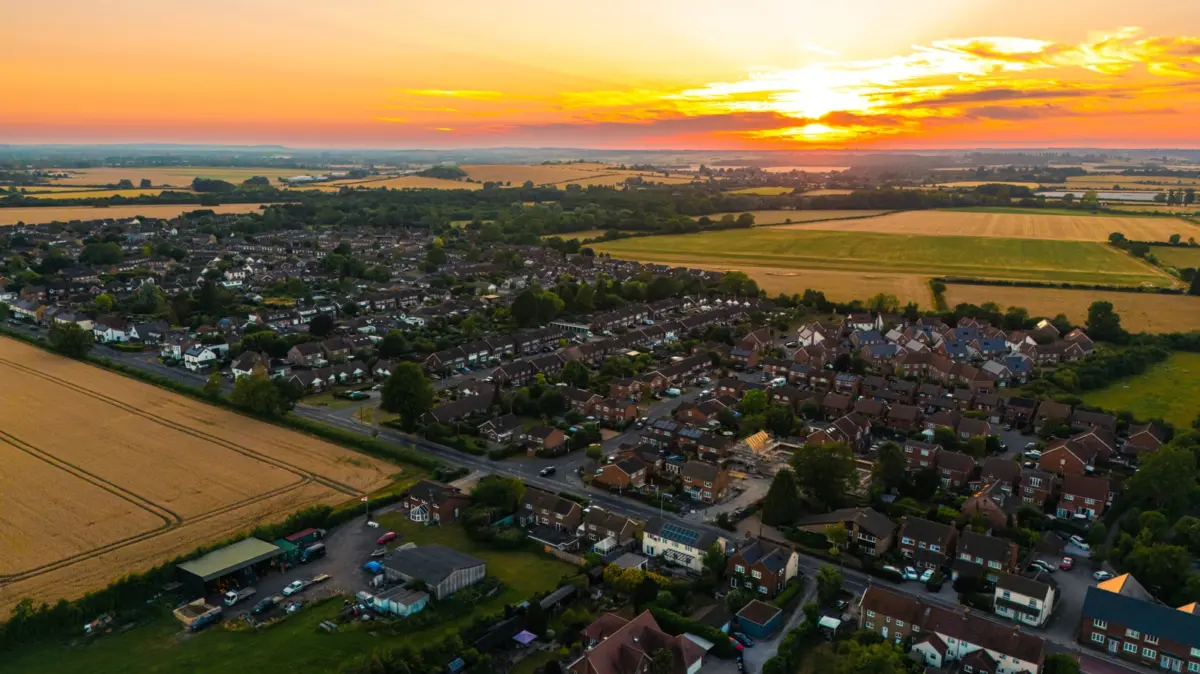
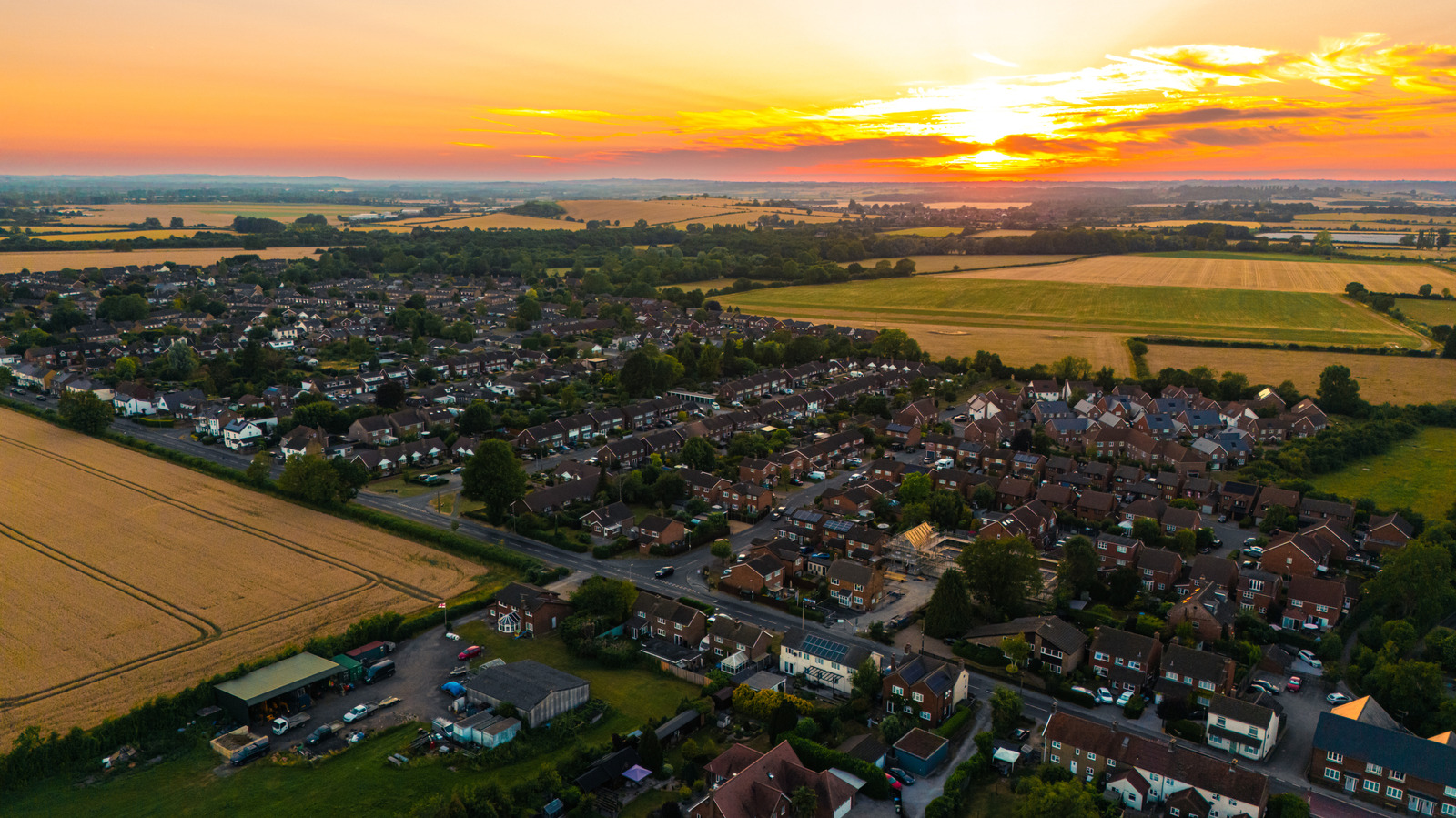
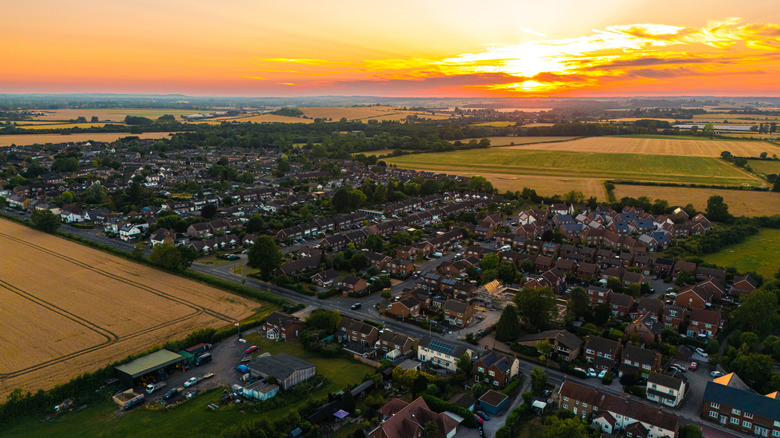
Nestled gracefully in the verdant rolling countryside of Bedfordshire, England—strategically positioned between the bustling financial hub of London and the historic industrial center of Northampton—lies Leighton Buzzard. Often overlooked by international tourists rushing to the homogenized tourist traps of the Cotswolds or the crowded thoroughfares of the capital, this vibrant market town offers a deeply authentic slice of English heritage.
Boasting a dual-heritage name derived from Old English timber-clearing nomenclature and a Norman-era cathedral official, Leighton Buzzard seamlessly bridges nearly a millennium of history with modern, sustainable community living. From its enduring bi-weekly medieval street market to its picturesque industrial-era narrow-gauge railway, idyllic canal-side meanders, and expansive country parks, the town represents a compelling case study in how historic regional settlements can successfully balance heritage preservation with contemporary livability.
This deep-dive investigation examines the structural socio-economic impacts of Leighton Buzzard’s tourism and commerce, chronicles its historical milestones from the Domesday Book to the modern era, evaluates regional infrastructure, and provides a forward-looking perspective on Bedfordshire’s rising status as an uncrowded alternative to traditional English tourist hotspots.
Detailed Chronology: From Domesday Roots to Modern Resurgence
To truly understand Leighton Buzzard, one must retrace a timeline spanning over nine centuries. The town’s history is etched into its medieval street plan, ancient ecclesiastical architecture, and pioneering industrial infrastructure.
[1086 A.D.] ──► Domesday Book Records Market & Settlement Rights
      │
      ▼
[Early 13th C.] ──► Construction of All Saints' Church (Gothic Spire)
      │
      ▼
[17th Century] ──► Establishment of The Black Lion Tavern
      │
      ▼
[1919 A.D.] ──► Construction of the Leighton Buzzard Light Railway (WWI Surplus)
      │
      ▼
[1968 A.D.] ──► Transition of the Railway to Steam-Powered Passenger Tourism
      │
      ▼
[Present Day] ──► Bustling Regional Hub & Thriving Alternative to the Cotswolds
The Medieval Genesis (1086–1300)
The recorded history of Leighton Buzzard cements its status as a vital economic node from the earliest days of Norman administrative accounting. Documented in the Domesday Book of 1086, the settlement—then referred to simply as Lestone—was established as a thriving agricultural and trading community.
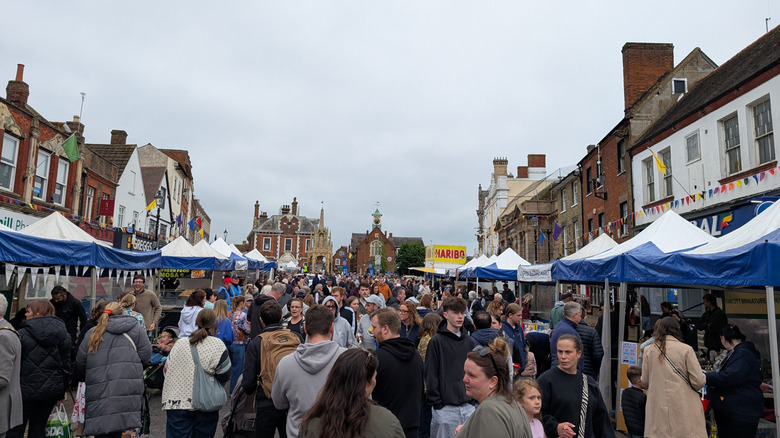
The etymology of the town reflects its layered past: the prefix "Leighton" originates from the Old English lēah (a clearing in a wood) and tūn (an enclosure or settlement), while the suffix "Buzzard" is historically attributed to Theobald de Busar, a 15th-century prebendary or cathedral officer associated with the local manor. Throughout the medieval era, the High Street served as a natural forum for commerce, establishing a chartered market tradition that has persisted uninterrupted for over 900 years.
Architectural and Ecclesiastical Evolution (1300–1800)
As the town expanded outward from its central marketplace during the late medieval and early modern periods, civic and religious institutions rose to anchor the community. Constructed in the early 13th century, All Saints’ Church stands as a monumental testament to Early English Gothic architecture. Boasting a soaring central spire, intricate stone tracery, and magnificent stained-glass windows, the church has served as the spiritual and physical landmark of Leighton Buzzard for eight centuries.
Concurrently, the proliferation of timber-framed coaching inns—such as the historic 17th-century Black Lion tavern—catered to merchants, drovers, and travelers navigating the overland routes between London and the Midlands.
Industrialization and the Narrow-Gauge Revolution (1900–1968)
While many rural English towns stagnated during the post-Industrial Revolution era, Leighton Buzzard adapted through specialized extraction economies. The surrounding Bedfordshire landscape is rich in high-purity Lower Greensand, essential for industrial casting and construction.
To transport this heavy aggregate efficiently, the Leighton Buzzard Railway was constructed in 1919 utilizing surplus World War I trench-warfare locomotives and rolling stock. Originally built as a heavy-duty industrial tramway, the narrow-gauge line functioned as the economic lifeblood of the local sand quarries for decades.
By the mid-20th century, as road freight began to eclipse rail for mineral transport, the line faced obsolescence. However, visionary preservationists intervened. In 1968, the railway was successfully transitioned into a volunteer-run, steam-powered heritage passenger attraction, securing its place as one of the premier industrial heritage sites in the United Kingdom.
Supporting Context & Metrics: Infrastructure, Geography, and Demographics
Leighton Buzzard’s economic resilience and appeal as a commuter-friendly residential and tourist destination are rooted in its exceptional geographic connectivity and natural assets.
Strategic Location and Accessibility
Located approximately 36 miles northwest of Central London and 20 miles south of Northampton, the town occupies a privileged transportation corridor:
Road Transit: Positioned within minutes of both the A5 and the M1 motorway, enabling a direct 90-minute drive from central London.
Rail Transit: Regular, high-speed commuter rail services operate out of Leighton Buzzard railway station, connecting passengers directly to London Euston Station in under 45 minutes.
Aviation Access: London Luton Airport (LTN) is situated just a 30-minute drive to the east, providing international connectivity.
Comparative Regional Tourism Metrics
Recent tourism metrics highlight a broader consumer trend: travelers are increasingly abandoning overcrowded, high-cost destinations (such as the traditional Cotswold villages or central London boroughs) in favor of authentic, mid-tier regional towns.
Metric Category
Leighton Buzzard & Bedfordshire Region
Traditional Cotswold Hubs
Central London
Average Daily Visitor Density
Moderate / Low Congestion
High Seasonal Overcrowding
Extreme Density
Accommodation Cost Index
Moderate (Inns & Country Cottages)
Premium / Luxury Pricing
Very High
Market Heritage Continuity
938 Years (Active Weekly Trading)
Variable / Commercialized
Fragmented / Market Halls
Green Space Accessibility
High (Immediate access to Grand Union Canal, Tiddenfoot, & Rushmere)
Moderate (Requires dedicated travel)
Low (Urban Parks)
Environmental and Ecological Assets
The town’s geography is defined by two major hydrological and ecological networks:
The Grand Union Canal: Flowing directly through the heart of the settlement along the historic 137-mile corridor linking London to Birmingham. Its 2.5-mile paved towpath provides a tranquil, tree-lined corridor for pedestrians, cyclists, and canal-boat enthusiasts.
Tiddenfoot Waterside Park & Rushmere Country Park: Comprising an expansive mosaic of 32 acres of protected riparian woodlands, meadows, and former sand-extraction lakes at Tiddenfoot, alongside the 400-acre Rushmere Country Park located just north of town. Rushmere maintains a phenomenal 4.7-star aggregate rating across nearly 2,000 verified reviews on Google Maps, underscoring its broad public acclaim and meticulous conservation management.
Official Statements and Institutional Perspectives
Civic leaders, heritage conservationists, and regional tourism boards have increasingly emphasized the importance of sustainable development in maintaining Leighton Buzzard’s unique character.
Statement from the Leighton-Linslade Town Council and Regional Heritage Board:
"Leighton Buzzard represents a rare equilibrium in modern British urban planning. We have successfully retained our medieval market charter and historic streetscapes while embracing progressive green infrastructure, such as our extensive canal towpath restoration projects and the ongoing preservation of our world-class industrial heritage railways. Our goal is not to manufacture a sterile tourist attraction, but to protect a living, breathing community that welcomes visitors to share in our authentic local culture."
Analysis from Conservationists Regarding the Greensand Ridge and Waterways:
"The ecological corridor stretching from Tiddenfoot Waterside Park up to Rushmere Country Park is a critical green lung for Bedfordshire. By safeguarding these riparian habitats and maintaining strict planning controls around the Grand Union Canal corridor, we ensure that rapid suburban expansion does not compromise the rural integrity that defines the region."
Future Outlook: Sustainable Tourism and Regional Growth
As the United Kingdom’s domestic and international tourism markets continue to evolve in the post-pandemic era, secondary and tertiary market towns like Leighton Buzzard are poised for sustained economic and cultural vitality.
Key Growth Vectors for Leighton Buzzard:
The "Slow Travel" Movement: Modern travelers increasingly prioritize sustainable, low-carbon itineraries. Leighton Buzzard’s seamless rail integration from London Euston makes it an ideal destination for car-free weekend getaways centered around walking trails, heritage rail journeys, and local gastronomy.
Diversified Market Offerings: Beyond the traditional Tuesday and Saturday High Street markets, specialized monthly events—such as the Farmers and Producers Market (held on the third Saturday of each month) and the Handmade & Craft Market (running from March through December)—successfully attract regional artisans and upscale consumers, boosting local micro-economies.
Community-Led Conservation: Local municipal investments in green spaces, including the continuous upkeep of the Tiddenfoot Waterside Park and the expansion of family-oriented festivals like the annual Leighton-Linslade Canal Festival in late July, ensure that the town remains deeply attractive to young families, retirees, and remote professionals seeking an enhanced quality of life outside major metropolitan centers.
In conclusion, Leighton Buzzard stands as a vibrant testament to the enduring appeal of historic English market towns. By honoring its medieval roots, maintaining its robust industrial heritage, and championing environmental conservation along its waterways and country parks, the town offers an enriching, authoritative, and deeply rewarding destination for travelers seeking substance, history, and natural beauty just a stone’s throw from the capital.