






Executive Overview
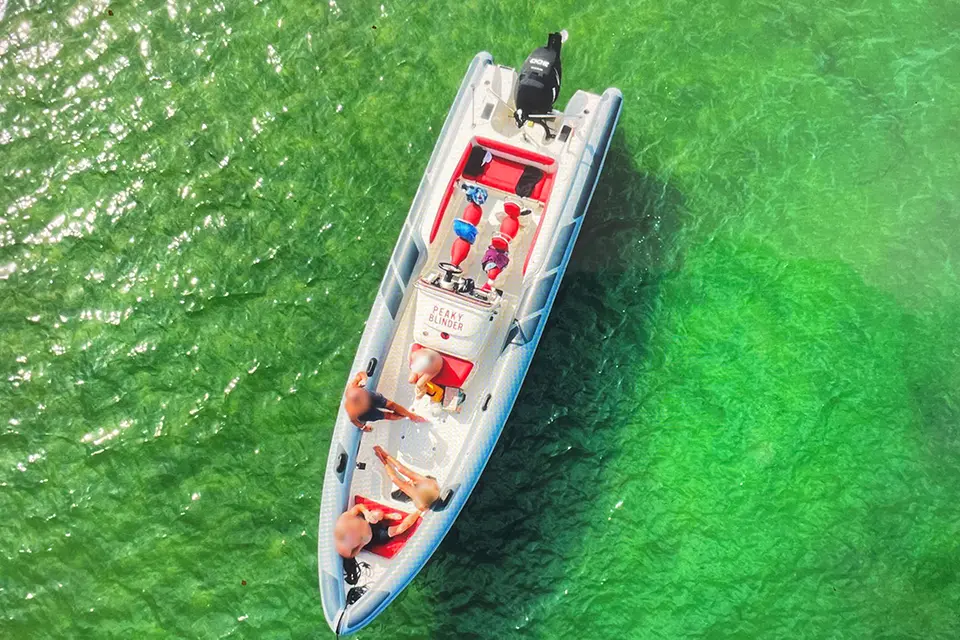
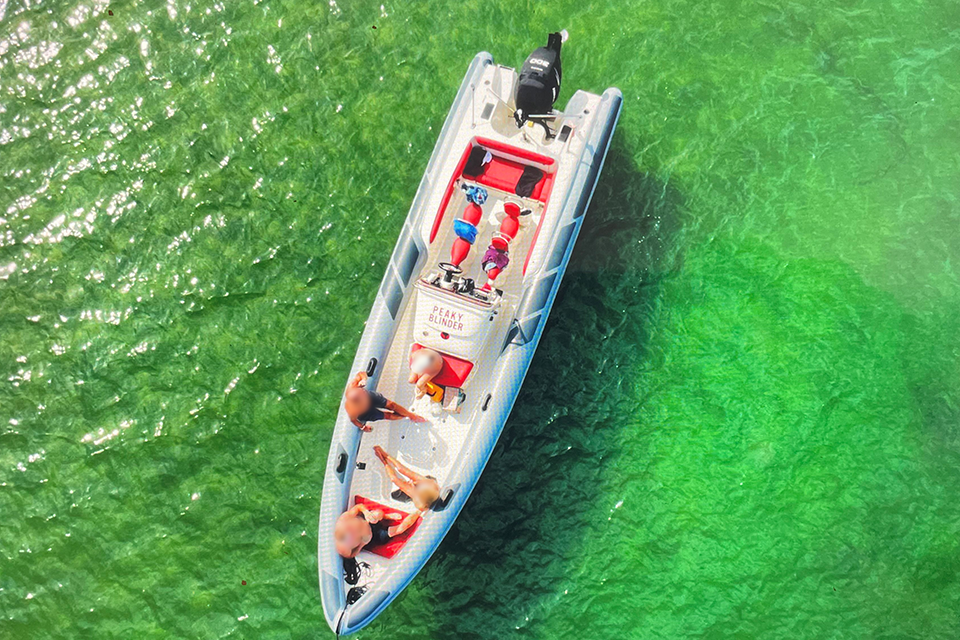
The serene waters of Portsmouth Harbour—one of the United Kingdom’s busiest and most historically significant maritime hubs—became the site of an unspeakable tragedy on August 14, 2025. On that fateful summer day, a high-performance rigid inflatable boat (RIB) named Peaky Blinder violently collided with a stationary navigation beacon, resulting in a catastrophic impact that claimed two lives.
Following an exhaustive, months-long inquiry, the Marine Accident Investigation Branch (MAIB) officially published its comprehensive accident report today. The findings lay bare a devastating sequence of events fueled by high speeds, compromised situational awareness, and the debilitating effects of excessive alcohol consumption. The incident has sent shockwaves through the domestic and international boating communities, thrusting the contentious issue of legal blood alcohol limits for recreational vessel operators back into the national spotlight.
While commercial mariners face strict, legally binding limits regarding alcohol consumption while on duty, the regulatory framework governing recreational boating in United Kingdom waters remains comparatively permissive. This legislative gap has long been a source of frustration for maritime safety experts, search-and-rescue organizations, and accident investigators. With the release of the Peaky Blinder investigation, the MAIB has delivered a blunt, unambiguous warning: without legislative reform to curb boating under the influence, preventable fatalities on the nation’s waterways will continue to exact a heavy human toll.

This in-depth investigative report examines the chronology of the Portsmouth Harbour disaster, evaluates the systemic safety vulnerabilities highlighted by the MAIB, explores the broader socioeconomic and regulatory context of recreational marine safety, and analyzes the urgent calls for legislative reform echoing across the maritime sector.
Detailed Chronology: The Final Voyage of the Peaky Blinder
To understand how a routine daytime leisure excursion turned into a fatal maritime disaster, investigators reconstructed the final hours, minutes, and seconds of the Peaky Blinder’s voyage through Portsmouth Harbour.
Pre-Voyage Activities and Departure
The day began under favorable weather conditions, with clear skies and good visibility across the Solent and its surrounding waterways. The Peaky Blinder, a powerful rigid inflatable boat designed for high-speed handling and responsiveness, was manned by individuals who intended to enjoy a day of recreational cruising. However, forensic toxicology and witness testimonies later confirmed that the hours preceding the departure involved the consumption of significant quantities of alcohol.
Despite the impairing effects of their pre-voyage activities, the crew boarded the vessel, started the high-output engines, and cleared the marina. Rigid inflatable boats are inherently agile, capable of rapid acceleration and tight turning radiuses, demanding absolute sobriety, razor-sharp reflexes, and uninterrupted concentration from the helmsperson.

Entering Portsmouth Harbour
Portsmouth Harbour is a complex, heavily trafficked marine environment. It serves as the primary base for the Royal Navy’s surface fleet, accommodates bustling commercial ferry operations, and is shared constantly by a dense population of local leisure craft, commercial fishermen, and paddle-craft enthusiasts. Navigating this dynamic waterway requires strict adherence to the International Regulations for Preventing Collisions at Sea (COLREGs), meticulous route planning, and constant visual and electronic scanning for hazards.
As the Peaky Blinder picked up speed within the harbour approaches, it transitioned into a high-velocity transit. Witnesses along the shoreline and aboard nearby vessels reported that the RIB was traveling at a velocity well in excess of safe harbour speed limits. At high speeds, the margin for error in a crowded waterway compresses to fractions of a second.
The Fatal Impact
At a critical juncture during the high-speed run, the Peaky Blinder deviated from a safe navigational path. Instead of clearing the well-charted maritime infrastructure dotting the harbour, the vessel maintained its dangerous trajectory directly toward a stationary navigation beacon—a permanent, highly visible hazard designed to mark safe channels for mariners.
With no recorded evasive maneuvers, last-second braking, or frantic course corrections, the RIB struck the unyielding structure of the beacon head-on. The laws of physics translated the vessel’s immense kinetic energy into an instantaneous, devastating deceleration force. The forward sections of the Peaky Blinder crumpled upon impact, absorbing the brunt of the collision, while the occupants were violently thrown forward against the vessel’s hard structures and the metalwork of the beacon itself.
The severity of the impact resulted in catastrophic blunt-force trauma to the two occupants. Emergency response systems, including Portsmouth Harbour Master patrols and the RNLI, were mobilized rapidly following automated distress alerts and emergency calls from horrified eyewitnesses. Despite the swift arrival of paramedics and rescue personnel who administered advanced life support at the scene, both individuals succumbed to their injuries. The harbour was temporarily locked down as rescue vessels secured the area and investigators initiated their preliminary evidence-gathering protocols.
Supporting Context & Metrics: The Perils of Alcohol on the Water
The tragic loss of life aboard the Peaky Blinder is not an isolated incident; rather, it underscores a pervasive, well-documented hazard that plagues recreational boating sectors worldwide: operating watercraft under the influence of alcohol or drugs (BUI).
The Science of Impairment Afloat
The maritime environment is notoriously unforgiving. Unlike driving a car on a paved highway, where rumble strips, guardrails, and predictable road geometry offer passive safety buffers, operating a boat subjects the handler to complex environmental stressors. Known collectively as "boater’s fatigue" or the "mariner’s three-hour effect," factors such as constant wave action, wind, engine vibration, glaring sunlight, and fluctuating ambient temperatures accelerate dehydration and physical exhaustion.
When alcohol is introduced into this physiological equation, its impairing effects are magnified exponentially:
- Diminished Balance and Coordination: The dynamic motion of a boat requires constant micro-adjustments by the inner ear and muscular system. Alcohol directly disrupts balance, dramatically increasing the risk of falling overboard or failing to brace during unexpected wakes.
- Compromised Visual Processing: Peripheral vision, depth perception, and night vision (or glare recovery in bright sunlight) deteriorate rapidly under the influence of alcohol. Identifying navigational markers, judging distances to other vessels, and spotting floating debris become exceedingly difficult.
- Cognitive Dulling and Risk Acceptance: Executive function is impaired, leading to delayed reaction times, poor navigational decision-making, and a dangerous overestimation of personal skill combined with an underestimation of objective risk.
Statistical Realities and Regulatory Disparities
Statistically, data compiled by marine safety authorities globally indicates that alcohol is a primary contributing factor in a significant percentage of recreational boating fatalities. According to historical data from agencies like the United States Coast Guard and European maritime bodies, water-related accidents involving alcohol frequently mirror or exceed land-based drunk driving statistics in terms of severity.
Yet, a glaring regulatory anomaly persists in the United Kingdom. While the Transport and Works Act 1992 establishes strict alcohol limits for professional operators of commercial ships, pilots, and harbour staff—and the Road Traffic Act rigorously penalizes motorists—recreational boaters occupy a legal blind spot. Currently, there is no specific national blood alcohol concentration (BAC) limit exclusively criminalizing the operation of a purely recreational vessel while intoxicated, unless the operator is shown to be manifestly "impaired" under broad, difficult-to-prosecute public safety or general maritime legislation.
Safety advocates argue this loophole creates a cultural acceptance of drinking and boating that would be entirely unacceptable on modern roadways. A skipper holding a pint of beer at the helm of a high-speed RIB is often viewed through a lens of casual leisure, completely divorced from the reality that they are commanding a multi-tonne machine capable of extreme destruction.
Official Statements: Voices from the Maritime Authority
The publication of the MAIB accident report has galvanized the maritime community, drawing sharp focus from top safety officials who are demanding immediate systemic change.
The Chief Inspector’s Verdict
In his formal address accompanying the release of the investigation dossier, Chief Inspector of Marine Accidents Rob Loder did not mince words regarding the root causes of the Portsmouth Harbour tragedy:
"It is well understood that consumption of alcohol results in an elevated risk of having an accident," stated Loder. "The introduction of alcohol limits for recreational boaters has been the subject of previous MAIB recommendations. It is to be hoped that action will now be taken, such that fatal accidents in which excessive alcohol consumption is a contributing factor become a thing of the past."
Loder’s statement serves as a direct indictment of the legislative inertia that has historically plagued maritime safety reform in the UK. By explicitly linking the deaths aboard the Peaky Blinder to preventable behavioral choices compounded by a lack of strict legal deterrents, the MAIB has placed the ball firmly in the court of lawmakers and government regulators.
Reactions from Search and Rescue and Industry Bodies
Leading maritime rescue organizations, including the Royal National Lifeboat Institution (RNLI) and the British Ports Association, have expressed profound sorrow over the accident while echoing the MAIB’s calls for heightened vigilance and regulatory modernization.
Maritime safety experts point out that modern rigid inflatable boats possess performance envelopes that rival professional rescue craft or military interceptors. Putting such vessels into the hands of operators whose cognitive functions are compromised by alcohol is a recipe for disaster. Industry bodies are now urging manufacturers, marina operators, and yacht clubs to proactively adopt zero-tolerance safety campaigns, install clear signage regarding substance use on the water, and foster a cultural shift where peer intervention prevents impaired individuals from taking the helm.
Future Outlook: A Watershed Moment for Marine Safety Legislation?
The fallout from the Peaky Blinder tragedy is expected to extend far beyond the formal pages of the MAIB report, potentially catalyzing a long-overdue overhaul of British maritime law.
The Push for Legislative Reform
Pressure is mounting on the Department for Transport and Members of Parliament to re-evaluate the legal frameworks governing recreational boating. For years, maritime safety advocates have lobbied for the establishment of a statutory blood alcohol limit for recreational vessel operators—harmonizing maritime standards with existing road traffic laws (where the legal limit in England, Wales, and Northern Ireland stands at 80 milligrams of alcohol per 100 millilitres of blood, or lower in Scotland).
Critics of past proposed reforms have often argued that policing recreational waterways is logistically difficult due to the sheer volume of leisure craft and the limited resources of harbour police and enforcement agencies. However, safety proponents counter that a clear legal limit provides law enforcement with an indispensable tool: unambiguous statutory authority to board vessels, conduct breathalyzer tests, and prosecute reckless operators before a catastrophic collision occurs, rather than merely investigating the wreckage afterward.
Education, Culture, and Technological Safeguards
Beyond punitive legislation, industry leaders emphasize that a multi-pronged approach is essential to transforming water safety culture:
- Enhanced Public Awareness Campaigns: Launching national educational initiatives targeted at coastal communities, sailing clubs, and powerboat training schools to emphasize that waterways demand the same sobriety as highways.
- Mandatory Training Standards: Encouraging broader participation in accredited powerboat handling courses where risk management, navigation rules, and the dangers of fatigue and substance use are systematically taught.
- Technological Innovations: Exploring the integration of engine safety lanyards, kill-switches, and emerging technologies such as biometric ignition interlocks for high-performance leisure craft.
Conclusion
The collision of the rigid inflatable boat Peaky Blinder with a Portsmouth Harbour navigation beacon stands as a sobering, heartbreaking reminder of the fragility of life on the water. Two lives were abruptly extinguished on a bright August afternoon because a cocktail of high speed, dangerous navigation, and excessive alcohol consumption stripped away the margins of safety.
As the maritime community absorbs the findings of the MAIB report, the ultimate legacy of this disaster must be one of constructive reform. If lawmakers heed the urgent warnings of Chief Inspector Rob Loder and enact robust legal alcohol limits for recreational boaters, the victims of the Peaky Blinder tragedy will not have died in vain. Their memory will instead serve as the catalyst that finally closes a dangerous legislative loophole, ensuring that Britain’s waterways become significantly safer for every mariner who sets sail.