









Executive Overview
The traditional travel calendar is undergoing a profound structural shift. For decades, the global tourism industry operated on a rigid, predictable rhythm: winter was the undisputed peak season defined by pristine weather and premium pricing; summer belonged to family vacations; and the autumn months—specifically September, October, and November—were relegated to a shoulder season of deep discounts, resort maintenance closures, and widespread tropical-weather anxiety.
Today, that paradigm is collapsing. Fresh data from travel insurance comparison platform Squaremouth reveals an extraordinary surge in autumn travel to the Caribbean, up 21 percent overall for the hurricane season compared to last year. More strikingly, specific regional data highlights eye-watering spikes in two of the region’s most popular destinations: Aruba is seeing a staggering 53.93 percent jump in fall travel, while The Bahamas has climbed 17.65 percent.
This is not merely a random statistical fluctuation. It is the result of a broader convergence of macroeconomic, environmental, and behavioral trends. Travelers, increasingly exhausted by record-shattering summer heat waves across Southern Europe and North America, are actively seeking alternative windows for their vacations. Combined with a quieter-than-expected Atlantic hurricane season and a marked increase in airline connectivity, the Caribbean is successfully shedding its seasonal constraints. Aruba and The Bahamas are emerging as the vanguard of a new era, transitioning from seasonal escapes into robust, year-round tourism powerhouses.
Detailed Chronology: The Evolution of the Fall Travel Surge
Understanding how the Caribbean captured the modern autumn travel market requires tracing a timeline of changing traveler sentiment, climate pressures, and strategic industry data releases throughout 2026.
Early Summer 2026: The European Heat Wave Catalyst
The roots of the fall travel revolution were planted not in the islands, but across the Atlantic. Throughout June and July, record-breaking temperatures scorched traditional Mediterranean hot spots. By mid-summer, comprehensive surveys revealed that 62 percent of surveyed travelers were less likely to visit Europe during the summer months due to extreme heat.
Crucially, rather than abandoning their vacation aspirations entirely, consumers pivoted. Approximately 18.4 percent of travelers altered, canceled, or rebooked their summer itineraries in favor of autumn travel. Nearly half of those who changed their plans opted to shift their travel dates to later in the year, effectively inventing a brand-new high season out of what used to be a tourism lull.
August 2026: Luxury Sales and Early Hurricane Data
As summer peaked, the luxury sector provided the first concrete proof of the calendar shift. Luxury travel network Virtuoso reported that fall luxury sales were running a phenomenal 69 percent ahead of previous years, with September bookings alone skyrocketing by 77 percent.

Parallel to this, Squaremouth released its initial hurricane-season travel report on August 11, indicating that travel booked during the traditional storm window was already tracking 21 percent higher than the previous year. Despite a baseline forecast calling for nine named storms, four hurricanes, and one major hurricane, travelers were already running the numbers and concluding that the psychological barrier of hurricane season was no longer an absolute deterrent.
September 3, 2026: The Definitive Squaremouth Data Release
The paradigm shift was codified on September 3, when Squaremouth published its landmark dataset tracking actual destination-specific volume. The numbers confirmed what industry insiders had suspected:
- Aruba registered an unprecedented 53.93 percent increase in fall travel demand.
- The Bahamas posted a robust 17.65 percent gain.
This release cemented the understanding that the "summer-winter divide" was dead. Travelers were deliberately selecting September, October, and November not simply to chase discounts, but to secure uncrowded beaches, accessible flights, and a more relaxed Caribbean experience.
Supporting Context & Metrics: Decoding the Data
To fully appreciate the weight of these new figures, one must examine the underlying mechanics driving travelers to Aruba and The Bahamas, as well as the broader economic indicators shaping the contemporary travel landscape.
Aruba’s 53.93 Percent Surge: Geography and Infrastructure
A near-54 percent increase is an anomaly that demands structural explanation. Aruba’s meteoric rise is anchored by two immutable factors: geography and commercial maturity.
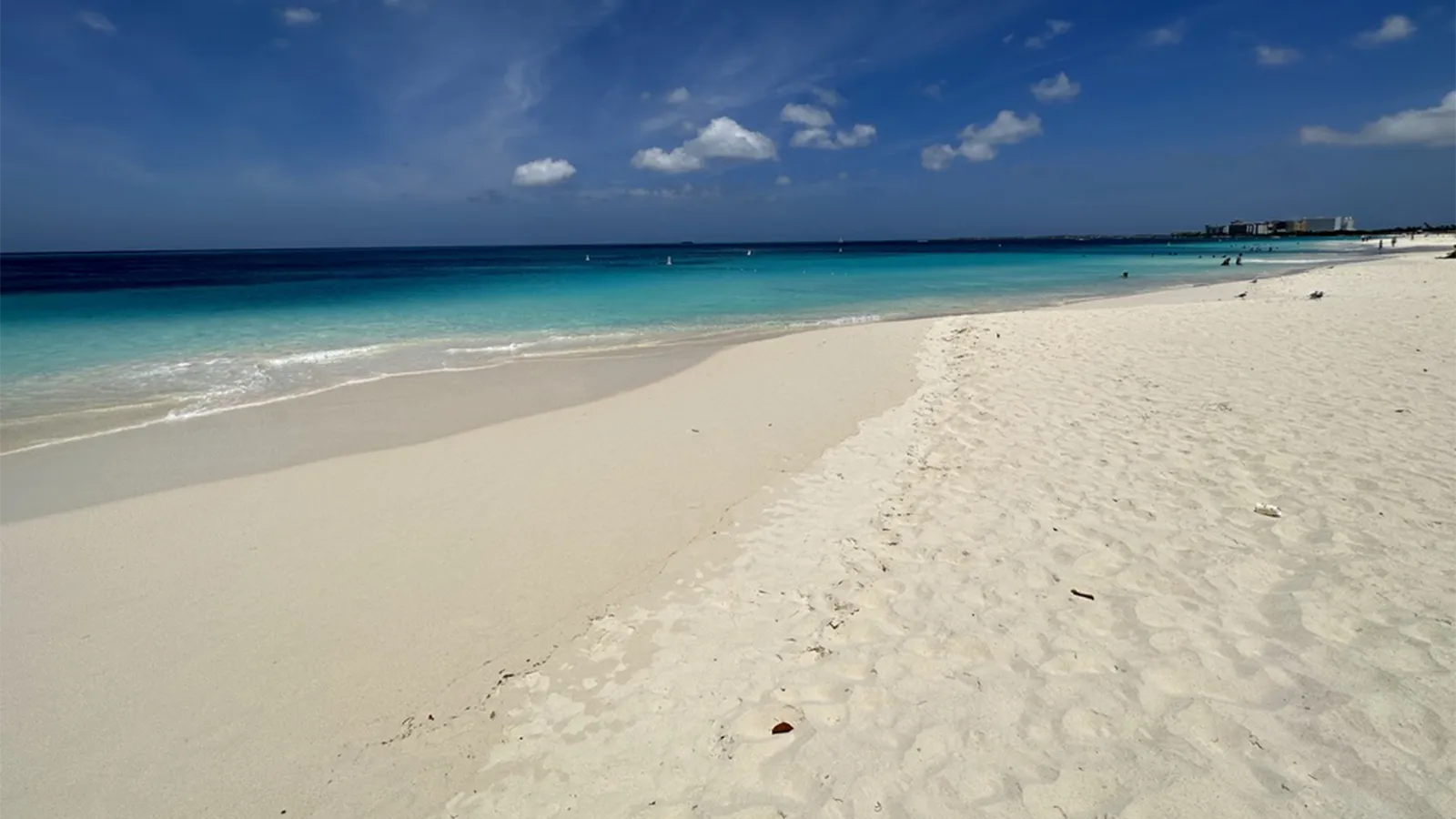
Situated far in the southern Caribbean, Aruba lies well outside the primary Atlantic hurricane belt. This distinct geographical advantage gives the island a completely different tropical weather profile than islands situated further north. For risk-averse travelers who want a guaranteed tropical getaway without the looming anxiety of storm disruptions, Aruba offers unmatched peace of mind.
This natural advantage is amplified by aggressive infrastructure growth. According to Caribbean Tourism Organization (CTO) metrics, Aruba welcomed 427,343 stayover visitors in the first quarter alone—an 8.9 percent year-over-year increase. This steady momentum has spilled directly into the autumn shoulder months.
Furthermore, flight economics and hotel diversity make the island exceptionally friction-free for short- or medium-duration fall trips:
- Airlift & Pricing: A recent Caribbean Journal (CJ) fare check revealed Miami-to-Aruba roundtrip nonstops starting at approximately $501 for September, with an average flight time of just three hours.
- Accommodation Options: The hospitality landscape has expanded to accommodate diverse traveler types. Properties like the Embassy Suites by Hilton Aruba Resort provide an all-suite format ideal for families and longer stays while positioning guests conveniently between Palm Beach and Eagle Beach. Meanwhile, major properties like the Divi Aruba Phoenix Beach Resort recently completed a comprehensive multi-year renovation covering its original 14-story tower, villas, and four Beach Towers—with studio suites starting around $785 per night prior to seasonal adjustments.
The Bahamas’ 17.65 Percent Growth: Proximity and Demographic Shifts
While Aruba’s growth is heavily tied to its storm-safe geography, The Bahamas’ 17.65 percent increase tells a more daring story about shifting consumer confidence. Because Nassau and Paradise Island do not share Aruba’s southern shelter, the growth in Bahamas fall bookings proves that travelers are willing to embrace the Caribbean as a whole during the autumn months.
The Bahamas’ primary superpower is unassailable proximity:
- The Quick Escape: From South Florida gateways, Nassau is roughly a one-hour flight. From the broader U.S. East Coast, it functions seamlessly as a long-weekend escape rather than a mandatory seven-day commitment, fitting perfectly into the compressed schedules of autumn travelers.
- Diverse Source Markets: CTO data from previous seasons highlighted Canadian stayover arrivals reaching 134,596 (up 11 percent), while dedicated Amadeus analytics identified The Bahamas as the premier Caribbean destination for Gen Z and Gen Alpha travelers.
On the hospitality front, legendary properties continue to refresh their product to meet this rising demand. On Paradise Island, The Ocean Club, A Four Seasons Resort, Bahamas—a historic landmark dating back to 1962—completed updates to 26 accommodations in the Hartford Wing (comprising 24 ocean-view rooms and two suites), timed precisely to welcome the October fall market.
Official Statements and Industry Insights
Tourism boards, risk analysts, and hospitality executives have taken careful note of how consumer behavior has transformed.
Industry analysts emphasize that while the term "hurricane season" once brought an immediate halt to marketing efforts, travelers today are far more sophisticated. Armed with instant meteorological data, flexible remote work policies, and comprehensive travel insurance, consumers are managing risk rather than avoiding it entirely.
"The commercial logic of fall travel is becoming impossible to ignore," notes industry data from Squaremouth analytics. "Hotels offer pricing well below festive peaks, beaches are blissfully uncrowded, and airlift remains remarkably resilient. A traveler with flexibility can curate a Caribbean experience in October that is simply unattainable in the dead of winter."
Hospitality leaders across Aruba and Nassau echo this sentiment, pointing out that corporate entities and luxury networks are shifting their promotional calendars. Rather than shutting down for restorative renovations in September and October—as was standard protocol for decades—forward-thinking resorts are keeping their doors open, rolling out newly renovated product just in time to capture the influx of autumn vacationers.
Future Outlook: The Permanent Transformation of the Fall Window
As the dust settles on the current travel data, industry forecasters agree that the rise of autumn Caribbean travel is not a temporary trend born merely of European heat waves or a single quiet hurricane season. It is a permanent structural evolution in how consumers plan their leisure time.
1. The Death of the Shoulder Season
Hotels and airlines will increasingly treat September, October, and November as active, high-yield operating months rather than a write-off period. As more resorts complete multi-million-dollar renovations specifically designed to debut in early autumn, the quality of the product will continue to draw discerning travelers.
2. Evolving Risk Management and Insurance
The growth of fall travel will permanently alter the travel insurance sector. Insurers note that while policies must be secured before a tropical storm receives a designated name, consumers are becoming much more proactive. The proliferation of flexible cancellation policies and "cancel for any reason" (CFAR) add-ons has effectively insulated travelers against the unpredictable nature of tropical weather.
3. Destination Strategy: Aruba vs. The Bahamas
Moving forward, destinations will market themselves based on distinct psychological value propositions:
- Aruba will continue to position itself as the ultimate risk-mitigated sanctuary—ideal for travelers who want pristine southern geography combined with robust U.S. airlift and diverse all-suite properties.
- The Bahamas will lean into its unmatched proximity and short-haul accessibility, positioning itself as the premier quick-escape weekend destination for East Coast and Florida travelers looking to maximize their autumn PTO.
Ultimately, the traditional Caribbean calendar—once bound strictly by the binary of winter peaks and summer family trips—has been broken. The data from Squaremouth, Virtuoso, and regional tourism boards confirms a new reality: the Caribbean’s fall season is no longer just the empty space between summer and winter. It has become one of the most vibrant, strategic, and sought-after travel windows of the year.