






By the Sea Tow Editorial Team
Updated: August 17, 2026
Executive Overview
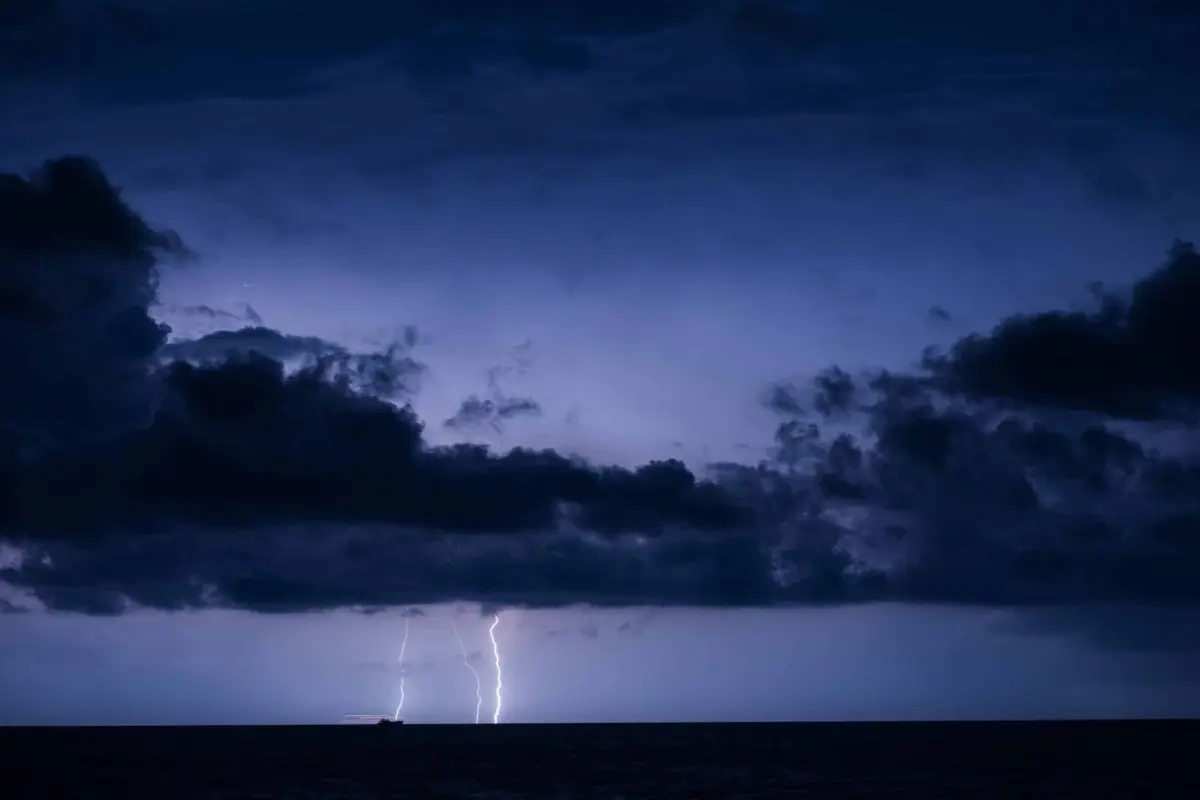
Modern meteorological forecasting has evolved by leaps and bounds, yet marine environments remain inherently volatile. For recreational anglers, commercial fishermen, and recreational boaters alike, a tranquil morning on the water can dissolve into a maritime crisis in a matter of minutes. Sudden wind shifts, rapidly escalating wave heights, and blinding downpours can transform a routine fishing trip into a high-stakes survival scenario.
When a storm develops faster than anticipated, the margin for error narrows exponentially. Navigating heavy weather safely is fundamentally an exercise in calculated control rather than raw speed. Instincts often drive boaters to accelerate blindly toward the nearest dock, but this high-speed reaction frequently leads to structural damage, loss of steering control, and catastrophic capsizing.
This comprehensive guide breaks down the essential protocols required to protect your vessel and passengers when caught unawares by severe weather. By examining the mechanics of storm response—ranging from immediate helm adjustments and weight distribution to post-storm inspections and the realities of marine salvage—boaters can arm themselves with the knowledge necessary to weather the worst Mother Nature has to offer.
Detailed Chronology: Phase-by-Phase Storm Response
When severe weather materializes on the horizon or drops unexpectedly as an inland squall, every second counts. To maximize safety, boaters must execute a disciplined, chronological sequence of defensive actions.
Phase 1: Immediate Stabilization and Helm Management
The instant atmospheric conditions begin to deteriorate, your primary objective is to preserve the structural integrity of your vessel while maintaining absolute command of the helm.
- Throttle Down: Resist the urge to slam the throttles forward to outrun the storm. In heavy chop, running at high speeds causes the hull to violently slam into oncoming waves, placing immense, localized stress on the hull, stringers, and engine mounts. Reduce your speed to a manageable pace that allows you to maintain headway without punishing the vessel.
- Optimize Wave Angles: Never take heavy seas directly broadside (beam-to), as this dramatically increases the risk of capsizing—particularly in smaller fishing boats. Instead, approach waves at a controlled 45-degree angle (quartering). This technique allows the V-hull to cut through the water efficiently while minimizing the risk of green water swamping the cockpit.
- Avoid Sudden Maneuvers: Abrupt turns in turbulent seas can induce a dangerous spin-out or cause the boat to roll violently. Keep your movements deliberate and smooth.
Phase 2: Crew Safety and Life Jacket Compliance
In the chaos of rising winds and crashing waves, retrieving safety gear from a locker or cabin becomes nearly impossible. Preparation must precede panic.

- Mandatory Flotation Devices: Confirm that every single soul on board is wearing a properly fitted USCG-approved life jacket (Personal Flotation Device). Statistics consistently show that a lack of life jackets is a primary contributor to boating fatalities during unexpected weather events.
- Passenger Positioning: Instruct all passengers to remain seated low and near the centerline of the vessel. Improper weight distribution is a leading cause of secondary instability in heavy seas. Keeping the center of gravity low prevents the boat from becoming top-heavy and reactive.
Phase 3: Deck Sanitation and Gear Security
Fishing boats are uniquely vulnerable to loose equipment. Tackle boxes, coolers, rods, gaffs, and spare anchors easily transform into lethal projectiles or dangerous tripping hazards when a vessel starts pitching and rolling.
- Lock Down the Deck: Quickly stow all loose items in designated lockers, snap them down with tie-downs, or lash them securely to the deck.
- Clear Escape Routes: Ensuring the deck is free of clutter guarantees that crew members can move safely to access emergency equipment, fire extinguishers, or life rafts if the situation deteriorates further.
Supporting Context & Metrics: The Anatomy of Marine Incidents
Understanding why marine accidents happen during storms provides critical context for why these safety protocols are non-negotiable.
The Statistics of Sudden Weather
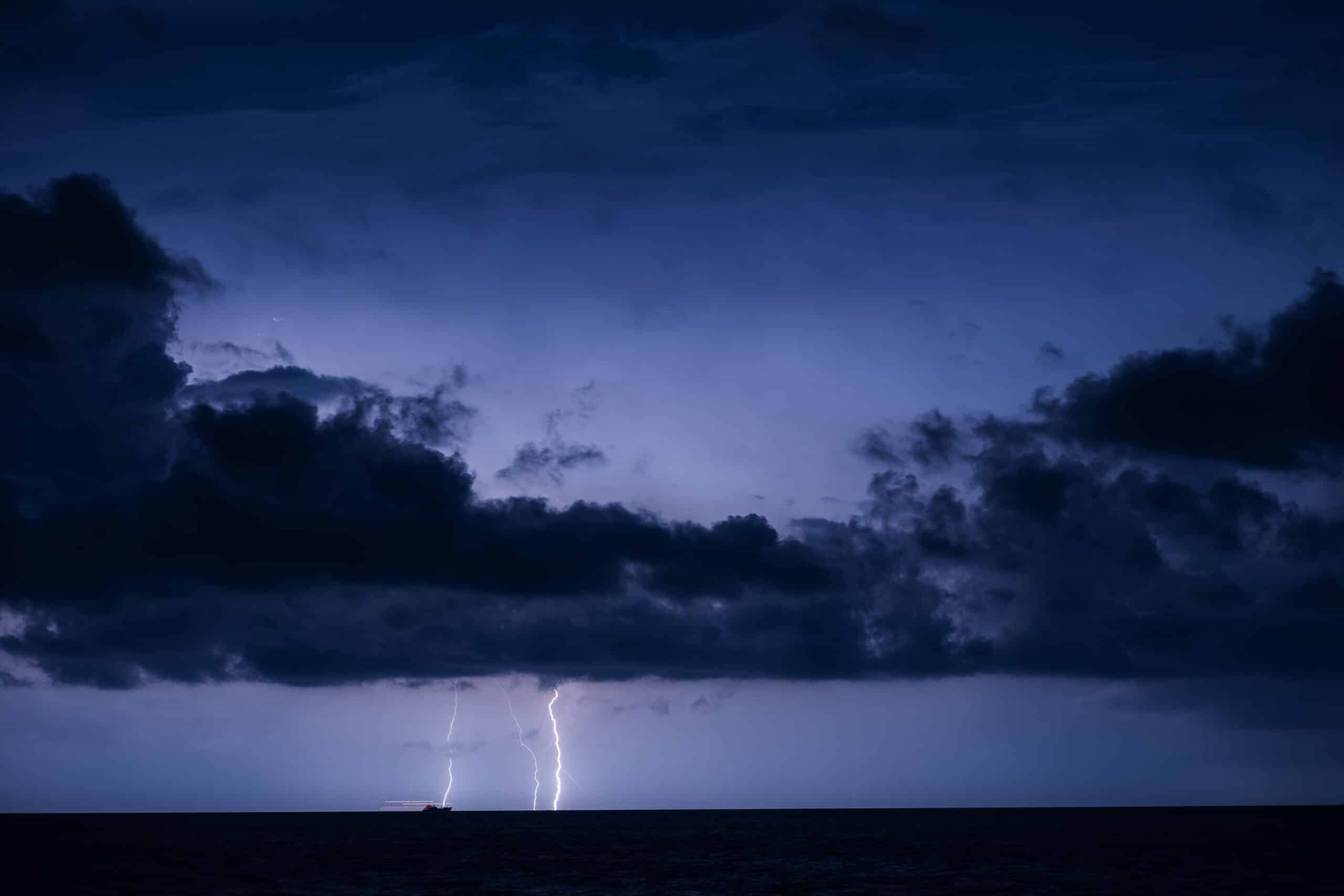
According to marine safety databases, unexpected weather events consistently rank among the top environmental triggers for maritime distress calls. Unlike scheduled storms where commercial vessels and recreational captains have days to prepare, localized squalls generate micro-bursts, sudden wind-shear, and wave spikes that catch mariners off-guard.
- Visibility Deficits: Heavy rain, salt spray, and fog reduce horizontal visibility to near zero within minutes. When human vision fails, mariners must rely entirely on radar, chartplotters, and compasses. However, heavy precipitation can degrade radar accuracy, making slow speeds and heightened vigilance vital.
- Communication Breakdowns: High winds, torrential rain, and atmospheric interference frequently degrade VHF radio range. Operators must understand their equipment’s limitations and utilize digital selective calling (DSC) distress buttons if available, keeping in mind that physical obstacles and distance degrade signal integrity rapidly.
- The Intracostal Waterway (ICW) Bottleneck: In congested, narrow channels like the ICW, sudden squalls trigger mass panic as dozens of vessels simultaneously rush for the nearest bridges, marinas, or protected creeks. This congestion introduces collision hazards that can easily eclipse the danger posed by the weather itself.
Mechanical Strain and the Threat of Propulsion Failure
Operating in heavy seas places unprecedented demands on marine engines and steering systems. Propellers repeatedly surge out of the water (cavitation) and slam back in, causing extreme mechanical shock to transmission gears and drive shafts.
If an engine fails during a storm, the situation transitions from challenging to critical. Without propulsion, a boat instantly loses its ability to steer and maintain an advantageous angle against oncoming waves.
- Immediate Action for Engine Loss: If power fails, deploy a sea anchor (if available and conditions permit) off the bow to keep the vessel pointed into the weather. This prevents the boat from swinging broadside into the troughs.
- Call for Assistance Early: Do not wait until you are drifting onto rocks or shallow shoals to broadcast a Pan-Pan or Mayday on your VHF radio.
Official Guidelines & Expert Protocols
Maritime authorities, including the United States Coast Guard (USCG) and marine assistance organizations like Sea Tow, emphasize that pre-voyage planning dictates on-water survival.
Pre-Departure Risk Mitigation
- File a Float Plan: Always leave a detailed float plan with a family member, marina operator, or trusted friend. Include your intended route, expected return time, passenger manifests, and vessel description. If a storm hits and communication fails, a float plan ensures that rescue authorities initiate searches along your precise path, drastically cutting down response times.
- Verify Safety Checklists: Before casting off, test your bilge pumps, navigation lights, marine radios, and primary electronics. A functional automatic bilge pump can mean the difference between staying afloat and being swamped by green water over the transom.
- Understand Salvage Realities: In extreme cases where vessels are driven aground, swamped, or structurally compromised by severe weather, professional marine salvage and recovery services become necessary. Knowing your membership coverage and having a towing service on speed dial ensures a smoother recovery once the meteorological dust settles.
Future Outlook: Technology, Preparedness, and the Modern Boater
As we look toward the future of recreational and commercial boating, the tools available for weather avoidance and emergency response are undergoing a digital revolution.
The Integration of Real-Time Weather Telematics
Modern marine electronics are increasingly bridging the gap between land-based forecasting and on-the-water reality. High-end multi-function displays (MFDs) now feature real-time radar overlays, cellular weather routing, and automated lightning detection systems. In the coming years, artificial intelligence algorithms integrated into marine chartplotters will likely provide automated warning systems that alert captains to developing micro-squalls well before they cross the horizon.
The Shift Toward Proactive Safety Culture
Despite technological advancements, the human element remains the ultimate variable in maritime safety. Educational initiatives spearheaded by organizations like Sea Tow are shifting the cultural paradigm from reactive firefighting to proactive risk management.
Boaters are increasingly encouraged to treat safety gear not as legal decoration, but as active survival tools. The emphasis on pre-trip checklists, routine engine maintenance, and conservative decision-making is laying the foundation for a safer generation of mariners.
Conclusion: Respecting the Water
Ultimately, storms will always possess the capacity to humble even the most experienced captains. The golden rule of heavy-weather boating remains unchanged: Storm response is about control, not speed. By resisting the panic to outrun bad weather, respecting the physical limitations of your vessel, and maintaining absolute discipline regarding life jackets and gear security, you can ensure that you and your crew make it safely back to the dock to fish another day.