







Executive Overview
While the global narrative of American history frequently begins with the drafting of the U.S. Constitution in 1776, the archaeological record across North America tells a vastly older, more intricate story. Long before European settlers arrived on the continent, sophisticated indigenous societies flourished, leaving behind complex earthworks, astronomical alignments, and monumental stone constructions that rival those of the ancient Old World.
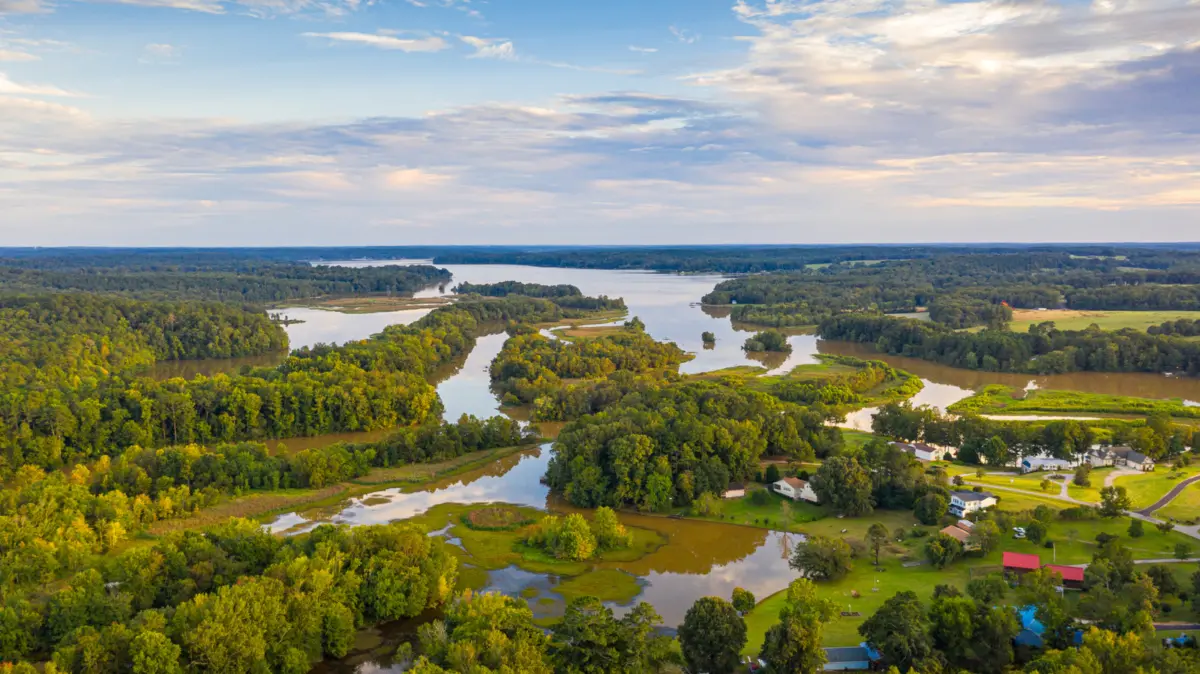
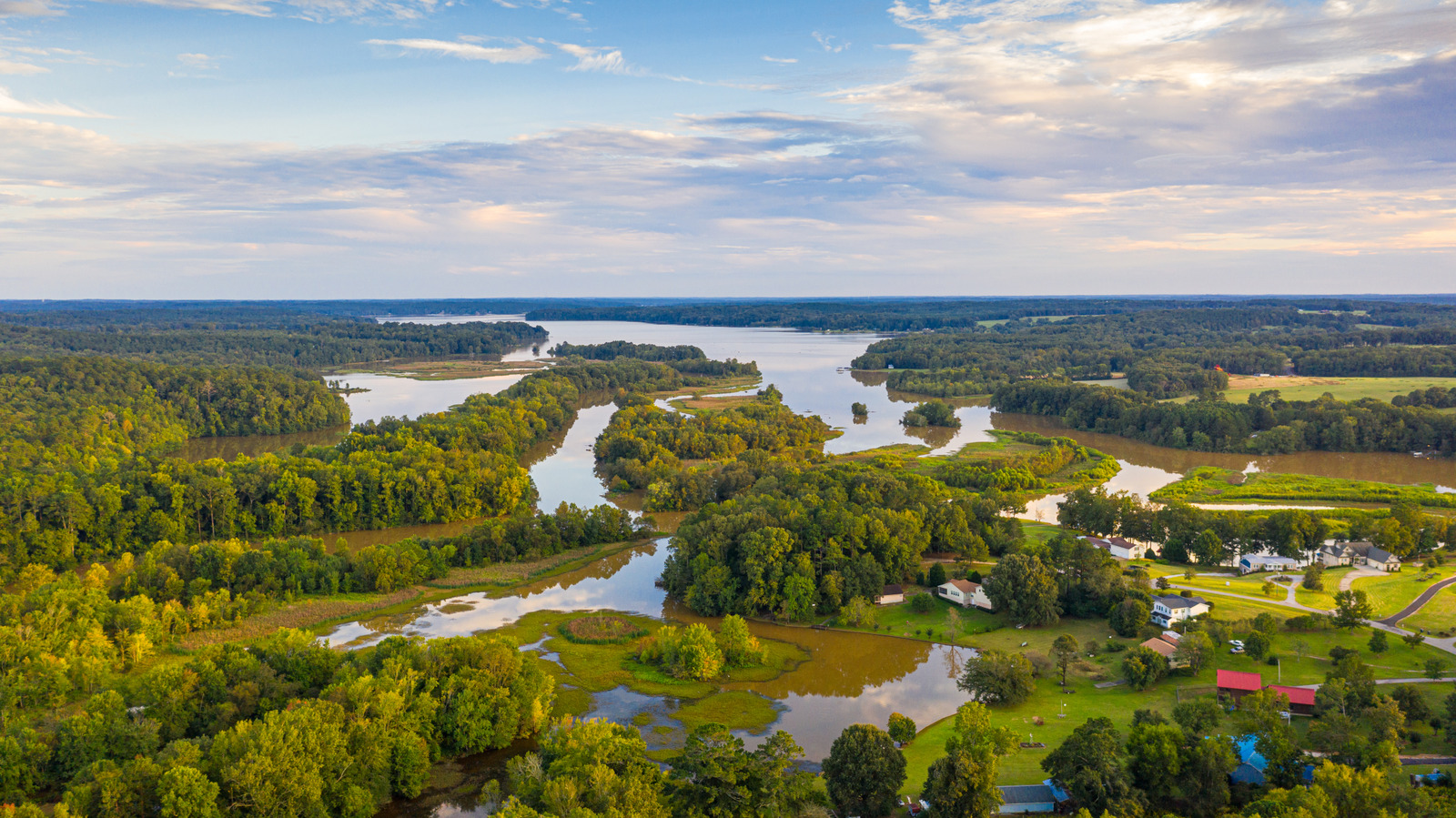
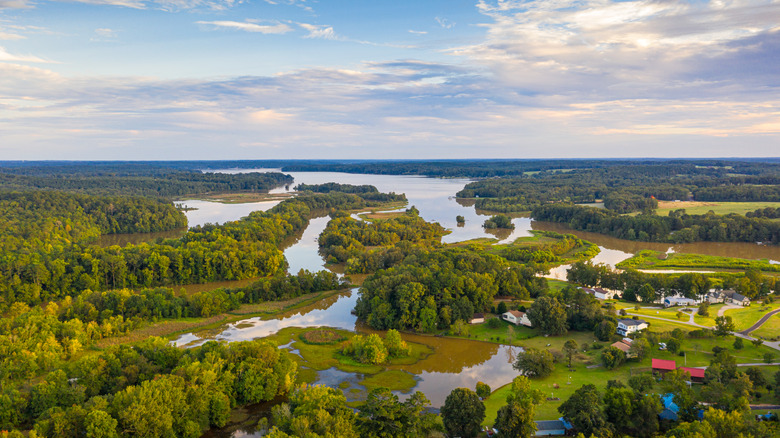
Nowhere is this more evident than in the rolling pinewoods of Putnam County, Georgia. Tucked away along the serene shores of Lake Oconee—roughly equidistant from the cultural hubs of Atlanta, Athens, and Augusta—lies the Rock Hawk Archaeological Site. Spanning hundreds of acres of protected public land, Rock Hawk functions as a living "outdoor classroom," seamlessly merging cutting-edge archaeological preservation with pristine wilderness recreation.
Centerpieced by an enigmatic, 2,000-year-old stone effigy shaped like a great raptor in flight, the site offers modern travelers a rare window into the ceremonial and astronomical practices of prehistoric Native Americans. Yet, Rock Hawk is far more than a static monument to a bygone era. Flanked by over 30 miles of interpretive hiking and biking trails, adjacent to the premier Lawrence Shoals Campground, and resting against the massive 19,000-acre aquatic playground of Lake Oconee, this destination represents an ideal synthesis of history, ecology, and outdoor adventure. Whether approached as an enriching educational day trip from nearby Athens or as the anchor for a multi-day camping and fishing excursion, Rock Hawk stands as one of Georgia’s most compelling, yet understated, outdoor treasures.

Detailed Chronology: From Prehistoric Builders to Modern Preservation
To fully appreciate the scope of the Rock Hawk site, visitors must peel back layers of history that stretch across millennia, tracing the transformation of the region from an indigenous spiritual focal point to a 20th-century conservation and educational nexus.
The Prehistoric Era (Circa 1 BCE – 500 CE)
While precise dating remains a challenge for archaeologists due to the scarcity of organic artifacts preserved in the acidic Georgia soil, researchers estimate that the Rock Hawk effigy was constructed approximately two millennia ago. During this period, Woodland and Mississippian-era Native American cultures inhabited the central Savannah and Oconee river basins.
These societies were characterized by semi-permanent settlements, horticultural innovation, and elaborate ritualistic behaviors. The builders of Rock Hawk utilized locally gathered quartz and granitic rocks, painstakingly arranging them into the silhouette of a massive bird. Unlike simple stone piles, these effigies were masterclasses in sacred geography and celestial observation.
The 19th-Century Nomenclature
Fast-forwarding to the European settlement period, the geographic region surrounding the effigy was organized during the expansion of the Georgia frontier. Putnam County and its county seat, Eatonton, were officially established and named in honor of two prominent 19th-century military figures: Revolutionary War General Israel Putnam and American naval hero Captain William Eaton. For generations, the ancient stone structures hidden within the county’s dense pine forests remained largely undisturbed, known primarily to local hunters, farmers, and regional historians.

Mid-20th-Century Discovery and Restoration
As the mid-20th century progressed, academic interest in Georgia’s indigenous earthworks intensified. While its sister site, the renowned Rock Eagle effigy located further north in Putnam County, received early scholarly attention and preservation, Rock Hawk had suffered centuries of weathering, agricultural disruption, and displacement of its original stone matrix.
In the 1950s, a comprehensive archaeological restoration project was launched to rebuild the stone silhouette of Rock Hawk. Conservationists meticulously repositioned stones to mirror the suspected original layout of the great bird, laying the groundwork for public accessibility.
The Modern "Outdoor Classroom" Era
Entering the 21st century, local stakeholders, conservation groups, and county officials recognized the need to protect the site while transforming it into an accessible educational resource. The creation of the Rock Hawk trail network—spanning nearly 30 miles of multi-use paths—combined with the construction of an elevated observation tower and interpretive kiosks, redefined the area. Today, Rock Hawk operates as a state-of-the-art archaeological park, welcoming researchers, school groups, and eco-tourists from across the Southeast.
Supporting Context & Metrics: Geography, Astronomy, and Ecosystems
To understand the enduring significance of Rock Hawk, one must examine its physical layout, its cosmic design, and the rich natural biosphere that surrounds it.
Strategic Geographic Positioning
Rock Hawk occupies a uniquely advantageous geographic node in central Georgia. The site is framed by a loose triangle of major urban centers:
- West: Approximately 87 miles from Atlanta via I-20.
- North: Roughly 60 miles south of Athens, making it an ideal side-trip for academic travelers and music tourists.
- East: About 82 miles west of Augusta.
This centralized location positions Rock Hawk as a premier destination for weekend road-trippers seeking an escape from urban density into quiet, natural landscapes.
                  [ Athens ] (60 miles N)
                     /
                    /
                   /
   (87 miles W)   /          (82 miles E)
    [ Atlanta ] ----- [ ROCK HAWK ] ----- [ Augusta ]
                          /
                         /
                   [ Lake Oconee ]
Astronomical Alignments and the "Path of Souls"
At ground level, dense vegetation and a protective security fence can make discerning the exact shape of the Rock Hawk effigy challenging. However, climbing the site’s dedicated observation tower reveals the true majesty of the stone bird.
Archaeological and anthropological studies indicate that effigy mounds served profound spiritual and navigational functions. Rock Hawk exhibits distinct astrological alignments:
- The stone wings are oriented directly along the azimuths of the summer and winter solstices, underscoring the effigy’s role as a monumental solar calendar used to track agricultural cycles and seasonal shifts.
- Anthropologists also suggest that bird effigies in Southeastern Native American cosmology served as psychopomps—spiritual guides designed to assist departing souls along the Milky Way (often referred to as the "Path of Souls") into the afterlife.
Biodiversity and the Trail Network
Encircling the archaeological core is a meticulously maintained trail system featuring five distinct, color-coded hiking routes ranging from 1 mile to 3.6 miles in length, alongside dedicated mountain biking paths. Educational signage lines the tracks, detailing the area’s geology and local fauna.
Visitors traversing the pine-hardwood forests frequently encounter a diverse array of wildlife:
- Mammals: Raccoons, striped skunks, nine-banded armadillos, and white-tailed deer.
- Avian Species: Red-headed woodpeckers, northern cardinals, great blue herons, and various raptors soaring above the Oconee basin.
- Reptiles and Amphibians: Numerous native snake and turtle species thriving in the humid, temperate microclimate.
Official Statements and Academic Insights
The preservation and interpretation of Rock Hawk are guided by a coalition of archaeologists, state historians, and land management agencies dedicated to honoring indigenous heritage while fostering public education.
In official literature distributed by park administrators, Rock Hawk is explicitly classified as an "outdoor classroom." Management outlines the core mission of the site:
"To bridge the gap between passive recreation and active historical engagement, ensuring that the material culture and spiritual landscape of America’s first inhabitants remain accessible, respected, and studied by future generations."
Academic researchers specializing in Southeastern archaeology emphasize the critical importance of sites like Rock Hawk and Rock Eagle in understanding pre-literate societies. Dr. Thomas J. Pluckhahn, a noted researcher of Southeastern mound cultures, has frequently noted in academic forums that stone effigies represent an extreme rarity in North American archaeology, where earth and timber were the primary construction media.
"The use of quartz and granitic stones to map celestial bodies and sacred geography at Rock Hawk demonstrates a profound, long-term human relationship with this specific landscape," notes an introductory interpretive panel at the site’s visitor center. "The builders did not merely inhabit the Oconee basin; they inscribed their cosmology directly into the earth."
Future Outlook: Preservation, Tourism, and Conservation Challenges
As Rock Hawk looks toward the coming decades, site managers and local authorities face the dual challenge of promoting sustainable eco-tourism while safeguarding delicate archaeological assets from environmental degradation and human impact.
Balancing Access and Conservation
With outdoor recreation surging in popularity across Georgia, visitor metrics at Lake Oconee and surrounding parks have climbed steadily. The Lawrence Shoals Campground—operating seasonally from March through November—regularly experiences high occupancy rates among RV enthusiasts and tent campers.
To manage this influx, regional planners are investing in infrastructure upgrades. These initiatives include enhanced runoff management to protect the shoreline of Lake Oconee, improved trail markers to prevent off-trail erosion, and expanded digital educational resources (such as downloadable GIS trail maps and virtual reality previews of the effigy) to accommodate virtual learners and reduce physical wear on the site.
Expanding Educational Programming
Future developments for Rock Hawk include partnerships with the University of Georgia and local school districts to expand hands-on archaeology workshops, youth scouting camps, and guided night-sky viewing events that highlight the ancient solstitial alignments of the stone hawk. By transforming passive tourists into active stewards of the land, Putnam County aims to secure the long-term viability of this invaluable historical monument.
For travelers willing to venture off the beaten interstate paths between Atlanta, Athens, and Augusta, Rock Hawk offers an unforgettable journey backward in time—a place where the rustle of pine needles and the flight of a hawk overhead connect the modern visitor to an ancient, resonant American story.