










Executive Overview
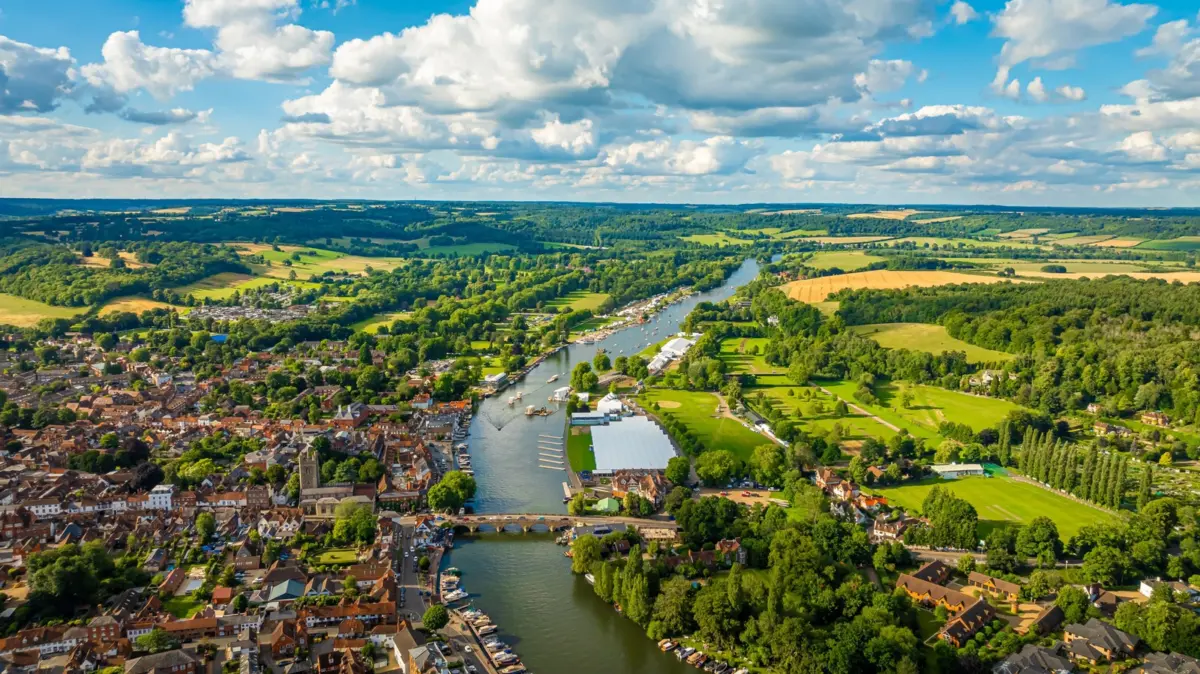
For travelers weary of the relentless pace, urban density, and sensory overload of central London, the English countryside offers a time-honored sanctuary. While tourists routinely flock to major hubs like Oxford, Cambridge, or Bath, a quieter, historically rich alternative rests less than two hours away by rail or road. Nestled within the verdant Oxfordshire woodlands along the banks of the River Thames lies Henley-on-Thames—a bustling, picturesque community affectionately known simply as "Henley."
Dating back to at least the 12th century, Henley has evolved from a modest clearing in the high woods into an architectural and cultural anchor of the Thames Valley. Characterized by pastel-hued facades, half-timbered storefronts, and a vibrant local economy powered by independent merchants and restaurateurs, Henley represents a compelling case study in sustainable rural tourism.
This comprehensive report examines Henley-on-Thames not merely as a weekend holiday destination, but as a thriving ecosystem of historical preservation, boutique commerce, and culinary excellence. Drawing upon local architectural heritage, consumer sentiment data, and transport logistics, this piece provides an authoritative breakdown of what makes Henley an indispensable stop for cultural tourists, history enthusiasts, and urban escapees alike.
Detailed Chronology and Historical Evolution
To truly understand Henley-on-Thames, one must look backward through nearly a millennium of recorded history. The town’s etymological roots are deeply intertwined with the landscape that surrounds it. The name "Henley" evolved from Old English terminology denoting a "high wood or clearing," paying homage to the dense woodlands that once blanketed—and still heavily frame—the Oxfordshire basin.
From 12th-Century Settlement to Royal Crossroads
While archaeological and localized findings suggest human activity in the Thames Valley predates the medieval era, Henley’s formal emergence in historical documents dates to the 12th century. Strategically positioned as a vital river crossing point, the settlement quickly grew in economic significance. The river acted as a commercial artery, facilitating the transport of timber, grain, and malt down toward London.
As the centuries progressed, Henley’s architecture began to reflect its growing prosperity. The town layout coalesced around Duke Street and Bell Street, which today form the primary commercial spine of the community. Rising above the historic rooftops is the crenellated tower of St. Mary’s Church, a standing architectural monument that has watched over the town for generations.
The region’s strategic and cultural prominence also drew the attention of British royalty. Most notably, in the tumultuous 17th century, Henley played host to King Charles I, who sought refuge and hospitality at the building now famously known as The Relais. This deep-seated royal and historical connection permeates the town’s physical fabric, offering modern-day visitors an immersive walk through epochs of English history.

Supporting Context & Metrics: Logistics, Commerce, and Community
An evaluation of Henley-on-Thames as a premier travel and lifestyle destination reveals a finely balanced ecosystem where historical integrity meets modern convenience.
Accessibility and Transport Logistics
One of Henley’s primary competitive advantages as a getaway destination is its remarkable accessibility from the United Kingdom’s capital.
- Rail Transit: Travelers departing from London Paddington can reach Henley-on-Thames in approximately one hour, typically involving a brief, seamless transfer. This makes the town exceptionally viable for both weekend excursions and single-day itineraries.
- Road Transit: For motorists, the drive from central London takes under two hours, depending on traffic conditions, navigating through scenic stretches of the home counties before descending into the Thames Valley.
The Architectural and Natural Landscape
The physical layout of Henley is designed for pedestrian exploration. The convergence of Duke Street and Bell Street funnels visitors past a dense array of Georgian and Tudor-era buildings. Key geographic and infrastructural markers include:
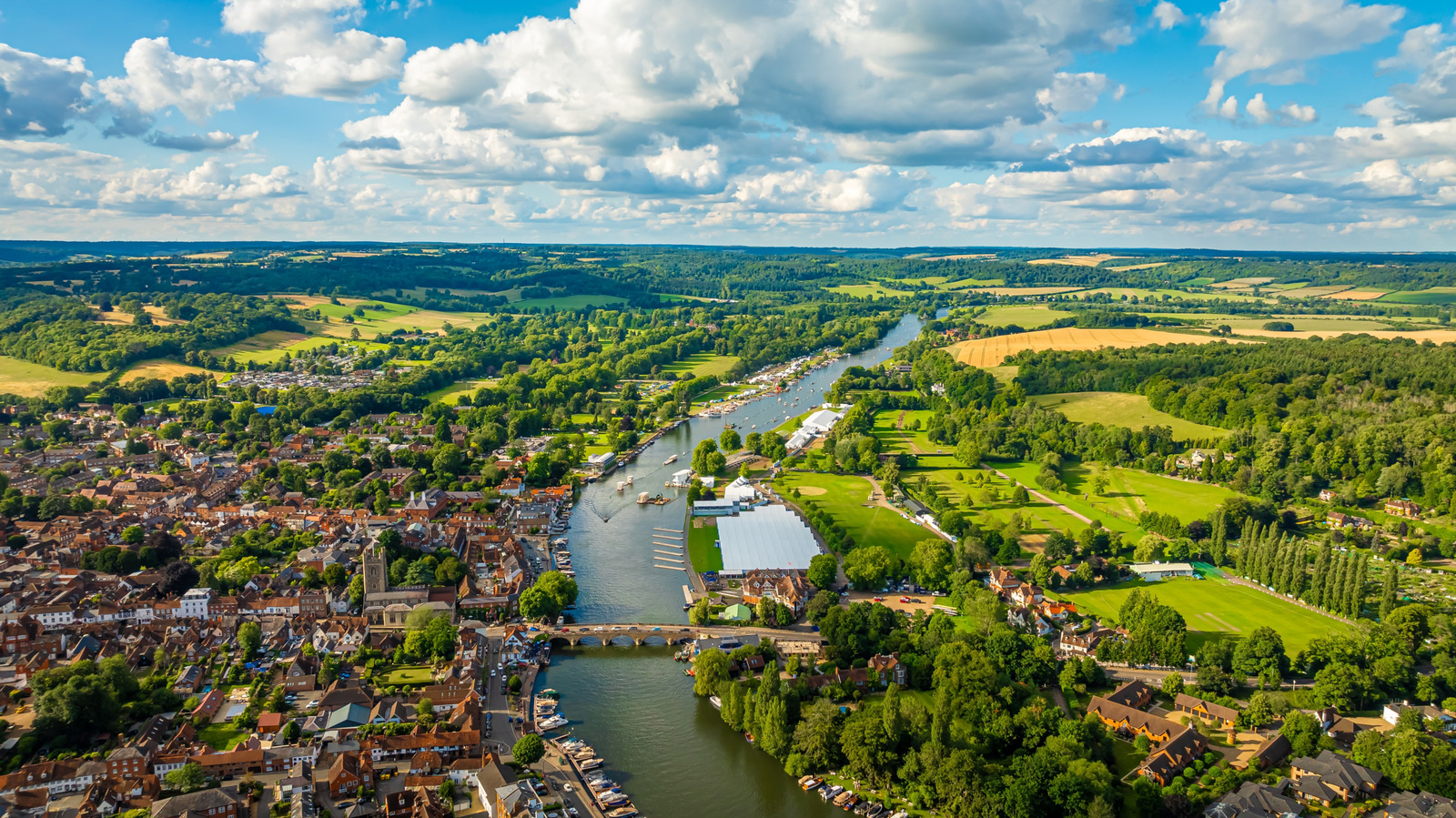
- Henley Bridge: A historic crossing featuring a weathered stone balustrade that provides panoramic, postcard-worthy vistas of the riverfront.
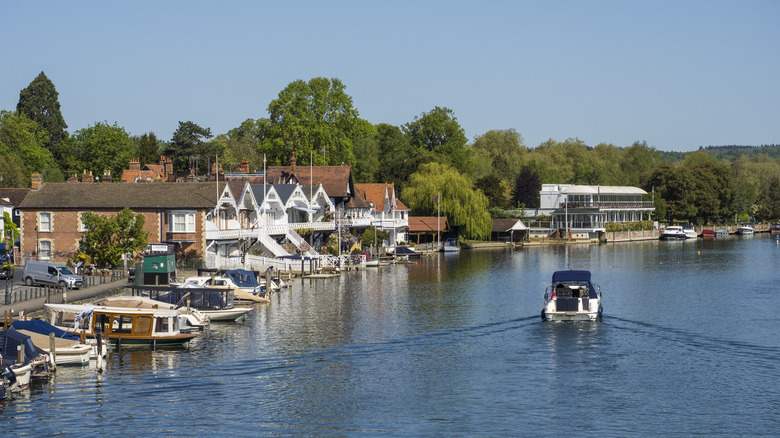
- Mill Meadows: An expansive, idyllic public park situated directly along the Thames, featuring maintained footpaths, green lawns, and riverside seating designed to encourage passive recreation and ecological engagement.
Commerce and Retail Therapy: Inside Henley’s Independent Shops
Unlike modern commercial districts dominated by homogenous global retail chains, Henley-on-Thames has fiercely protected its independent retail culture. The town center functions as a vibrant bazaar of specialized shops, antique dealers, and sustainable boutiques.
Tudor House Antiques: A Vault of Vintage Treasures
Located on Duke Street, Tudor House Antiques serves as an immediate draw for history enthusiasts and vintage collectors. Housed within a rickety, half-timbered building whose very exterior oozes medieval charm, the interior is densely packed with curated curiosities.
Visitor reviews frequently highlight the shop’s immersive nature, noting that every available shelf, tabletop, and corner displays an eclectic array of items. From ornate brass candlesticks and woven wicker baskets to vintage jewelry, decorative ceramic figurines, and historical pottery, Tudor House operates less like a traditional store and more like a curated museum where every artifact is available for acquisition.
Tigers ‘n’ Tiaras: Sustainable Style for the Next Generation
Directly across the street stands Tigers ‘n’ Tiaras, a children’s lifestyle and apparel boutique with a strong emphasis on ecological sustainability. Recognizing shifting consumer values toward ethical manufacturing, the store curates apparel crafted from sustainable materials.
Parents visiting the shop can browse daily wear, cozy sleepwear, and durable footwear ranging from everyday sneakers to weather-resistant rain boots. Beyond clothing, the boutique extends its aesthetic into home goods, stocking scented candles, decorative accent rugs, and throw pillows, all within a warm, welcoming environment that encourages unhurried browsing.
Vinegar Hill and The Bell Bookshop: Souvenirs and Literature
For those seeking unique gifts and mementos, Vinegar Hill offers a contemporary retail experience characterized by large display windows and an inviting inventory. Patrons frequently remark on the store’s "browseability," noting that it effortlessly draws in casual passersby looking for greeting cards, home decor, and chic apparel.
Meanwhile, literary enthusiasts can journey slightly further along to Bell Street to visit The Bell Bookshop. As an independent bookseller, it stands as a bulwark against the digitalization of reading. The shop’s cozy, book-lined interiors offer everything from best-selling new releases to rare signed copies, accompanied by literary-themed merchandise such as canvas tote bags, custom mugs, and umbrellas.
Culinary Landscape: Gastronomy in Henley
A comprehensive review of Henley-on-Thames would be incomplete without examining its diverse and high-quality dining scene. The town offers an impressive array of culinary experiences, ranging from historic English pubs to avant-garde international dining and Japanese sushi bars.
The Three Tuns: Historic Pub Culture Meets Seasonal Gastronomy
Situated at the critical junction of Duke Street and Bell Street, The Three Tuns represents the quintessential British pub experience elevated by modern culinary standards. Housed in a historic building, the establishment balances historic architectural features—such as roaring fireplaces for the winter months—with an open-air terrace utilized extensively during warmer seasons.
The culinary program focuses on seasonal British fare. A particular highlight is their dedicated "Steak Night," featuring dry-aged ribeyes and sirloins sourced with an emphasis on quality. Traditionalists can indulge in classic pub staples like beer-battered fish and chips, while Sunday visitors are treated to traditional roast pork loin complete with roasted potatoes and rich, savory gravy.
Luscombes Restaurant: Sophisticated Dining
For travelers seeking a more refined culinary adventure, Luscombes Restaurant offers an intimate atmosphere coupled with an ambitious menu. Patrons consistently praise the establishment for its meticulous execution from starters through to dessert.
Culinary highlights include innovative plant-based dishes such as roasted cauliflower accented with fresh coriander, alongside savory options like blackened cod served over a bed of earthy lentils. A standout favorite among regular diners is the classic cheese soufflé served with toasted walnuts. The dining experience is rounded out by an extensive international wine list and comforting classic desserts, including apple and blackberry crumble alongside refreshing lemon sorbet.
Sumo: A Hidden Japanese Sushi Bar
For those desiring a departure from traditional European fare, Sumo offers an unexpected culinary twist. Tucked away down a narrow alleyway, this intimate Japanese sushi bar has garnered a strong reputation for serving exceptionally fresh seafood in a relaxed, unpretentious environment at accessible price points.
The menu is comprehensive, featuring traditional appetizers such as beef carpaccio, vegetable tempura, and pan-fried dumplings. This is complemented by an extensive assortment of rolled sushi wrapped in crisp seaweed, alongside sashimi-grade slices of raw fish and scallops.
Future Outlook: Regional Integration and Sustainable Tourism
As Henley-on-Thames looks toward the future, its primary challenge will lie in balancing the pressures of increased tourism with the preservation of its unique community character. Situated within easy reach of London, the town faces a steady influx of day-trippers and weekend travelers seeking respite from metropolitan life.
Local municipal planners and business associations are increasingly focusing on sustainable tourism models. By promoting pedestrian-friendly infrastructure, supporting independent local merchants who source regional goods, and maintaining public ecological assets like Mill Meadows, Henley is positioning itself as a model for responsible rural destination management.
Furthermore, Henley does not exist in a vacuum. Tourism experts recommend viewing the town as part of a broader regional itinerary that includes nearby historical and natural hubs. Travelers who exhaust the charms of Henley can easily expand their Oxfordshire and Buckinghamshire explorations by visiting neighboring gems such as:
- High Wycombe: A lively adjacent town offering bustling markets, expansive parks, and historic Victorian manors.
- Thatcham: One of England’s most ancient settlements, celebrated for its scenic nature reserves and deep historical roots.
- Cambridge: A globally renowned riverside university city famed for its architectural grandeur and tranquil water trails.
Conclusion
Henley-on-Thames successfully bridges the gap between antiquity and modernity. By maintaining its architectural heritage, fostering a resilient independent retail sector, and offering a world-class culinary landscape all within a two-hour radius of London, Henley secures its place as an essential destination on the English travel map. Whether viewed through the lens of history, commerce, or gastronomy, this riverside gem offers a masterclass in how historic English towns can thrive in the modern era without losing their soul.