






Executive Overview
For decades, the standard narrative of the British coastline has been defined by dramatic, windswept weather: moody skies, slate-gray swells, and towering chalky precipices battered by the English Channel. Yet, hidden in plain sight across the untamed archipelagos of Scotland, the jagged peninsulas of Cornwall, and the secret coves of Pembrokeshire, a radically different coastal reality exists.
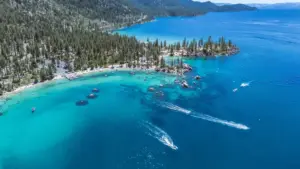
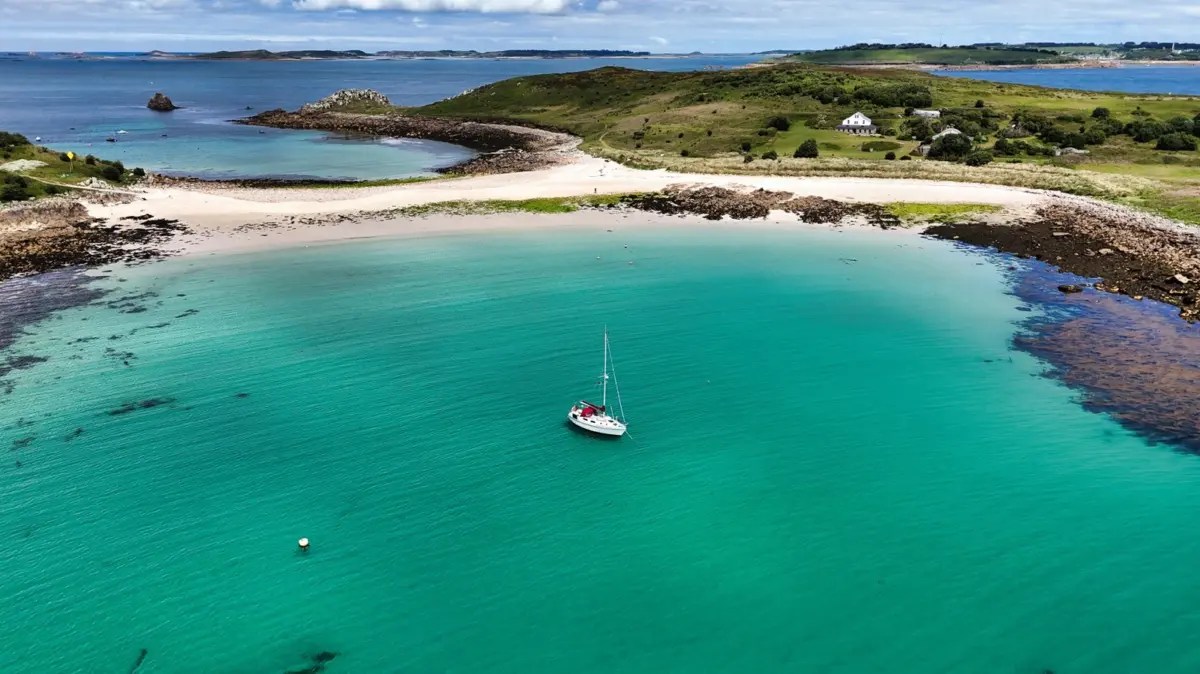
Across the United Kingdom, a collection of secluded shorelines boasts luminous turquoise waters, pristine quartz-and-shell sandbars, and sheltered bays that routinely trick the eye. Often mistaken for postcards from the Antilles or the Bahamas, these British beaches offer a striking paradox: blindingly white sands and translucent oceans framed not by swaying coconut palms, but by rugged heather-clad mountains, dramatic granite cliffs, and ancient woodlands.
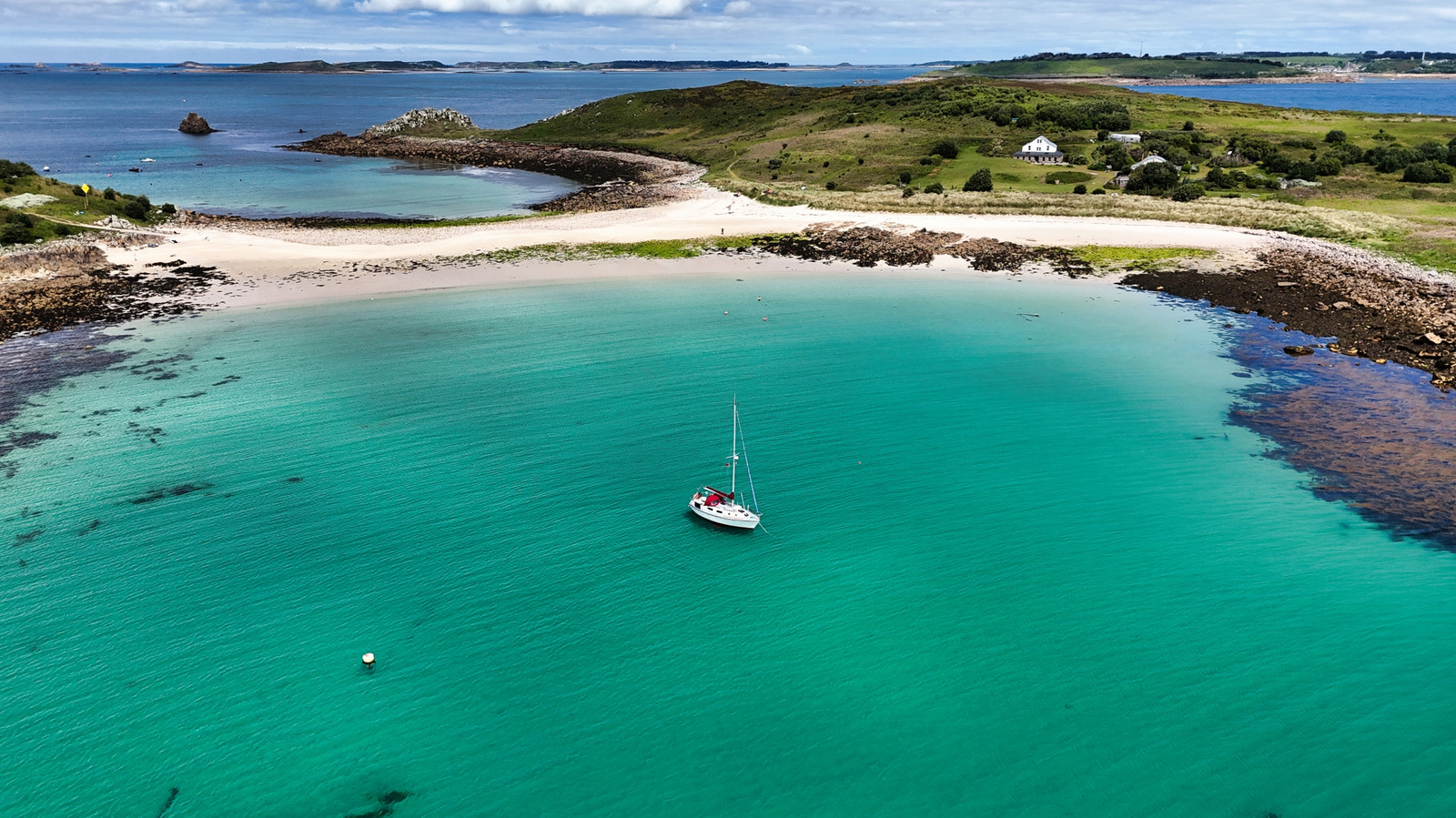
While tropical climates and year-round balmy temperatures remain out of reach, these locations offer an arresting coastal alternative for travelers willing to trade equatorial heat for wild, crowd-free serenity. From the bicycle-dependent sands of the Outer Hebrides to the subtropical gardens of the Isles of Scilly, this report examines the geological phenomena, logistical realities, and burgeoning tourism dynamics transforming Britain’s best-kept seaside secrets into global bucket-list contenders.
Detailed Chronology & Geographical Evolution
The transformation of the British seaside from a working maritime frontier into a celebrated sanctuary of natural beauty has evolved over centuries, heavily shaped by shifting climatic conditions, geological heritage, and modern conservation efforts.
The Geological Genesis: How British Waters Turn Turquoise
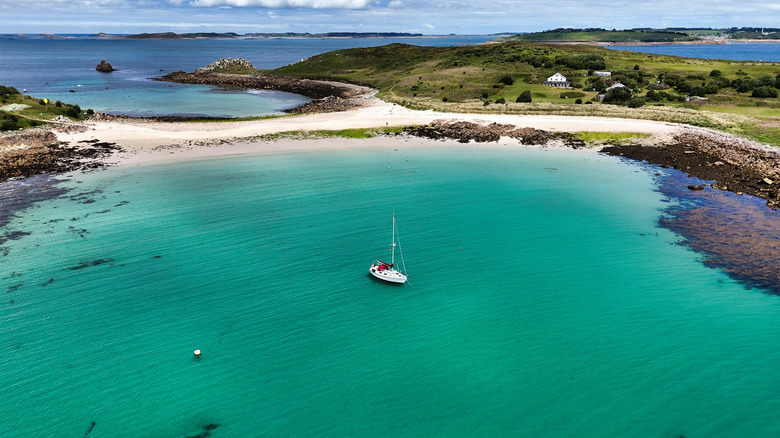
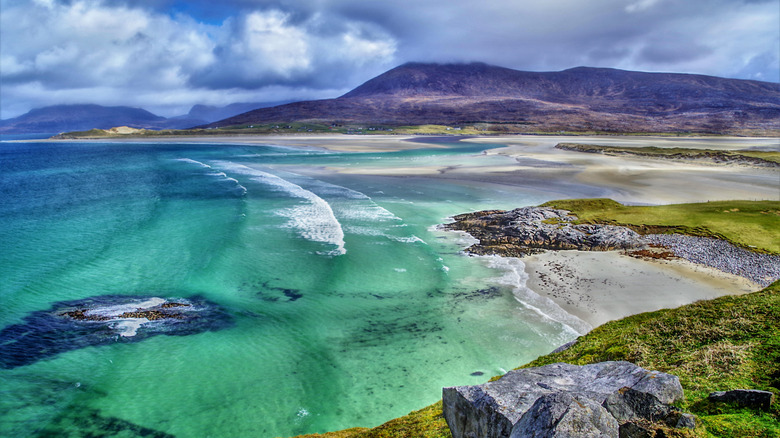
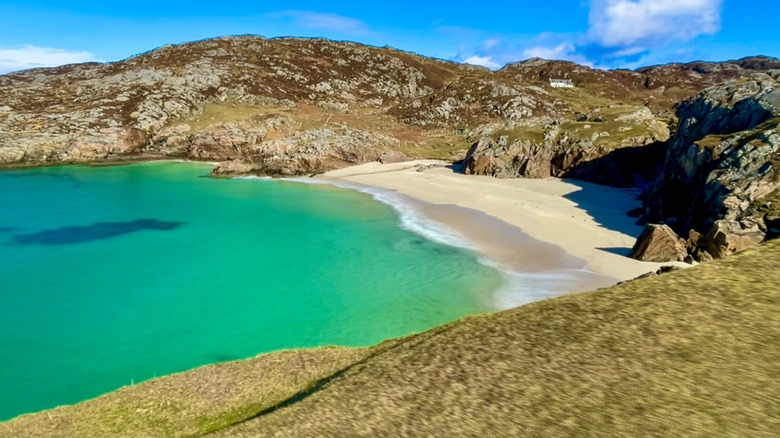
The visual illusion of a tropical beach relies on specific geological mechanics: shallow, clear water interacting with pale, light-reflecting seabeds. In locations like Achmelvich Bay in Sutherland and Luskentyre on the Isle of Harris, the white sands are not ordinary silicate deposits. Over millennia, waves have pulverized pure quartz and millions of crushed seashells into fine powder. When sunlight pierces the water column above these pale seabeds, it refracts through the shallows, creating the brilliant turquoise and emerald hues traditionally associated with coral atolls rather than northern European latitudes.
Mid-20th Century: The Rise of Coastal Conservation
As post-war Britain embraced domestic holidaymaking, regions such as Cornwall and Pembrokeshire experienced initial surges in coastal tourism. However, the true architectural preservation of these "Caribbean lookalikes" began with the establishment of formal protections.
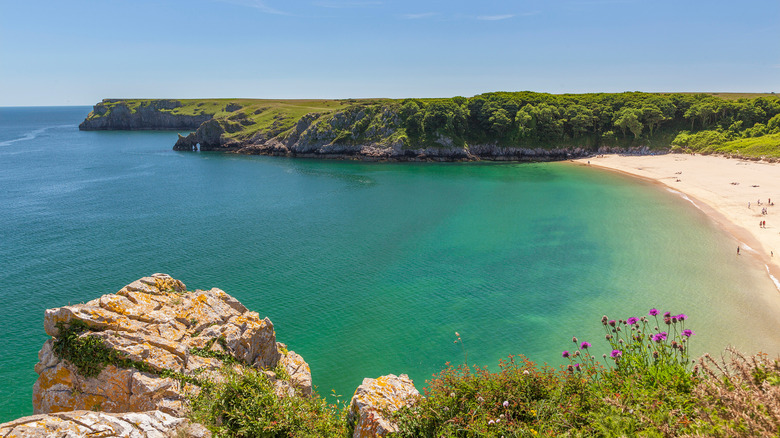
- 1952: The Pembrokeshire Coast National Park was designated, safeguarding locations like Barafundle Bay within the historic Stackpole Estate from unrestrained commercial development.
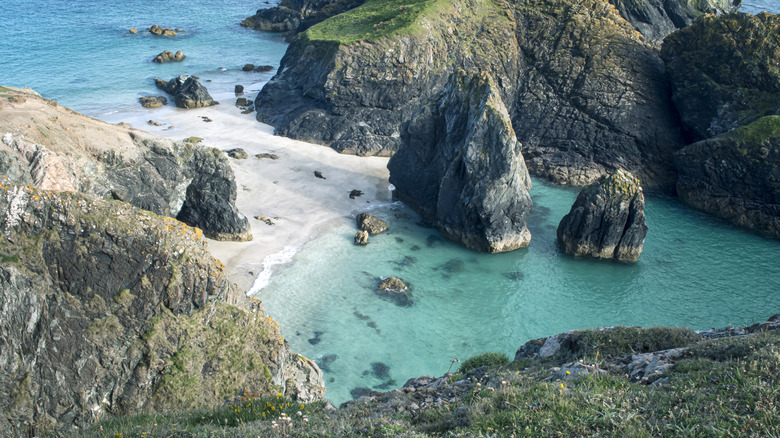
- Late 20th Century: The National Trust acquired critical coastal stretches, including Kynance Cove and Pedn Vounder in Cornwall, ensuring that their fragile dune systems and towering granite backdrops remained free from heavy urban encroachment.
The Modern Tourism Era: Social Media and the Remote Escape
In recent years, the democratization of high-resolution travel photography and drone technology has catapulted these remote British destinations onto the global stage. Once accessible only via word-of-mouth or local ordinance maps, spots like Luskentyre and Kynance Cove now regularly feature in international travel roundups, being named among the best beaches in the world by various global publications. Despite this digital exposure, their inherent geographical isolation continues to act as a natural filter, preserving their wild, untamed atmosphere for travelers willing to make the trek.
Supporting Context & Metrics: Navigating the British Tropics
Visiting these deceptive coastlines requires an understanding of their unique geography, accessibility hurdles, and environmental constraints. Unlike commercialized resort strips, these locations demand careful planning regarding tides, transportation, and infrastructure.
Comparative Access and Logistics
| Destination | Region | Primary Access Method | Key Geographical Feature | Environmental / Tidal Warning |
|---|---|---|---|---|
| Luskentyre | Isle of Harris, Scotland | Ferry / Single-track road (Bicycle recommended) | Expansive sandbars, Taransay views | Best experienced at low tide; remote infrastructure. |
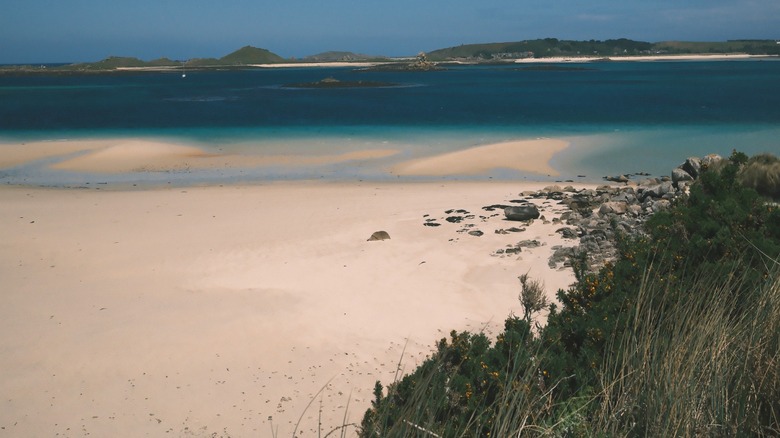
| Isles of Scilly | Cornwall, England | Ferry (Penzance), Helicopter, or Skybus | Pentle Bay, Tresco Abbey Garden | Subtropical climate micro-zone; island-hopping ferry schedules required. |
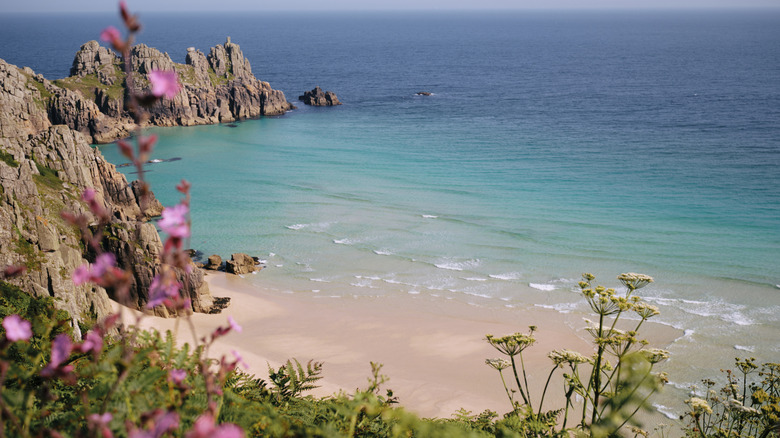
| Pedn Vounder | Cornwall, England | South West Coast Path hike from Porthcurno | Translucent water, granite cliffs | Entirely cut off at high tide; unstable cliff paths due to erosion. |
| Kynance Cove | Cornwall, England | Coastal footpath from Lizard Point | Serpentinite rock stacks, tidal caves | Parking fills rapidly in peak summer; steep descent required. |
| Barafundle Bay | Pembrokeshire, Wales | 0.5-mile walk from Stackpole Estate parking | Limestone cliffs, enclosed pine woodland | No vehicular access; completely pedestrian trail. |
| Achmelvich Bay | Sutherland, Scotland | Single-track Highland roads | Quartz-rich white sand, sheltered bay | Popular for kayaking and camping; limited local amenities. |
| Camusdarach Beach | Highlands, Scotland | Local roads / Hiking trails via Silver Sands of Morar | Views toward the Isle of Skye | Close to Mallaig ferry terminal for island connections. |
The Micro-Climates of the British South
While Scottish locations like Achmelvich and Harris lean into wild, dramatic isolation, England’s southwestern tip enjoys distinct meteorological advantages. The Isles of Scilly and the rugged coastlines of Cornwall benefit from the warming influence of the Gulf Stream.
This oceanic current creates a distinct micro-climate where frost is rare and exotic flora thrives. On Tresco, one of the Scilly Isles, the famed Abbey Garden supports over 20,000 plant species from across the Southern Hemisphere—including South Africa, Australia, and South America—thriving entirely outdoors alongside native white-sand beaches and colonies of wild Atlantic grey seals.
Official Statements & Expert Perspectives
Tourism authorities, environmental scientists, and conservation agencies maintain a delicate balancing act: promoting the economic benefits of domestic tourism while aggressively protecting vulnerable coastal ecosystems from over-tourism.
Dr. Aris Thorne, Coastal Geomorphologist and Lecturer in Marine Landscapes, notes the fragility of these environments:
"The visual similarity to tropical regions is a trick of light and mineral composition, but the underlying ecosystems are deeply sensitive to human footfall. The machair grasslands behind Scottish beaches like Luskentyre and the fragile dune systems of Pedn Vounder cannot sustain the foot traffic of traditional resort destinations. When visitors bypass local safety warnings—such as attempting to outrun incoming tides at Pedn Vounder—they not only risk their lives, but they accelerate dune erosion that has taken millennia to stabilize."
Representatives from VisitScotland and the National Trust have increasingly emphasized sustainable travel frameworks:
"Our message to international and domestic travelers alike is clear: these landscapes are breathtaking precisely because they remain wild. We encourage visitors to embrace slow travel—utilizing bicycles, walking the South West Coast Path, and respecting local infrastructure like the famous Cornish ‘honesty boxes’ where local producers leave fresh apple juice and fudge unattended on roadside stands. True luxury in these regions is found in their preservation, not in commercial over-development."
Future Outlook: Sustainable Tourism and the Modern Explorer
As global warming alters traditional Mediterranean travel patterns—with summer heatwaves driving tourists away from traditional hotspots in Spain, Italy, and Greece—destinations in the United Kingdom are experiencing a structural shift in seasonal travel demand.
The Rise of "Coolcations"
Travel industry analysts note a surging preference for "coolcations," where vacationers prioritize moderate temperatures, clean air, and uncrowded natural landscapes over scorching equatorial heat. Britain’s "Caribbean-style" beaches are uniquely positioned to capture this demographic. However, the infrastructure challenge remains critical.
Infrastructure and Preservation Challenges
- Transportation Bottlenecks: Many of these locations rely on single-track roads (such as the approach to Luskentyre or Achmelvich). Increased vehicular traffic risks gridlocking rural communities and blocking emergency access routes. Future policy discussions center on park-and-ride expansions and incentivizing e-bike rentals.
- Visitor Management and Leave-No-Trace Ethics: With remote beaches lacking public restrooms, waste disposal facilities, and lifeguard services, local councils are implementing stricter parking controls and educational campaigns to combat littering and unauthorized wild camping.
- Climate Resilience: Rising sea levels and increased storm frequency threaten the delicate sand dunes and cliff paths of Cornwall and Pembrokeshire. Long-term coastal management strategies will require significant investment in natural breakwaters and controlled visitor access points to prevent irreversible habitat degradation.
Conclusion
The illusion of the Caribbean in the British Isles is more than a clever travel cliché; it is a testament to the staggering geological diversity tucked into the corners of Britain’s coastline. Whether navigating the turquoise channels of the Isles of Scilly, cycling past the blinding quartz sands of Harris, or descending the granite cliffs to Pedn Vounder, the traveler is reminded that paradise does not require a passport to the tropics. It simply requires a willingness to embrace the wild, the remote, and the refreshingly bracing elements of the British sea.