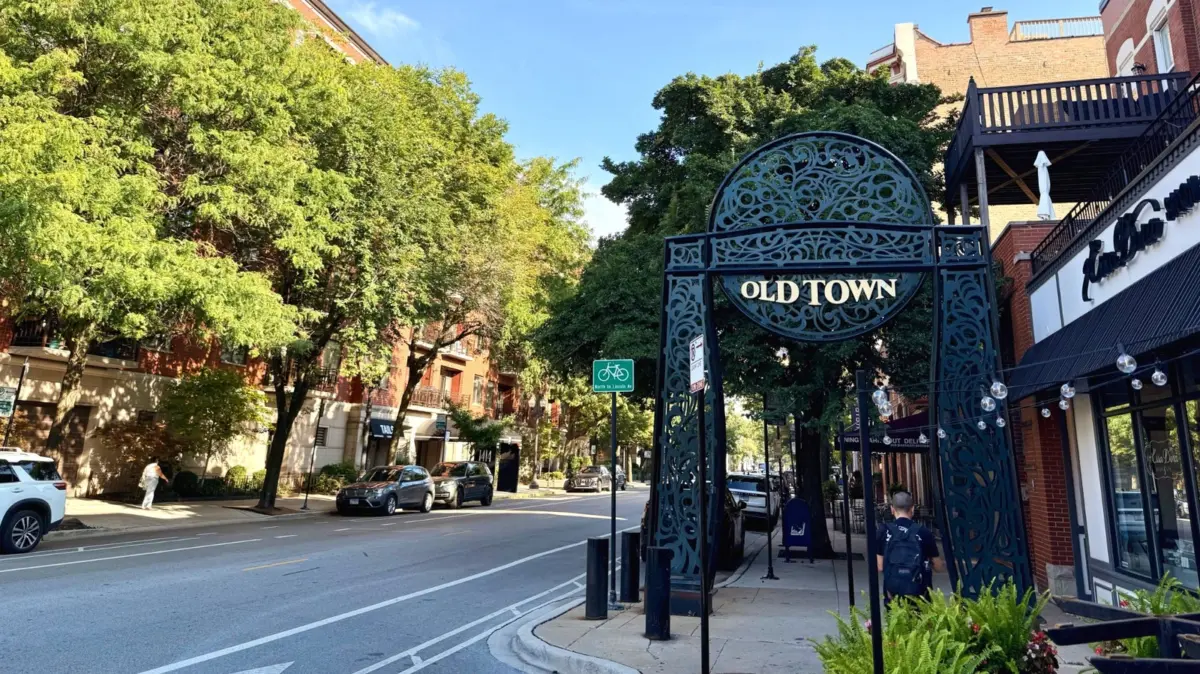
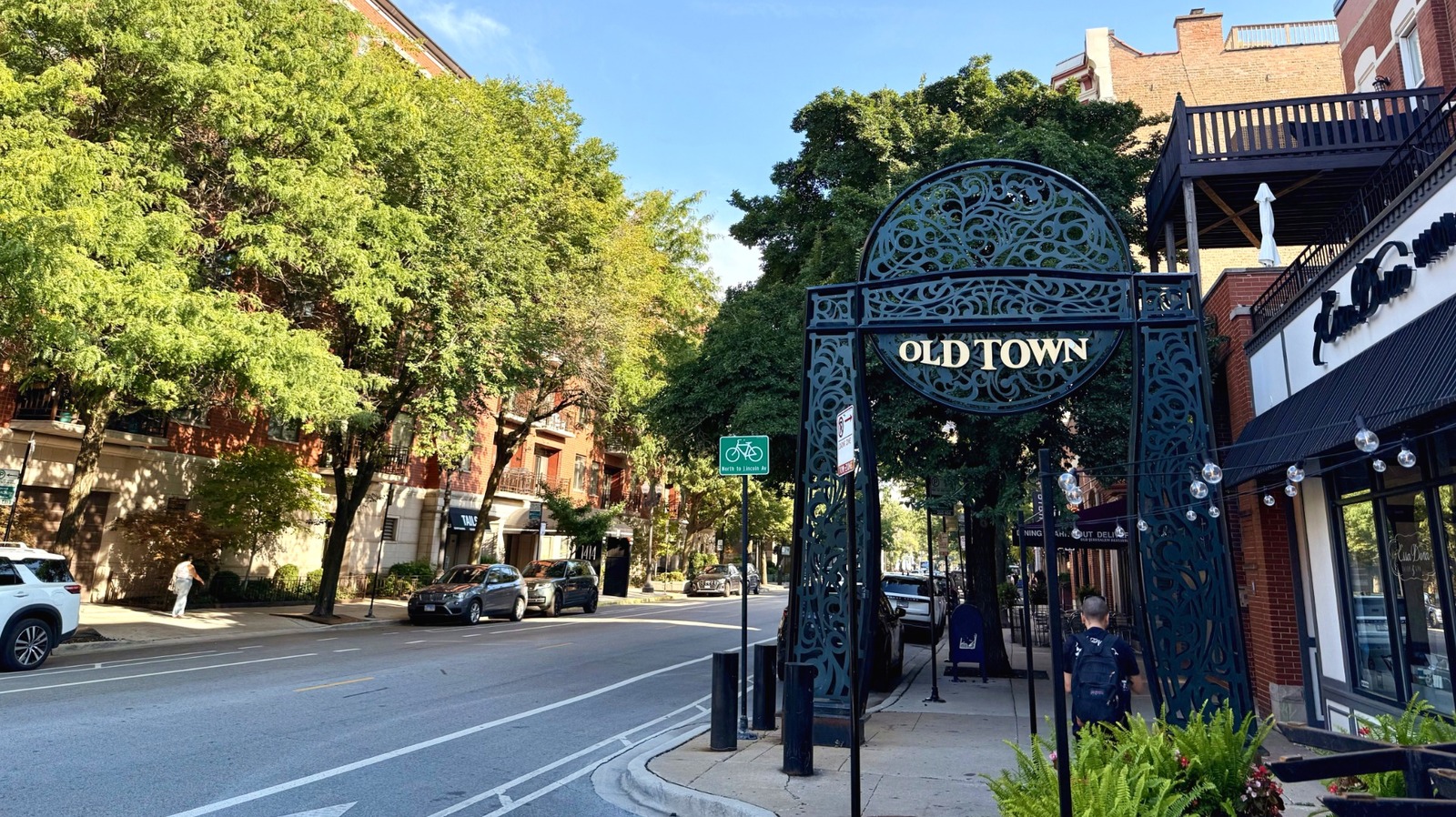
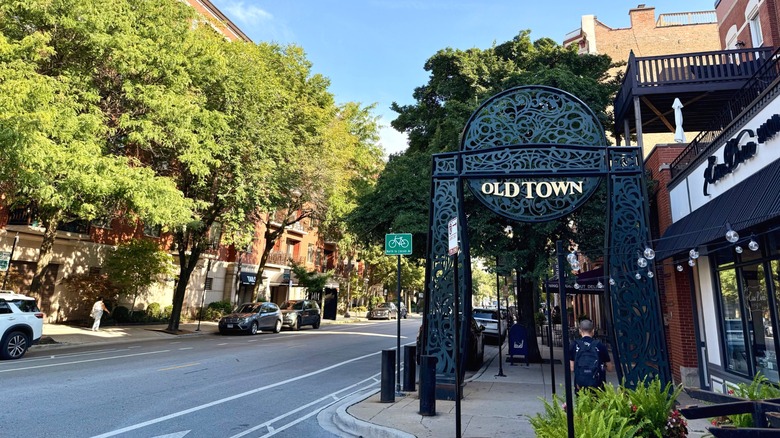
For travelers weary of the standard metropolitan itinerary—glossy skyscrapers, congested commercial avenues, and predictable tourist traps—Chicago offers an antidote tucked neatly just north of the Loop. Old Town, a neighborhood defined by its rich architectural lineage, cobblestone pathways, and fierce dedication to independent commerce, presents an alternative vision of the Midwestern metropolis. Boasting an exceptional Walk Score of 97, this historic enclave invites visitors to abandon their vehicles entirely, exchanging the stress of urban traffic for the intimate pace of tree-lined streets and human-scaled storefronts.
Originally moving to the neighborhood sight unseen, long-term residents and local guides quickly discover that Old Town operates as a patchwork of historic preservation and contemporary counterculture. Victorian-era homes stand shoulder-to-shoulder with modern culinary hot spots, while century-old institutions share sidewalks with progressive, avant-garde comedy clubs. This comprehensive journalistic itinerary and neighborhood blueprint explores how to spend a definitive day and night in Chicago’s Old Town, moving beyond surface-level sightseeing to uncover the cultural heartbeat of one of the city’s most enduring communities.
Detailed Chronology: A Perfect Day in Old Town
To truly understand the rhythm of Old Town, one must experience its transformation from a quiet Saturday morning marketplace into a high-energy nocturnal playground. The following chronological blueprint charts an ideal path through the neighborhood’s evolving landscape.
Morning: Markets, Historic Architecture, and Brunch
The ideal Old Town weekend begins early, long before the crowds descend upon the main commercial arteries.
7:00 AM – 12:00 PM | The Division Street Farmers Market: Operating seasonally from May through October, this weekly market serves as the communal anchor for residents. Situated on Division Street, the market provides an intimate venue for engaging directly with regional growers. Arriving early is essential to secure the freshest seasonal fruits, artisanal baked goods, and small-batch pantry staples before the midday rush fills the aisles.
9:30 AM | Brunch on North Wells Street: Once the morning market has been thoroughly explored, a short walk leads directly to North Wells Street, the commercial spine of the neighborhood. Culinary options here span decades of tradition and modern innovation:
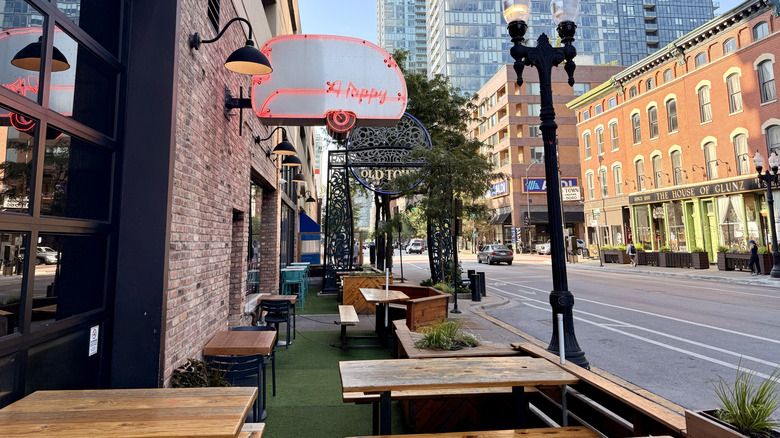
Happy Camper: For travelers seeking a high-energy, boozy introduction to the day, this vibrant venue pairs bottomless mimosas and weekend morning events with exceptional artisan pizzas, with standout pies like the Nadene and the Lance.
Nookies: Operating as a foundational neighborhood institution for over half a century, Nookies offers an authentic, unpretentious diner experience characterized by enormous portions, comforting classic breakfast plates, and an endless stream of freshly brewed coffee.
Wells Street Kitchen and Juice: For those operating on a tighter schedule, this modern spot delivers quick, revitalizing juices and grab-and-go morning bites.
Mid-Day: History and Independent Retail
With the morning meal settled, the afternoon invites slow, unstructured wandering through Old Town’s historical and commercial corridors.
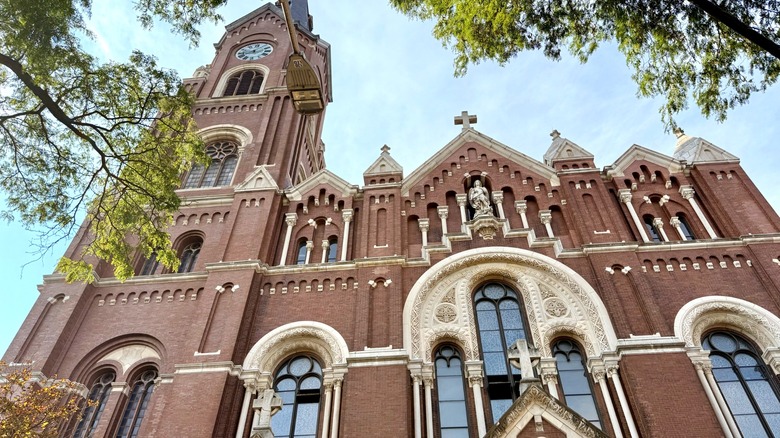
11:30 AM | St. Michael Catholic Church: Architecture enthusiasts will find one of the city’s most resilient landmarks nestled within the neighborhood. Erected in the late 1860s to serve the area’s burgeoning German Catholic immigrant population, St. Michael Catholic Church stands as a monumental testament to survival. Its soaring Gothic-revival structure famously withstood the devastation of the 1871 Great Chicago Fire, which flattened much of the surrounding territory. Stepping past its heavy wooden doors offers a quiet sanctuary and a tangible connection to nineteenth-century craftsmanship.
12:30 PM | Browsing North Wells Street Boutiques: Old Town fiercely resists corporate homogenization, favoring independent merchants over multinational chains. A stroll down North Wells yields an eclectic mix of specialized shops:
Judy Maxwell Home: A whimsical boutique founded by Shameless star Joan Cusack, offering eccentric home goods and the occasional celebrity sighting.
Slant of Light Books: A subterranean literary haven that hosts community-focused events, author readings, and carefully curated independent publishing.
Old Town Oil & The Spice House: Culinary destinations where shoppers can sample small-batch olive oils, balsamic vinegars, and globally sourced, freshly ground spices.
Green Inc. & Old Town Gardens: Essential stops for plant lovers, offering everything from interior foliage and spring herb starts to autumnal pumpkins and winter evergreens.
Afternoon: Caffeine, Cocktails, and Casual Pints
As the afternoon sun begins to dip, Old Town offers diverse spaces for productivity, relaxation, or historical immersion.
2:30 PM | Afternoon Refuel:
For remote professionals seeking a workspace, Kapej Coffee Roasters on North Sedgwick pairs exceptional single-origin coffee with robust bagel sandwiches.
For those ready to transition to daylight drinking, Utopian Tailgate provides panoramic neighborhood views and an eccentric, playful atmosphere.
History buffs seeking a legendary watering hole can walk the literal footsteps of Anthony Bourdain by stepping into the Old Town Ale House, a remarkably preserved tavern that has defined neighborhood grit for generations. Alternatively, the intimate speakeasy Caché, tucked just beneath North Wells, offers artfully crafted cocktails in a hushed setting.
Evening: High-End Dining and World-Class Comedy
When evening arrives, Old Town sheds its quiet afternoon persona, transforming into one of Chicago’s premier dining and entertainment destinations.
6:30 PM | Dinner Reservations: Securing a table ahead of time is strongly advised for the neighborhood’s premier culinary spots:
Gavroche: An intimate, high-end French bistro known for its sophisticated, limited-seating dining room and inventive seasonal menus.
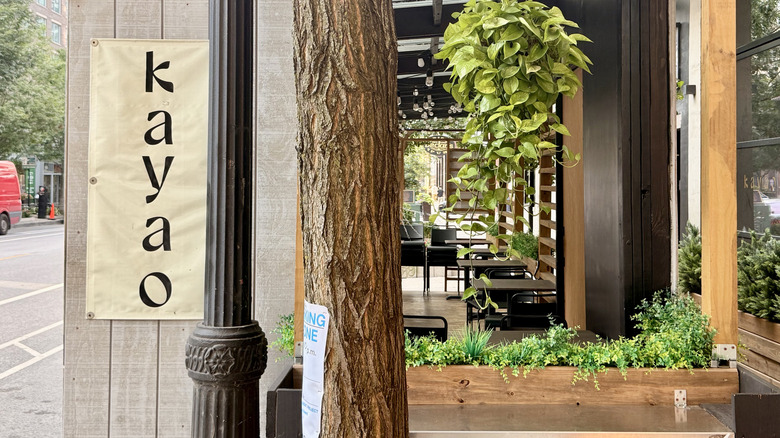
Kayao: A vibrant venue championing contemporary Peruvian fusion cuisine in a stylish, energetic space.
Orso’s vs. Topo Gigio: Two competing Italian powerhouses that anchor the local dining scene. Orso’s frequently edges ahead for weekend visitors thanks to its charming live weekend pianist and unique culinary creations, such as jalapeño gnocchi with vodka sauce.
Alternative Options:Nepal House for authentic Himalayan fare, Kamehachi for premier sushi, and Twin Anchors—Frank Sinatra’s legendary subterranean haunt—for classic Chicago barbecue.
8:30 PM | The Comedy Capital of the Country: Chicago’s global reputation as a crucible for improvisational and sketch comedy finds its epicenter right here.
The Second City: The world-famous comedy institution has launched the careers of generations of comedic royalty, including Tina Fey, Amy Poehler, Steve Carell, John Belushi, and countless Saturday Night Live cast members. Attending a show here carries the distinct thrill of watching tomorrow’s television stars refine their craft on an intimate stage.
Zanies Comedy Club: Located just down the block, Zanies offers a classic, close-up showroom experience spotlighting rising national headliners and local stand-up talent.
Night: Vibrant Nightlife
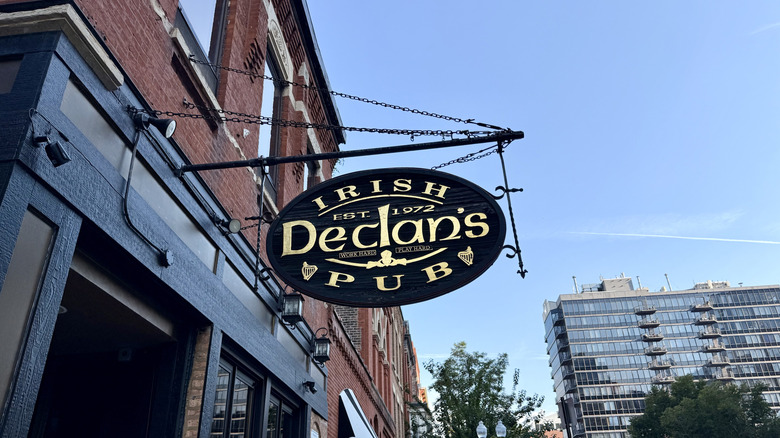
10:30 PM | Late-Night Venues: As the comedy shows let out, North Wells Street pulses with energy. Visitors can slide into Burton’s Place for an unpretentious neighborhood vibe, grab a pint of Guinness and watch international sports at Declan’s Irish Pub, or dance the night away at Benchmark or the upper-level Blue Leopard lounge. For those willing to venture a few blocks south into the Gold Coast, legendary late-night staples like Hangge-Uppe, Butch McGuire’s, and the clandestine rum bar Sparrow await.
To understand Old Town’s unique appeal to both residents and travelers, it is helpful to examine the urban planning metrics and historical milestones that shape the district.
Urban Mobility and Walkability
Walk Score: 97/100 ("Walker’s Paradise"). Daily errands and leisure activities do not require a car; virtually all dining, retail, and entertainment options sit within a 10-to-15-minute walking radius.
Transit Access: Served directly by the CTA Brown and Purple rapid transit lines (via the Sedgwick and Chicago stations) as well as multiple major bus routes (such as the #11, #37, and #72), providing seamless connection to downtown and neighboring districts like Lincoln Park and the Gold Coast.
Historical Preservation Landmarks
The Great Chicago Fire (1871): While the fire incinerated over 3.3 square miles of Chicago, the northern perimeter of the disaster zone stopped near Old Town. St. Michael Catholic Church remains one of the sole surviving institutional testaments to pre-fire Chicago architecture.
The Old Town Triangle Historic District: Designated as a Chicago Landmark district in 1978, this section preserves winding, irregular street patterns established before the city’s standard grid system was universally applied, featuring rare examples of mid-to-late 19th-century Victorian cottages and coach houses.
Official Statements & Local Insights
Local business owners, neighborhood historians, and resident guides consistently emphasize that Old Town’s greatest asset is its resistance to homogenization.
"When newcomers move to Chicago, they often default to the heavily commercialized stretches of the Loop or River North," notes community housing and neighborhood consultant Marcus Vance. "Old Town offers a psychological break from that. Because the footprint is protected by historic zoning and an active neighborhood association, the mom-and-pop shops haven’t been entirely swallowed by fast-fashion chains. You are walking past storefronts that have generational roots."
Hospitality analysts note that neighborhoods with high Walk Scores and preserved historical districts consistently outperform standard commercial zones in visitor retention. Travelers spend more time engaging with local merchants when the physical environment encourages pedestrian exploration rather than vehicular transit.
Future Outlook: Evolution and Preservation
Looking ahead, Old Town faces the delicate urban planning challenge familiar to many high-demand historic neighborhoods: balancing modernization with historic preservation.
Recent commercial developments, such as the upcoming Rest + Recreation concept on North Wells, signal that the neighborhood continues to attract innovative culinary and hospitality entrepreneurs. At the same time, municipal protections overseen by the Commission on Chicago Landmarks ensure that the distinctive Victorian facades, wrought-iron fences, and narrow cobblestone alleys of the Old Town Triangle will remain untouched by high-rise development.
For travelers planning an upcoming excursion to Illinois, Old Town represents a masterclass in urban neighborhood design. By prioritizing pedestrian access, supporting independent commerce, and honoring its 19th-century roots, this historic enclave proves that Chicago’s most compelling stories are often found off the beaten tourist path, waiting quietly beneath the leafy canopy of a residential side street.