While the commercial electric vehicle (EV) landscape in the United States remains largely stalled—characterized primarily by heavy-duty truck manufacturers lobbying to roll back state and local emissions mandates—Europe is hurtling toward a zero-emission logistics future. This divergence in momentum is further compounded by economic pressures; with US diesel prices surging past $6.00 per gallon, the financial viability of internal combustion engine (ICE) fleets is rapidly deteriorating.
In stark contrast, Europe’s push toward sustainable commercial transit is structurally codified within the European Union’s forward-looking climate regulations and backed by enthusiastic public support. This dynamic is on full display as more than 700 exhibitors converge on Hannover, Germany, for the upcoming IAA Transportation show. Showcasing an extensive array of heavy-duty tractors, medium-duty work trucks, and nimble urban delivery vans, the event highlights a maturing ecosystem where electric commercial transport is no longer an experimental niche, but a rapidly scaling industrial powerhouse.
From legacy European automotive giants and aggressive Chinese market entrants to Tesla’s highly anticipated European Semi debut, the 2026 IAA Transportation exhibition serves as a watershed moment for global logistics.
Detailed Chronology: Innovations at the 2026 IAA Transportation Show
Opening its doors on September 15, 2026, the Hannover exhibition halls reflect a sector undergoing radical restructuring. The evolution of zero-emission transit has compressed decades of automotive engineering into rapid, iterative product rollouts.
Pre-Show Momentum and Regulatory Calls
Ahead of the official opening, Hildegard Müller, President of the German Association of the Automotive Industry (VDA), addressed the media to underscore the tenacity of the European logistics sector. Drawing attention to both the sector’s economic importance and the regulatory frameworks governing it, Müller framed the commercial vehicle industry as the backbone of European commerce. She issued a direct call to policymakers in Berlin and Brussels to secure the infrastructure investments required for an accelerated alternatively powered fleet transition.
Heavy-Duty Tractors: Legacy Brands Meet Global Challengers
Heavy-duty transport—long considered the final frontier for electrification due to payload and range constraints—is experiencing an unprecedented influx of competition. Traditional European mainstays including Daimler, MAN, Volvo, and Renault Trucks are presenting their latest heavy-duty electric tractors, optimized for long-haul and regional distribution.
Notably, Ford Otosan—Ford’s heavy commercial vehicle joint venture based in Turkey—is bringing its XXL electric truck lineup to Hannover for the first time. Having debuted its electric 19- and 26-ton F-Line E models in Lyon in late 2025, the brand is positioning itself as a major contender in the regional distribution sector.
Concurrently, a massive wave of Chinese manufacturers is aggressively expanding into the European market. Sany eTrucks is showcasing its e263 e-tractor, slated for commercial availability in Germany starting next June, alongside an expanded catalog of three- and four-axle electric trucks designed explicitly for European regulatory standards.
Other Chinese heavyweights making waves in Hannover include Sinotruk and SuperPanther, both of which have established production footprints at Steyr Automotive in Steyr, Austria. Meanwhile, Skyworth Auto is capturing headlines with the global unveiling of its heavy-duty Skyworth Z9, featuring advanced Level 4 autonomous driving technology. Additional Asian manufacturers exhibiting include FAW Trucks, Dongfeng, Foton, Farizon, Wisdom Motor, and DeepWay, accompanied by tier-one component giants like CATL, which is debuting commercial vehicle-specific battery innovations.
The Tesla Semi Makes Its European Bow
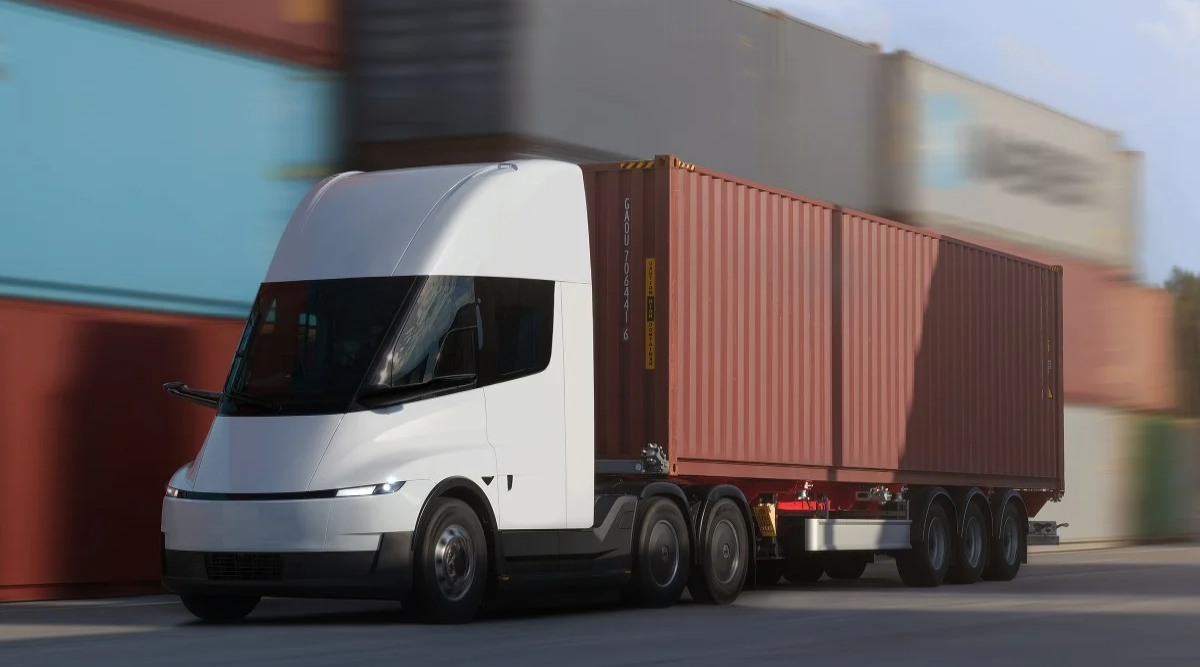
While the broader exhibition floor is packed with heavy-duty innovations, the epicenter of media attention focuses on Tesla, which is utilizing the IAA platform to formally introduce the Tesla Semi to the European market.
While Tesla remains characteristically tight-lipped regarding granular specifications, the European-spec Semi largely mirrors its US counterpart, with targeted modifications to comply with European vehicle classification, weight limits, and safety standards.
Powertrain & Architecture: The European Semi utilizes a tri-motor setup spanning the two rear axles, delivering up to 800 kW of total power. It operates on an 800-volt electrical architecture and supports high-performance charging speeds of up to 800 kW.
Battery & Energy Density: The vehicle relies on a 548 kWh battery pack utilizing Tesla’s proprietary NCMA (Nickel Cobalt Manganese Aluminum) cells.
Range & Efficiency: Tesla estimates a European range of up to 550 kilometers, compared to 523 kilometers for the US variant. Energy consumption is rated at 1.0 kWh/km in Europe versus 1.1 kWh/km in the US.
This discrepancy in efficiency and operational parameters stems directly from structural differences between the two regions:
United States: Classified as a Class 8 truck with a maximum gross vehicle weight rating (GVWR) of 36.3 metric tons (80,000 lbs), operating at highway speeds between 88 km/h and 128 km/h.
Europe: Subject to a maximum GVWR of 40 metric tons, operating on highways restricted to speeds between 80 km/h and 90 km/h.
Furthermore, standard European cargo trailers introduce distinct aerodynamic and mass profiles. To maximize utility, Tesla has chosen to prioritize payload capacity over raw headline range. By equipping the European Semi with a slightly lighter battery configuration, the vehicle achieves a curb weight of 9.1 metric tons and features an electric power take-off rated up to 25 kW. This engineering choice trades incremental distance for heavier payload capacity, recognizing that modern logistics operations demand maximum freight efficiency over excessive range.
The Van Segment: Urban Delivery Electrification
Beyond heavy-duty tractors, the exhibition highlights a massive expansion in light commercial vehicles (LCVs) and medium-duty delivery vans:
Ford Pro: Unveiling the all-new battery-electric Transit City, a cost-efficient urban delivery van starting at a competitive net price of €35,990. It joins Ford’s growing electrified van family, which includes the E-Transit Courier, E-Transit Connect, E-Transit Custom, and the full-size E-Transit.
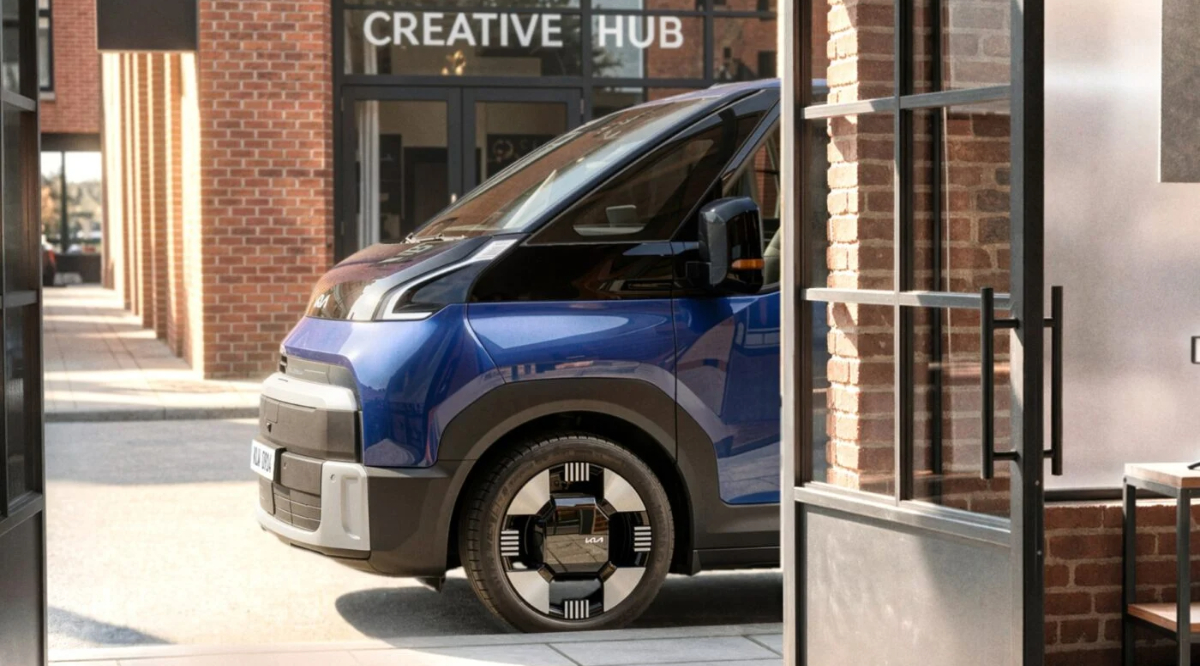
Kia: Showcasing the PV7, a larger multi-purpose commercial van building upon the architecture of the smaller PV5 introduced previously. The PV7 offers expanded cargo volume and modular configurations tailored to diverse commercial fleet requirements.
Stellantis: Debuting the Smart Compact Van, billed as the company’s lowest-priced electric van to date.
Volkswagen Commercial Vehicles: Presenting an autonomous-capable variant of the ID. Buzz, equipped with Level 4 self-driving technology designed for future unmanned urban package delivery.
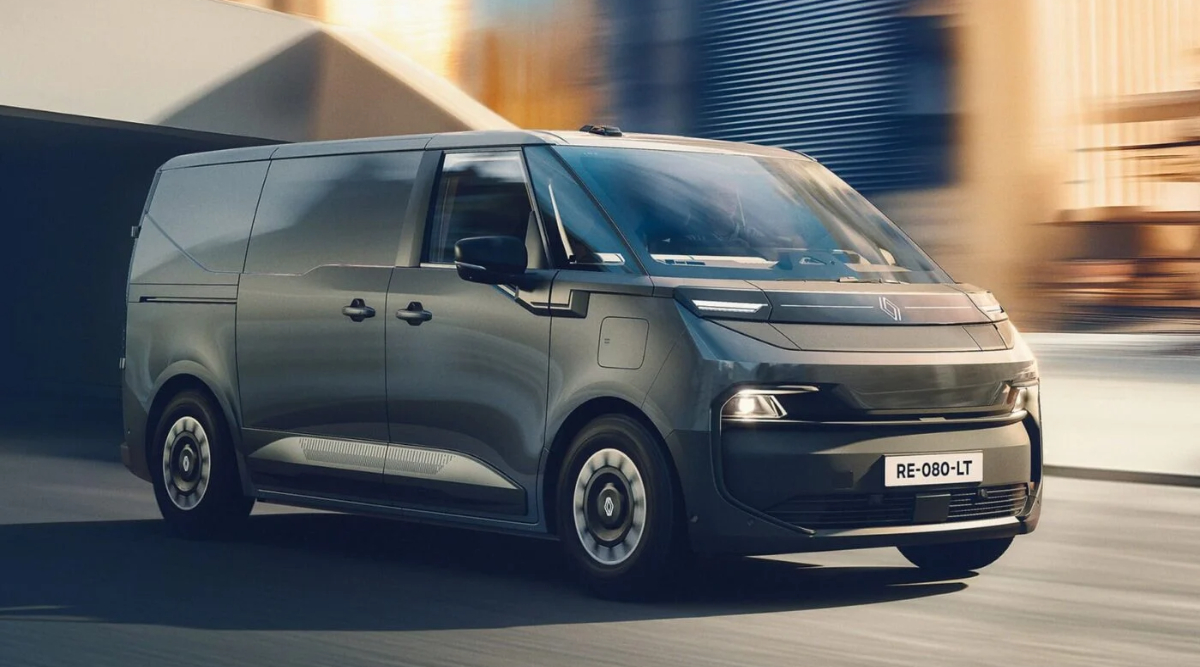
Renault: Highlighting the new Trafic E-Tech, constructed on a dedicated 800-volt platform capable of DC fast charging from 15% to 80% in under 20 minutes, yielding a maximum range of up to 450 km.
Maxus (SAIC): Demonstrating advanced Vehicle-to-Load (V2L), Vehicle-to-Home (V2H), and Vehicle-to-Grid (V2G) capabilities, showcasing how delivery vans can act as mobile power sources for field technicians or stabilize building energy loads during peak demand.
Supporting Context & Metrics
The macroeconomic and structural metrics governing the freight industry underscore why the pivot toward electrification has accelerated:
Metric Category
United States Market
European Union Market
Average Diesel Price
Surpassed $6.00 per gallon
Escalating due to geopolitical disruption
Primary Regulatory Driver
State-level mandates face heavy industry pushback
Codified EU-wide zero-emission mandates
Heavy-Duty GVWR Limits
Up to 36.3 metric tons (80,000 lbs)
Up to 40 metric tons
Highway Speed Restrictions
88 km/h – 128 km/h
80 km/h – 90 km/h
Charging Ecosystem Support
Fragmented; embryonic regional megachredgers
Rapidly expanding EU-backed corridors
For fleet operators calculating overhead down to fractions of a cent per kilometer, the widening gap between surging diesel expenditures and stable electricity pricing creates an undeniable financial imperative. While legacy fossil-fuel interests often dismiss diesel price spikes as temporary aberrations, the structural shift in European logistics suggests that electric commercial vehicles have permanently crossed the threshold of economic viability.
Official Statements
Industry leaders and trade organizations at the pre-show events emphasized that the transition to electric mobility is a cooperative responsibility shared between manufacturers and policymakers.
"The commercial vehicle industry is a powerhouse. It, and the many people working in logistics, keep our country running. The IAA Transportation will showcase the dynamism of our industry. It will once again be a showcase of innovations."
— Hildegard Müller, President of the German Association of the Automotive Industry (VDA)
Highlighting the operational ethos behind its flagship commercial electric truck, Tesla Germany emphasized the synergy between heavy-duty logistics and high-speed charging infrastructure:
"High-performance charging is designed for commercial use: The Semi is engineered to recharge a significant portion of its energy during a short stop at a Tesla Megacharging network station. This keeps the trucks productive and schedules on track. The Tesla Megacharger network comprises ultra-fast charging stations that enable drivers to get back on the road more quickly."
— Tesla Germany Corporate Communications
Reflecting on the design philosophy of the Tesla Semi tailored for European transport corridors, the company noted:
"The Semi was designed from the ground up as an electric truck and is intended to revolutionize freight transport. It is based on Tesla’s expertise in battery technology, electric powertrain, software, and manufacturing to meet the demands of modern logistics."
— Tesla Global Commercial Division
Future Outlook
The prevailing consensus emerging from the 2026 IAA Transportation show is that Europe’s battery-electric commercial vehicle market has evolved past the proof-of-concept stage into a fully realized, highly competitive industrial ecosystem.
As geopolitical tensions continue to introduce volatility into global fossil fuel markets—exemplified by US diesel prices eclipsing $6.00 per gallon—the economic penalty of maintaining diesel-reliant fleets becomes increasingly untenable. Fleet managers across Europe are no longer asking if they should electrify, but how quickly they can integrate zero-emission heavy trucks and urban vans into their operational networks.
While entrenched market dominance is notoriously difficult to displace, the convergence of stringent EU emissions targets, soaring operational costs for combustion engines, and an influx of sophisticated battery-electric alternatives from both domestic European manufacturers and aggressive international entrants signals a point of no return.
For regions lagging behind—most notably the United States, where commercial EV adoption remains mired in regulatory pushback—Europe’s rapid transition serves as both a blueprint and a warning: the future of global logistics is electric, and the window to adapt is closing fast.