









Executive Overview
In the first quarter of 2026 alone, ridesharing giant Uber recorded a staggering 3.6 billion trips globally. While this figure underscores the ubiquity of app-based transportation in modern urban mobility, it also represents an unprecedented volume of human movement—and, inevitably, an astronomical quantity of left-behind personal property. From standard modern necessities like iPhones, wallets, keys, and laptops to bizarre anomalies including a live 75-gallon fish tank, a real toy poodle, and a single Christian Louboutin stiletto, the items left in the backseats of rideshares offer an intimate portrait of contemporary commuter culture.
Uber’s newly published 10th Annual Lost & Found Index serves as an unexpected time capsule of the past decade. The data charts shifting cultural artifacts and consumer habits over a ten-year span: face masks dominated the index in 2021, weight-loss medications like Ozempic made a notable appearance in 2025, and trendy Labubu plushies captured the zeitgeist in 2026.
By mining a decade’s worth of data, Uber’s analytical teams have uncovered fascinating behavioral patterns. For instance, passengers are most likely to misplace their smartphones on a Saturday night, yet paradoxically prone to leaving phone chargers behind on Wednesdays. Red has remained the most prevalent color of forgotten items across the decade, while dental hardware—including veneers, gold grills, and full dentures—surfaces with surprising frequency. Sundays rank as the most hazardous days for personal belongings, a trend researchers dryly attribute to the diminished situational awareness induced by weekend brunch mimosas.

This comprehensive report examines the ten most forgetful U.S. cities of 2026, analyzes the behavioral metrics underpinning rideshare amnesia, and details technological innovations designed to reunite travelers with their missing valuables.
Detailed Chronology and Geographic Breakdown: The Top 10 Most Forgetful U.S. Cities
Analyzing geographic distribution reveals that travel hubs, densely populated tourist destinations, and high-stress transit corridors consistently over-index for lost property. Below is the official ranking of the top ten U.S. cities where Uber riders leave behind the highest volume of belongings.
10. Newark, New Jersey
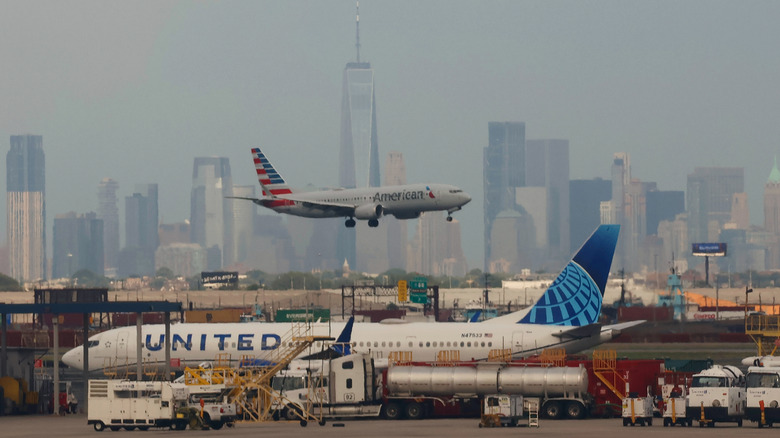
Securing the tenth spot on the index, Newark’s inclusion aligns neatly with its status as a major regional transit bottleneck. Harried travelers wrapping up a New York City vacation frequently hail Ubers to catch flights at Newark Liberty International Airport, which has historically ranked among the most stressful aviation hubs on the U.S. East Coast.
This high-pressure transit environment practically guarantees cognitive overload, leading passengers to abandon idiosyncratic items like "virginity rocks" lanyards, Pokémon Go tracking devices, and taxidermied rabbits upon exiting the vehicle. Beyond the airport, Newark boasts a thriving, diverse artisanal food scene—though visitors are strongly advised not to leave their leftovers in the backseat.

9. Atlanta, Georgia
Home to the world’s busiest airport, Atlanta serves as a massive funnel for tired, distracted travelers navigating complex itineraries. The city’s high placement on the forgetfulness index is heavily driven by this transient population.
Among the more memorable local losses recorded by drivers was a single ticket to see the Atlanta Falcons play, presumably dropped by a heartbroken local fan. Tourists visiting the region are offered a word of caution: while exploring the city’s rich culture, avoid using the controversial term "Hotlanta" when conversing with your local Uber driver—unless you want the only thing you lose to be your dignity.
8. Boston, Massachusetts
Beantown commuters and visitors alike struggle with maintaining custody of their personal belongings. Notably, Boston contributed to a bizarre national trend in 2026: the disappearance of portable breathalyzers in rideshares.
Navigating Boston’s legendary traffic grid can test anyone’s patience. To mitigate both transit headaches and the risk of leaving valuables behind, many travel experts recommend utilizing America’s most reliable subway network (known locally as "The T") for daytime transit, reserving rideshare services strictly for post-midnight trips when public transit winds down.
7. Dallas, Texas
While Texas metropolitan areas—including Austin, Dallas, San Antonio, and Houston—historically dominated the upper tiers of Uber’s lost property lists in past years, Dallas stands alone as the sole Lone Star representative in the 2026 top ten.
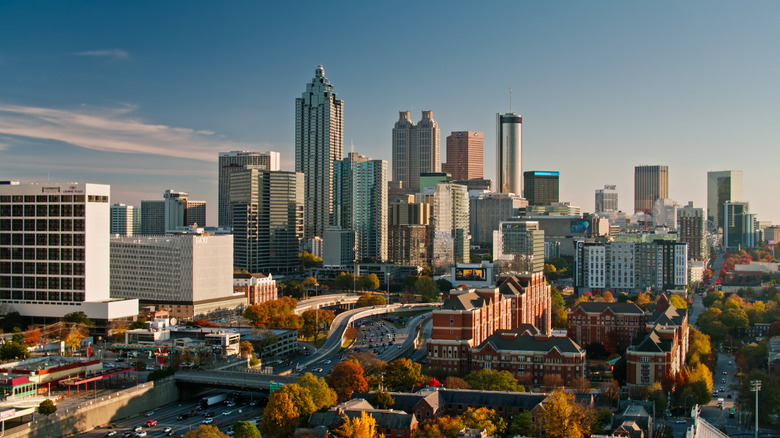
Should a passenger lose their wallet or smartphone in a Dallas Uber, they can take psychological comfort from the high caliber of the local driver network. The city’s rideshare culture is epitomized by heroes like driver Michele Champoux, who made national headlines by pausing a trip to rescue a family from a burning vehicle. While material items may be misplaced, Dallas drivers have demonstrated an extraordinary commitment to public safety.
6. Washington, D.C.
The nation’s capital ranks sixth on the 2026 index, proving that historians, politicians, and tourists exploring the "capital of free museums" are equally susceptible to rideshare amnesia.
Fortunately, recovering lost items in Washington is comparatively gentle on the wallet. Economic studies analyzing global transit costs (such as those conducted by NetCredit) indicate that Washington maintains some of the most affordable Uber fare structures relative to local wages among major U.S. markets. This ensures that booking a return trip to track down a lost device incurs minimal financial pain.

5. Los Angeles, California
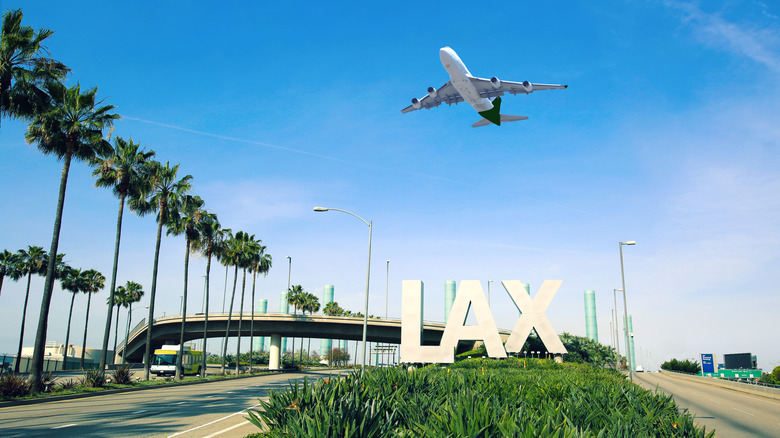
Los Angeles has officially earned the moniker "Lost Angeles" in the context of rideshare statistics. Navigating ground transportation in Southern California is famously complex, particularly around Los Angeles International Airport (LAX).
The LA Board of Airport Commissioners approved structured access fee adjustments for rideshare operators, implementing a $12 fee for central terminal drop-offs and pickups timed with the launch of the LAX Skylink people mover system. Amid the stress of navigating LAX traffic, passengers have been known to abandon eccentric items such as Star Wars lightsabers, canned sardines, and press-on nails in vehicle interiors.
4. San Francisco, California
As the birthplace of the rideshare revolution—where the platform originally launched as UberCab in 2010—San Francisco maintains a foundational connection to the industry. Fast-forward sixteen years, and the city ranks fourth in passenger forgetfulness.
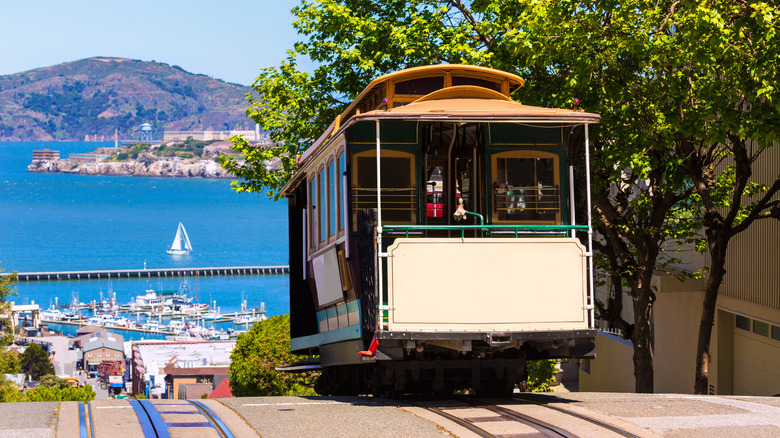
The cognitive distraction of navigating steep hills, cable car tracks, and sweeping bay views contributes heavily to lost belongings. Locals often recommend swapping out continuous vehicle rentals for scenic urban hikes and public transit to keep personal inventory secure.
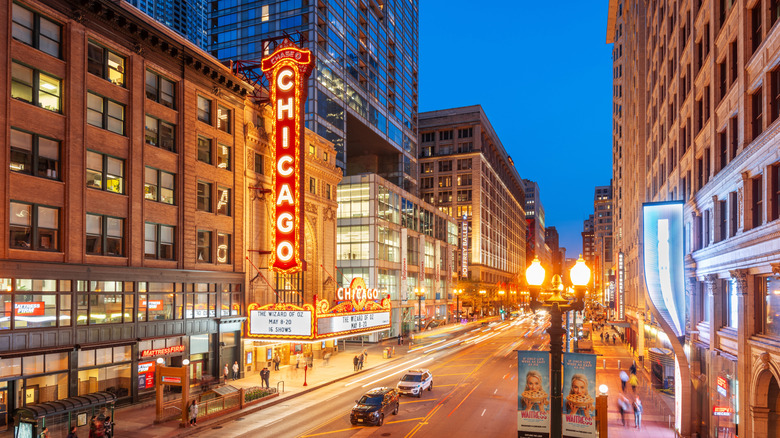
3. Chicago, Illinois
The Windy City secures the third position on the index. Chicago’s rideshare history is punctuated by acts of profound honesty that mitigate the frustration of lost property.
In a celebrated local incident, Uber driver Jose Figueroa recovered a forgotten wallet containing $3,000 in cash—the entirety of a Ukrainian immigrant’s savings after selling his overseas business—and drove all the way back to the passenger’s suburban home to return it. Such exemplary integrity serves as a comforting benchmark for anyone unfortunate enough to leave valuables behind in the Midwest metropolis.

2. Miami, Florida
Miami’s status as a premier global vacation destination makes it a natural breeding ground for absent-minded behavior. Uber analysts point out that tourist hotspots consistently over-index on lost property because "when travelers are off-duty, so is their memory."
The inventory of items left behind in Miami Ubers reads like a surrealist shopping list: carrot cakes, Dyson Airwraps, and high-end yoga mats. Visitors heading to South Florida are advised to pair their itinerary planning with short-term memory exercises.
1. New York, New York
Claiming the dubious crown as the most forgetful city in the United States for 2026 is New York City. As the nation’s most visited urban destination for international travelers, the Big Apple is a epicenter for intense "tourist brain" and chronic sleep deprivation among local residents.
While the platform’s data did not pinpoint the exact route where a single red-soled Christian Louboutin stiletto—the kind favored by global superstars like Beyoncé and Zendaya—was discovered, the recovery feels straight out of a modern romantic comedy. One can only hope the unshod owner and her driver achieved a storybook resolution.
Supporting Context and Metrics: The Science of Rideshare Amnesia
To fully understand why millions of passengers routinely abandon their possessions, data scientists evaluate temporal and psychological triggers. The 10th Annual Lost & Found Index highlights several persistent behavioral metrics:
- Temporal Vulnerabilities: Smartphones are most frequently abandoned on Saturday nights, coinciding with peak nightlife and social engagement. Conversely, phone chargers are most commonly left behind on Wednesdays, pointing toward mid-week corporate commuting fatigue and frantic mobile device usage between office meetings.
- The Weekend Effect: Sundays represent the highest-risk window for lost property across the entire week. Industry analysts attribute this spike directly to weekend leisure activities, noting that Sunday brunch mimosas do little to enhance situational awareness.
- A Decade of Material Culture: The evolution of lost items serves as an informal sociological study. Disposable face masks dominated the 2021 data peak; pharmaceutical products like Ozempic captured the health-conscious zeitgeist of 2025; and viral collectible toys like Labubu plushies defined the forgotten inventory of 2026.
- Chromatic Consistency: Across ten consecutive years of data collection, red has consistently remained the most common color classification for forgotten items, indicating that high-visibility hues paradoxically blend into vehicle interior upholstery.
Official Statements and Technological Solutions
Responding to the logistical headache of recovered property, Uber has expanded its technological infrastructure to streamline item retrieval. Historically, recovering a lost item required navigating in-app customer support menus, placing calls to drivers, and coordinating drop-off windows—a process fraught with communication hurdles.
To address this friction, Uber has rolled out an innovative feature in select regional markets allowing users to request a dedicated trip with their original driver specifically to facilitate the return of a lost item. Company leadership plans a nationwide rollout of this return-trip capability by the end of 2026.
"Our goal is to turn moments of panic into seamless resolutions," notes an internal briefing on the 10th Annual Index. "Whether it’s a critical work laptop, a family heirloom, or an unexpected item like a live animal, we are building tools that bridge the gap between passenger distraction and driver accountability."
Future Outlook
As urban populations continue to grow and reliance on app-based micro-mobility and ridesharing expands, the phenomenon of rideshare amnesia is unlikely to abate. The annual Lost & Found Index has evolved from a quirky corporate PR campaign into a respected barometer of modern consumer habits and travel stress.
Looking toward the remainder of the decade, mobility experts anticipate further integration of automated vehicle inventory scans. Emerging computer vision technologies deployed within autonomous and human-driven rideshares may soon alert passengers before they even close the car door that a smartphone, wallet, or designer shoe has been left behind. Until then, travelers across the top ten most forgetful cities will continue to rely on a blend of heightened personal mindfulness, driver honesty, and Uber’s evolving recovery ecosystem to reclaim their wandering belongings.