





Executive Overview
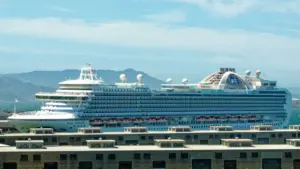
What began as a hopeful pivot to an abbreviated Alaskan itinerary has ended in complete cancellation for guests aboard Royal Caribbean International’s Serenade of the Seas. Stranded in port due to persistent, unresolved technical difficulties, passengers currently onboard were informed that the August 30, 2026, departure has been entirely scrapped. Rather than cruising the waters of the Inside Passage, guests are required to debark the vessel, bringing a swift and frustrating end to their anticipated vacations.
The sudden cancellation marks a grim escalation in a series of mechanical setbacks for the 2,143-guest vessel, which has struggled with recurring technical issues during its Pacific Northwest deployments. While Royal Caribbean has moved swiftly to issue full refunds alongside generous future cruise credits and flight reimbursement packages, the operational failure highlights the vulnerabilities of aging cruise infrastructure. As engineering teams work around the clock in Vancouver, British Columbia, passengers booked on subsequent September departures face an anxious wait, wondering if their vacations will fall victim to the same mechanical ghosts that continue to plague the Radiance-class fleet.
Detailed Chronology of the Operational Disruption
The timeline leading up to the final cancellation of the August 30, 2026, voyage demonstrates the compounding nature of marine engineering challenges and the difficult triage decisions cruise lines must make when attempting to salvage a schedule.
The Initial Delay and Itinerary Truncation
Trouble for the late-summer Alaska deployment first became public when Royal Caribbean notified booked guests of a significant deviation from their travel plans. The voyage, originally slated as a standard 7-night roundtrip cruise departing Vancouver, was initially compressed into a 5-night itinerary.
Instead of visiting the full roster of regional ports, the modified journey was trimmed to stop solely in Ketchikan and Prince Rupert. In a communication sent to passengers on August 22, 2026, the cruise line cited unforeseen technical maintenance that required extended time at the berth in Vancouver.
“Due to necessary maintenance requiring additional time in Vancouver, British Columbia, we will now depart on Tuesday, September 1, 2026, at 9:00 PM,” the initial letter explained, offering a glimmer of hope that the voyage would still proceed in a shortened format.
The Final Pivot: Total Cancellation
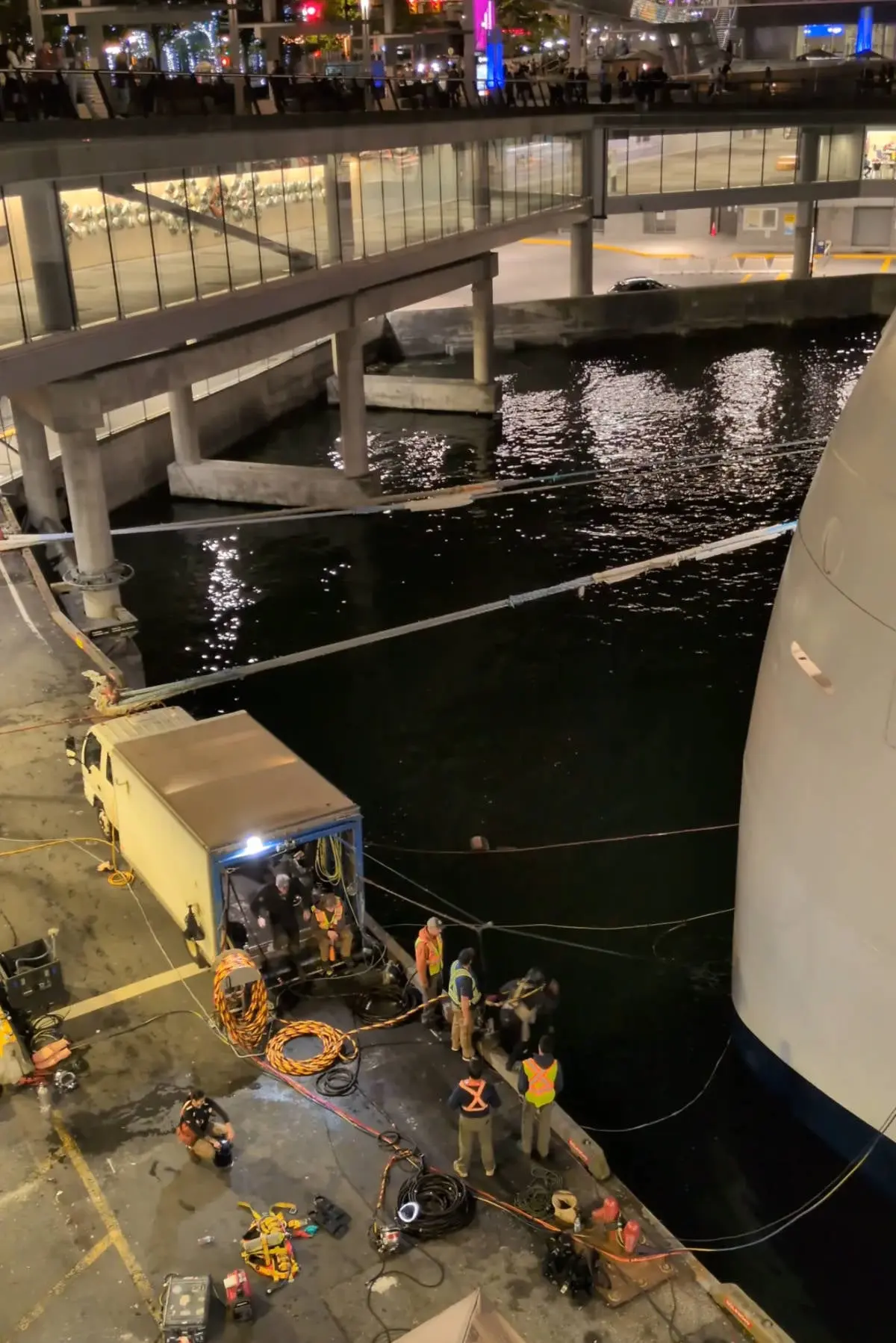
That hope was short-lived. Despite around-the-clock efforts by marine engineers and technical specialists to rectify the underlying issue, the vessel’s systems could not be brought up to the safety and operational standards required for departure.
Realizing that the repairs could not be completed within an acceptable timeframe, Royal Caribbean made the executive decision to pull the plug on the entire sailing. Guests, many of whom had already boarded the ship or arrived in Vancouver ahead of schedule, were informed via a revised letter delivered onboard.
“As you may know, Serenade of the Seas has been experiencing a technical issue. Despite our teams’ around-the-clock efforts to complete the necessary repairs, we were unable to resolve the issue in time for the ship to safely depart. As a result, we must cancel this sailing,” the letter stated.
Passengers were instructed to finalize their departure logistics and debark the ship by 11:59 p.m. on Wednesday, September 2, 2026. The abrupt reversal left travelers grappling with scrambled travel plans, unexpected hotel stays, and the psychological letdown of a derailed vacation.
Supporting Context & Metrics: Fleet Realities and Past Incidents
While Royal Caribbean has officially attributed the disruption to a generalized “technical issue,” maritime experts and seasoned cruisers point toward underlying propulsion system vulnerabilities. Because the ship has remained physically anchored in Vancouver without the ability to safely make way, suspicion naturally falls on the vessel’s azimuth thrusters or main propulsion motors.
A Troubled History in the Last Frontier
This is not an isolated incident for Serenade of the Seas, nor is it unprecedented within its specific class of ships. During the 2025 Alaska season, the vessel suffered repeated mechanical hiccups that forced operational compromises. Multiple summer sailings in June and July of that year were forced to alter itineraries or cancel port calls altogether as engineers instituted speed restrictions to preserve compromised propulsion capabilities.
Furthermore, the mechanical burdens of the Radiance class have been well-documented over recent years. Sister ship Radiance of the Seas endured a notoriously difficult end to its 2023 Alaska season. In late August and early September of that year, Royal Caribbean was forced to outright cancel a prominent sailing due to catastrophic propulsion troubles, leaving thousands of passengers stranded or forced to rebook at the eleventh hour.
Vessel Profile and Deployment Metrics
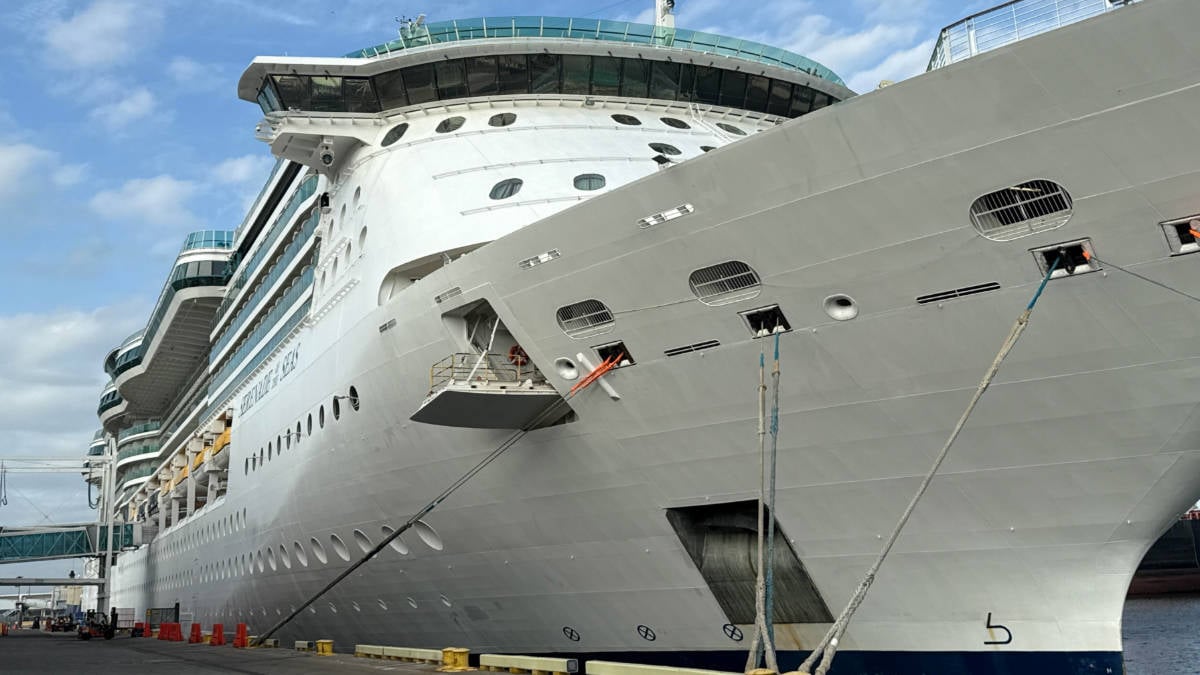
Understanding the scope of these disruptions requires looking at the specifications of the ship itself:
- Class: Radiance Class
- Entering Service: 2003 (making her part of an aging cohort of mid-sized ships)
- Passenger Capacity: 2,143 guests (double occupancy)
- Homeport: Vancouver, British Columbia (for the seasonal Alaska deployment)
- Typical Itineraries: 7-night roundtrip voyages incorporating Sitka, Juneau, Ketchikan, Icy Strait Point, Skagway, Prince Rupert, and scenic glacier viewing corridors.
Because the Radiance-class vessels lack the massive structural redundancy and modern pod designs of Royal Caribbean’s newer Oasis- or Icon-class mega-ships, localized propulsion or engineering failures tend to have an immediate, disproportionate impact on their ability to maintain schedules.
Official Statements and Passenger Compensation
The human cost of a cruise cancellation is immense, encompassing not only lost leisure time but also non-refundable flights, pre-cruise hotel bookings, and emotional exhaustion. In an effort to mitigate the backlash and maintain brand loyalty, Royal Caribbean has rolled out a comprehensive compensation package for the impacted travelers.
Financial Remediation and Future Cruise Credits
Guests booked on the cancelled August 30 sailing will receive:
- A Full Refund: A 100% refund of all fares paid, processed back to the original form of payment.
- Future Cruise Credit (FCC): An additional 100% Future Cruise Credit equal to the value of the original cruise fare. This credit can be applied toward any future Royal Caribbean sailing across any ship and in any global region, provided the new cruise departs within one year of issue.
Travel Logistics and Expense Reimbursement
Recognizing that many passengers traveled internationally or across North America to reach Vancouver, Royal Caribbean has instituted targeted expense reimbursements to offset the logistical nightmare of unravelling travel arrangements:
- Flight Change Fees: Reimbursement up to $200 USD per guest for domestic flight modifications, and up to $400 USD per guest for international flight changes.
- Connectivity Support: To ensure guests could efficiently contact airlines, hotels, and family members while still onboard, the cruise line provided complimentary Wi-Fi access throughout the debarkation process.
The Passenger Perspective
Despite the financial safeguards, the emotional toll on passengers remains high. Social media channels and dedicated cruise forums have erupted with frustration. Writing in a prominent Facebook tracking group for the voyage, one stranded guest voiced a common sentiment:
“Frustrating to be on this cruise! Disappointed as they likely knew this would be the outcome, more time to figure out options would have been nice!”
The critique touches on a sensitive nerve in the cruise community: the fine line between exhausting every possible repair avenue and keeping passengers in limbo while an inevitable cancellation looms.
Future Outlook: What Lies Ahead for Serenade of the Seas?
As Serenade of the Seas sits quietly at her berth in Vancouver, attention immediately shifts to the remainder of the ship’s 2026 Alaska deployment. The timeline is razor-thin.
Remaining Sailings Under Scrutiny
With the summer season drawing to a close, only three scheduled departures remain on the vessel’s Alaska calendar:
- September 6, 2026
- September 13, 2026
- September 20, 2026
As of this writing, Royal Caribbean has not officially altered or cancelled the September 6 departure. However, the viability of that cruise—and the subsequent two sailings—hangs entirely on the speed and efficacy of the ongoing repairs in Vancouver. If dry-dock intervention or specialized parts replacement cannot be completed swiftly, the cruise line may be forced to wipe out additional segments of the season.
Industry Implications
For Royal Caribbean, the situation underscores the mounting operational pressures facing older hardware in remote deployment regions. While mega-ships in the Caribbean benefit from proximate shipyard availability and redundant engineering systems, regional ships operating in the Pacific Northwest face geographical isolation when major mechanical overhauls are required.
Booked guests scheduled on the remaining September departures of Serenade of the Seas are strongly advised to monitor their emails closely, maintain open communication with their travel advisors, and refrain from finalizing unchangeable travel arrangements until Royal Caribbean issues definitive updates regarding the ship’s seaworthiness.