






Executive Overview
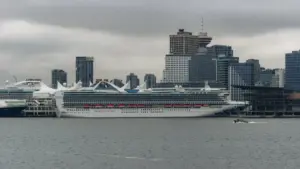
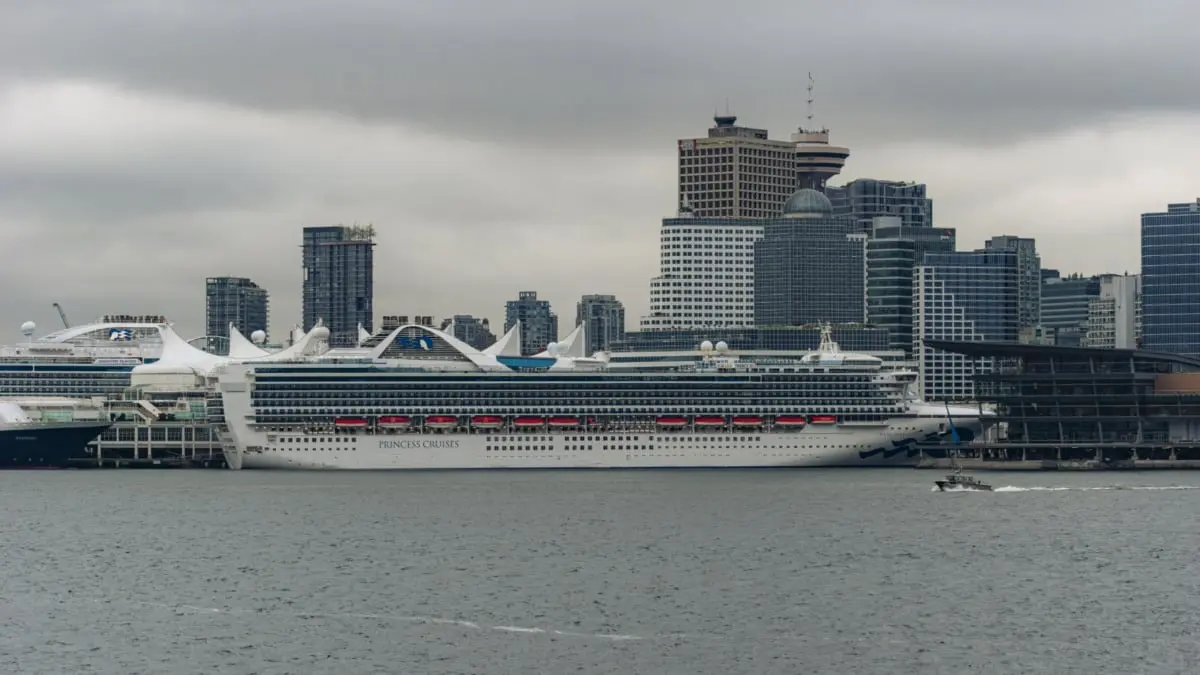
The Port of Vancouver has officially brought down the curtain on what can only be described as a watershed year for its maritime tourism sector. In the early morning hours of October 13, 2026, Norwegian Cruise Line’s Norwegian Encore slipped away from the berths of the Canada Place terminal, embarking on a six-night Pacific Coast voyage. This departure did more than simply conclude another autumn turn-around; it marked the definitive final entry in a record-shattering 2026 cruise season that has fundamentally redefined the scale, operational capacity, and economic footprint of cruise tourism on Canada’s Pacific coast.
Long-range forecasting by port authorities and industry analysts had pointed toward a robust year, but the final tallies surpassed even the most optimistic projections set out earlier in the spring. Propelled by an insatiable global appetite for northern voyages—particularly the famed Alaska cruise corridor—Vancouver cemented its status as a premier global maritime hub.
According to official data released by the Vancouver Fraser Port Authority (VFPA), the terminal experienced a staggering double-digit percentage surge across nearly all performance indicators compared to the previous year. Between the official season kickoff in February and the final sailings in October, Canada Place handled nearly 1.4 million passenger movements and accommodated 358 individual cruise ship calls.
Beyond sheer volume, 2026 was a year of qualitative firsts. The port welcomed maiden visits from some of the world’s most talked-about luxury and contemporary vessels, managed its largest-ever ship by gross tonnage, and re-engineered its physical and technological infrastructure to process record crowds with unprecedented efficiency. Crucially, this operational triumph translated into a massive financial windfall for the local economy, officially injecting more than C$1 billion into businesses throughout the Greater Vancouver area. As the maritime community looks ahead, the port’s leadership is wasting no time resting on its laurels, already laying the groundwork for further technological and infrastructural expansions slated for the 2027 season and beyond.
Detailed Chronology: From Spring Projections to the Autumn Finale
The narrative of Vancouver’s monumental 2026 season was written in phases, beginning months before the first gangway was lowered.
The Spring Genesis
Anticipation had been building since February 2026, when industry trackers and port analysts began publicizing preliminary passenger surge forecasts. These early reports correctly identified that pent-up demand for experiential travel, combined with the strategic positioning of Vancouver as the primary southern or northern anchor for Alaska itineraries, would push local infrastructure to new limits. The port administration went into the season fully aware that logistics would dictate success or failure.
The Summer Peak and Milestone Arrivals
As the season gathered momentum through the late spring and sun-drenched summer months, Canada Place operated at a relentless cadence. Multiple ships frequently occupied berths simultaneously, turning the downtown waterfront into a dynamic maritime theater.
The season was punctuated by several high-profile vessel debuts that underscored Vancouver’s diverse appeal to different market segments. Virgin Voyages made waves with the regional arrival of its stylish, adults-only vessel Brilliant Lady, bringing a fresh demographic to the local terminal. Simultaneously, the ultra-luxury sector was bolstered by the Ritz-Carlton Yacht Collection’s Luminara, offering an elevated, boutique cruising experience. Families and Disney aficionados also celebrated as the beloved Disney Magic made its inaugural visits to the port, offering magical Pacific Northwest and Alaska itineraries.
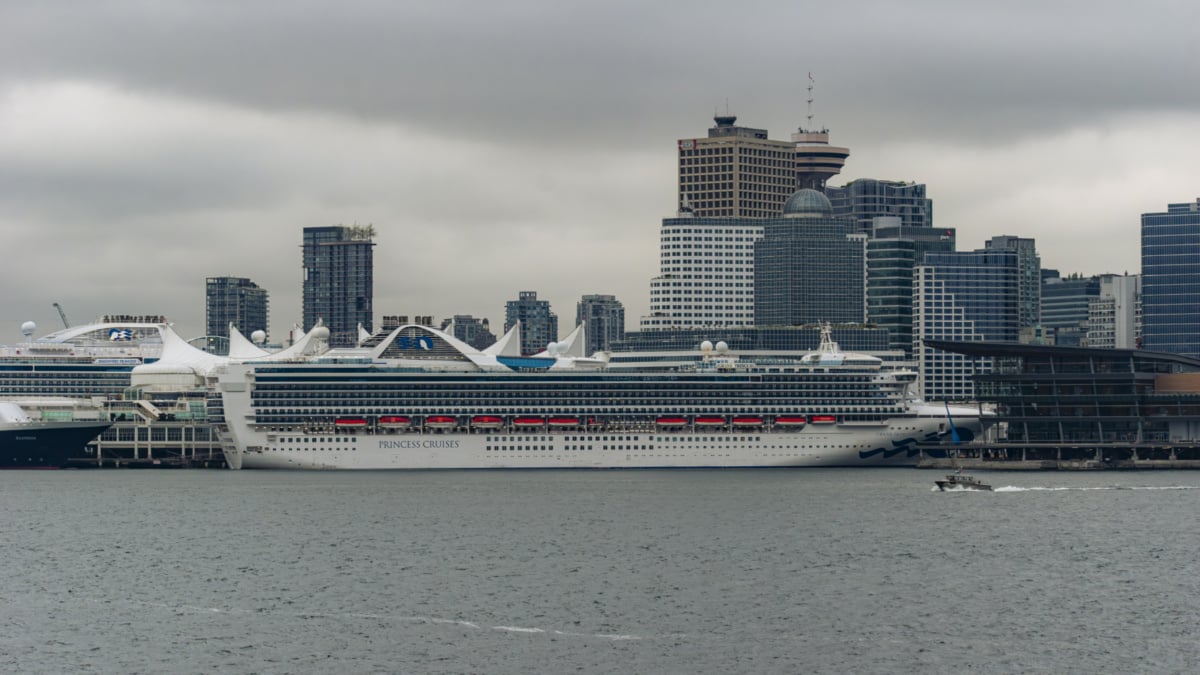
Yet, the crowning maritime achievement of the season occurred on September 27, 2026. On this crisp autumn morning, Princess Cruises’ colossal Star Princess maneuvered into the harbor. Boasting an astonishing 177,882 gross tons, the vessel’s arrival etched a new milestone in Vancouver’s history books. Star Princess proudly claimed the title of the largest cruise ship, by gross tonnage, ever to dock at Canada Place, visually demonstrating the port’s capacity to handle the modern era of mega-ships.
The October Swan Song
As autumn weather rolled into the Pacific Northwest, the season began its methodical wind-down. The final weeks saw ships repositioning southward toward warmer climes or embarking on specialized Pacific Coast coastal cruises. The symbolic bookend arrived on October 13, 2026. When Norwegian Encore cast off its lines in the early morning twilight, it brought an official close to an eight-month marathon of arrivals, departures, baggage handlers, customs officials, and thrilled travelers.
Supporting Context & Metrics: The Anatomy of a Record-Breaking Year
When examining the quantitative backbone of Vancouver’s 2026 season, the scale of growth becomes vividly apparent. The Vancouver Fraser Port Authority’s year-end metrics illustrate a sector operating at peak performance and experiencing explosive post-pandemic normalization and expansion.
Passenger Movements and Vessel Calls
For the February-to-October operating window, the port recorded:
- Total Passenger Movements: Nearly 1.4 million. This represents a robust 18% increase over the 1.2 million passenger visits recorded during the 2025 season.
- Total Cruise Ship Calls: 358 individual vessel visits. This marks a 19% increase compared to the 300 ship calls logged in 2025.
When combined, these metrics reflect an aggregate year-over-year operational surge of nearly 20% across Canada Place’s cruise infrastructure. To accommodate this influx without gridlock required a masterclass in port logistics, coordination with federal border agencies, and aggressive technological modernization.
The Billion-Dollar Economic Engine
The tangible benefits of this maritime boom extended far beyond the immediate perimeter of the cruise terminal. The VFPA confirmed that the 2026 cruise season generated an economic impact exceeding C$1 billion for the local and provincial economy. This monumental figure is the result of direct and indirect expenditures, including port fees, fuel bunkering, provisioning, local transport, maintenance contracts, and the heavy patronage of hospitality businesses.
Crucially, this economic vitality is deeply tied to visitor behavior. According to the most recent Cruise Passenger Survey conducted by the Pacific Rim Cruise Association, cruise travelers are increasingly treating Vancouver as an immersive destination rather than a mere transit point.
- Extended Stays: An impressive 76% of all cruise passengers reported extending their vacation by spending additional nights in Vancouver either before or after their sailing.
- Duration: On average, these travelers lingered in the city for 1.4 nights.
- Direct Spend: Each passenger spent an average of C$1,144 out-of-pocket on local hotels, fine dining, retail shopping, guided tours, and regional attractions.
This extended-stay phenomenon has turned cruise tourism into a critical driver for Vancouver’s hoteliers, restaurateurs, and tour operators, ensuring that the economic ripple effects are distributed widely across the urban landscape.
Official Statements and Industry Perspective
The historic nature of the 2026 season prompted reflections from key figures within the regional maritime leadership, who emphasized both the financial achievements and the strategic vision guiding the port’s operations.
Reflecting on the milestone figures, Jeff Scott, Vice President of Operations and Supply Chain at the Vancouver Fraser Port Authority, released a statement capturing the sentiment of the local maritime community:
“We are thrilled to celebrate another successful cruise season, with more than C$1 billion injected into the local economy as cruise lines and passengers increasingly make Vancouver a core part of their Alaska adventure.”
Scott’s remarks point to the core competitive advantage that Vancouver holds: its irreplaceable geographical positioning as the premier gateway to the Great Land. However, port executives are acutely aware that volume brings vulnerability. Without continuous modernization, rapid processing capabilities, and environmental foresight, surging passenger numbers can easily translate into congestion and diminished visitor satisfaction. Consequently, the financial successes of 2026 are already being funneled back into strategic infrastructure improvements designed to fortify the passenger experience.
Future Outlook: Preparing for the 2027 Season
Even as the final gangways were stowed and the terminal prepared for its winter hibernation, planning for the 2027 season was already well underway at the Vancouver Fraser Port Authority. The port’s leadership refuses to view the 2026 records as a ceiling, treating them instead as a new baseline for future operational excellence.
Technological Innovations and Operational Efficiency
A major catalyst for the port’s recent success has been its willingness to embrace cutting-edge terminal technology. Port officials heavily credit the successful 2024 rollout of facial biometric scanning technology for transforming terminal throughput. By integrating facial recognition systems into the embarkation and debarkation processes, the port drastically reduced administrative bottlenecks. Throughout the 2026 season, the average passenger embarkation time remained securely under 30 minutes—a remarkable feat for a facility handling thousands of travelers daily.
Infrastructure Expansion for 2027
Building on this technological foundation, the Vancouver Fraser Port Authority has announced a series of strategic capital investments slated to break ground or reach completion in the coming months ahead of the 2027 season:
- Shore Power Expansion: In alignment with global maritime decarbonization goals and the port’s commitment to sustainable shipping, work is scheduled to begin shortly to significantly expand shore power capacity at Canada Place. This infrastructure allows docked cruise ships to shut down their auxiliary diesel engines and plug into local hydroelectric grids, dramatically reducing local emissions and noise pollution while in port.
- Terminal Accessibility Enhancements: To ease passenger navigation and improve the flow of heavy luggage through multi-level terminal spaces, brand-new, high-capacity elevators are currently being installed throughout Canada Place. These upgrades are designed to streamline mobility for families, elderly travelers, and individuals with accessibility needs, ensuring a seamless transition from curbside drop-off to shipboard embarkation.
As the maritime world pivots its gaze toward the horizon, Vancouver stands as a shining example of how a major urban port can successfully harmonize soaring global demand, technological innovation, and localized economic stewardship. With its sights firmly set on the 2027 season, the Port of Vancouver has proven that its golden age of cruise tourism is not a fleeting anomaly, but a sustainable, expanding cornerstone of the Pacific Northwest economy.