










Executive Overview
For decades, the standard narrative of American retirement pointed resolutely toward the Southeast. Sun-drenched peninsulas, palm trees, state income tax exemptions, and master-planned golf communities in states like Florida long served as the default destination for seniors closing out their working years. However, a profound demographic and economic shift is underway. Escalating homeowners insurance premiums, the mounting frequency and severity of tropical storms, and a steep rise in the general cost of living have made the Sunshine State a less-than-ideal paradise for many budget-conscious retirees.
Enter a compelling, unexpected alternative: Lynn, Massachusetts.
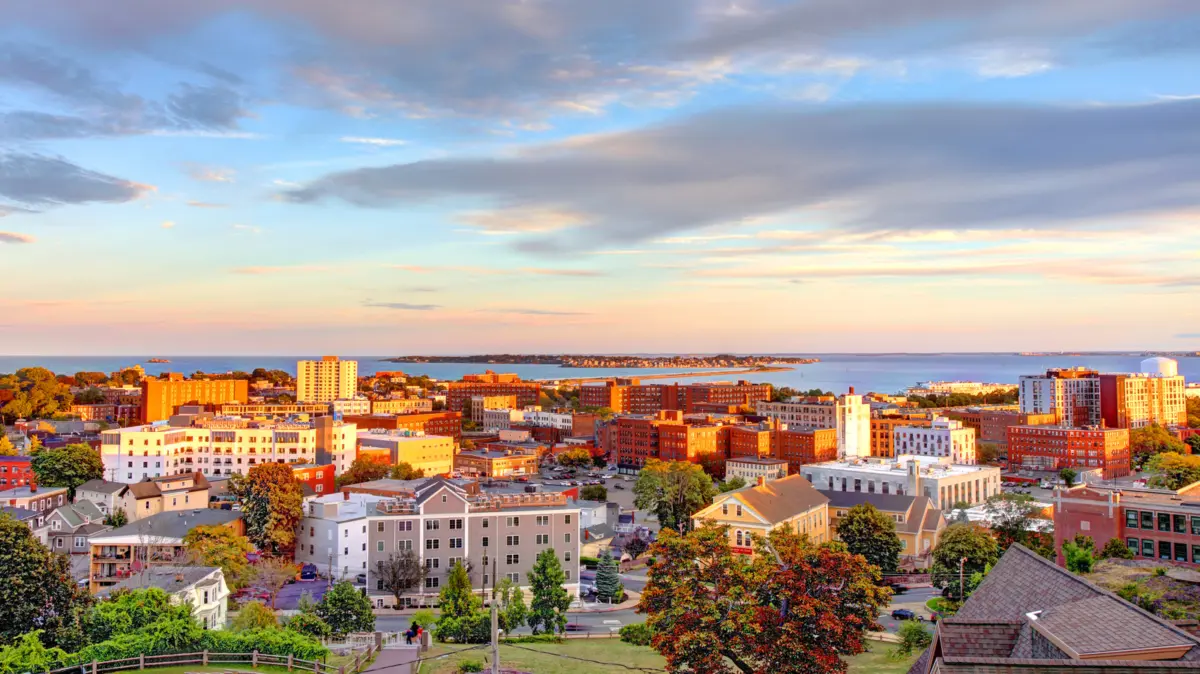
Perched along the dramatic coastline of Essex County with sweeping vistas of Nahant Bay and Broad Sound, Lynn offers a distinctively rich coastal lifestyle without the relentless humidity, hurricane anxiety, or skyrocketing insurance costs plaguing traditional southern hotbeds. Founded in 1629, this historic city blends centuries of American heritage with a burgeoning arts scene, lush public parks, and a surprisingly accessible real estate market relative to the broader Bay State. While it requires trading mild southern winters for classic, brisk New England seasons, Lynn presents a refreshing, authentic blueprint for retirees seeking coastal charm, cultural vibrancy, and financial pragmatism.
Detailed Chronology: From Colonial Footprints to a Modern Cultural Hub
To understand Lynn’s current renaissance, one must examine its deep roots in American history. Established just nine years after the arrival of the Mayflower, Lynn stands as one of the oldest municipalities in the Commonwealth of Massachusetts and the United States.
The Era of Industrial Innovation
During its early centuries, Lynn evolved from a quiet colonial settlement into a powerhouse of American manufacturing. By the 19th century, the city had earned renown as a premier global hub for the shoe-making industry. This industrial backbone infused the city with a gritty, industrious spirit and catalyzed rapid infrastructure growth, drawing waves of immigrants and craftsmen who shaped its diverse architectural and cultural landscape.
As the shoe industry eventually gave way to modern manufacturing and technological innovation—including aerospace developments—the physical landscape of Lynn transformed. Abandoned brick warehouses and mill buildings began a second life as artist lofts, cultural galleries, and community spaces.
The 21st-Century Renaissance
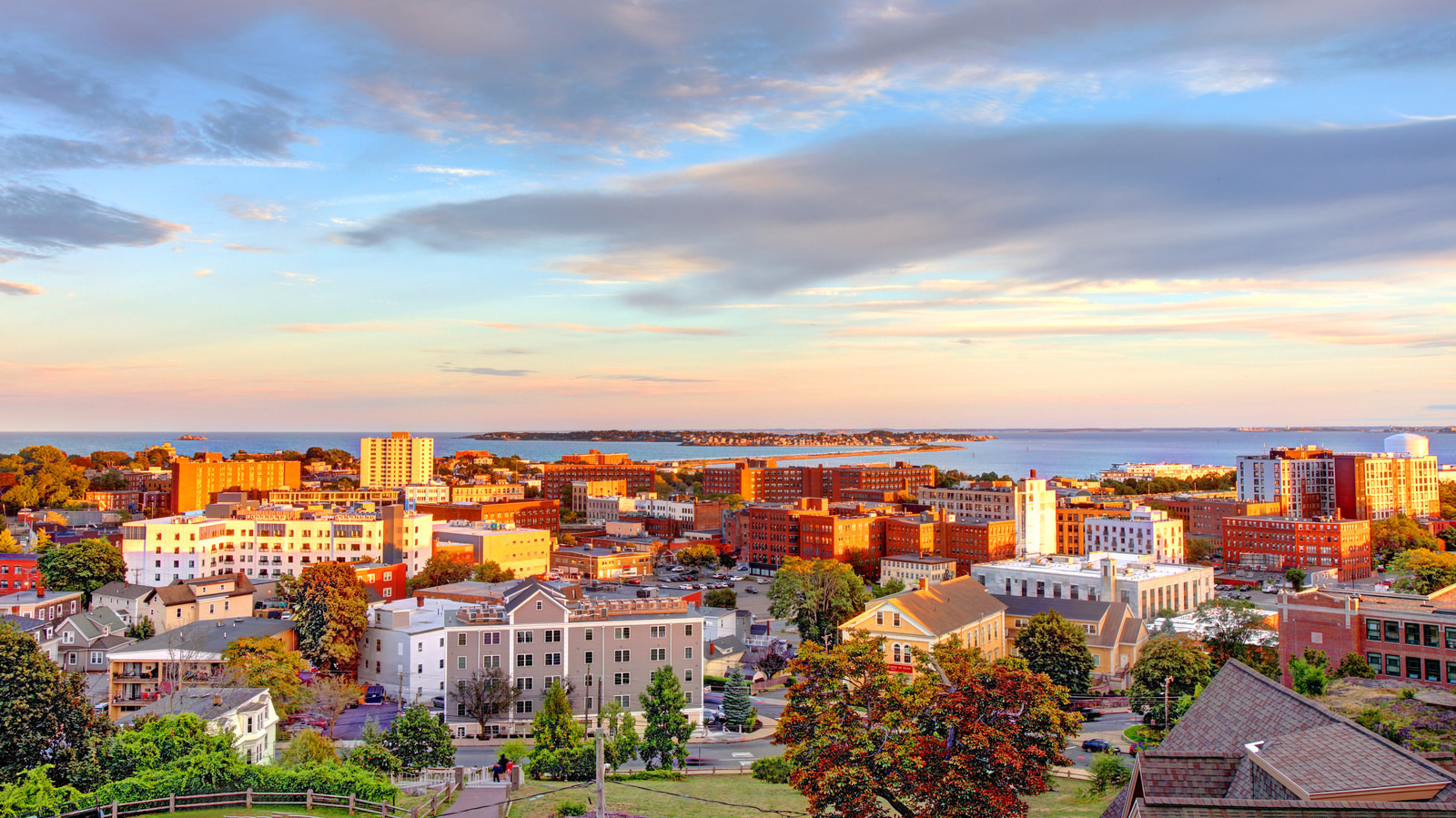
In recent decades, Lynn has successfully pivoted from its manufacturing past into a dynamic cosmopolitan hotspot on the East Coast. City planners, local artists, and civic leaders have collaborated to revitalize public spaces, champion local culinary arts, and celebrate the city’s rich history.

Initiatives like the creation of outdoor mural displays—featuring stunning works crafted from Venetian glass and ceramics—have turned downtown Lynn and its waterfront areas into open-air art galleries. Today, the city reflects a tapestry of old and new: historic Victorian homes and Revolutionary-era markers sit comfortably alongside contemporary cafes, craft breweries, and vibrant public parks, making it an intellectually stimulating and visually captivating environment for retirees who value character over cookie-cutter subdivisions.
Supporting Context & Metrics: Navigating Cost, Climate, and Coastline
Choosing where to spend one’s golden years requires a careful balancing act between lifestyle desires and hard financial metrics. Lynn offers a unique value proposition, especially for those who refuse to compromise on geographic beauty.
Economic Realities and Housing Affordability
Massachusetts is frequently cited as one of the most expensive states in the nation to live comfortably. However, Lynn acts as an economic pressure valve within Essex County.
According to data from Livability, Lynn provides relatively accessible housing options for both renters and home-buyers, alongside reasonable municipal tax rates compared to its hyper-affluent neighbors like Marblehead or Nahant. Real estate analysis from BestPlaces indicates that typical home prices in Lynn run roughly 14% lower than the Massachusetts state average.
Financial planners suggest that single retirees should target an annual income of at least $72,400—derived from pensions, Social Security, and investment portfolios—to live comfortably and securely in the area. While this figure sits above the national median, it represents a remarkable discount for those determined to reside within the Boston metropolitan orbit while enjoying immediate access to the Atlantic Ocean.
Climate and Seasonal Dynamics
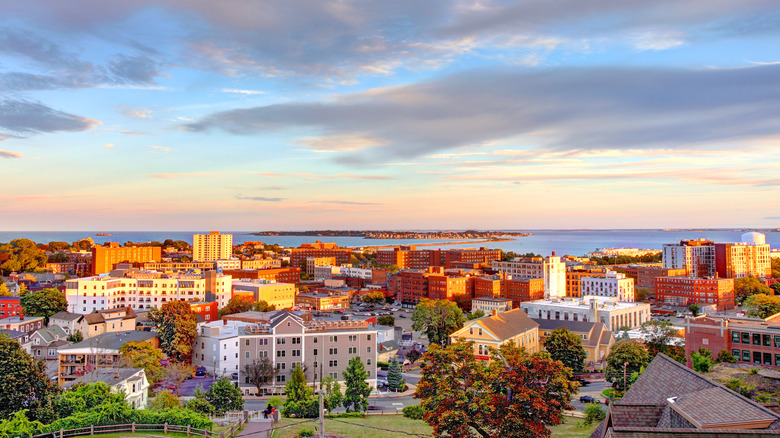
Prospective retirees must weigh Lynn’s seasonal dichotomy. Summers here are celebrated for their comfortable, temperate warmth, mercifully lacking the oppressive, sticky humidity that defines deep-south coastal regions during the peak of the year.
Conversely, winters in New England are notoriously brisk, snowy, and wind-swept. Traditional beach-going days are largely confined to the window between June and September. For active older adults who despise extreme heat, suffer from heat-sensitive medical conditions, or simply relish the atmospheric tranquility of a snow-dusted coastline, Lynn’s four distinct seasons offer a deeply rewarding backdrop. However, those who require year-round tropical warmth will need to look elsewhere.
Coastal Recreation and Parks
When the weather beckons, Lynn’s natural assets rival those of any resort town:
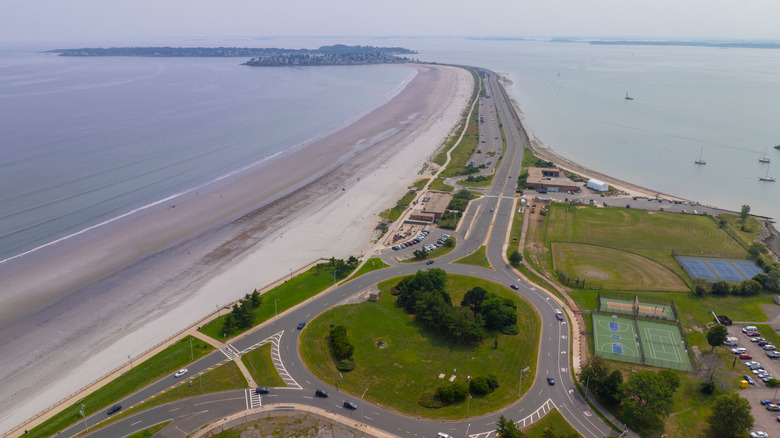
- Nahant Beach Reservation: Located within four miles of the city center, this expansive, protected shoreline offers pristine sand, calm bay waters, and accessible parking for a nominal fee (currently $10 for state residents). It is an idyllic setting for morning walks, swimming, and sunbathing.
- Fisherman’s Beach: Situated nearby, this historic spot features sweeping ocean views, a grassy expanse dotted with commemorative monuments, and a tangible link to the past, including an authentic English cannon dating back to the War of 1812.
- Lynn Heritage State Park: A premier waterfront destination featuring beautifully manicured walking paths, benches, and unhindered views of Lynn Harbor and Massachusetts Bay, complete with bobbing marina boats and maritime breezes.
A Thriving Culinary Scene
Food culture is a vital pillar of the modern Lynn experience. Longtime residents and newcomers alike frequent establishments like the waterfront Tides Restaurant & Pub near Nahant Beach, where patrons can enjoy fresh seafood, artisan pizzas, and lobster rolls. For a taste of classic Americana, the historic Capitol Diner provides an authentic retro experience, serving up oversized portions of homemade comfort food at remarkably budget-friendly prices.
Official Statements and Local Perspectives
Civic leaders and long-term residents alike champion Lynn as a community with grit, authenticity, and profound civic pride. Unlike sanitized, master-planned retirement villages, Lynn offers an organic slice of New England life.
Urban planners and regional housing advocates frequently note that mid-sized coastal cities like Lynn are vital for accommodating retirees who are priced out of Boston proper or affluent Cape Cod communities. In official economic development briefs, city officials emphasize ongoing investments in downtown walkability, green space expansion, and waterfront connectivity.
Local sentiment captured on community forums and neighborhood review platforms underscores this welcoming atmosphere. As one resident thoughtfully observed on Niche:
"It’s not perfect, but it feels real. I like that everything is close by, like the beach, stores, and schools, and there’s always something going on. The people are mostly chill, and you meet all kinds of different backgrounds, which I like."
This blend of multicultural diversity, urban convenience, and seaside access creates a dynamic social fabric that prevents retirement from feeling isolated or stagnant.
Future Outlook: Is Lynn the Next Great Retirement Frontier?
As demographic trends shift and the financial realities of traditional retirement havens become increasingly burdensome, the profile of the American retiree is evolving. Boomers and Gen Xers are placing a higher premium on cultural engagement, walkability, historical depth, and financial sustainability over manufactured sunshine.
Lynn, Massachusetts, is uniquely positioned to capture this shifting tide. While it may not boast the year-round golf carts and palm trees of Naples or Sarasota, it offers something increasingly rare: genuine community character, robust coastal access, rich historical roots, and a comparatively affordable foothold in one of America’s most dynamic regions.
For adventurous retirees willing to trade sunscreen for sweaters during the winter months, Lynn stands out not just as an alternative to Florida, but as an upgrade in authenticity, culture, and financial peace of mind.