







Executive Overview
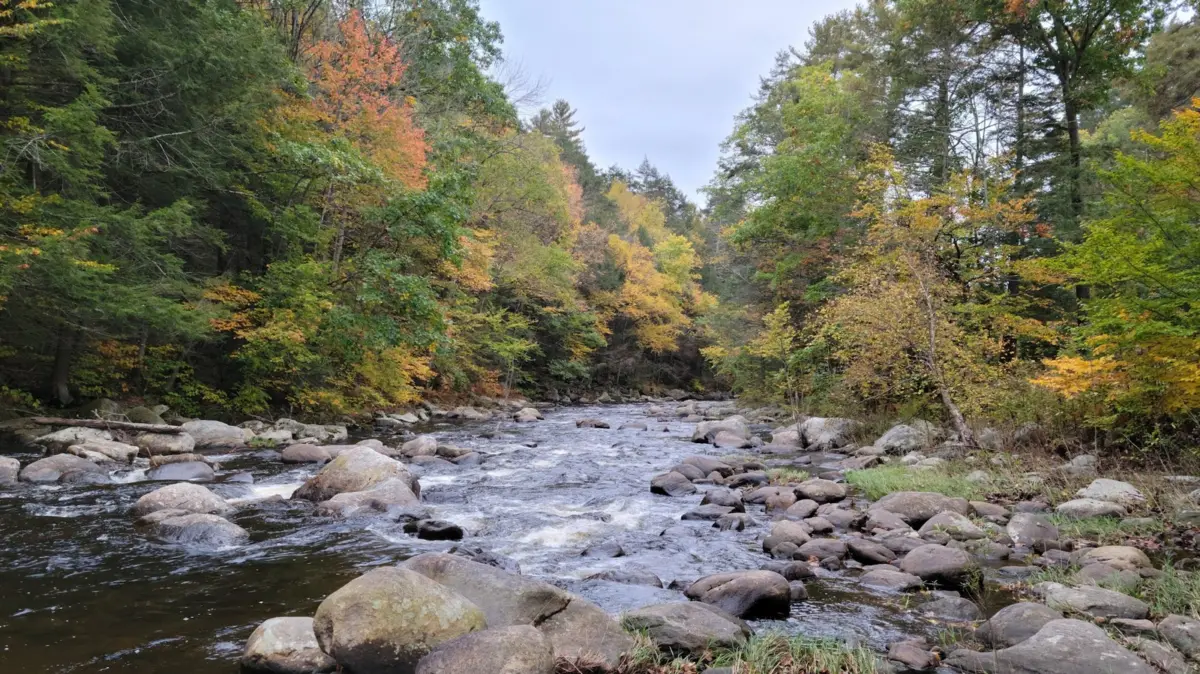
Nestled within the rugged, undulating terrain of the southern Berkshires in western Massachusetts, Sandisfield State Forest represents a masterclass in ecological restoration and public lands management. While the Berkshires are internationally recognized as a premier all-season destination—drawing travelers with summer classical music festivals, world-class theater, and vibrant culinary scenes—it is autumn that casts the most spellbinding transformation over the region. As crisp air sweeps down from the northern latitudes, the dense hardwood canopies ignite into a brilliant mosaic of crimson, amber, and gold, perfectly framed by the ancient ridges of the Appalachian mountain chain.
For travelers seeking an authentic, uncommercialized immersion into New England’s legendary fall foliage, state forests offer an unparalleled refuge from the pressures of modern life. Among the 14 state forests dotting this westernmost corridor of the Commonwealth, Sandisfield State Forest—anchored by the shimmering waters of the 35-acre York Lake—stands out as an exceptional case study in conservation success.
Spanning nearly 10,000 contiguous acres across the tranquil towns of Sandisfield and New Marlborough, this public treasure is strategically positioned within a short drive of major regional hubs. It sits comfortably between Hartford, Connecticut—home to the nation’s oldest public art museum—and Albany, New York, a historic powerhouse rich in cultural institutions. Yet, despite its accessibility, Sandisfield State Forest feels worlds away from urban centers.
This comprehensive report explores the deep historical roots of Sandisfield State Forest, tracing its evolution from depleted agricultural plots abandoned during the early 20th century to a thriving, biodiverse ecosystem shaped by the monumental labor of the Civilian Conservation Corps (CCC). Furthermore, this article provides an exhaustive guide to the forest’s current recreational infrastructure, examining everything from non-motorized water sports on York Lake and premier freshwater fishing opportunities to the easy-going, canopy-draped trails that define the 2.5-mile York Lake Loop. Finally, we analyze the logistical framework, regulatory requirements, and future outlook for managing this vital ecological asset in an era of shifting climatic patterns and rising eco-tourism demand.
Detailed Chronology: From Abandoned Farmland to a New England Sanctuary
To fully appreciate the serene beauty of Sandisfield State Forest today, one must look back at the dramatic landscape-scale transformations that occurred across New England during the 19th and early 20th centuries. The narrative of this land is deeply intertwined with the economic shifts, agricultural trials, and visionary public policy initiatives that reshaped the American landscape following the Great Depression.
The Agricultural Era and Ensuing Abandonment
Long before the establishment of state forests, the rolling hills of Sandisfield and New Marlborough were subjected to intensive human alteration. Following European settlement in the 18th century, colonists cleared vast expanses of the northern hardwood forest—dominated by beech, birch, and maple—to establish pastoral farms and timber operations. Farmers wrestled a living from the rocky, glacial till soils characteristic of the southern Berkshires.
However, the opening of the Erie Canal in 1825, followed rapidly by the westward expansion of the American railroad network in the mid-to-late 1800s, fundamentally disrupted New England agriculture. Fertile, flat Midwestern soils flooded eastern markets with cheaper crops and livestock, rendering hill-farm operations economically unviable. As young laborers migrated westward or sought employment in burgeoning mill towns along regional river valleys, families abandoned their rocky hill farms in droves. By the early decades of the 20th century, thousands of acres of once-cleared agricultural land in western Massachusetts reverted to secondary growth, suffering from soil erosion, unchecked timber harvesting, and a lack of systematic land management.

The Birth of the Commonwealth’s Forestry Vision
Recognizing the environmental degradation and economic vulnerability of these abandoned parcels, the Commonwealth of Massachusetts initiated a proactive land-acquisition program in the 1920s. State foresters and conservationists envisioned a dual-purpose strategy: halting severe soil erosion and watershed degradation while simultaneously creating sustainable timber reserves and public recreational spaces.
The parcels that would eventually comprise Sandisfield State Forest were slowly acquired through tax-title takings and direct purchases from families who could no longer sustain their agrarian holdings. However, the sheer volume of acquired land far outstripped the operational capacity and financial resources of state agencies during the Roaring Twenties—a challenge that was exponentially compounded by the onset of the Great Depression in 1929.
The Roosevelt Administration and the Civilian Conservation Corps (1933)
The turning point for Sandisfield arrived in 1933, shortly after President Franklin D. Roosevelt took office and enacted sweeping New Deal legislation designed to rescue a paralyzed American economy. Central to this recovery effort was the creation of the Civilian Conservation Corps (CCC), a voluntary public work relief program that operated from 1933 to 1942. Specifically targeted at unemployed, unmarried young men from urban areas, the CCC provided housing, food, and a modest wage—a portion of which was routinely sent home to struggling families.
In 1933, a dedicated CCC company was deployed to the newly declared Sandisfield State Forest. Operating from rustic camps, these young men embarked on an ambitious infrastructural and silvicultural campaign that fundamentally reshaped the topography of the region:
- Silvicultural Rehabilitation: Crews meticulously managed the recovering northern hardwood forest. They pruned diseased beech and birch trees, removed invasive species and brush hazards, and planted hundreds of thousands of white pine and red spruce seedlings to stabilize eroded hillsides and diversify the timber stand.
- Engineering York Lake: Recognizing the recreational and hydrological potential of the basin, CCC engineers designed and constructed a dam across a local tributary, transforming a marshy drainage area into the 35-acre man-made water body now known as York Lake. Sitting at an elevation of more than 1,500 feet above sea level, the lake required extensive earthmoving, stone masonry for spillways, and clearing of the basin floor.
- Recreational Infrastructure Development: Anticipating a future where everyday citizens would enjoy greater leisure time and increased automobile mobility, the CCC built the foundational amenities that visitors still utilize today. They graded and paved access roads, constructed a 300-foot sandy beach along York Lake, established formal picnic grounds complete with handcrafted stone and timber grills, and carved out the initial network of pedestrian trails threading through the forest canopy.
Supporting Context & Metrics: Geography, Ecology, and Infrastructure
Sandisfield State Forest occupies a unique ecological and geographical niche. Understanding its metrics reveals why the forest functions as both a vital biological corridor and a premier outdoor recreation destination.
Geographical Framing and Connectivity
The Berkshires constitute the westernmost frontier of Massachusetts, wedged tightly against the borders of Connecticut to the south, New York to the west, and Vermont to the north. As part of the sprawling Appalachian Mountain chain—which stretches uninterrupted from Alabama to Canada—the terrain is characterized by rolling hills, steep ravines, and high-elevation plateaus.
Sandisfield State Forest spans nearly 10,000 acres, bridging the gap between major population and cultural centers. It is located roughly equidistant from:
- Hartford, Connecticut: Approximately 45 miles to the southeast, serving as a gateway for southern visitors seeking escape into the southern Berkshires. Hartford is renowned for cultural landmarks such as the Mark Twain House and America’s oldest public art museum, the Wadsworth Atheneum.
- Albany, New York: Roughly 60 miles to the northwest, providing access from New York’s Capital Region to world-class museums, historic architecture, and pristine natural reserves.
- Bradley International Airport (BDL): Located just across the Connecticut border, this major regional aviation hub receives nonstop flights from across the United States, placing international and domestic travelers within a 40-mile drive of the forest’s New Marlborough boundary.
Ecological Profile and Biodiversity
Ecologically, the forest represents a classic transition zone within the New England mixed-wood forest biome. The canopy is dominated by mature northern hardwoods—primarily American beech (Fagus grandifolia), yellow birch (Betula alleghaniensis), sugar maple (Acer saccharum), and red oak (Quercus rubra)—interspersed with the softwood plantations established by the CCC, featuring eastern white pine (Pinus strobus) and Norway spruce (Picea abies).
This structural diversity provides critical habitat for an array of regional wildlife:
- Avian Species: The forest canopy serves as a vital breeding ground for neotropical migratory songbirds, including the scarlet tanager, black-throated blue warbler, and ovenbird, alongside resident raptors such as the red-tailed hawk and barred owl.
- Mammalian Fauna: White-tailed deer, black bears, red and gray foxes, coyotes, and bobcats routinely traverse the contiguous forest tracts.
- Aquatic Ecosystems: York Lake and its surrounding feeder streams support robust aquatic communities. The Massachusetts Department of Fish and Game regularly stocks the lake with rainbow and brown trout, while self-sustaining populations of largemouth bass (Micropterus salmoides), chain pickerel, and yellow perch thrive in the warmer littoral zones.
Recreational Infrastructure Breakdown
The forest’s infrastructure is intentionally designed to balance high-intensity day-use recreation with rigorous ecological preservation. Key facilities include:
| Facility Feature | Specifications & Description |
|---|---|
| York Lake Water Body | 35-acre man-made impoundment sitting at 1,500+ feet elevation. |
| Day-Use Beach Area | 300-foot sandy shoreline featuring a clearly demarcated, roped-off swimming zone. |
| Boat Launch Facility | Gravel ramp optimized for non-motorized watercraft (canoes, kayaks, stand-up paddleboards, and wind-powered boats). |
| Picnic Grounds | Shaded areas equipped with durable wooden picnic tables, stone-and-iron charcoal grills, and accessible restroom facilities. |
| York Lake Loop Trail | 2.5-mile easy-rated hiking circuit featuring blue blazes, hugging the lake’s perimeter and passing beneath a mature forest canopy. |
Official Statements and Management Perspectives
Managing a multi-thousand-acre public forest in the 21st century requires a delicate balancing act between promoting public access, maintaining aging infrastructure, and adapting to escalating environmental pressures. Officials from the Massachusetts Department of Conservation and Recreation (DCR), alongside regional tourism and conservation stakeholders, have frequently articulated the strategic importance of properties like Sandisfield State Forest.
In recent policy briefs regarding the stewardship of western Massachusetts state forests, DCR forestry experts emphasized the ongoing evolution of historic CCC-era assets:
"The legacy left behind by the Civilian Conservation Corps nearly a century ago is nothing short of foundational for our state forest system. However, modern land stewardship requires us to look beyond historical preservation. We are actively managing these contiguous forest blocks to enhance climate resilience, improve aquatic organism passage in our feeder streams, and upgrade recreational facilities to meet contemporary accessibility standards while preserving the rustic charm that visitors cherish."
Local municipal leaders in New Marlborough and Sandisfield have similarly highlighted the economic and cultural symbiosis between the forest and the surrounding rural communities. A spokesperson for the Southern Berkshire Regional Tourism Council noted:
"Sandisfield State Forest anchors the southern gateway to the Berkshires. It offers a counter-balance to our bustling arts and cultural venues. Visitors can spend the morning touring historic galleries or antique shops in New Marlborough, and the afternoon paddling across the glass-like waters of York Lake or hiking beneath the autumn foliage. This seamless integration of outdoor recreation and rural heritage is the hallmark of the Berkshire experience."
Furthermore, wildlife biologists overseeing the regional fisheries programs have addressed the ecological management of York Lake:
"Stocking programs at York Lake are carefully calibrated to support recreational angling without destabilizing native aquatic food webs. The introduction of warm-water species like largemouth bass alongside stocked trout creates a diversified angling experience. We continuously monitor water temperatures, dissolved oxygen levels, and fishing pressure to ensure the long-term health of the lake’s ecosystem."
Future Outlook: Challenges and Opportunities in the 21st Century
As Sandisfield State Forest approaches its centenary under state ownership, land managers, conservationists, and recreationists face a complex matrix of future challenges and opportunities. Navigating these dynamics will determine whether the forest continues to thrive as an ecological sanctuary and public amenity.
Climate Change and Forest Resiliency
Perhaps the most pressing long-term challenge facing Sandisfield State Forest is anthropogenic climate change. Warming winter temperatures, increasingly erratic precipitation events, and prolonged summer droughts place physiological stress on northern hardwood species.
- Pest and Pathogen Pressures: Warmer climatic baselines facilitate the northward migration of invasive forest pests, such as the emerald ash borer, hemlock woolly adelgid, and spongy moth larvae. DCR foresters are actively implementing adaptive management strategies, including the promotion of diverse tree species cohorts that are more resilient to insect infestations and shifting temperature zones.
- Storm Resilience: Severe convective storms and heavy nor’easters can generate localized windthrow events, disrupting trails and damaging aging infrastructure. Future capital investments will prioritize hardening park access roads, upgrading culverts to withstand flash flooding, and reinforcing storm-drainage systems around the York Lake day-use area.
Balancing Eco-Tourism Growth with Conservation
The post-pandemic surge in domestic eco-tourism has driven unprecedented visitation numbers to rural New England destinations. While increased interest in hiking, kayaking, and leaf-peeping bolsters regional economic vitality, it also introduces management friction regarding visitor capacity, trail erosion, and litter accumulation.
- Leave No Trace Initiatives: State agencies and local volunteer coalitions are scaling up educational outreach to promote "Leave No Trace" principles among novice visitors who may be unfamiliar with backcountry etiquette.
- Infrastructure Modernization: Future planning horizons include potential grants for upgrading restroom facilities to sustainable, water-conserving models, expanding bicycle racks to encourage multi-modal transit, and installing interpretive signage that details the rich history of the CCC and the delicate ecology of the southern Berkshires.
Regulatory Guidelines for Visitors
For those planning an excursion to Sandisfield State Forest, understanding current regulations ensures a safe and legally compliant visit:
- Operating Hours: The forest is open daily from sunrise until just after sunset.
- Fees and Permits: Access to the forest, parking, and use of the beach and picnic areas remain entirely free of charge. However, anglers aged 17 through 70 are legally required to purchase and possess a valid Massachusetts freshwater fishing license in advance of their trip.
- Watercraft Regulations: Because York Lake strictly prohibits motorized watercraft, the ecosystem remains exceptionally tranquil, making it an ideal destination for kayakers, canoers, and paddleboarders seeking glassy waters and uninterrupted acoustic immersion in nature.
Conclusion
Sandisfield State Forest stands as a testament to the enduring vision of New Deal conservationists and the relentless regenerative capacity of the New England landscape. From its origins as depleted, abandoned farmland, nearly a century of careful stewardship has transformed it into a biological powerhouse and a recreational haven. Whether one is tracing the blue blazes of the York Lake Loop beneath an explosion of autumn foliage, casting a line into trout-stocked waters, or simply reflecting on the historic masonry of the CCC era, Sandisfield offers an authentic, grounding connection to the natural heart of the Berkshires. As the region faces the ecological and social transitions of the 21st century, this 10,000-acre sanctuary remains a vital repository of biodiversity, history, and tranquil public access.