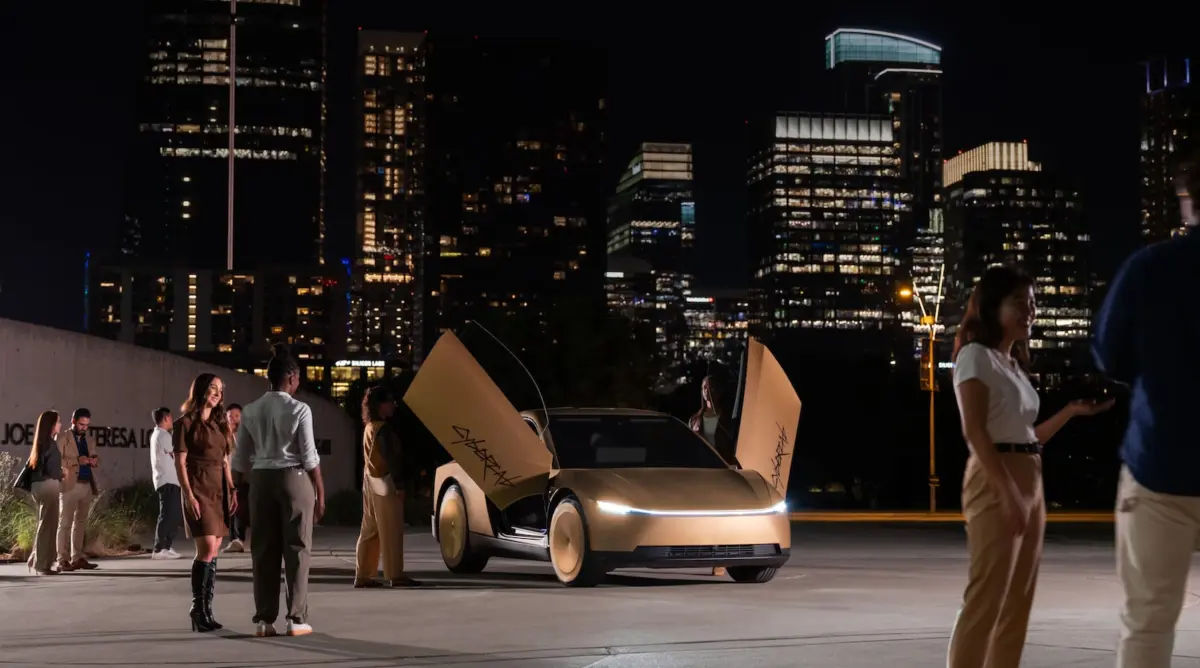
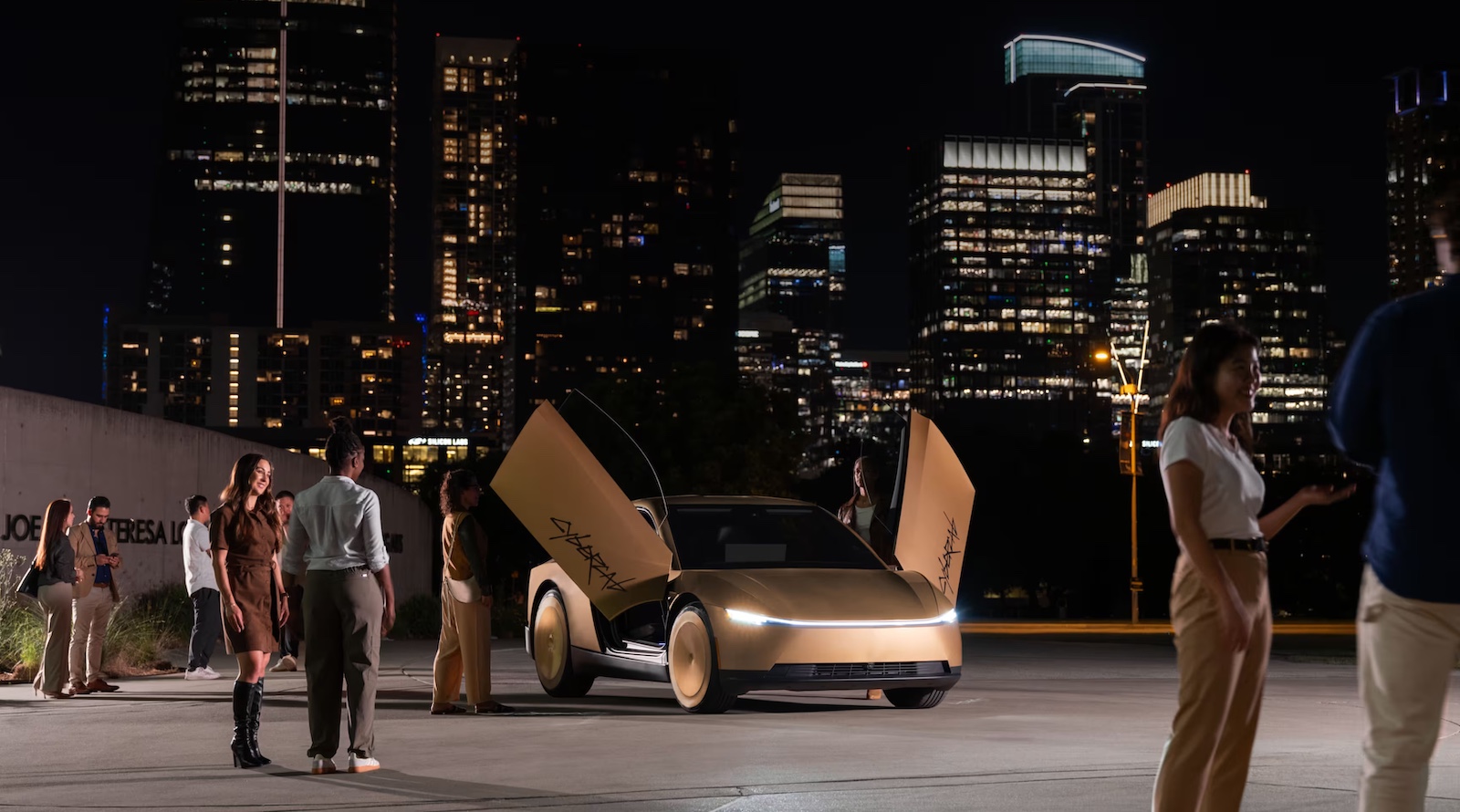
The long-awaited, highly publicized debut of Tesla’s custom-designed Cybercab in Austin, Texas, was supposed to mark a monumental milestone in autonomous transit. Instead, the rollout has been swiftly enveloped in controversy, regulatory scrutiny, and a web of unanswered questions. Featuring no steering wheel, pedals, or side mirrors, the vehicle represents the absolute frontier of unassisted autonomous vehicle (AV) design. However, this radical departure from traditional automotive architecture has caught the attention of the United States National Highway Traffic Safety Administration (NHTSA).
Federal regulators have launched a formal inquiry into the basis of Tesla’s Cybercab certification and compliance with Federal Motor Vehicle Safety Standards (FMVSS). The core of the issue centers on whether Tesla followed appropriate legal pathways to roll out vehicles devoid of human-operated controls—controls that, under current federal regulations, remain legally mandatory.
Adding to the intrigue, the rollout itself was marked by bizarre logistical anomalies: CEO Elon Musk was conspicuously absent from the event, and the launch was not livestreamed to the public. This uncharacteristic quietness surrounding a project a decade in the making has left industry analysts, investors, and consumers wondering whether the Austin launch was driven by genuine technological readiness or an urgent need for financial storytelling ahead of quarterly reporting. As NHTSA digs into the compliance data for up to 1,000 Cybercabs, the auto industry faces a crucial test case on regulatory oversight, corporate accountability, and the race to commercialize autonomous mobility.
For nearly ten years, Elon Musk has teased the arrival of a dedicated robotaxi—a vehicle built from the ground up without human driver controls, designed explicitly to operate within autonomous ride-hailing networks. Over the years, timelines shifted, designs were reimagined, and investor expectations soared.
The culmination of this decade-long narrative arrived this week with a quiet, un-livestreamed launch event in Austin, Texas. The Cybercab rolled out as a sleek, futuristic pod completely stripped of mechanical redundancy interfaces like steering wheels, brake pedals, accelerators, and side mirrors. While Tesla’s faithful cheered the arrival of the hardware promised for so long, the lack of traditional fanfare immediately signaled to industry observers that something unorthodox was afoot.
The Regulatory Alarm Bell Rings
Shortly after the vehicles made their initial appearances on public roads in Austin, federal regulators mobilized.
According to reports from Reuters, the NHTSA initiated an examination into the process and technical data Tesla relied upon to demonstrate compliance with FMVSS for up to 1,000 Cybercabs. Under federal law, automakers are required to self-certify that their vehicles meet all applicable safety standards before they are cleared for public roads. When certified vehicles appear to bypass or fail to adhere to these requirements, the NHTSA is mandated to intervene.
The federal agency is specifically investigating the rationale behind Tesla’s certification, focusing on how the automaker determined that certain traditional safety standards—such as the requirement for manual steering and braking systems—were "not applicable" to the Cybercab.
Supporting Context & Metrics: Regulatory Hurdles and Precedents
To fully understand the weight of the NHTSA’s investigation, one must examine the current regulatory landscape governing autonomous vehicles in the United States.
The Letter of the Law vs. Proposed Changes
As it stands today, federal safety regulations explicitly require human-operated redundancies, including manual brake pedals and steering mechanisms, for vehicles traveling on public roads.
Interestingly, the regulatory environment is in a state of flux. In June, the NHTSA proposed updating federal rules to potentially eliminate the requirement for manual brake pedals in fully self-driving vehicles. However, that policy shift remains merely a proposal. The agency has repeatedly emphasized that, despite future modernization efforts, the legal requirement for manual controls remains fully in place today.
The Zoox Precedent: Petitions vs. Presumption
The contrast between Tesla’s approach and that of its competitors highlights why the NHTSA has stepped in. Just weeks prior to the Cybercab launch, Amazon-backed Zoox secured historic approval from federal regulators to roll out paid robotaxis on U.S. roads without human controls.
Crucially, Zoox achieved this milestone through a formal, transparent process: the company petitioned the NHTSA for exemptions to specific FMVSS standards, providing exhaustive safety cases and data to justify the removal of human controls. Tesla, by contrast, has filed no such petitions with the agency, reportedly choosing instead to self-certify its compliance through internal interpretations of existing rules. This divergence in methodology is precisely what the NHTSA is now scrutinizing.
Official Statements and Industry Reactions
As the investigation unfolds, key regulatory figures have stepped forward to clarify the agency’s stance while balancing the encouragement of innovation with the enforcement of federal law.
NHTSA Administrator Jonathan Morrison addressed the agency’s position in a recent statement:
"The agency fully supports the safe development and deployment of automated vehicles. But as the federal regulator, we need to ensure that all of our laws are followed."
While Morrison’s words underscore a commitment to oversight, legal experts and automotive analysts are deeply divided on what teeth the investigation actually possesses.
Industry critics have raised questions about potential political influences and double standards within the federal apparatus, particularly under the current administration of President Donald Trump. Many observers are asking a blunt question: Does it matter? Even if the NHTSA determines that Tesla launched vehicles without appropriate legal approval, skeptics doubt whether the agency will enforce severe penalties—such as pulling the vehicles off the road—or if the enforcement will amount to little more than a symbolic slap on the wrist.
Future Outlook and Strategic Implications
The unfolding saga of the Cybercab launch leaves several critical questions unanswered regarding Tesla’s overarching autonomous strategy and corporate behavior.
Unanswered Questions and Strategic Timing
Several anomalies surrounding the Austin rollout point toward deeper internal pressures at Tesla:
The Absence of Elon Musk: For a project Musk has championed as the cornerstone of Tesla’s future valuation and corporate identity for ten years, his absence from the physical launch event—and the decision not to livestream it—is unprecedented.
The Rushed Aesthetic: Despite being a decade in planning, the rollout felt hurried, raising questions about whether the hardware is genuinely ready for unstructured urban environments or if it was rushed to meet financial reporting milestones.
Financial Engineering: With the quarter coming to a close, analysts note that producing and "launching" up to 1,000 Cybercabs provides a powerful narrative tool for financial storytelling, potentially influencing stock performance and investor sentiment regardless of immediate regulatory hurdles.
What Comes Next?
The NHTSA’s investigation is expected to probe deep into Tesla’s engineering documentation, compliance self-certifications, and legal justifications for omitting physical driving controls.
If the agency takes a hard line, it could force Tesla to temporarily halt its Cybercab deployments or retroactively file formal exemption petitions similar to those utilized by Zoox. Conversely, if the investigation stalls or results in a lenient settlement, it could set a contentious precedent for how other autonomous vehicle developers approach federal oversight.
Ultimately, the Cybercab launch in Austin is more than just the unveiling of a steering-wheel-free taxi; it is a stress test for the American regulatory framework in the age of artificial intelligence and rapid technological disruption. As the NHTSA continues its examination, the entire autonomous vehicle sector will be watching to see where the line is drawn between aggressive innovation and adherence to the rule of law.