






Executive Overview
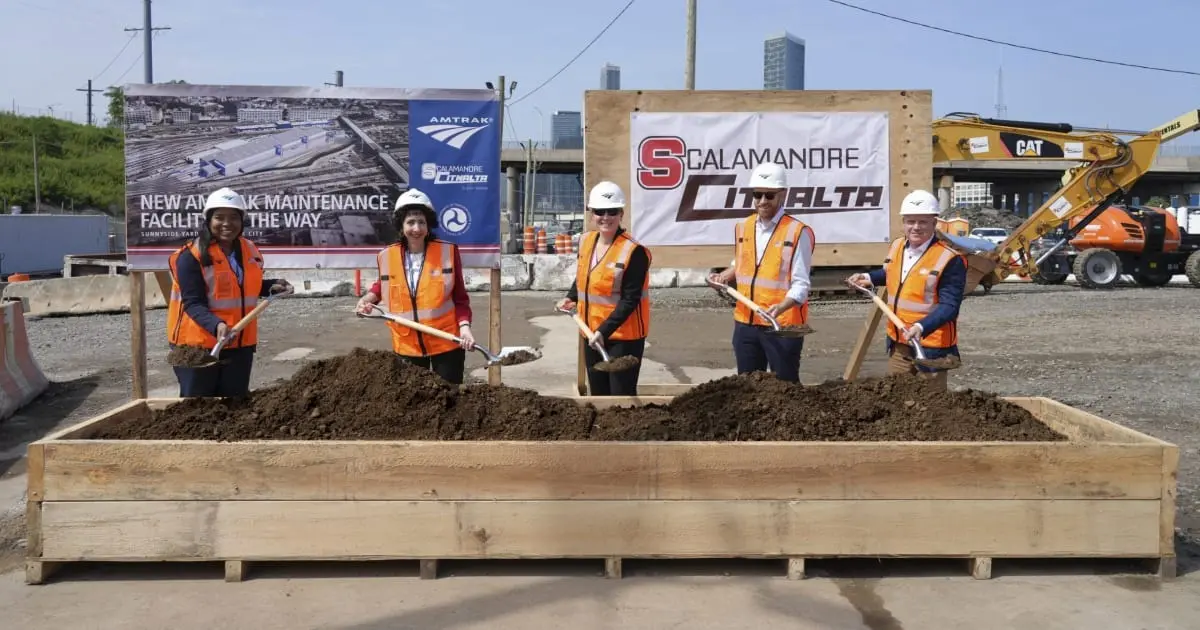
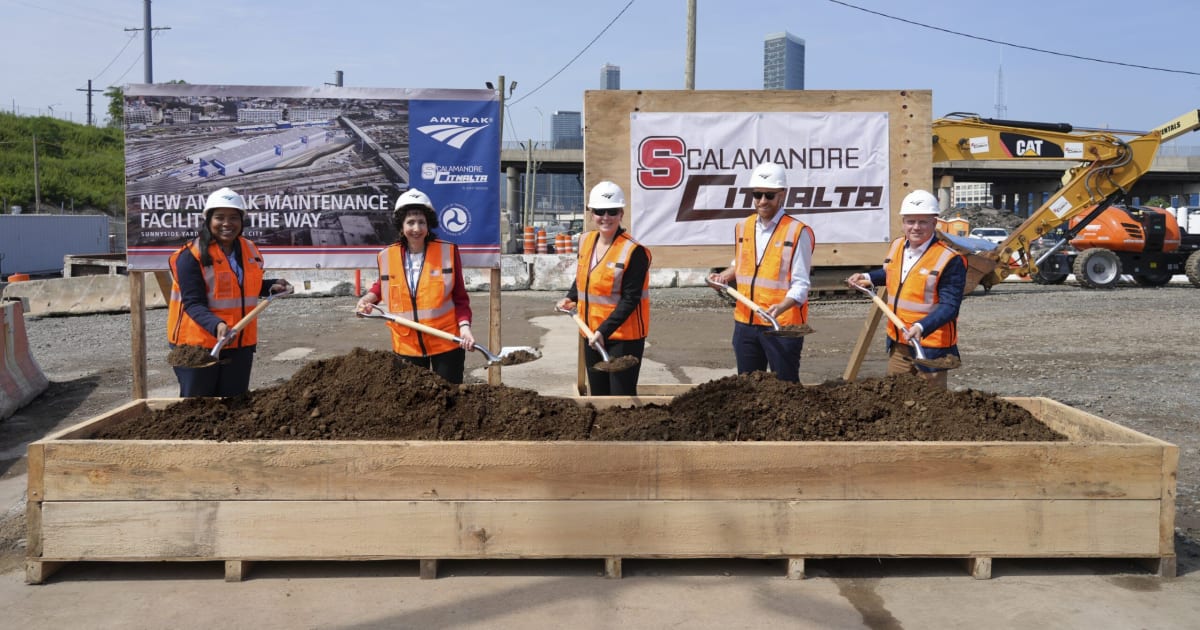
In what transportation analysts are calling a watershed moment for American passenger rail, Amtrak has officially broken ground on a massive, state-of-the-art maintenance facility at the historic Sunnyside Yard in Long Island City, New York. Valued at over $1 billion, this ambitious project represents a foundational component of Amtrak’s sweeping national fleet modernization program. The new yard is specifically engineered to support the rollout of Amtrak’s highly anticipated, next-generation Airo trainsets while radically overhauling operational efficiencies, boosting worker safety, and dramatically shortening turnaround times in one of the nation’s most congested rail corridors.
The project is far more than a local construction initiative; it is a critical linchpin in a multi-billion-dollar federal and corporate strategy to reshape the future of travel along the Eastern Seaboard. By replacing rail cars that have soldiered on for more than half a century with modern, accessible, and eco-friendly equipment, Amtrak aims to redefine the passenger experience for millions of travelers. Supported primarily by congressional funding and administered through the Federal Railroad Administration (FRA), the Sunnyside Yard groundbreaking underscores a broader renaissance in American rail infrastructure—one designed to deliver safer, faster, and infinitely more reliable service for decades to come.
Detailed Chronology: The Evolution of the Sunnyside Yard Project
The Genesis of Modernization
For decades, Sunnyside Yard has served as the heartbeat of Amtrak and commuter rail operations in the New York metropolitan area. Spanning a massive footprint in Long Island City, Queens, the yard has historically accommodated countless regional, long-distance, and commuter trains. However, decades of relentless use left the facility ill-equipped to handle the technological demands of twenty-first-century high-speed rail.
Recognizing that the introduction of the Airo trainsets would require unprecedented maintenance infrastructure, Amtrak’s strategic planning division—in close collaboration with the FRA—began developing a comprehensive blueprint for Sunnyside Yard. The goal was clear: transition an aging industrial footprint into a cutting-edge hub capable of performing rapid daily inspections, heavy servicing, interior and exterior cleaning, and complex mechanical overhauls under one unified umbrella.
Phased Construction and Milestones Through 2030
The newly commenced construction project is designed to be executed in meticulous phases, minimizing disruption to ongoing rail operations while steadily bringing advanced capabilities online.
- Phase I (Immediate Mobilization & Site Preparation): Initial construction phases focus on clearing obsolete infrastructure, reconfiguring legacy track layouts, and establishing modern utility connections capable of sustaining high-tech maintenance workshops.
- Phase II (Facility Superstructure & Core Workshops): Mid-term development will see the erection of specialized maintenance bays equipped with overhead crane systems, modern inspection pits, and environmental controls designed to optimize worker ergonomics and safety.
- Phase III (Full Integration & Technological Commissioning): Slated for completion in phases through 2030, the final stages will integrate advanced diagnostic technologies, automated parts-handling systems, and specialized platforms tailored specifically to the digital and mechanical architecture of the Airo fleet.
Remarkably, Sunnyside Yard marks Amtrak’s fifth—and definitively its largest—major maintenance facility to transition into major construction over the past two years. This rollout follows successful groundbreakings and construction phases in Philadelphia, Seattle, Washington D.C., and Boston. Meanwhile, the Rensselaer Yard is currently in the design phase, serving as the sixth and final major maintenance facility slated for modernization under this nationwide program.
Supporting Context & Metrics: The Scale of Amtrak’s National Transformation
The Airo Trainsets: Replacing Half-Century-Old Legacies
The primary catalyst for the Sunnyside Yard transformation is the arrival of Amtrak’s new Airo trainsets. These cutting-edge trainsets are destined to replace legacy passenger equipment that has been in continuous service for more than 50 years. Amtrak’s current older cars, while historically resilient, suffer from frequent maintenance bottlenecks, outdated amenities, and accessibility challenges that no longer meet the expectations of modern travelers.
The Airo trainsets introduce a transformative upgrade:
- Enhanced Accessibility: Fully compliant with modern ADA standards, featuring wider doorways, accessible restrooms, and custom seating configurations.
- Superior Passenger Comfort: Ergonomic seating, individual power outlets, USB ports, advanced digital passenger information systems, and robust onboard Wi-Fi.
- Environmental Sustainability: Fuel-efficient propulsion systems that significantly reduce emissions compared to legacy diesel equipment, aligning with national climate goals.
- Reliability: Built with modular, state-of-the-art diagnostic capabilities that allow maintenance crews to predict and preempt mechanical failures before they impact revenue service.
Financial Architecture and Regional Impacts
The $1 billion-plus investment in Sunnyside Yard is financed largely through federal grants authorized by Congress and administered by the FRA. This capital injection is part of a broader financial wave; notably, the FRA recently announced an additional $2.05 billion in funding aimed at procuring up to 43 extra trainsets, bolstering the 83 Airo trains already firmly on order.
The operational improvements realized at Sunnyside Yard will directly benefit millions of Amtrak customers traveling across several vital East Coast corridors, including:
- The Northeast Regional
- The Empire Service (New York to Niagara Falls)
- The Ethan Allen Express (New York to Burlington, Vermont)
- The Vermonter
- Other regional services operating out of the New York hub
Beyond the primary maintenance facilities, Amtrak and its regional partners are constructing and renovating a network of smaller layover sites. These strategic nodes—located in cities such as Albany and Niagara Falls, New York; Springfield, Massachusetts; and Burlington, Vermont—will handle routine cleaning, light servicing, and overnight storage, ensuring that trains are pristine and ready for morning departures across the network.
Official Statements: Perspectives from Rail Leadership
The significance of the Sunnyside Yard groundbreaking has drawn high-profile commentary from leaders across the transportation sector, highlighting the collaborative nature of this historic infrastructure push.
Laura Mason, Amtrak Executive Vice President of Capital Delivery, emphasized the transformative nature of the work during the official groundbreaking ceremony:
"From this new maintenance facility to the East River Tunnel Rehabilitation Project and so many other projects, Amtrak is delivering transformative investments that are reshaping the future of passenger rail in New York. Together with our partners at the Federal Railroad Administration (FRA), we’re building the modern infrastructure needed to support our new Airo trains and deliver safer, more reliable service for decades to come."
Industry analysts have similarly praised the initiative. By addressing the "back-of-house" infrastructure that passengers rarely see—such as maintenance pits, tool cribs, and heavy-lift bays—Amtrak is tackling the root cause of delays. When maintenance yards operate efficiently, turnaround times plummet, fleet availability surges, and the entire rail network becomes significantly more resilient against unexpected disruptions.
Future Outlook: A New Horizon for American Passenger Rail
As construction crews sink the first pilings and pour the foundations at Sunnyside Yard, the long-term outlook for the Northeast Corridor—and American passenger rail as a whole—is undergoing a profound paradigm shift. The convergence of federal funding, innovative rolling stock procurement, and rigorous yard modernization is setting a new standard for public transportation in the United States.
By 2030, when Sunnyside Yard reaches full operational capacity, the passenger rail landscape in New York will be unrecognizable to those accustomed to aging infrastructure. Faster turnaround times will translate directly into tighter, more reliable timetables. Enhanced environmental standards will shrink the carbon footprint of the nation’s busiest rail corridor. And perhaps most importantly, millions of passengers stepping aboard the sleek, modern Airo trainsets will experience a level of comfort, safety, and reliability that positions rail as the undisputed backbone of sustainable American mobility.
Amtrak’s massive gamble on modernization is no longer just a vision on paper; with dirt turning in Queens and multi-million-dollar contracts flowing across the country, the future of American rail is officially under construction.