










Executive Overview
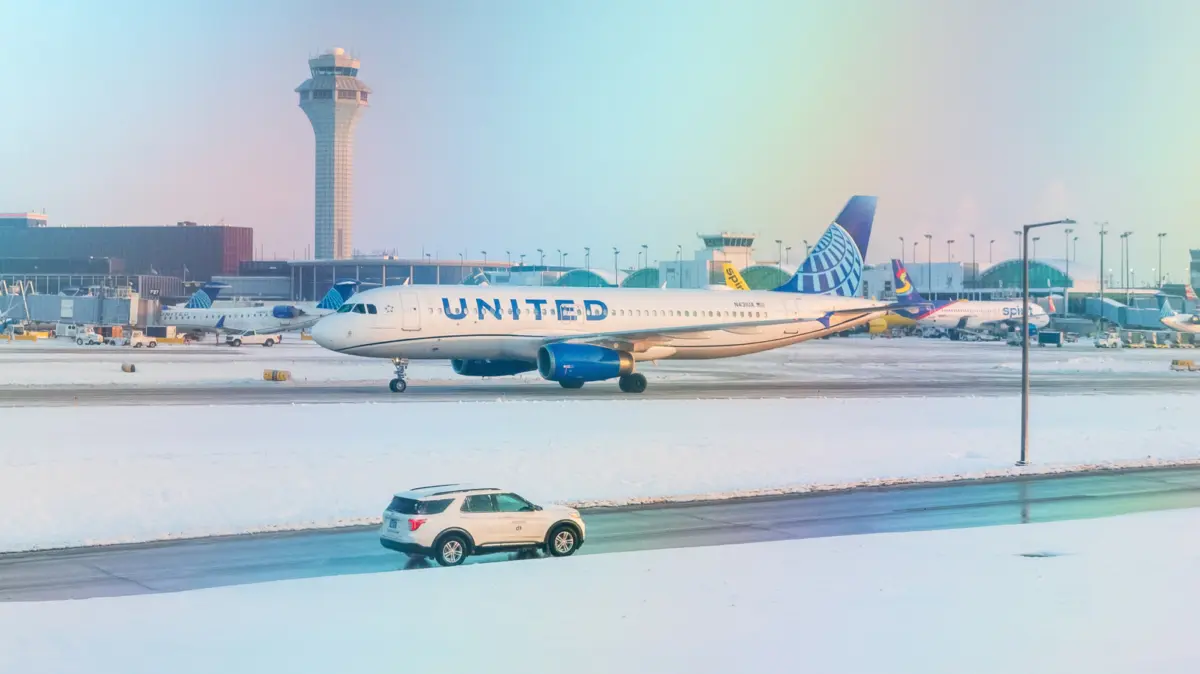
Chicago is globally celebrated for its gleaming skyline, world-class culinary scene, rich architectural history, and fiercely loyal sports culture. It is a metropolis that regularly captures the affection of travelers worldwide, even earning the coveted title of "Best Big City in the U.S." by the discerning readers of Condé Nast Traveler in 2025. Yet, for all its Midwestern charm and urban allure, navigating the city’s primary aviation gateway tells a vastly different story.
According to a comprehensive new study released by the transportation technology firm Mozio, Chicago O’Hare International Airport (ORD) has earned the dubious distinction of being America’s most stressful airport for 2026.
Analyzing twenty of the busiest and most vital aviation hubs across the United States, Mozio evaluated facilities across several critical metrics: flight punctuality, terminal parking expenses, and overall proximity and transit time to the metropolitan center. O’Hare struggled across nearly all evaluated pillars, accumulating an aggregate stress score of 8.4 out of 10.
While the designation is a blow to the airport’s reputation, it highlights a broader, systemic crisis facing major U.S. transit hubs: unprecedented passenger volumes colliding with aging infrastructure, chronic flight delays, and soaring ground-transportation costs. To unpack how O’Hare reached this tipping point, aviation analysts and travelers alike must examine the intersection of staggering flight volume, logistical bottlenecks, federal intervention, and ambitious modernization efforts currently underway.
Detailed Chronology of the Crisis: From Record-Breaking Volumes to Federal Intervention
To understand how O’Hare earned its high-stress ranking, one must look at the meteoric rise in traffic that has strained the airport’s infrastructure to its absolute limits.
The 2025 Volume Surge
The seeds of the 2026 stress ranking were firmly planted throughout the previous year. According to global airport performance metrics published by Airports Council International (ACI), Chicago O’Hare claimed the top spot nationwide for sheer flight volume in 2025. This marked a staggering 10.8% year-over-year surge in aircraft movements.
Serving a staggering 197 domestic destinations with an average of 1,161 domestic flights departing daily, O’Hare function as the beating heart of the American aviation network. However, this unmatched connectivity came at a steep operational cost.

The Summer 2025 Punctuality Collapse
The tipping point arrived during the peak summer travel season of 2025. Due to a toxic mix of severe Midwest weather patterns, airspace congestion, and ground-handling constraints, less than 60% of O’Hare’s flights departed or arrived on time. For millions of travelers, missed connections, rolling tarmac delays, and overnight airport stays became the norm rather than the exception.
Federal Intervention: The 2026 Flight Reductions
The catastrophic dip in on-time performance did not go unnoticed by federal regulators. Recognizing that voluntary airline adjustments were insufficient to combat the chronic bottlenecks, the U.S. Department of Transportation (DOT) stepped in. Under leadership prioritizing consumer protection and infrastructure reliability, the federal government issued a directive ordering O’Hare to reduce its daily scheduled flights by approximately 12% ahead of the summer 2026 travel season.
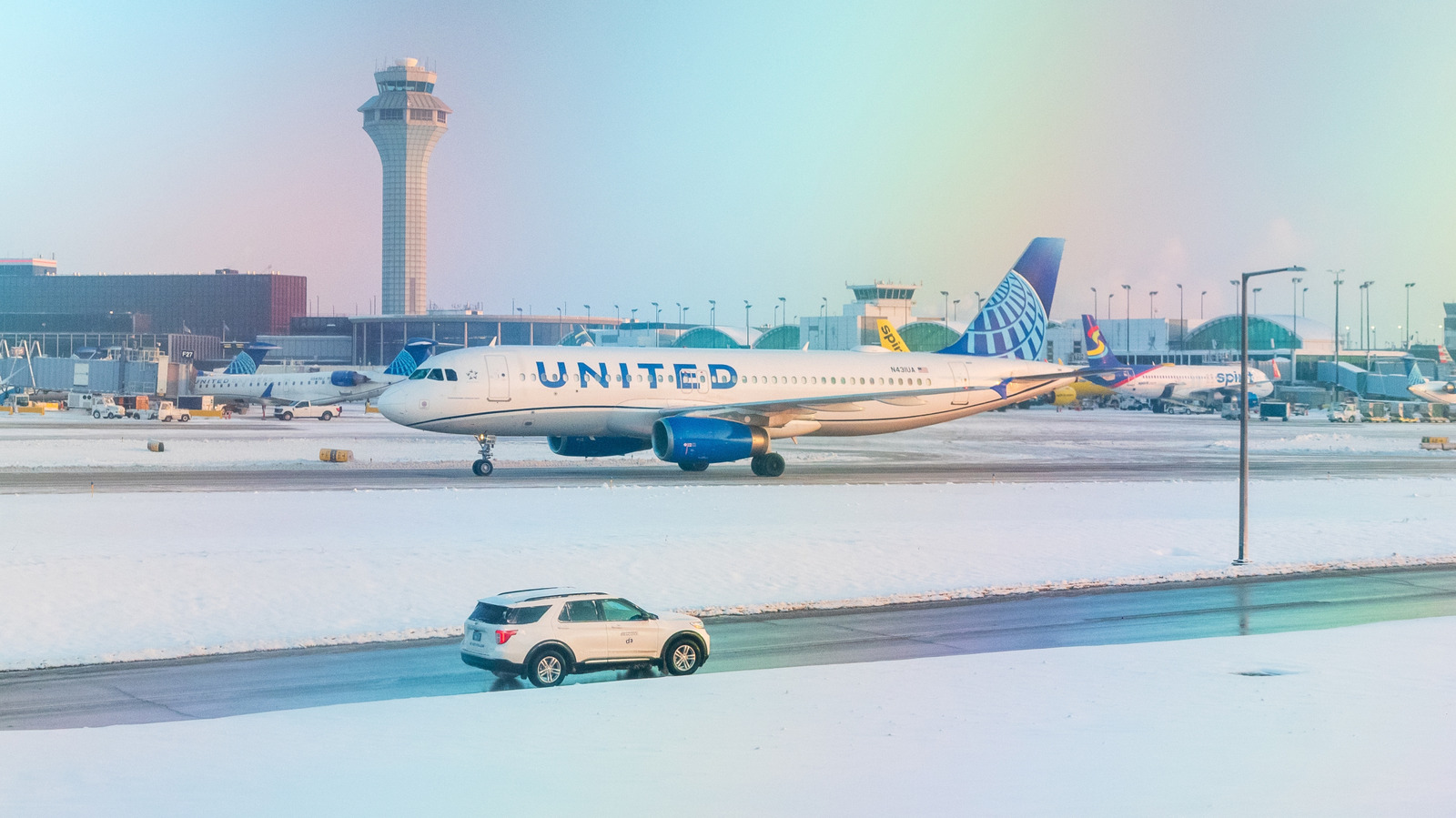
This rare and aggressive regulatory action was explicitly designed to artificially throttle capacity, reduce airspace saturation, and restore a baseline of reliability to an overwhelmed airfield. While transportation officials hope the capacity caps will curb endless delays, the reductions underscore just how deeply strained the airport’s infrastructure remains.
Supporting Context & Metrics: Breaking Down the Mozio Study
To put O’Hare’s 8.4 out of 10 stress score into perspective, it is necessary to analyze the granular data collected by Mozio across the nation’s 20 busiest aviation facilities.
The Three Pillars of Airport Stress
-
Flight Reliability and Punctuality:
O’Hare’s schedule integrity has long been a vulnerability, largely due to its status as a massive hub susceptible to weather ripples across the continent. Mozio’s data revealed that 25.4% of departing flights from O’Hare were delayed by longer than 15 minutes. While some regional competitors fared worse, a quarter of all flights running behind schedule creates immense anxiety for travelers working with tight connection windows. -
Ground Transportation and Proximity:
Time is money, and getting to and from O’Hare often drains both. Located roughly 17 miles northwest of the Loop, the commute between the airport and Chicago Union Station frequently stretches toward the one-hour mark during peak traffic periods, placing it among the longest transit times on the study’s list. -
Terminal Parking Costs:
For drivers choosing to park at the terminal rather than utilize off-site economy lots or public transit (such as the CTA Blue Line), the financial sting is severe. O’Hare terminal parking hovers at a hefty $43 per day.
How O’Hare Compares to Other Regional and National Offenders
O’Hare may take the overall crown, but it shares undesirable company, particularly along the East Coast.
- The New York Tri-State Trifecta: The study revealed that the East Coast accounts for the next three most stressful airports in the country. New York’s LaGuardia Airport (LGA) secured the second-overall spot, driven heavily by astronomical parking fees that reach an eye-watering $80 a day.
- JFK and Newark: John F. Kennedy International Airport (JFK) claimed third place with terminal parking averaging $70 per day, tied with New Jersey’s Newark Liberty International Airport (EWR). Newark actually suffered from worse punctuality metrics than O’Hare, cementing its long-standing reputation as one of the absolute worst airports in America for weathering extended layovers.
- The Gold Standard: At the opposite end of the spectrum, travelers looking for a frictionless experience can look to the Midwest’s other major player. Minneapolis-Saint Paul International Airport (MSP) was crowned the study’s least stressful airport, boasting an impressive on-time departure rate of 81.5% and smoother ground transit connections.
Official Statements and Industry Perspectives
The release of the Mozio study and the subsequent federal capacity interventions have triggered intense dialogue among airline executives, airport operators, and government officials.
The Airline Perspective: Balancing Connectivity with Reliability
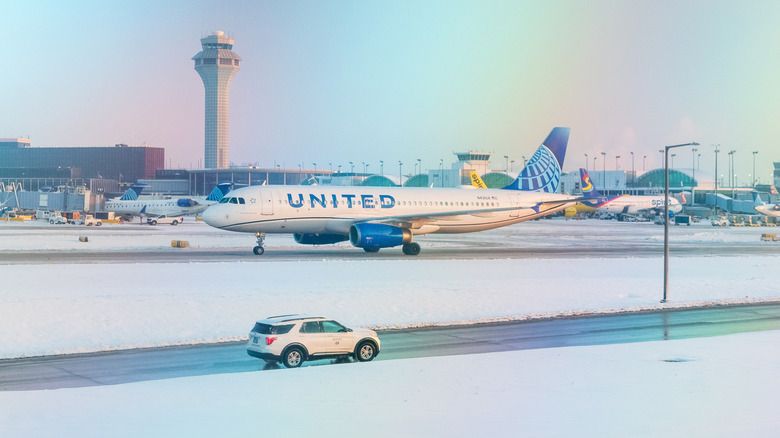
Airlines operating out of O’Hare find themselves walking a delicate tightrope. On one hand, O’Hare remains an indispensable jewel in their route networks. It serves as a primary mega-hub for United Airlines—the world’s largest airline—which leverages the airport alongside its extensive Star Alliance network (including international partners like Air Canada and Turkish Airlines) to connect millions of passengers globally.
Concurrently, American Airlines remains deeply invested in the Chicago market. Demonstrating confidence in the hub’s long-term viability, American actively expanded its spring and summer schedules, introducing fresh service routes to smaller regional feeder markets such as Cedar Rapids, Iowa, and Bloomington, Illinois.
However, individual airline performance varies notably. Data highlighted in corporate press releases notes that American ranked as O’Hare’s most on-time hub carrier over the past year, proving that operational discipline can mitigate systemic delays.
Regulatory and Municipal Responses
The Chicago Department of Aviation (CDA), alongside federal transportation officials, has defended the airport’s vital economic footprint while acknowledging the urgent need for modernization.
In an official briefing accompanying the capacity reduction orders, the Department of Transportation emphasized that proactive intervention was non-negotiable to protect the traveling public. Federal leadership noted that letting congestion compound indefinitely threatens not only local commerce but the entire integrity of the national air traffic control grid.
City officials have continuously pointed out that O’Hare’s stress scores are fundamentally tied to its sheer utility. You cannot move nearly 85 million annual passengers through a stagnant facility without friction. Consequently, municipal leaders and federal agencies have thrown their weight behind multi-billion-dollar capital improvement programs designed to future-proof the airfield.
Future Outlook: Modernization, Mega-Projects, and Survival Strategies
Despite its high-stress ranking, no seasoned traveler who values Chicago’s vibrant culture will stop flying through O’Hare. Its unmatched network connectivity ensures it will remain a cornerstone of global transit. However, the path forward relies entirely on infrastructure transformation and passenger preparedness.
The Multi-Billion-Dollar Transformation
Relief is actively under construction. O’Hare is currently pushing forward with monumental modernization initiatives aimed at alleviating chronic bottlenecks:
- Concourse D Renovation: The airport is in the middle of a massive $1.3-billion renovation of Concourse D, designed to expand capacity, improve passenger amenities, and update boarding gate technology.
- Terminal 5 Expansion: Building on previous successes—such as the 2023 reconfiguration of Terminal 5 that successfully added 10 new gates to handle surging international traffic—airport authorities are systematically increasing gate availability.
The overarching goal of these modernization efforts is to streamline aircraft taxi times, expedite passenger flows, and comfortably absorb the nearly 85 million travelers who pass through its turnstiles annually.
Expert Survival Strategies for Travelers
While federal mandates and capital projects will take years to fully eradicate delays, travelers facing upcoming itineraries through O’Hare can take proactive steps to minimize their personal stress levels:
- Build in Weather Buffers: Chicago weather is notoriously volatile. Whether facing winter blizzards or severe summer squalls, always factor in potential weather delays when booking connections through ORD.
- Be Strategic with Airline Selection: Research carrier-specific punctuality records before booking. Opting for airlines with proven on-time track records at O’Hare can drastically reduce your odds of tarmac imprisonment.
- Enroll in Expedited Security Programs: If you haven’t already, invest in TSA PreCheck and Global Entry. Bypassing standard security and customs queues is arguably the single most effective way to shave stress off an O’Hare departure.
- Master the Layover "Sweet Spot": Experienced frequent flyers and community forums (such as aviation subreddits) generally agree that the ideal layover window at O’Hare is 1 to 1.5 hours. Anything shorter risks a mad dash across terminals; anything longer stretches your patience in a crowded gate area.
- Utilize Transit Alternatives: To avoid the steep $43 daily terminal parking fees and the notorious traffic snarls on the Kennedy Expressway, consider taking the CTA Blue Line directly into the heart of the city.
Chicago O’Hare may wear the crown as America’s most stressful airport for 2026, but with billions in renovations on the horizon and federal oversight forcing a leaner, more manageable flight schedule, the gateway to the Midwest is charting a course toward smoother skies.