









Executive Overview
Along Florida’s legendary Gulf Coast, where tourist-heavy resort towns and bustling metropolitan beach corridors frequently dictate the travel landscape, finding solitude can feel like an impossible pursuit. Destinations such as St. Petersburg and Cedar Key draw millions of visitors annually, bringing with them bumper-to-bumper traffic, crowded boardwalks, and packed shores. However, nestled quietly between the bustling university hub of Gainesville and the metropolitan expanse of Tampa lies a well-kept secret that defies the traditional commercialized Florida beach experience.
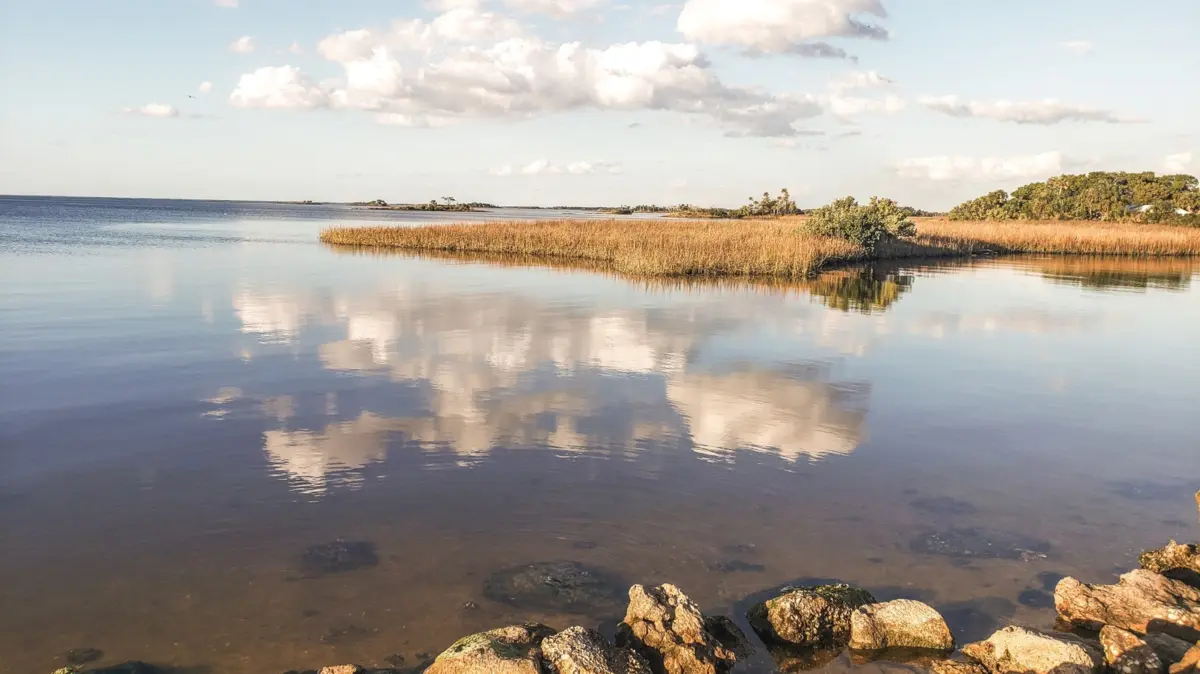
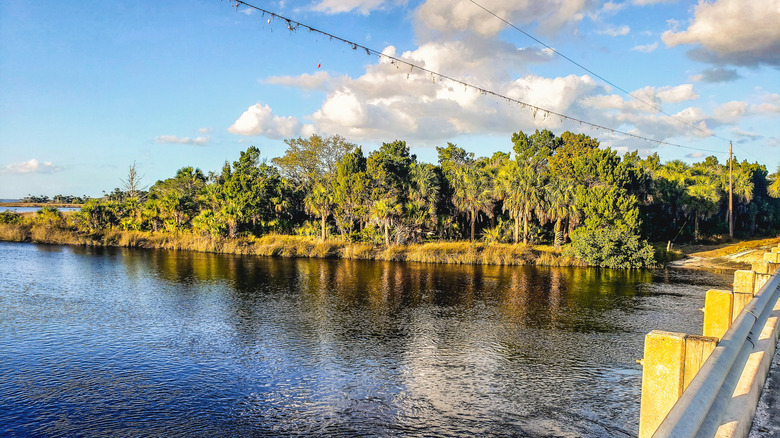
Bird Creek Park, anchored by the serene Bird Creek Beach in the unincorporated hamlet of Yankeetown, Florida, offers travelers a welcome respite from the crowds. Characterized by uncrowded sands, zero admission or parking fees, rich wildlife habitats, and a surprising slice of Hollywood cinematic history, this coastal jewel represents old Florida at its finest. Operating daily from 8:00 a.m. to 8:00 p.m.—with a 24-hour boat ramp capable of handling deep-draft vessels—Bird Creek Park serves as a premier launching point for anglers, kayakers, birdwatchers, and nature enthusiasts.
This comprehensive report examines the unique geographical, ecological, and cultural dimensions of Bird Creek Beach and Park. From its diverse marine ecosystems and stellar birdwatching credentials to its surprising link with rock-and-roll icon Elvis Presley, we explore why this peaceful sanctuary is rapidly gaining recognition as one of the Central Gulf Coast’s most valuable recreational and conservation assets.
Detailed Chronology and Historical Evolution
From Indigenous Roots to a Quiet Hamlet
Long before European settlers arrived on the Central Gulf Coast of Florida, the winding waterways surrounding modern-day Yankeetown were navigated by indigenous peoples who relied on the rich estuaries of the Withlacoochee River for sustenance. The region’s dense salt marshes, cypress swamps, and mangrove islands served as a bountiful hunting and fishing ground.
The area gained its idiosyncratic name, "Yankeetown," in the late 19th century. According to local historical lore, the community earned the moniker when a staunch Union sympathizer from the North moved down after the Civil War and opened a trading post, setting himself apart from the prevailing pro-Confederate sentiments of surrounding settlements. For decades, Yankeetown remained a sleepy, isolated fishing village, largely bypassed by the rapid modernization and coastal development that transformed the rest of the Sunshine State during the post-World War II economic boom.
The Hollywood Interlude: Enter "The King"
Despite its quiet demeanor, Yankeetown stepped into the global spotlight in the early 1960s, forever altering the cultural footprint of the local landscape—including the areas surrounding Bird Creek. In 1961, film crews descended upon the quiet hamlet to shoot exterior scenes for the United Artists musical comedy Follow That Dream, starring none other than Elvis Presley.
Directed by Gordon Douglas, the film was based on the 1959 Richard Powell novel Pioneer, Go Home! It followed the whimsical misadventures of the Kwimper family, who find themselves stranded and setting up a homestead on an untamed Florida beach after their car breaks down. Much of the movie’s charm derived from the raw, authentic backdrop of Yankeetown’s coastal roads, bridges, and waterways.

Bird Creek and its surrounding bridges served as primary backdrops for several memorable sequences in the film. Decades later, the community embraces this pop culture heritage: the scenic roadway leading to the beach and park has been officially designated as "Follow That Dream Parkway." This nod to Presley’s cinematic footprint adds a layer of nostalgic appeal for travelers exploring the rugged coastline today.
Modern-Day Preservation and Access
In the decades following the Hollywood spotlight, Yankeetown and Bird Creek Park managed to sidestep high-rise development and commercial over-saturation. Local county authorities and environmental groups recognized the ecological fragility of the Withlacoochee River estuary and prioritized conservation.
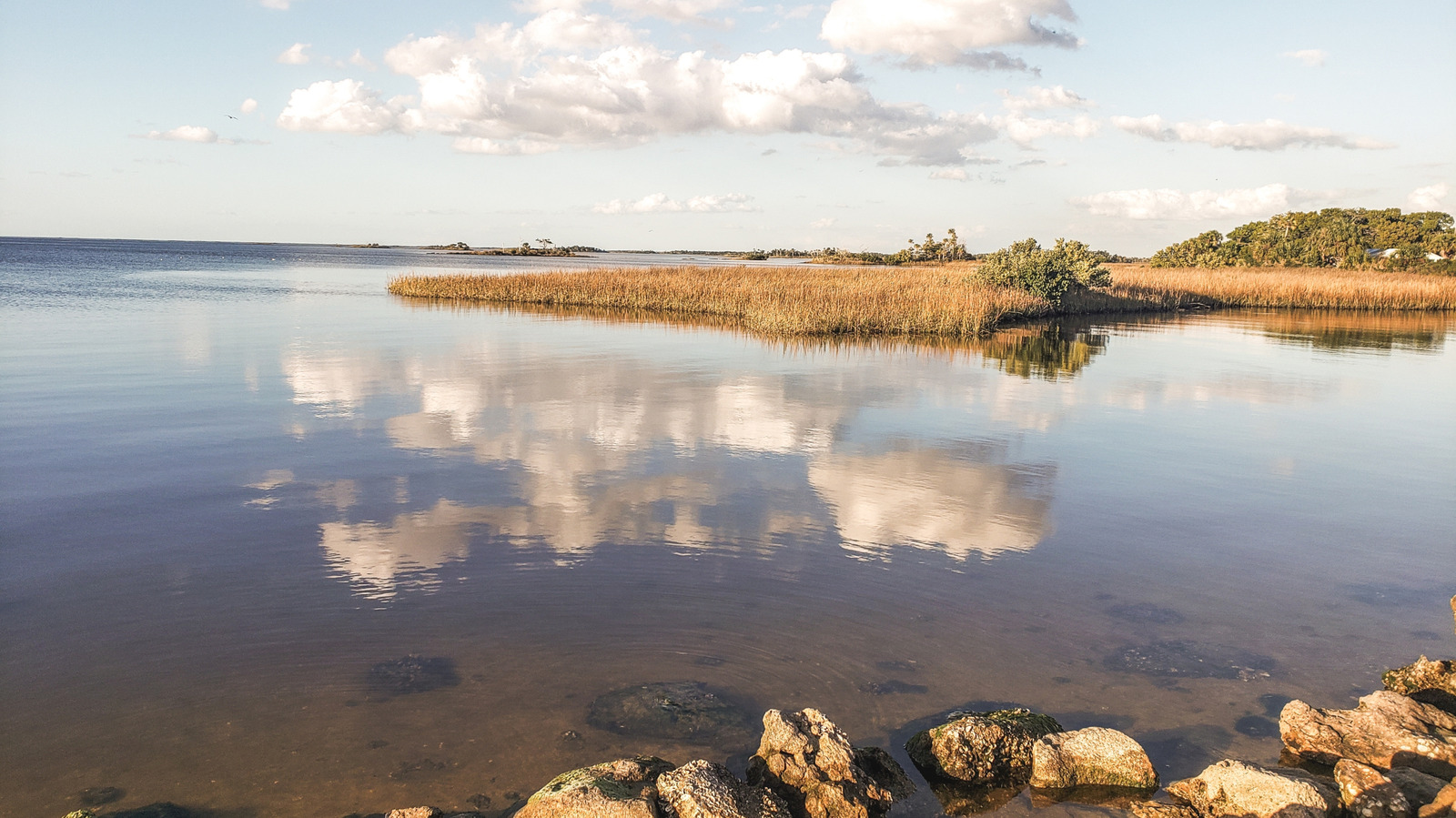
Today, Bird Creek Park stands as a testament to balanced land management. While infrastructure has been thoughtfully integrated—including picnic pavilions, grills, restroom facilities, and an expansive concrete boat ramp—the natural topography remains largely undisturbed. The park acts as a vital recreational portal, offering the public unfettered, fee-free access to a stretch of the Gulf Coast that looks and feels much as it did a century ago.
Supporting Context & Metrics: Ecology, Geography, and Visitor Logistics
Geographical and Logistical Framework
Positioned in Levy County, Bird Creek Park is strategically located for regional travelers seeking a convenient day trip or weekend escape:
- Distance from Gainesville: Approximately 65 miles south (roughly a 1-hour and 15-minute drive via US-19 S).
- Distance from Tampa: Approximately 85 miles north (roughly a 1-hour and 30-minute drive via US-19 N).
- Operating Hours: Park grounds and beach access are open daily from 8:00 a.m. to 8:00 p.m. The park’s boat ramp operates 24 hours a day, 365 days a year.
- Cost: Completely free parking and beach admission, making it a budget-friendly destination for families and solo travelers alike.
- Pet Policy: Dog-friendly (on-leash), providing a rare coastal outing where pet owners can enjoy the shore alongside their four-legged companions.
A Haven for Anglers and Boaters
The aquatic ecosystem surrounding Bird Creek Beach is shaped by the confluence of the Withlacoochee River and the open waters of the Gulf of Mexico. This mixing zone creates a nutrient-rich estuary that attracts an abundance of marine life.
Anglers frequent the park to target a diverse array of popular saltwater species. Shoreline fishers and boaters regularly reel in:
- Spotted seatrout
- Red drum (redfish)
- Common snook
- Flounder
- Spanish mackerel
- Black drum
The park’s 24-hour boat ramp accommodates everything from small jon boats and canoes to large motorized center-consoles. Because the waters transition rapidly from shallow tidal creeks to deeper Gulf channels, boaters have immense flexibility in tailoring their maritime excursions. (All anglers aged 16 and older are required by state law to possess a valid Florida saltwater fishing license.)
An Ornithological and Ecological Hotspot
For wildlife enthusiasts, Bird Creek Park is a crown jewel. The park is officially integrated into the Great Florida Birding and Wildlife Trail, a network of nearly 500 premier wildlife viewing sites across the state.
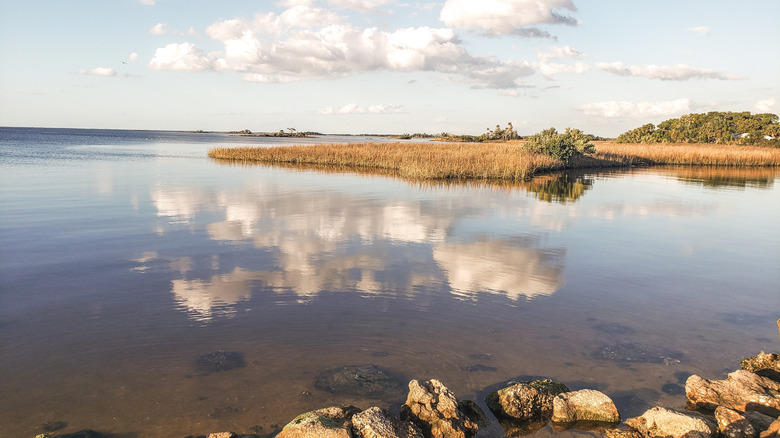
According to data compiled by eBird, the hotspot surrounding Bird Creek and Pumpkin Island has logged more than 180 distinct avian species. Birdwatchers visiting the salt marshes, mangrove fringes, and tidal flats frequently spot:
- Great egrets and snowy egrets
- Roseate spoonbills
- Great blue herons
- Brown pelicans and white pelicans
- Ospreys
- Various species of ibises and gulls
Beyond avian life, the estuarine waters are frequent playgrounds for bottlenose dolphins, which often swim close to kayakers navigating the tidal creeks. Depending on the season, patient observers may also spot West Indian manatees, North American river otters, and American alligators basking in the sun along the marsh banks.
Official Statements and Expert Perspectives
Local tourism officials, environmental stewards, and travelers consistently highlight Bird Creek Beach as an essential counterweight to the heavily developed resort strips found elsewhere in Florida.
In promotional materials highlighting Florida’s hidden Gulf Coast hamlets, regional tourism representatives emphasize Yankeetown’s commitment to unhurried, nature-first travel. "When visitors come to Bird Creek Park, they aren’t stepping into a commercialized tourist trap with towering high-rises," notes local conservation literature. "They are stepping into a living, breathing ecosystem where the primary soundtrack is the rustling of marsh grass, the call of sea birds, and the gentle lapping of Gulf waves."
Visitors consistently echo these sentiments across digital review platforms, praising the area’s distinct atmosphere. One recent Google reviewer noted:
"Nice beach to relax and enjoy the water. This beach is not your typical Florida beach, the water is murky and warm this time of year. It is a great spot to relax and enjoy a nice book."
Another visitor, focusing on the aquatic recreation and marine life encounters, shared:
"Great place to put in kayaks and spend the day fishing off and on islands. Dolphins will swim right around you super neat."
Tripadvisor contributors have similarly praised the park’s exploratory paddling routes. One kayaker recounted an unforgettable excursion into the open Gulf:
"Gorgeous place to kayak! We paddled very far into the Gulf to find out what the cluster of white was far beyond us in the water. It was a small island totally covered by white pelicans! It was magical!"
Future Outlook: Preservation vs. Sustainable Tourism
As Florida’s population continues to surge—with thousands of new residents relocating to the state each week—interior and coastal hamlets like Yankeetown face increasing pressure from urban sprawl and tourism expansion. Municipal planners, Levy County commissioners, and local environmental advocates face the delicate task of balancing public access with rigorous habitat preservation.
Conservation Priorities
The primary ecological challenge facing the Bird Creek and Withlacoochee River estuary is maintaining water quality and protecting delicate salt marsh habitats from over-recreation and pollution. Local conservation groups actively monitor water salinity, seagrass bed health, and avian nesting grounds.
Future infrastructure developments at Bird Creek Park are expected to focus strictly on low-impact enhancements—such as upgraded educational signage detailing local flora and fauna, enhanced storm-resilient boat dockage, and sustainable waste management facilities. Heavy commercial construction remains strictly restricted to preserve the remote, rustic charm that defines the park.
The Rise of Slow Travel
From a macro-tourism perspective, Bird Creek Beach is well-positioned to benefit from the growing global trend toward "slow travel." As modern travelers experience burnout from crowded, fast-paced itineraries, destinations that offer authentic cultural history, uncrowded natural landscapes, and wildlife immersion are seeing a surge in demand.
By maintaining its free admission policy, dog-friendly environment, and commitment to unspoiled natural beauty, Bird Creek Park ensures that future generations can experience the authentic, quiet soul of Florida’s Gulf Coast. Whether one comes to cast a line in the brackish waters, paddle alongside dolphins, retrace the cinematic footsteps of Elvis Presley, or simply sit beneath a pavilion with a good book while the sun dips below the horizon, Bird Creek Park remains an enduring sanctuary of peace between Gainesville and Tampa.