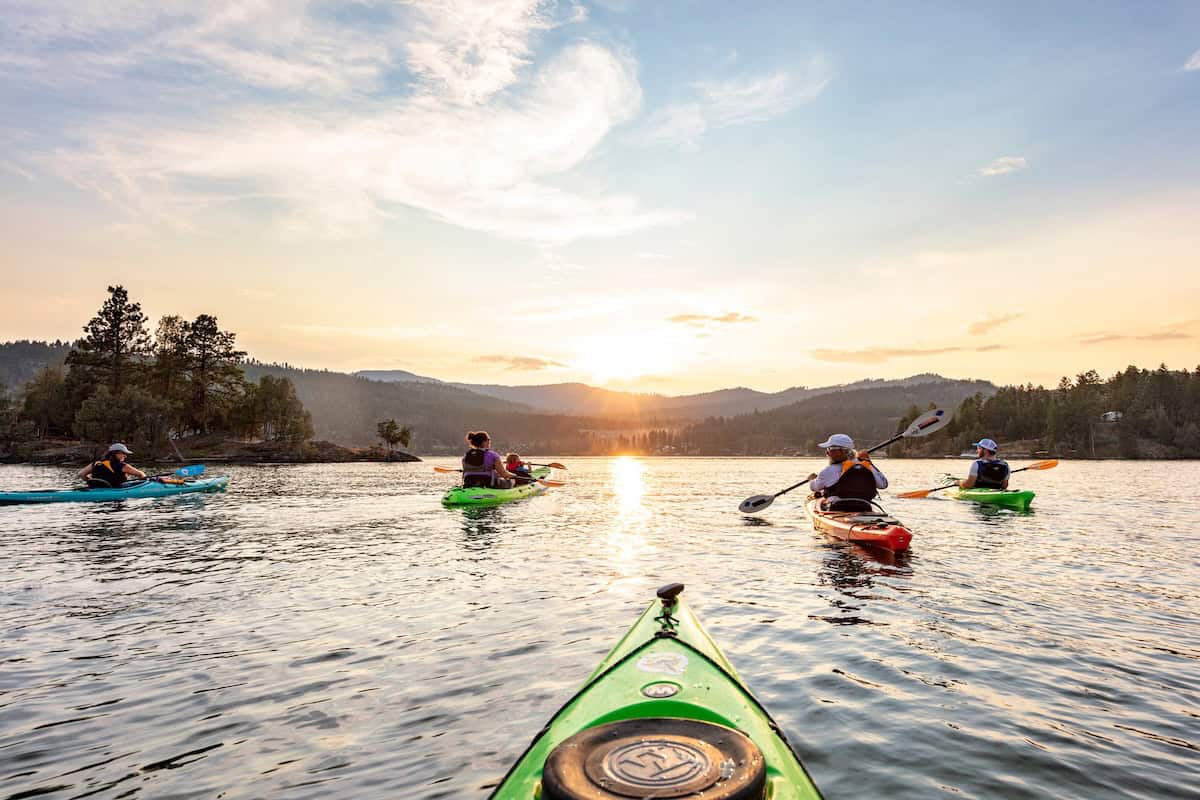
Framed by the rugged grandeur of the Northern Rockies and towering alpine peaks, Montana is celebrated as “Big Sky Country,” yet it is equally defined by its sprawling aquatic footprint. Despite being geographically landlocked, the Treasure State boasts more than 3,223 officially named lakes and reservoirs, alongside hundreds—if not thousands—of uncharted subalpine basins carved out over millennia by glacial activity and shifting weather patterns.
For residents and visitors alike, water is not merely a scenic backdrop; it is the central artery of the local lifestyle. From technical whitewater runs to the soothing, crystalline shallows of western valley lakes, Montana offers an aquatic playground unlike any other in North America. Crucially, this access is legally protected. Under the Montana Constitution, all surface waters belong to the state for the use of its people, establishing public access as a guaranteed, constitutionally protected right.
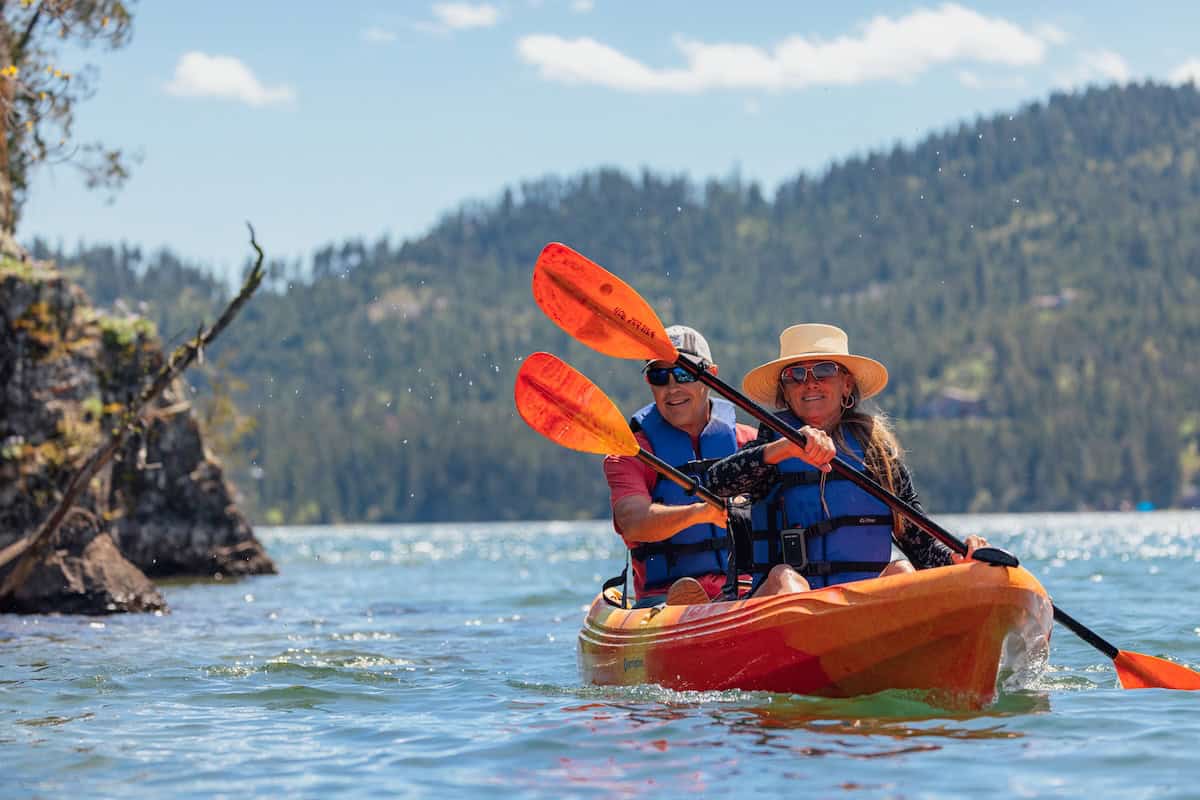
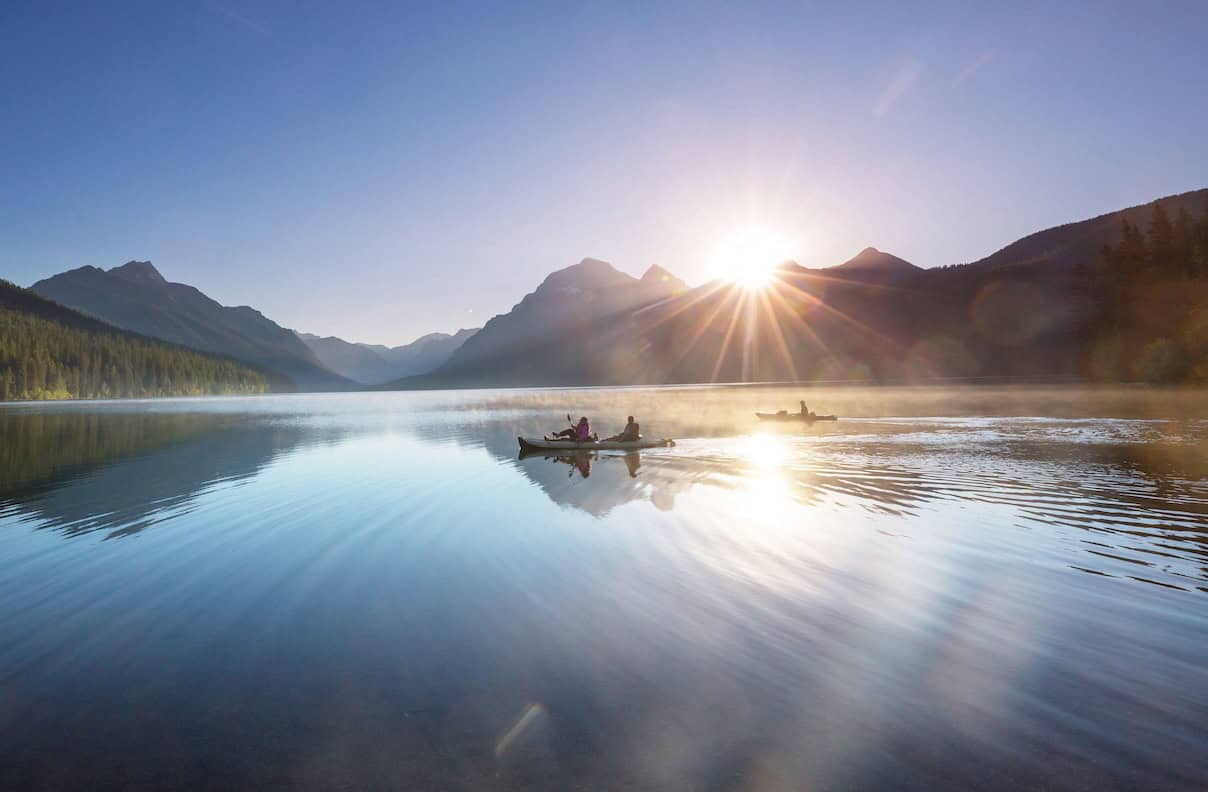
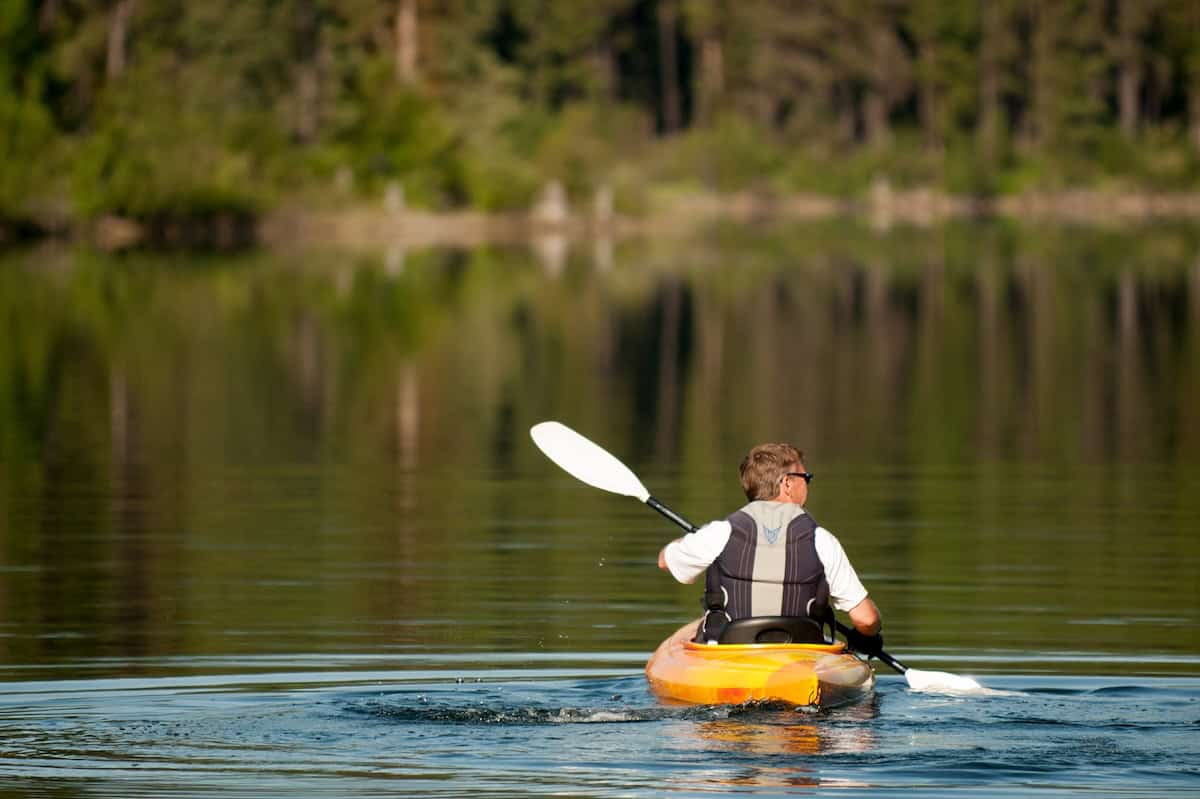
Drawing from years of navigating these diverse environments, this comprehensive guide explores six of Montana’s finest lakes and reservoirs for canoeing, stand-up paddleboarding (SUP), and flatwater kayaking. Whether you seek all-day wilderness excursions, pristine national park mirrors, historical underwater ghost forests, or world-class angling access, Montana’s waters promise an unforgettable voyage.
To fully appreciate Montana’s waterways, one must understand the ancient and modern forces that shaped them. The state’s lakes are living testaments to dynamic geological epochs, ranging from the Pleistocene ice ages to sudden, violent seismic events of the 20th century.
The Glacial Legacy (Pleistocene Epoch to Present)
The vast majority of Montana’s iconic northern lakes—including Flathead, Lake McDonald, and Whitefish Lake—were sculpted during the Pleistocene epoch. As colossal continental and alpine ice sheets advanced and retreated over successive ice ages, they scoured deep rock basins and left behind colossal terminal moraines. These natural dams eventually filled with snowmelt and glacial runoff, creating deep, ultra-clear alpine and subalpine lakes. The distinctive pebble beds of Lake McDonald, for example, are composed of smooth argillite stones deposited by glacial meltwaters and polished over thousands of years.
Seismic Upheaval and Modern Waters
Not all of Montana’s prominent lakes were formed by ice. A stark counter-narrative to the slow creep of glaciers is found in the sudden, catastrophic landscape transformations driven by tectonic activity. A prime example is Earthquake Lake (Quake Lake) in southwestern Montana, which was born overnight on August 17, 1959, following a massive 7.3-magnitude earthquake. This seismic event triggered an 80-million-ton mountainside landslide that choked the Madison River canyon, creating a deep, natural dam and drowning a living forest within weeks. Today, these geological epochs offer paddlers a rare visual juxtaposition between ancient ice-carved valleys and modern seismic ruins.
Supporting Context & Metrics: The Top Paddling Destinations
1. Flathead Lake: The All-Day Wilderness Adventure
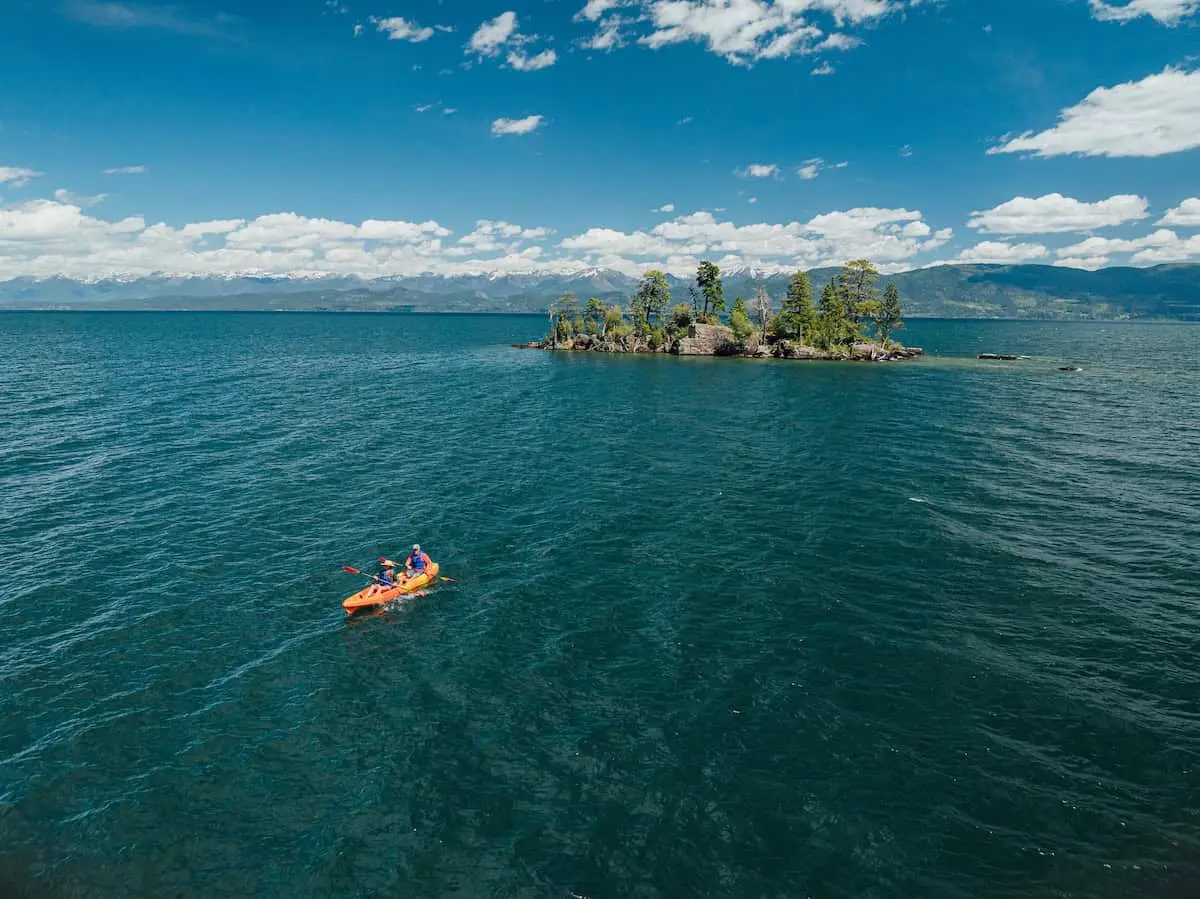
Geography & Metrics: Tucked into the northwestern corner of the state, Flathead Lake encompasses over 200 square miles of surface water with an expansive 185 miles of shoreline. It stands as the largest natural freshwater lake west of the Mississippi River within the Lower 48 states.
The Experience: Split ecologically and scenically, the east shore is framed by the steep, dramatic slopes of the Mission Mountains and fragrant cherry orchards, providing natural shade and cool water refuges during peak summer. The west shore features rolling hills and panoramic mountain vistas. The crown jewel for paddlers is Wild Horse Island State Park, a 2,164-acre nature preserve historically used by the Kootenai and Salish tribes to pasture horses safely away from predators. Today, the island hosts wild horses, bighorn sheep, mule deer, bald eagles, and ospreys.
Navigational Caution: Montana weather is notoriously volatile. Flathead Lake can transition from glassy calm to choppy, high-wind conditions within minutes, requiring vigilance from paddlers.
2. Lake McDonald: The Iconic National Park Paddle
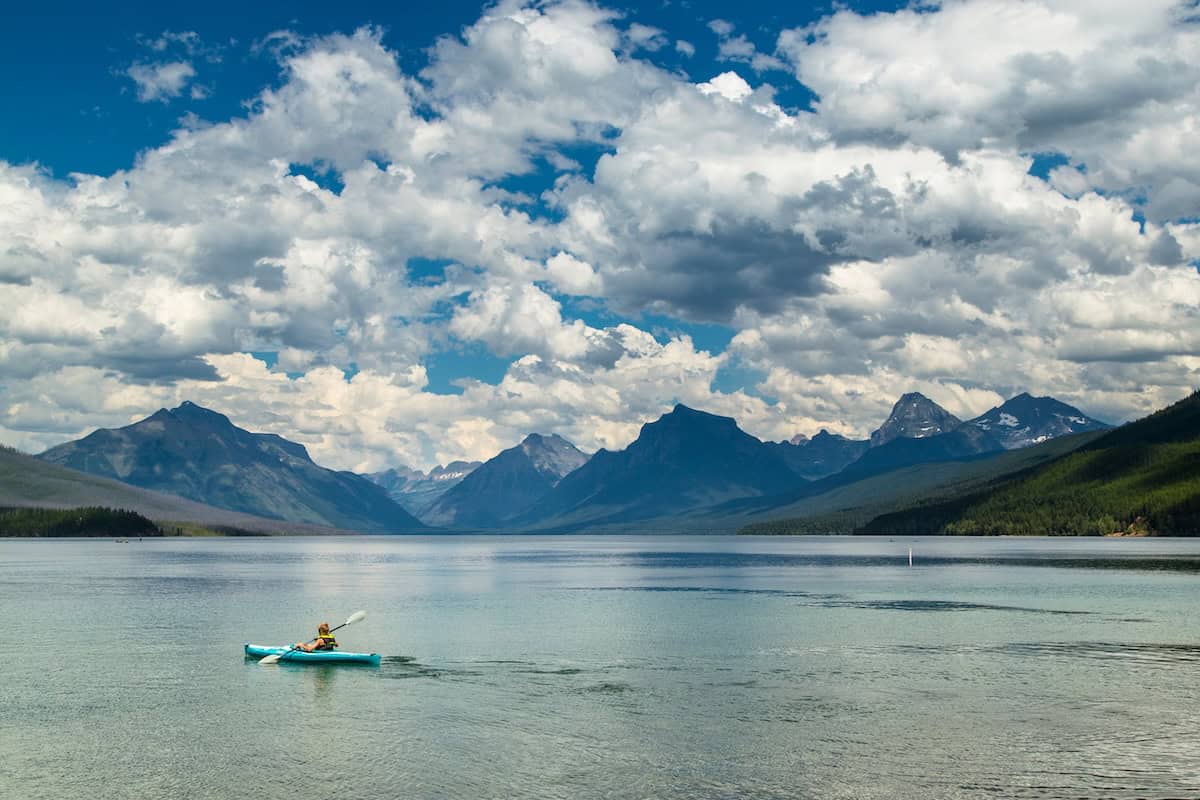
Geography & Metrics: Located entirely within Glacier National Park near the West Glacier entrance, Lake McDonald stretches across 10 miles of shoreline and plunges to a staggering depth of over 470 feet.
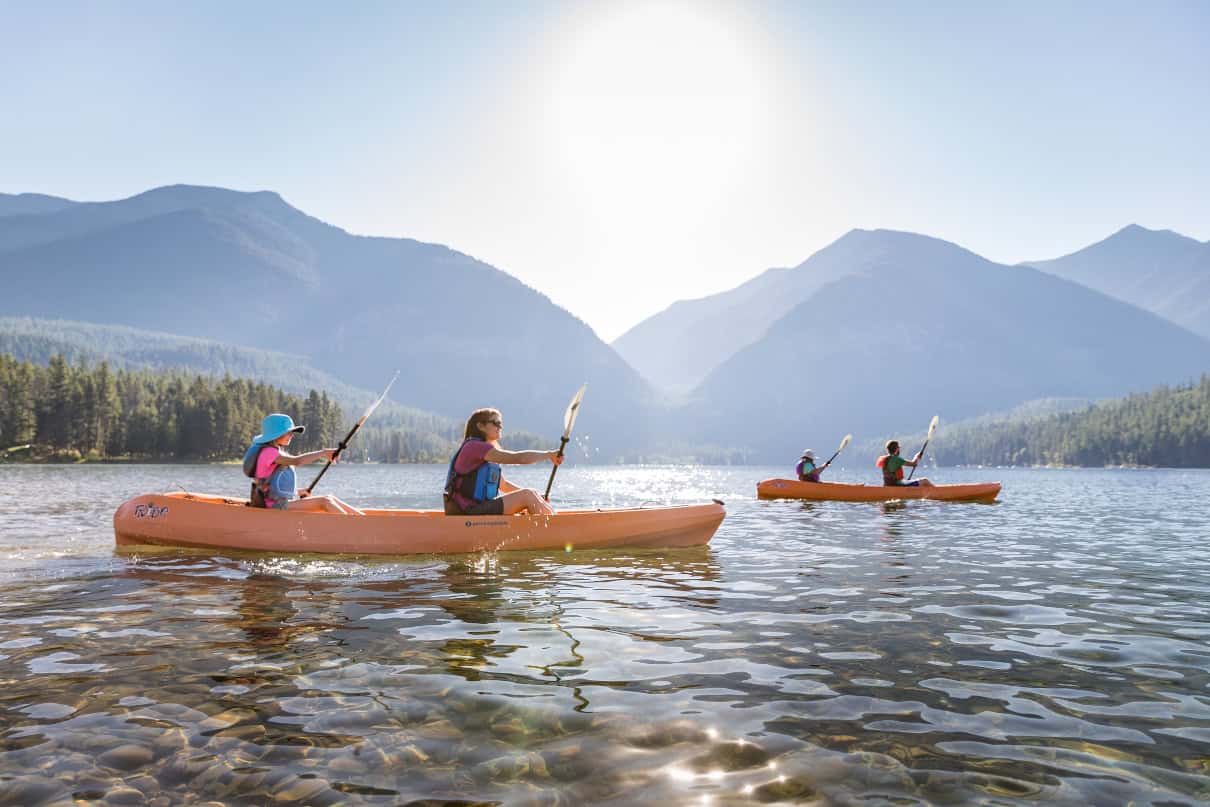
The Experience: Fed by pristine glacial runoff and snowmelt, the lake offers astonishing water clarity, with underwater visibility reaching up to 80 feet. Beneath the surface lie multi-colored argillite pebbles in shades of green, blue, red, and purple. Flanked by towering peaks, the lake serves as a giant mirror on calm mornings. Paddlers frequently encounter bighorn sheep and bears along the timbered shoreline.
Navigational Caution: Due to its immense popularity, the West Glacier corridor experiences heavy congestion. Early morning excursions or shoulder-season (fall) visits are strongly advised to secure parking and tranquil waters.
3. Whitefish Lake: The Ideal Beginner’s Haven
Geography & Metrics: Situated roughly 40 minutes north of Flathead Lake at the base of Whitefish Mountain Resort, this compact alpine lake features deep-water clarity and feeds directly into the 2.5-mile winding Whitefish River.
The Experience: Because the lake is smaller and tightly hemmed in by steep, forested mountains that buffer against high winds, its water conditions remain consistently calm. This makes Whitefish Lake the premier destination in the region for novice paddlers, families, and those seeking a low-stress recreational outing.
Navigational Caution: Boat ramps are seasonally locked between October and April. Summer visitors launching prior to staffed hours must secure an Early Angler Permit.
4. Earthquake Lake (Quake Lake): The History Buff’s Excursion
Geography & Metrics: Spanning approximately 6 miles in length and reaching depths of up to 125 feet, Quake Lake is situated along the Madison River corridor in southwestern Montana.
The Experience: Paddling here is an otherworldly experience. Navigators weave through a preserved "ghost forest"—the skeletal remains of mature conifers drowned in the wake of the 1959 earthquake. The Earthquake Lake Visitor Center provides deep context into the seismic mechanics and human history of the disaster.
Navigational Caution: Submerged timber and sharp, skeletal tree snags pose an immediate hazard to watercraft fins, rudders, and inflatable hulls. Afternoon winds can also whip up dangerous chop.
5. Hyalite Reservoir: The Ultimate Mountain-to-Trail Combo
Geography & Metrics: Located 10 miles up Hyalite Canyon near Bozeman, this 206-acre reservoir was originally constructed in the 1940s and expanded in 1993.
The Experience: Operating strictly as a no-wake zone, Hyalite Reservoir prohibits high-speed motorized craft, ensuring tranquil conditions for SUPers, canoeists, and kayakers. The surrounding Gallatin Mountain Range offers world-class alpine scenery and easy access to terrestrial hiking trails, such as the 1.1-mile Palisade Falls route.
Navigational Caution: Certain sections of the reservoir and its feeder streams enforce strict catch-and-release fishing regulations; anglers must verify rules prior to casting.
6. Hebgen Lake: The Angler’s Paradise
Geography & Metrics: Measuring 16 miles long and 4 miles wide, this man-made reservoir sits just 10 miles northwest of West Yellowstone.
The Experience: Hebgen Lake is renowned among kayaker-anglers for harboring robust populations of trophy-sized rainbow and brown trout. While mid-summer offers warm recreation weather, late May through mid-July brings prolific chironomid hatches that drive large trout aggressively to the surface.
Navigational Caution: Motorboats are permitted on Hebgen Lake; paddlers should maintain high situational awareness and share the waterways responsibly. Mosquito populations can also be intense along the wooded shoreline.
Official Statements and Regulatory Frameworks
Managing thousands of sprawling water bodies requires rigorous oversight to balance public recreation with ecological preservation. State and tribal agencies emphasize strict compliance with environmental protection protocols.
"Under the Montana Constitution, all surface waters belong to the state for the use of its people, establishing an inviolable public right to access. However, this privilege comes with a profound stewardship responsibility. Invasive aquatic species and whirling disease pose severe threats to our aquatic ecosystems. Mandatory watercraft inspections are not merely bureaucratic hurdles; they are the frontline defense for Montana’s natural heritage."
— Montana Department of Fish, Wildlife and Parks (FWP) Statement on Aquatic Resource Management
Furthermore, jurisdictional boundaries require cross-agency awareness. As noted by tribal authorities regarding southern Flathead Lake:
"Recreationists operating within the exterior boundaries of the Flathead Indian Reservation—managed jointly by the Confederated Salish and Kootenai Tribes (CSKT)—must respect sovereign tribal lands and secure appropriate recreation permits prior to launching vessels or establishing shore camps."
Future Outlook: Conservation, Access, and Climate Pressures
As Montana continues to experience a surge in domestic migration and tourism, the long-term sustainability of its aquatic ecosystems faces mounting challenges. Protecting the integrity of these 3,223+ lakes requires proactive adaptation from both lawmakers and outdoor enthusiasts.
1. Combating Aquatic Invasive Species (AIS)
The primary ecological threat to Montana’s pristine waters is the potential introduction of zebra and quagga mussels, Eurasian watermilfoil, and other invasive pathogens. State-operated inspection stations (such as those along the approaches to Glacier National Park and Whitefish Lake) are expanding their operational windows. The future of Montana paddling relies heavily on the strict adherence of the "Clean, Drain, Dry" protocol by every non-resident and resident watercraft owner.
2. Climate Change and Snowpack Dynamics
Because the vast majority of Montana’s iconic lakes—most notably Lake McDonald and Hyalite Reservoir—rely directly on alpine snowpack and glacial meltwater for their volume and clarity, shifting climatic patterns present a long-term variable. Accelerated glacial recession and earlier spring runoff peaks threaten to alter seasonal water temperatures, potentially impacting native fish populations such as cutthroat trout and Arctic grayling, while increasing the frequency of late-summer drought conditions and wildfire smoke impacts.
3. Preserving Public Access Rights
While the Montana Constitution famously guarantees public access to state waters, increasing private land development around premier shorelines (such as Flathead and Whitefish lakes) places continuous pressure on traditional access points. The expansion of state parks, such as the recent establishment of Somers Beach State Park, signals a vital commitment by state agencies to acquire and protect public shoreline corridors for future generations.
Essential Safety & Compliance Checklist
Personal Flotation Devices (PFDs): Always wear a properly fitted, Coast Guard-approved PFD tailored to your activity.
Thermal Preparedness: Montana’s alpine and glacier-fed waters remain intensely cold throughout the year; dress for immersion and water temperature, not just air temperature.
Mandatory Inspections: Nonresidents and travelers entering Montana must have all watercraft (motorized and non-motorized, including SUPs and kayaks) inspected for aquatic invasive species prior to launching. Visit cleandraindry.org for inspection station locations and protocols.