








Executive Overview
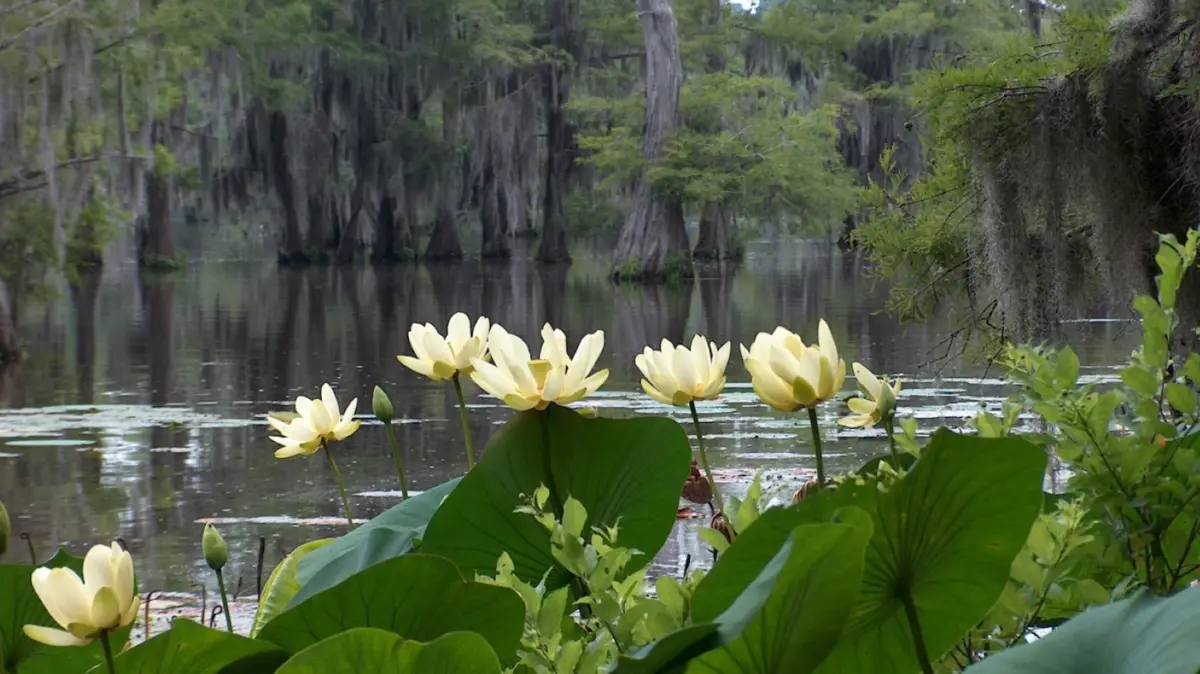
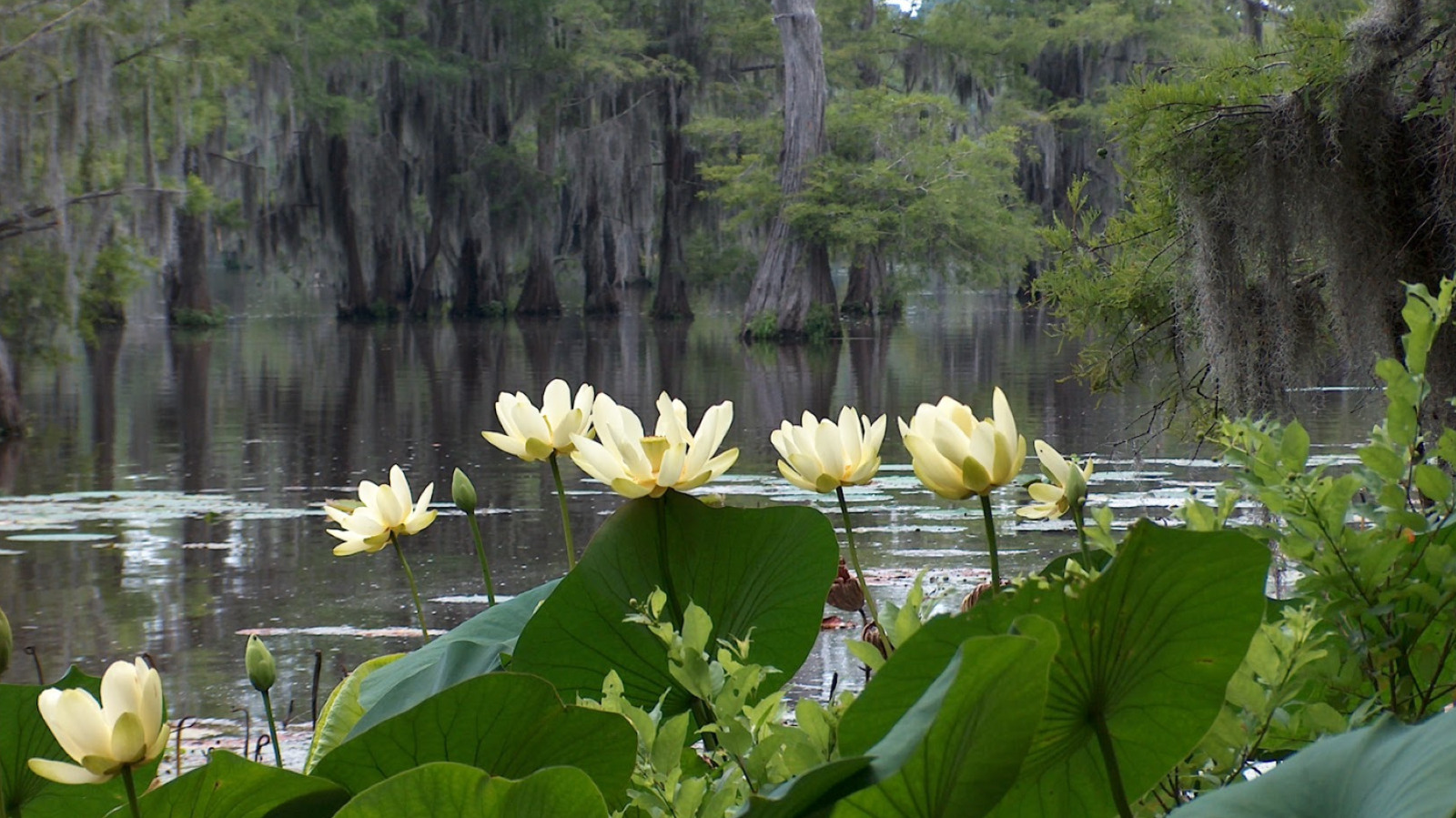
Tucked away in the undulating pine forests and tranquil marshlands of northwest Louisiana lies one of the Pelican State’s best-kept ecological secrets: Lake Bistineau State Park. Situated just over a half-hour drive from Shreveport—Louisiana’s third-most-populous city—this sprawling natural sanctuary offers an immersive escape from the hustle and bustle of urban life. Spanning the western shores of the magnificent 17,000-acre Lake Bistineau, the park is defined by the ethereal beauty of its cypress trees draped in heavy veils of Spanish moss, glassy waters reflecting the southern sky, and a rich biodiversity that has captivated nature lovers for generations.
While Louisiana is internationally famous for the jazz, architecture, and culinary mastery of New Orleans, destinations like Lake Bistineau State Park reveal a different, quieter side of the state’s diverse geography. Offering a comprehensive suite of outdoor recreational opportunities—including premier freshwater fishing, miles of scenic hiking and equestrian trails, and a variety of rustic overnight accommodations ranging from modern RV campsites to secluded cabins and group lodges—the park serves as a vital gateway for outdoor education, conservation, and family recreation in Webster Parish.
Detailed Chronology and Historical Context
From Native Roots to Modern Recreation
The history of Lake Bistineau is deeply rooted in the cultural heritage of the region’s original inhabitants. The very name "Bistineau" is a French adaptation of the original Native American term Bistino, which translates evocatively to "big broth." This nomenclature speaks volumes about the early ecological makeup of the water body—a nutrient-rich, dynamic aquatic environment teeming with life.
Over centuries, the landscape evolved from an indigenous hunting and fishing ground into a vital frontier for early settlers, who relied on the lake’s abundant resources for survival and trade. In the mid-20th century, recognizing the immense ecological and recreational value of the region, the state established Lake Bistineau State Park to protect the shoreline habitats and provide public access to the lake’s unique ecosystem.
Evolution of Park Infrastructure
In the decades following its establishment, the park underwent a series of strategic infrastructure developments designed to balance heavy recreational use with environmental stewardship. Early phases focused primarily on basic day-use amenities, such as boat launches, picnic areas, and primitive camping grounds. However, recognizing the growing demand for structured eco-tourism, the Louisiana Office of State Parks systematically expanded the park’s capabilities.
The modern era of Lake Bistineau State Park features a fully integrated network of amenities:
- The 1970s and 1980s: Introduction of formalized electrical and water RV campsites, along with the construction of multi-mile hiking trails to encourage pedestrian exploration of the interior woodlands.
- The 1990s to 2010s: Upgrades to overnight facilities, including the addition of deluxe climate-controlled cabins, a group camp facility comprising 20 dedicated cabins, and a multipurpose group lodge capable of accommodating large gatherings.
- Recent Decades: Enhanced trail management partnerships, such as collaborations with local youth organizations like Girl Scout Riley Troop 1358 to catalog and interpret local flora, ensuring that conservation education remains at the forefront of the visitor experience.
Supporting Context and Metrics
Geography, Climate, and Accessibility
Lake Bistineau State Park is nestled within Webster Parish, immediately adjacent to the small town of Doyline—a tight-knit community with a population of fewer than 1,000 residents. Despite its rural setting, the park’s geographic proximity to the Shreveport-Bossier City metropolitan area makes it remarkably accessible. Visitors flying into Shreveport Regional Airport or driving along Interstate 20 can reach the park gates in approximately 35 minutes.
The region experiences a humid subtropical climate characterized by mild winters and hot, humid summers. Spring and autumn are widely regarded as the optimal seasons for visitation, offering pleasant daytime temperatures that favor extended hiking excursions and productive fishing outings.
Recreational Assets: On the Water
The focal point of the park is Lake Bistineau itself, an expansive 17,000-acre reservoir that provides a classic Louisiana wetland experience.
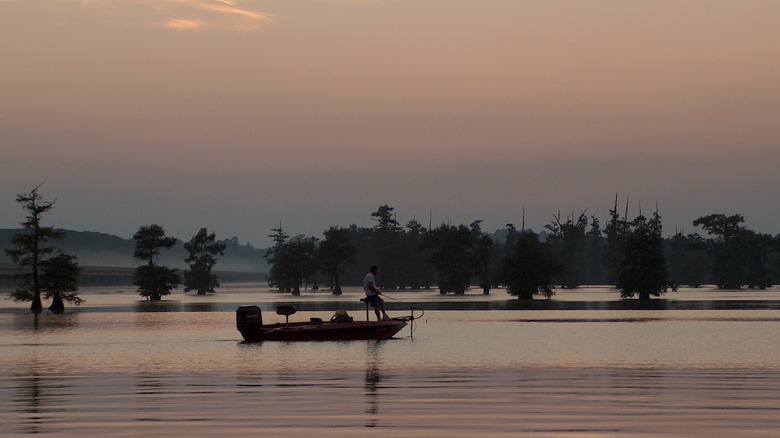
- Boating and Angling: The state park features two well-maintained concrete boat ramps situated on its western shore, serving as the primary launch points for anglers targeting the lake’s robust fish populations. The water is renowned among local sports fishermen for yielding impressive catches of largemouth bass (with specimens occasionally exceeding 12 pounds), black crappie (commonly referred to locally as "sac-a-lait"), channel catfish, and various species of bream.
- Ecological Management: Managing an aquatic ecosystem of this scale requires active intervention. The Louisiana Department of Wildlife and Fisheries (LDWF) periodically executes controlled lake drawdowns. These carefully planned water-level reductions are critical environmental management tools designed to combat the spread of invasive aquatic vegetation, most notably giant salvinia, which can choke out native species if left unchecked. While these drawdowns temporarily close the park’s boat ramps, the terrestrial park grounds, hiking trails, and overnight facilities remain fully operational.
Recreational Assets: On the Land
Beyond the waterline, Lake Bistineau State Park preserves a diverse upland forest ecosystem characterized by mixed pine and hardwood canopies.
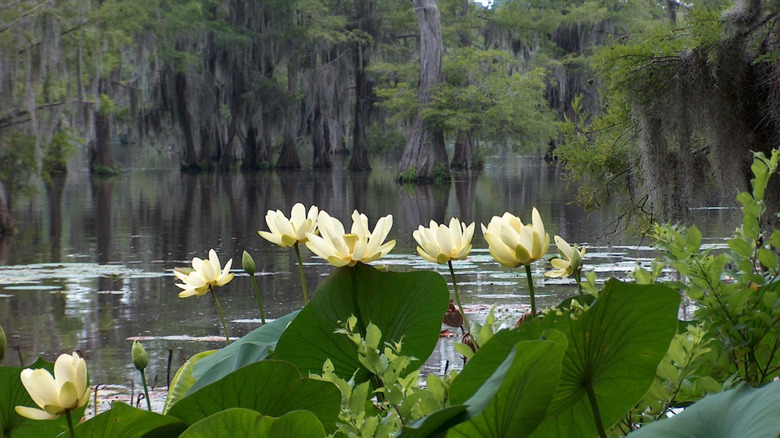
- Hiking Trails: The park maintains a robust network of five distinct hiking trails, ranging from a breezy 0.4-mile stroll to the more immersive 3.8-mile Willis Homestead Trail. These paths traverse varied terrain, showcasing a rich tapestry of native flora. Thanks to community-driven cataloging efforts—including detailed guides compiled by local Girl Scouts—hikers can readily identify signature regional plants such as sparkleberry, possumhaw, French mulberry, wild muscadine grapes, and less common arboreal specimens like the Florida maple and prickly ash.
- Equestrian Trails: For horseback riders, the park features a dedicated 6-mile equestrian trail. This path allows riders to experience the quiet interior of the woodland reserve from a unique vantage point, complete with trailer parking and staging areas designed to accommodate equine visitors.
Accommodations and Infrastructure Metrics
To support multi-day stays, the park offers an array of well-maintained lodging options:
- Campsites: A total of 61 dedicated RV and tent campsites, each equipped with dependable water and electrical hookups.
- Deluxe Cabins: Seven climate-controlled deluxe cabins that sleep up to eight guests each, featuring modern kitchen appliances, comfortable living spaces, and ADA-accessible options to ensure inclusive access.
- Group Facilities: A spacious group lodge capable of comfortably housing up to 14 individuals, alongside a dedicated group camp complex consisting of 20 smaller cabins designed to host youth organizations, family reunions, and outdoor clubs.
Official Statements and Local Perspectives
The cultural resonance of Lake Bistineau State Park extends far beyond its physical infrastructure; it holds a profound place in the collective memory of the surrounding communities. Local historians and long-term residents frequently emphasize the park’s role as a vital custodian of regional identity.
"Growing up on this enchanting lake in northwest Louisiana gave me the opportunity to connect deeply with the natural world," reflects a long-time Webster Parish advocate. "Whether it was catching my first fish with family or walking the shaded woodland paths, Lake Bistineau State Park represents the quintessential rural heritage of our state—a quiet sanctuary where the noise of the modern world fades away beneath the hanging Spanish moss."
Regional tourism representatives emphasize that while international visitors naturally gravitate toward high-profile urban destinations like New Orleans—recently recognized by TripAdvisor as a top U.S. destination for 2026—the state’s true cultural and natural depth is found in its rural parishes.
"When travelers venture beyond the major metropolitan areas and explore hidden gems like Lake Bistineau State Park and nearby Minden—widely celebrated as the South’s friendliest city—they discover the authentic heartbeat of Louisiana," notes a regional tourism spokesperson. "Our parks offer a restorative counter-balance to the fast pace of modern travel, inviting visitors to slow down, learn local pronunciations, and engage directly with our unique ecosystems."
Future Outlook and Conservation Strategy
As Louisiana looks toward the future of eco-tourism and outdoor recreation, the strategic management of Lake Bistineau State Park remains a priority for state agencies and local stakeholders. Balancing public access with rigorous environmental conservation is the central challenge guiding upcoming municipal and state initiatives.
Environmental Safeguards and Invasive Species Control
The ongoing battle against invasive plant species, particularly giant salvinia, requires constant vigilance. The Louisiana Department of Wildlife and Fisheries, in close coordination with park management, continues to refine its schedule of water-level drawdowns and biological control methods. Future outlooks depend heavily on adaptive management strategies that minimize disruption to recreational anglers while aggressively protecting the native aquatic flora and fauna that give Lake Bistineau its unique character.
Infrastructure Modernization and Community Outreach
To ensure the park remains appealing to subsequent generations of outdoor enthusiasts, state investments are slated for trail maintenance, cabin modernization, and enhanced educational programming. Collaborations with local schools, scouting organizations, and environmental groups will continue to produce digital and print resources—such as interpretive trail guides—that foster a sense of environmental stewardship among visitors.
Furthermore, regional economic developers are working to strengthen the tourism corridor connecting Lake Bistineau State Park with neighboring Minden and the broader Webster Parish area. By promoting bundled itineraries that pair wilderness exploration with historic downtown shopping, local culinary experiences, and cultural festivals, the region aims to position itself as a premier destination for sustainable, low-impact travel.
Ultimately, Lake Bistineau State Park stands as a testament to the enduring appeal of Louisiana’s natural landscapes. By preserving its tranquil waters, ancient cypress groves, and diverse wildlife habitats, the park guarantees that future generations will continue to find inspiration, recreation, and solace within its woodland borders.