





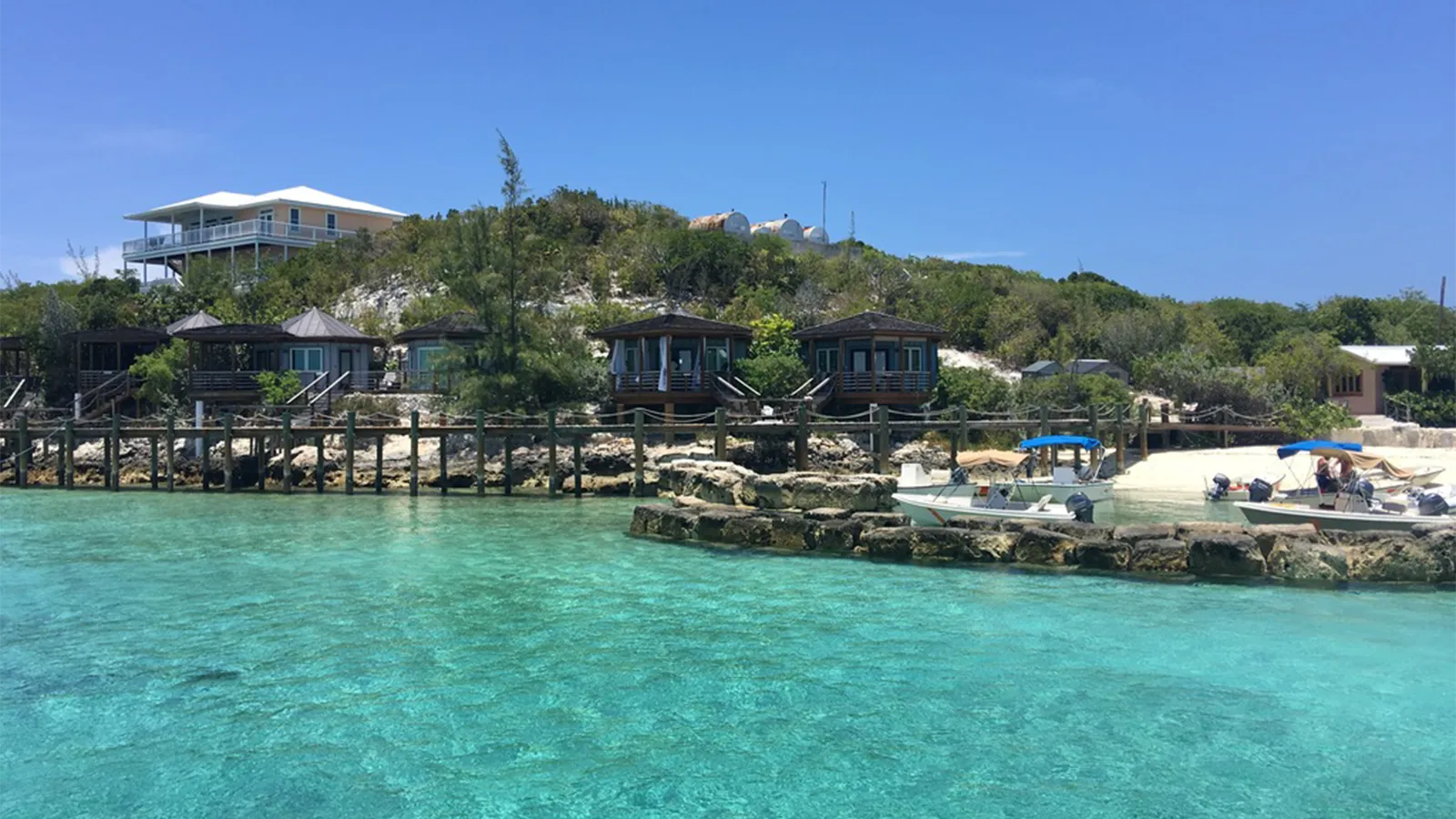
EXUMA CAYS, The Bahamas — In an era dominated by mega-resorts, sprawling all-inclusive complexes, and glass-and-steel skyscrapers stamped with international luxury brands, true island escapism has become an increasingly elusive commodity. While Nassau and Paradise Island continue their rapid vertical expansion with multi-billion-dollar tourism developments, a very different narrative is unfolding across the archipelago’s storied Family Islands—historically known as the Out Islands.
Here, far removed from the clamor of cruise ports and high-rise casinos, luxury is measured not by gilded ballrooms or synchronized infinity pools, but by barefoot accessibility, pristine untouched coastlines, and a profound, unfiltered connection to the local environment.
Following extensive, firsthand on-the-ground evaluations by travel journalists who have lived, sailed, and stayed across the Bahamian archipelago, five boutique properties have emerged as the standard-bearers of this authentic regional identity. Spanning from the central Exumas to the northern fringes of Abaco, these properties—Staniel Cay Yacht Club, Bluff House Beach Resort and Marina, Rollezz Villas Beach Resort, Pink Sands Resort, and the Bimini Big Game Club—offer a masterclass in independent island hospitality.
Though vastly different in architectural style, local culture, and geographic terrain, these five independent properties share a singular, unifying ethos: they do not insulate travelers from The Bahamas; rather, they plunge them headfirst into it.
Executive Overview: The Architecture of Out Island Authenticity
The modern tourism landscape in the Caribbean is frequently characterized by homogenization. Travelers often check into luxury monoliths that could just as easily exist in Dubai, Miami, or Mexico, experiencing a sanitized, predictable version of the destination.
The Out Islands of The Bahamas—comprising hundreds of small cays and larger islands scattered across the Great and Little Bahama Banks—defy this corporate mold. Life here moves to the rhythm of the tides, the seasonal migrations of bonefish, and the arrival of the mailboat. Infrastructure is intentionally sparse. Transportation relies heavily on golf carts, bicycles, skiffs, and the occasional bicycle rather than fleet limousines.
THE OUT ISLAND EXPERIENCE vs. MEGA-RESORT TOURISM
-------------------------------------------------------------------------
Feature               Out Islands (The Five)      Mass Tourism Resorts
-------------------------------------------------------------------------
Primary Transit       Boats & Golf Carts          Taxis, Buses, Shuttles
Accommodations        Bungalows & Cottages        Multi-story Towers
Dining                Local Shacks & Docks        Corporate Restaurants
Social Epicenter      Marinas & Historic Bars     Lobbies & Casinos
Environmental Link    Direct Beach-to-Water       Buffered & Commercial
The five selected properties represent a masterclass in preserving this delicate ecosystem of travel. To stay at any of them is to step away from the passive consumption of a resort experience and engage directly with a living, breathing community. Guests wake up steps from the high-tide line without traversing acres of manicured corridors. They dine at tables where the person next to them may have been returning annually for decades. They navigate their days by plotting courses on marine charts or trading stories with local captains over cracked conch and ice-cold Kalik beer.
This report provides an exhaustive examination of these five distinct properties, analyzing their operational philosophies, geographic significance, and their vital roles in safeguarding the cultural heritage of the Bahamian Out Islands.
Detailed Chronology: The Evolution of Out Island Hospitality
To understand why these five hotels feel so fundamentally different from modern resort developments, one must examine their historical evolution. Long before commercial aviation transformed Nassau into a global tourism hub, the Out Islands operated as self-sufficient maritime communities driven by sponging, boatbuilding, fishing, and trade.
1956: The Genesis of Staniel Cay Yacht Club (Exuma Cays)
In the mid-1950s, the Exumas were largely terra incognita to mainstream travelers. Accessible only by mailboat or private vessel, the cays were inhabited primarily by descendants of loyalists and freed slaves who eked out a living from the sea.
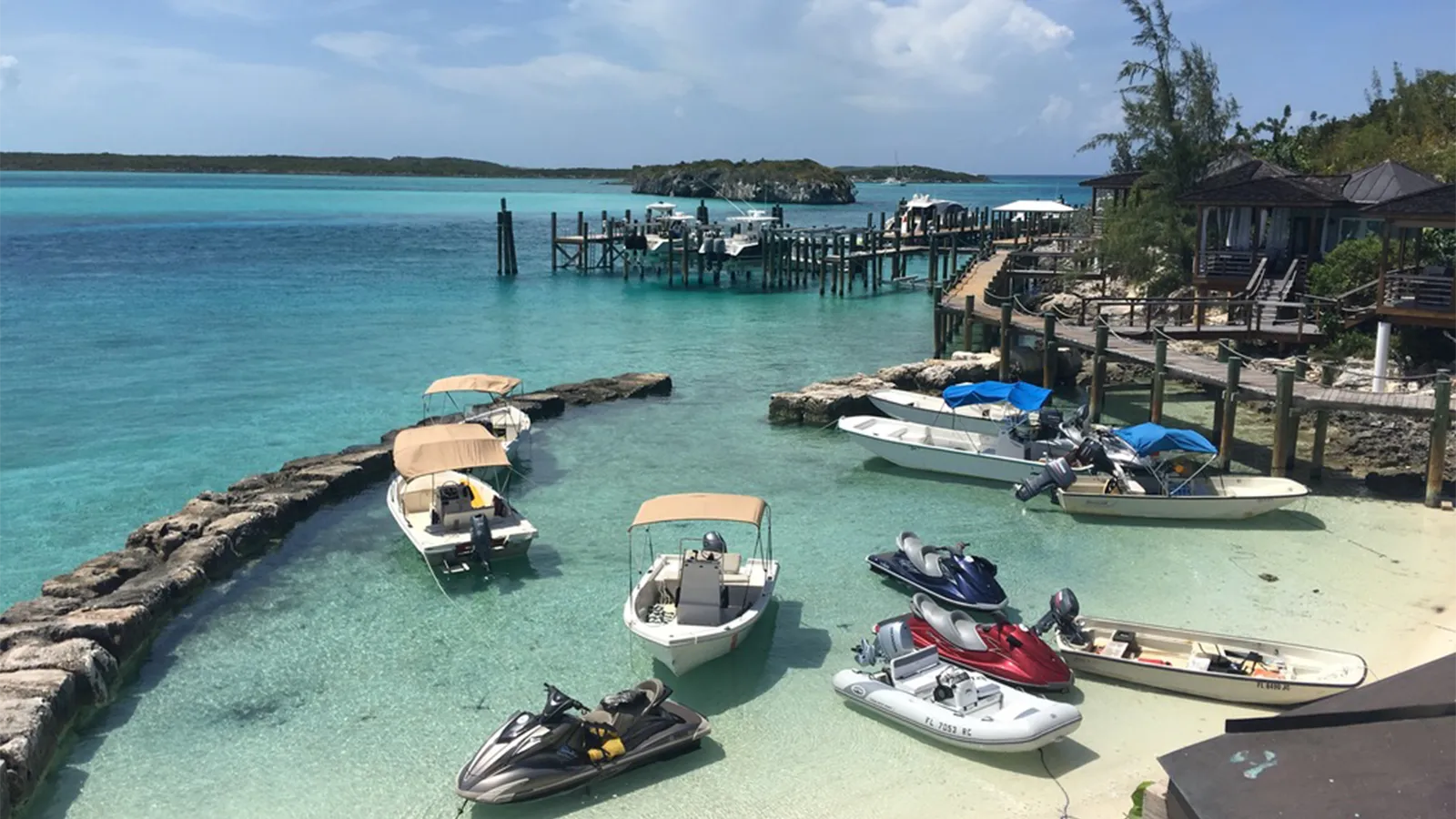
The founding of the Staniel Cay Yacht Club in 1956 changed the trajectory of the central Exumas forever. Established as a modest outpost for adventurous sailors navigating the treacherous yet breathtaking waters of Exuma Sound and the shallow banks, the club began with a simple vision: create a safe harbor, a welcoming gathering place, and a comfortable bed at the edge of the world.
Over the decades, Staniel Cay Yacht Club evolved without losing its soul. Its brightly colored waterfront bungalows grew organically around the central clubhouse and marina docks. As aviation infrastructure slowly improved in the Exumas—paving the way for a modest local airstrip—the yacht club transitioned from a strictly yachting secret to a legendary haven for discerning anglers, divers, and marine explorers.
Today, staying at Staniel Cay is less about checking into a hotel and more about embedding oneself within a living nautical culture. The marina acts as the pulsating heart of the cay. Guests step off their bungalow porches and immediately find themselves staring down a dock where skiffs are being rigged, dive tanks are being loaded, and captains are debating the best slack-tide window for visiting the nearby Thunderball Grotto.
Mid-Century Abaco: Bluff House Beach Resort and Marina (Green Turtle Cay)
Farther north in the Abaco chain, Green Turtle Cay holds a storied place in Bahamian history as a stronghold of early maritime settlement. Long before modern tourism maps were drawn, New Plymouth served as a bustling hub of commerce and boat construction.
It was against this historical backdrop that Bluff House Beach Resort and Marina took root. Situated strategically between White Sound and the Sea of Abaco, Bluff House earned its reputation as one of the oldest and most beloved yachting retreats in the northern Bahamas.
The property’s architecture reflects traditional Out Island design: low-profile, weather-hardened structures designed to blend harmoniously with the surrounding dense tropical foliage, cliffs, and powdery beaches. Over generations, Bluff House has weathered historical storms—both literal hurricanes and macroeconomic shifts—emerging each time with its fiercely independent spirit intact.
For sailors navigating the Abaco Sea, the sight of the bluff has signaled sanctuary for decades. The resort’s marina infrastructure, combined with its intimate beach cottages, offers a masterclass in understated coastal hospitality where history is palpable in every floorboard.
The Evolution of Cat Island: Rollezz Villas Beach Resort
While the Exumas and Abacos developed early reputations as yachting meccas, islands like Cat Island remained profoundly secluded, steeped in folklore, spirituality, and untouched natural beauty. Rising gently to the highest point in The Bahamas at Mount Alvernia, Cat Island moves at a meditative, unhurried pace.
Recognizing the need to showcase this distinct, deeply traditional side of Bahamian culture, Rollezz Villas Beach Resort established itself on the island’s dramatic Atlantic coast. Unlike the bustling marinas of the northern cays, Rollezz represents the quiet, contemplative side of Out Island travel.
Constructed with an emphasis on low-impact, sustainable integration into the sweeping pink-sand beachfronts of Cat Island, the resort offers spacious villas that look out over miles of uninterrupted ocean. There are no crowded pools or bustling commercial strips here. Instead, the daily itinerary is dictated by long beach walks, engaging with local residents in nearby settlements, and experiencing genuine, unscripted Bahamian warmth.
Harbour Island: Pink Sands Resort and Legendary Heritage
Harbour Island presents a fascinating paradox within the Out Islands. Famed globally for its iconic three-mile stretch of blush-colored sand, "Briland" has long attracted international jet-setters, fashion designers, and Hollywood royalty. Yet, despite its glamorous reputation, the island has fiercely protected its colonial-era soul.
At the center of this legacy stands Pink Sands Resort. Originally conceived to offer a secluded, residential-style retreat tucked away from the picturesque, pastel-painted streets of Dunmore Town, Pink Sands redefined barefoot luxury long before the phrase became a marketing cliché.
Spread across lush, bougainvillea-draped tropical grounds that descend directly onto the legendary pink shores, the resort marries understated elegance with authentic island charm. Guests navigate the island exclusively via golf carts, passing historic New England-style saltbox cottages and greeting local residents by name. Pink Sands proves that high-end hospitality and deep-rooted local character do not have to be mutually exclusive.
The Gateway to the Gulf Stream: Bimini Big Game Club (Alice Town)
No chronicle of Out Island heritage would be complete without acknowledging Bimini. Located just 50 miles off the coast of Florida, Bimini has historically served as the threshold to the Bahamian archipelago—a legendary staging ground for world-record sportfishing, legendary literary figures like Ernest Hemingway, and spirited maritime adventure.
At the epicenter of this rich history is the Bimini Big Game Club in Alice Town. Established in the mid-20th century as a premier destination for elite anglers chasing blue marlin, giant tuna, and bonefish across the Gulf Stream, the club quickly became an international institution.
Its classic marina docks have played host to generations of deep-sea fishing legends, conservationists, and travelers seeking raw adventure. Though modernized to meet contemporary standards of comfort, the Big Game Club retains its rugged, storied identity. The open-air patio bar remains one of the greatest watering holes in the Caribbean, where tall tales of epic battles with pelagic giants are swapped over rum punches as the sun sinks below the Florida Straits.
Supporting Context & Metrics: The Economic and Cultural Value of Independent Hospitality
The survival and ongoing success of these five independent properties carry significant weight within the broader context of Caribbean tourism economics and sustainable development.
According to regional tourism analyses, independent boutique hotels deliver a far higher percentage of tourist spending directly into the local community compared to all-inclusive mega-resorts. Because properties like Staniel Cay Yacht Club, Bluff House, Rollezz Villas, Pink Sands, and the Bimini Big Game Club do not operate massive, self-contained corporate ecosystems—such as internal mega-buffets, captive entertainment complexes, and multi-national retail arcades—their guests naturally venture out into the local settlements.
ECONOMIC LEAKAGE & LOCAL RETENTION
-------------------------------------------------------------------------
Metric Indicator            Boutique Out Island    All-Inclusive Mega-Resort
-------------------------------------------------------------------------
Local Dining Spend          High (~70-80%)         Low (<15%)
Excursion/Guide Booking     Directly with Locals   Corporate Tour Desk
Employment Local Hire       High Density           Corporate Management
Environmental Footprint     Low-Density / Scaled   High Infrastructure Load
Key Economic Dynamics of Out Island Tourism:
- Multiplier Effect on Dining: Guests staying at these five properties regularly dine at independent local establishments, from family-run fish fries in Cat Island to historic bakery shacks in Green Turtle Cay. This distributes tourism revenue directly to independent family entrepreneurs.
- Marine and Excursion Independence: Rather than booking standardized excursions through a corporate desk, travelers hire local captains, independent dive masters, and neighborhood guides. This directly supports the maritime freelance economy of the cays.
- Cultural Preservation: Small properties act as cultural anchors. By employing generations of local families, they help curb the outward migration of young Out Islanders to Nassau, preserving local dialects, boatbuilding techniques, and culinary traditions.
Official Perspectives: The Philosophy of Place
Industry leaders, veteran travel journalists, and property operators continually emphasize that the true currency of modern luxury is authenticity and spatial autonomy.
"When a traveler visits a mega-resort, they are navigating a corporate bubble designed to minimize friction. But when you stay at a place like Staniel Cay Yacht Club or the Bimini Big Game Club, you are entering a relationship with the island itself," notes a senior hospitality analyst specializing in Caribbean boutique properties. "You feel the weather. You respect the tides. You engage with the community. That is a vastly richer, more memorable form of travel."
This sentiment is echoed by long-term operators across the Out Islands, who view their properties not merely as places to sleep, but as custodians of local heritage.
"Our guests do not come here for marble lobbies or automated concierge apps," shares a veteran manager within the Abaco island chain. "They come because they want to walk out of their cottage, feel the sea spray, hop into a skiff, and genuinely experience the wild, untamed beauty of The Bahamas the way it was meant to be seen."
Future Outlook: Protecting the Out Island Spirit
As global tourism trends increasingly shift toward experiential travel, wellness, and sustainable tourism, the value of the Bahamian Out Islands is projected to rise exponentially. However, this growing demand presents a delicate conservation challenge.
Preserving the fragile balance of the Family Islands requires a disciplined commitment to low-density, sustainable development. Local government agencies, environmental trusts, and independent hoteliers face the ongoing task of upgrading vital infrastructure—such as solar micro-grids, water desalination systems, and eco-friendly waste management—without sacrificing the rustic charm that defines the region.
FUTURE OUT ISLAND SUSTAINABILITY PILLARS
-------------------------------------------------------------------------
Pillar               Strategic Focus
-------------------------------------------------------------------------
1. Energy Autonomy     Transitioning remote cays to solar & hybrid micro-grids.
2. Marine Protection   Expanding no-take marine reserves around key cays.
3. Cultural Heritage   Supporting local arts, fishing traditions, & historic preservation.
4. Scale Control       Enforcing zoning laws to prevent high-rise overdevelopment.
Properties like Staniel Cay Yacht Club, Bluff House Beach Resort and Marina, Rollezz Villas Beach Resort, Pink Sands Resort, and the Bimini Big Game Club serve as models for how this balance can be achieved. By prioritizing community integration, environmental respect, and historical continuity over rapid corporate expansion, these five properties ensure that the authentic soul of The Bahamas will endure for generations to come.
For the modern traveler willing to trade the sterile predictability of marble lobbies for the salt-sprayed authenticity of a dockside bungalow, a golf cart ride down a sandy lane, and an evening spent swapping stories with locals who have called paradise home for a lifetime, the Out Islands remain the ultimate destination.