









Executive Overview
In the modern landscape of public transportation, agencies frequently find themselves grappling with a paradox: while technology and urban mobility needs are evolving at a breakneck pace, the organizations tasked with managing these systems remain anchored to rigid, risk-averse operational models. According to Joshua Schank, former Chief Innovation Officer for the Los Angeles County Metropolitan Transportation Authority (LA Metro), the primary obstacle to progress in the public sector is rarely a lack of creativity or brilliant ideas. Instead, it is the formidable barrier of institutional inertia, entrenched bureaucracies, and a cultural aversion to failure.
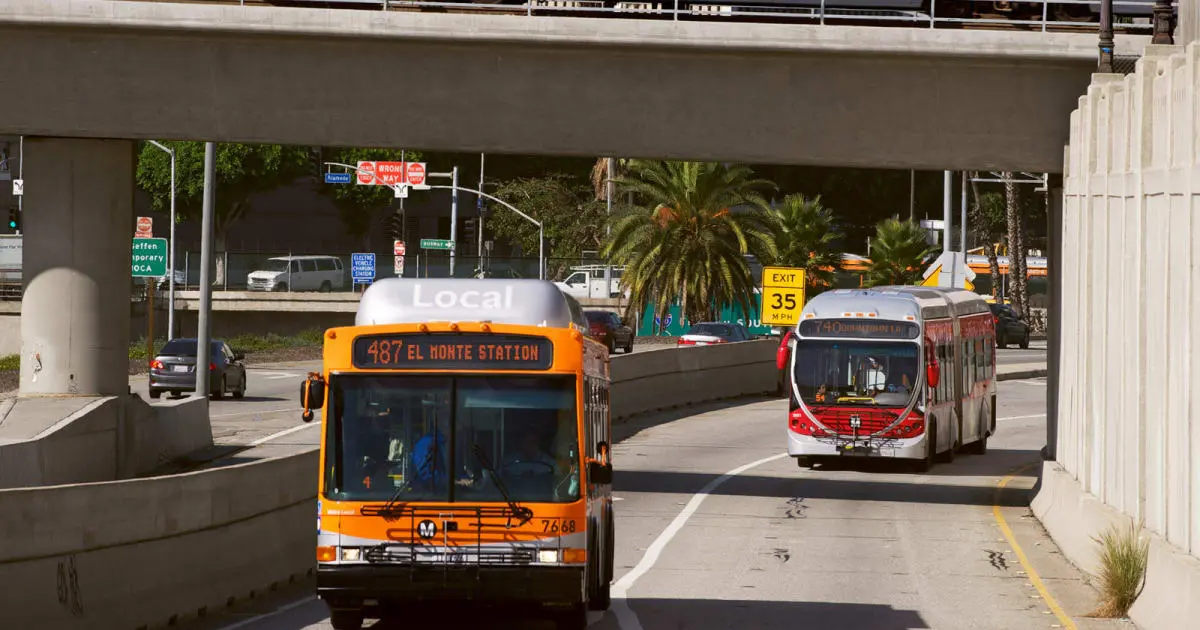
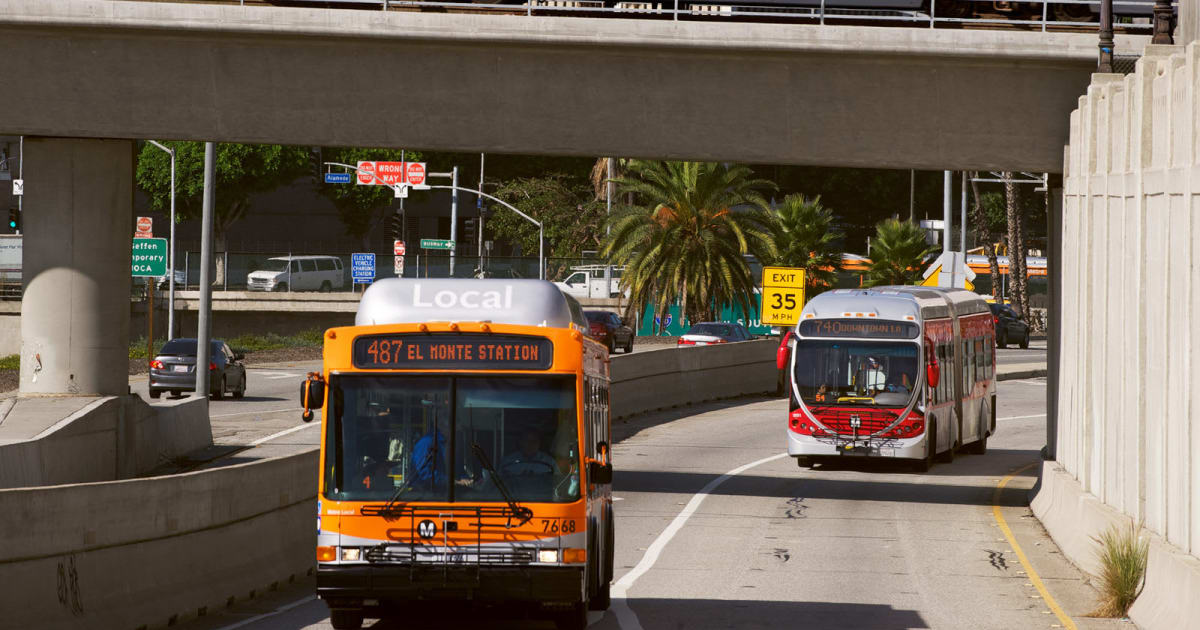
During a recent appearance on the METROspectives podcast, Schank—an urban planner by trade whose career spans leadership roles at New York’s Metropolitan Transportation Authority (MTA) and the Eno Center for Transportation—shared profound insights regarding his tenure at LA Metro. Tasked by then-CEO Phil Washington with building the agency’s pioneering Office of Extraordinary Innovation in 2015, Schank spearheaded initiatives that sought to redefine how a massive regional transit authority operates.
Today, as a partner at Infrastrategies, executive director of the ACES Mobility Coalition, and co-author of the book New Tricks for Old Bureaucracies, Schank reflects on what worked, what failed, and why today’s transit leaders must actively dismantle status quo bias. As urban centers face unprecedented fiscal pressures, shifting ridership patterns, and modern mobility disruptions, Schank’s blueprint for internal reform offers a vital roadmap for agencies striving to transform visionary concepts into lasting public benefit.

Detailed Chronology: Building and Testing the Office of Extraordinary Innovation
The genesis of LA Metro’s Office of Extraordinary Innovation dates back to 2015, a transformative period when Phil Washington prepared to assume the agency’s helm. Having previously served alongside Schank—then President and CEO of the Eno Center for Transportation—Washington recognized that traditional infrastructure investments and legacy operating models would not suffice to meet the mobility demands of a sprawling metropolis like Los Angeles. The region was poised for massive capital investments while emerging technologies and private-sector mobility models threatened to disrupt traditional public transit.
Cultivating an Internal Incubator
Washington established the Office of Extraordinary Innovation to serve as an internal incubator. Schank was brought on board to operationalize this vision, acting as a strategic bridge connecting LA Metro with academia, think tanks, and private-sector innovators. The office was explicitly designed to overhaul strategic planning, pioneer alternative project-delivery frameworks, and launch an unsolicited proposal program that allowed private enterprises to pitch novel ideas directly to the agency.
However, Schank quickly learned that generating creative concepts was the easiest part of the equation. Introducing unfamiliar models—such as on-demand microtransit—pushed an agency built primarily around fixed-route bus and rail operations well outside its comfort zone. Schank realized early on that isolation was fatal to innovation.
"You can’t do any of this stuff alone," Schank noted. "If you don’t have buy-in from all the different people within this 12,000-person agency that need to operationalize what it is you’re recommending, it’s really not going to go anywhere."

Tackling Controversial Policy: Congestion Pricing
By 2018 and 2019, Schank and his team began championing a far more politically sensitive initiative: congestion pricing. While Metro already operated priced express lanes, the innovation office pushed for a paradigm shift—pricing streets and highway lanes that motorists had historically used free of charge.
The primary roadblocks were not technical; they were political. Navigating the complex web of public skepticism and political pushback required strategic discipline. Rather than shying away from controversy, Schank embraced a pragmatic philosophy: pick your battles and win them. He reasoned that congestion pricing possessed the transformative power necessary to alter Los Angeles’s car-centric landscape, making the intense political struggle worthwhile.
Major Milestones: Automated Enforcement and Vision 2028
Two major accomplishments stand out from Schank’s tenure at LA Metro, illustrating the potential of targeted persistence:
- Automated Bus-Lane Enforcement: Illegally parked vehicles along high-density corridors like Wilshire Boulevard frequently crippled bus speeds, neutralizing the efficiency of dedicated transit lanes. An unsolicited proposal introduced the concept of camera-based enforcement. Because the practice was initially illegal under state law, Metro had to successfully lobby for legislative authority in Sacramento before executing a complex procurement and rollout. Today, automated bus-lane enforcement is an industry standard.
- Vision 2028 Strategic Plan: Adopted in 2018, this comprehensive framework fundamentally reframed Metro’s corporate identity. The plan asserted that the organization was not merely a transit operator or an infrastructure builder, but an entity taking full responsibility for regional mobility. This shift reoriented success metrics from simply delivering capital projects to tangibly improving how residents moved across Los Angeles County.
Supporting Context & Metrics: The Anatomy of Bureaucratic Resistance
Despite notable victories, Schank’s tenure was also defined by instructive defeats. One of his most frustrating roadblocks involved modernizing fare payment systems. The innovation office sought to transition Metro toward open-loop payment technologies, enabling riders to utilize contactless credit cards and smartphones rather than relying strictly on legacy transit cards.
However, the initiative collided with deeply entrenched internal resistance from traditional operational fiefdoms. Reflecting on the experience, Schank admitted that his team expended excessive time and capital attempting to penetrate an impenetrable department.
"You have to recognize the impenetrable fiefdoms that may exist," Schank warned. "Where are the battles that I cannot win? Where are the fiefdoms that cannot be penetrated? And move on."
The Psychology of Status Quo Bias
Schank identifies status quo bias as the single greatest impediment to public-sector innovation. Transit agencies routinely evaluate the risks of implementing change far more aggressively than the risks of maintaining a failing status quo. The incentive structures within government organizations heavily favor inaction: if an employee sticks with traditional methods and conditions deteriorate, few individuals are held personally accountable. Conversely, introducing a novel idea that fails makes an employee an immediate target for criticism.
Schank frequently compares this dynamic to football coaches historically opting to punt on fourth down rather than taking statistically advantageous risks to convert a first down. Only when a critical mass of coaches embraced analytics did the cultural perception of risk shift. Similarly, public transit agencies require an institutionalized "permission to fail."
At LA Metro, that protective umbrella was provided by CEO Phil Washington. Schank credits Washington’s willingness to absorb political fallout and shield the innovation team as the foundational pillar of the office’s success.
Official Statements and Industry Insights
In his post-Metro career, Schank continues to champion modern transit strategies through Infrastrategies and the ACES (Autonomous, Connected, Electric, and Shared) Mobility Coalition. His ongoing dialogue with transit executives highlights a tension between historical progress and post-pandemic risk aversion.
Over the past decade, many concepts championed by Schank—such as microtransit, real-time rider information, and enhanced digital customer experiences—have transitioned from experimental ideas to industry standards.
"That is encouraging," Schank observed regarding the broader industry shift toward customer experience. "There has also been a shift towards a greater emphasis on customer experience across the industry. And that’s really positive."
However, Schank warns that the COVID-19 pandemic triggered an instinctual retreat into risk aversion. Confronted with severe fiscal deficits, declining ridership, and difficult service reductions, many agencies have prioritized merely restoring baseline operations over exploring novel solutions. Schank argues that this defensive posture is fundamentally counterproductive.
"You would hope that crisis creates the opportunity for innovations, creates the opportunity to say, ‘Hey, we got to try something new,’" Schank stated. "The pace of change always needs to be accelerated. When there’s a crisis, when there’s a real challenge as we’re facing now, it needs to be accelerated even more urgently."
When consulting with agencies today, Schank avoids top-down mandates, noting that external consultants marching in with unsolicited blueprints rarely achieve sustainable results. Instead, his approach begins by listening to rank-and-file employees.
"The people within the agency know what the changes are that should occur," Schank explained. "We’re not just coming in and saying, ‘Here’s a good idea, you should do this.’ That wouldn’t get anywhere."
Through the ACES Mobility Coalition, Schank applies these exact principles on a national scale, fostering strategic partnerships between public transit authorities and private mobility providers to enhance first-and-last-mile connectivity.
Future Outlook: Charting the Next Era of Mobility
As public transportation systems navigate an increasingly complex future characterized by autonomous vehicle technology, shifting labor markets, and constrained municipal budgets, the philosophies articulated by Joshua Schank offer a clear prescription for survival and growth.
The era of building infrastructure purely for the sake of capacity expansion has passed. Modern transit agencies must evolve into comprehensive mobility managers, capable of blending fixed-route efficiency with agile, on-demand, and technology-driven solutions. Yet, achieving this transformation requires systemic cultural reform within public bureaucracies. Leaders must actively dismantle status quo bias, foster internal networks of changemakers, and establish environments where calculated experimentation is rewarded rather than penalized.
Ultimately, Schank’s journey at LA Metro proves that while visionary ideas are essential, they are merely the catalyst. True institutional change requires political courage, strategic alliance-building, and the wisdom to know when to pivot away from impenetrable obstacles in pursuit of meaningful, scalable progress.