


Executive Overview
Following a remarkably successful and culturally resonant debut year, Paddling Magazine has officially announced the return of its flagship youth-engagement initiative: the Paddling Kids Story Contest. Designed to ignite a lifelong passion for outdoor recreation, environmental stewardship, and literary expression, the 2026 iteration of the contest invites the next generation of adventurers to grab a paddle, head out onto lakes, rivers, and oceans, and articulate their most memorable summer tales.
In an era increasingly dominated by screen time and digital distractions, the contest serves as a vital bridge connecting children to the natural world. By encouraging young explorers to reflect on their aquatic adventures—whether navigating a gentle meandering stream in a canoe, braving coastal waters on a stand-up paddleboard, or embarking on multi-day backcountry raft expeditions—the competition fosters a deep-rooted appreciation for waterways and human-powered water sports.
Building upon the momentum of an inaugural year that completely overwhelmed editors and judges with the sheer volume, caliber, and emotional depth of submissions, the 2026 contest introduces critical structural enhancements. Most notably, the incorporation of distinct age brackets aims to level the playing field, ensuring that developmental differences in writing and audio-recording capabilities are accounted for equitably. As submissions prepare to officially open on September 1, 2026, the paddling community at large—from grassroots canoe clubs and school outdoor programs to youth summer camps and family networks—is mobilizing to ensure that young voices from every corner of the globe have the opportunity to share their stories.
Detailed Chronology: From Inaugural Success to the 2026 Evolution
To understand the strategic significance and anticipated scale of the 2026 Paddling Kids Story Contest, it is essential to examine the developmental timeline of this burgeoning initiative.
The Genesis: The 2025 Inaugural Season
When Paddling Magazine first conceptualized the Paddling Kids Story Contest, the editorial board hoped to carve out a dedicated space for youth perspectives within a medium traditionally dominated by adult expedition logs and gear reviews. The underlying hypothesis was simple: children experience the water with a unique sense of unvarnished wonder, unfiltered curiosity, and visceral excitement.
The response to the inaugural call for entries far exceeded all internal projections. Young paddlers from diverse geographic backgrounds submitted an impressive array of entries. The editorial team was consistently astonished by the participants’ emotional maturity, sharp observation skills, and unbridled enthusiasm. Stories ranged from humorous accounts of capsizing in backyard ponds to poignant reflections on generational bonding during multi-day wilderness camping trips.
However, this deluge of diverse entries also highlighted structural challenges. Evaluating a deeply reflective, sophisticated essay written by a pre-teen against an endearing, stream-of-consciousness audio clip from a much younger child proved exceptionally difficult for the judging panel. Recognizing the need for a more refined evaluative framework, the magazine’s leadership immediately began laying the groundwork for a more sophisticated, category-based format for the subsequent year.
The Refinement Phase: Late 2025 to Mid-2026
Following the close of the first contest cycle, organizers embarked on a comprehensive post-mortem analysis. Feedback from parents, educators, and young participants themselves underscored two primary desires: fairer competition metrics across developmental stages and more flexible submission pathways to accommodate varying levels of technological access and literacy skills.
During this period, the editorial board finalized the integration of structured age brackets. By consulting with youth education specialists and child development experts, the team established parameters that ensure children are judged relative to their peers. Furthermore, logistical preparations were made to streamline the digital submission portal at paddlingmag.com/paddling-kids, ensuring a seamless user experience for parents and guardians uploading files on behalf of minors.
The 2026 Launch and Future Timeline
- August 2026: Official global announcement of the 2026 Paddling Kids Story Contest, detailing new age categories, rules, and promotional toolkits for community clubs.
- September 1, 2026: Official submission portal opens. Young paddlers across the globe are invited to submit their written essays, audio files, and accompanying photographs.
- Fall/Winter 2026: Ongoing community outreach targeting local canoe clubs, school outdoor adventure programs, and youth camps to maximize geographic and demographic diversity among entrants.
- 2027: Announcement of category winners, publication of winning entries in Paddling Magazine and its digital channels, and the launch of retrospective features celebrating the evolution of youth paddling literature.
Supporting Context & Metrics: The State of Youth Paddling and Storytelling
The growth of the Paddling Kids Story Contest does not occur in a vacuum; it reflects broader cultural and sociological trends regarding youth engagement in outdoor recreation, environmental education, and creative literacy.
Bridging the Nature Deficit
In contemporary society, child psychologists and public health experts have frequently documented the phenomenon of "nature deficit disorder"—a term coined to describe the negative behavioral and physiological impacts of children spending less time outdoors. Human-powered water sports such as kayaking, canoeing, rafting, and paddleboarding offer a potent antidote to this modern affliction.
When a child steps into a watercraft, they enter an immediate state of active engagement. Balance, spatial awareness, physical endurance, and environmental mindfulness are required instantly. Waterways serve as living classrooms where young people learn to read currents, respect weather patterns, and observe local wildlife in its natural habitat. The Paddling Kids Story Contest provides a vital reflective mechanism for these experiences, encouraging children to process their physical adventures through introspection and narrative construction.
The Power of Multimedia Storytelling
Recognizing that literacy manifests in diverse ways among modern youth, the contest intentionally embraces both traditional written prose and modern audio-recording formats. This dual approach acknowledges that while some children excel at crafting traditional written narratives, others express themselves with far greater authenticity and emotional resonance through spoken word.
- Written Submissions: Foster fundamental literacy skills, vocabulary expansion, structural planning, and descriptive writing. Children learn to translate sensory experiences—the sound of a paddle dipping into glassy water, the smell of pine smoke at a riverside campsite, the adrenaline rush of navigating a minor riffle—into evocative text.
- Audio-Recording Submissions: Empower children who may struggle with physical writing or fine-motor constraints, while also capturing the raw inflection, laughter, gasps, and conversational warmth of youth voice. Audio files allow judges to hear the genuine excitement in a child’s voice as they recount a close encounter with a beaver or the triumph of completing their first portage.
Accompanying Visual Media
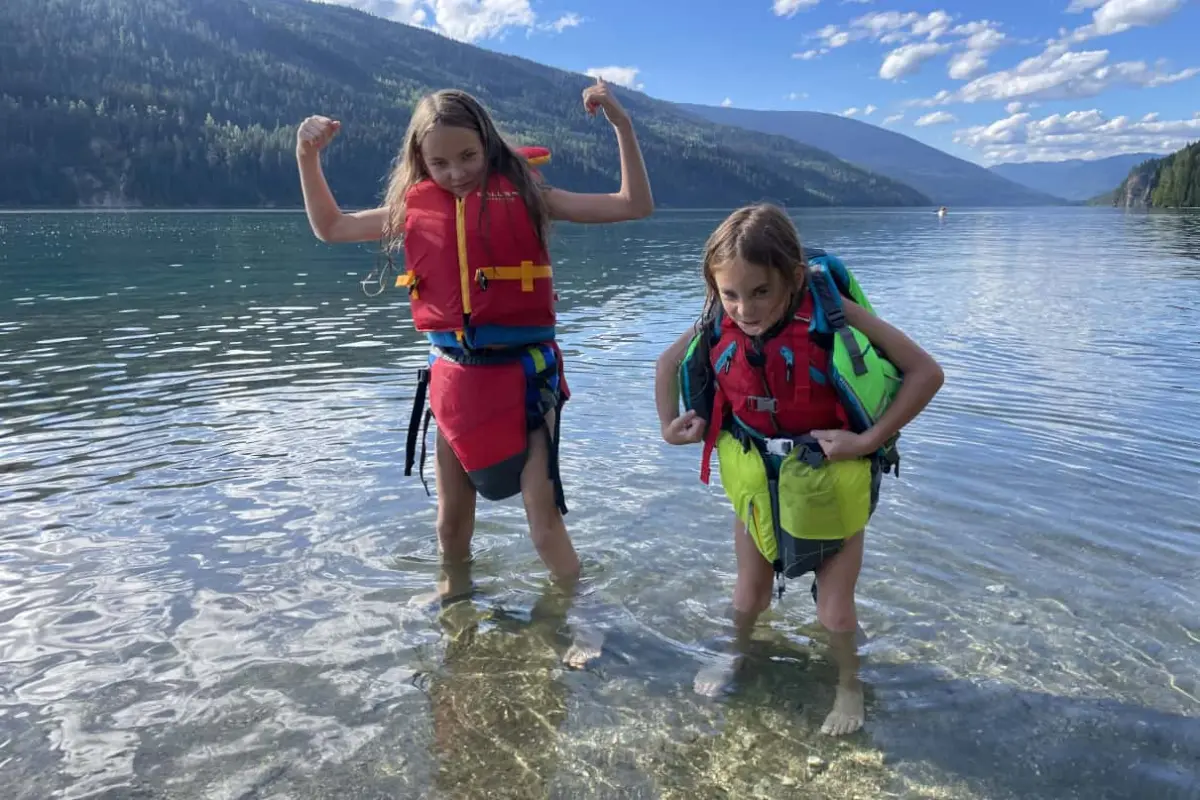
Photography plays an equally vital role in the contest architecture. Entrants are encouraged to submit their favorite photos taken from the water. In an era dominated by polished, hyper-curated social media feeds, the unvarnished, authentic snapshots submitted by young paddlers—often featuring messy hair, oversized life jackets, mud-splattered footwear, and radiant, gap-toothed grins—serve as powerful reminders of the pure joy found in simple outdoor exploration.
What’s New for the 2026 Competition
To ensure the integrity of the judging process and provide an equitable platform for every participant, the 2026 Paddling Kids Story Contest introduces a fundamental structural update: dedicated age categories with one winner designated per category.
The Challenge of Cross-Developmental Judging
During the inaugural 2025 contest, judges faced the formidable task of comparing creative writing and audio submissions from children spanning a wide developmental spectrum. Evaluating a heartfelt, complex narrative composed by a mature pre-teen against an endearing, simple anecdote told by a much younger child introduced inherent systemic challenges.
By establishing formal age brackets, Paddling Magazine has resolved this dilemma. The new categories ensure that participants are evaluated strictly against their developmental peers. A seven-year-old’s imaginative account of a mythical sea monster in a local lake will be judged on its own merits of charm and creativity, while a fourteen-year-old’s reflective essay on navigating a challenging river section will be evaluated based on advanced literary structure, pacing, and descriptive depth.
Detailed Breakdown of the New Categories
While exact age bracket definitions and naming conventions are detailed comprehensively within the official contest rules at paddlingmag.com/paddling-kids/#contest-rules, the new category-based framework is engineered around the following core principles:
- Early Childhood / Younger Explorers: Focused on capturing the uninhibited wonder of very young children, often featuring heavy parental dictation assistance or simple audio storytelling accompanied by vibrant family photos.
- Middle Childhood / Independent Adventurers: Tailored for elementary and middle school-aged children who are beginning to articulate personal agency, skill acquisition, and memorable peer or family excursions on the water.
- Early Adolescence / Seasoned Youth Paddlers: Designed for teenagers and older youth who possess advanced technical understanding, deep environmental awareness, and sophisticated narrative voice.
How to Enter: Guidelines and Essential Information
For parents, grandparents, educators, and youth group leaders looking to participate, the entry process is designed to be accessible, straightforward, and engaging.
Who is Eligible?
Any child or youth who has spent time exploring the water via canoe, kayak, raft, or stand-up paddleboard (SUP) during the relevant adventure season is eligible. Whether the excursion took place on a quiet suburban pond, a meandering regional river, a vast Great Lake, or during a rugged multi-day backcountry expedition, every unique water story is welcomed and valued.
Submission Formats
Participants may choose their preferred method of storytelling:
- Written Stories: Submitted as digital text documents or typed directly into the online entry portal.
- Audio Recordings: Submitted as digital audio files (such as MP3 or WAV formats) featuring the child reading or recounting their story aloud.
- Photographic Evidence: Every entry must be accompanied by at least one favorite photo captured during the water adventure.
Key Dates and Deadlines
- Window Opens: September 1, 2026.
- Submission Portal: Accessible exclusively via paddlingmag.com/paddling-kids.
- Inspiration Resources: Prospective entrants and mentors can review winning submissions from the previous year directly on the contest website to understand the tone, style, and creativity valued by the editorial board.
Community Mobilization and Collaborative Outreach
The ultimate success of the Paddling Kids Story Contest relies heavily on grassroots advocacy and community mobilization. Paddling Magazine is issuing an open call to community leaders, outdoor educators, and industry stakeholders to help spread the word far and wide.
Engaging Local Networks
To ensure that children from diverse socioeconomic and geographic backgrounds learn about the contest, organizers are encouraging leaders within the paddling ecosystem to actively promote the initiative:
- Local Canoe and Kayak Clubs: Coaches and trip leaders are urged to dedicate a portion of youth team meetings to discussing summer adventures and encouraging young members to write down or record their experiences.
- School Outdoor and Adventure Clubs: Educators can integrate the contest into English, journalism, or environmental science curricula as a creative writing assignment tied to outdoor experiential learning.
- Youth Summer Camps and Scouting Units: Camp directors and troop leaders can utilize the prompt as a reflective cabin activity during end-of-summer camp banquets or post-trip debriefs.
By activating these networks, the paddling community can ensure that the next generation of outdoor storytellers feels supported, recognized, and empowered to share their unique voices with a national and international audience.
Future Outlook: Cultivating the Stewards of Tomorrow
As the outdoor recreation industry continues to evolve in an increasingly complex environmental and technological landscape, the long-term health of paddle sports depends entirely on the engagement of youth. Programs like the Paddling Kids Story Contest do far more than entertain readers or showcase charming photographs; they perform vital cultural and ecological work.
When children write about their time on the water, they solidify their personal bonds with nature. They transition from passive participants to active custodians of our lakes, rivers, and oceans. A child who writes passionately about navigating a clean, flowing river is infinitely more likely to grow into an adult advocate for watershed conservation, clean water legislation, and responsible public land management.
Paddling Magazine remains deeply committed to nurturing this vital demographic. By refining the contest mechanics for 2026 through the introduction of equitable age categories, expanding digital accessibility, and inviting broader community collaboration, the publication is setting a new standard for youth engagement in adventure journalism.
As the September 1, 2026 submission window rapidly approaches, young adventurers across the globe are already unearthing their favorite paddling photographs, reflecting on sun-drenched riverbanks, and putting pen to paper (or voice to microphone). The paddling community stands ready to listen, read, and be inspired once more by the unfiltered wisdom and boundless curiosity of the next generation of watermen and waterwomen.
For complete contest rules, detailed submission guidelines, and inspiration from last year’s remarkable winners, please visit paddlingmag.com/paddling-kids/#contest-rules.