








Executive Overview
In a landmark development reshaping the maritime and logistics landscape of the Middle East, the Red Sea Gateway Terminal (RSGT) and the global shipping titan CMA CGM Group have officially finalized definitive agreements with the Saudi Ports Authority (Mawani). This high-stakes partnership is set to inject approximately $434 million into the joint development, equipping, and operation of a brand-new, ultra-modern facility: Terminal 4 at Jeddah Islamic Port.
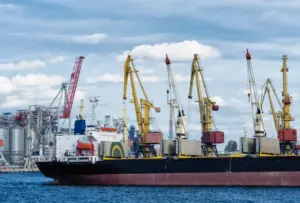
Strategically positioned along one of the world’s most critical maritime trade arteries, this ambitious infrastructure undertaking is designed to catapult the Kingdom of Saudi Arabia to the forefront of global logistics efficiency. By integrating cutting-edge terminal technologies, deep-water berths capable of servicing the largest ultra-large container vessels (ULCVs), and state-of-the-art automated handling equipment—including 10 advanced ship-to-shore (STS) cranes—Terminal 4 will radically expand the port’s throughput capabilities.
Once fully operational, the project will integrate seamlessly into RSGT’s existing concession footprint, adding an estimated 2.6 million TEUs (Twenty-Foot Equivalent Units) of annual handling capacity to Jeddah Islamic Port. This massive influx of capacity not only bolsters Saudi Arabia’s ambitious Vision 2030 objective to transform the nation into a global logistics powerhouse, but it also provides crucial supply chain resilience, enhanced productivity, and unmatched service reliability for international carriers and regional cargo owners alike.
Detailed Chronology of the Agreement
The journey toward the realization of Jeddah Islamic Port’s Terminal 4 represents the culmination of meticulous strategic planning, intense stakeholder negotiations, and a shared vision for the future of Red Sea commerce.
Phase 1: Strategic Alignment and Visionary Planning
The foundational groundwork for the expansion began taking shape as Saudi Arabia accelerated its national logistics strategy under Mawani. Recognizing that surging global trade volumes and the escalating size of container ships required proactive infrastructure upgrades, the Saudi Ports Authority sought to leverage private-sector expertise and foreign direct investment (FDI). RSGT, a world-class terminal operator with an established, highly successful track record at Jeddah Islamic Port, emerged as the natural anchor partner.
Phase 2: Integrating Global Expertise
To maximize the facility’s global reach, operational efficiency, and financial muscle, RSGT joined forces with the CMA CGM Group—one of the world’s leading maritime transport and logistics conglomerates. The convergence of RSGT’s localized operational mastery and CMA CGM’s vast global shipping network created a formidable alliance. Over preceding months, executive teams from RSGT, CMA CGM, and Mawani engaged in comprehensive feasibility studies, engineering assessments, and financial structuring to finalize the blueprint for Terminal 4.
Phase 3: The Definitive Signing
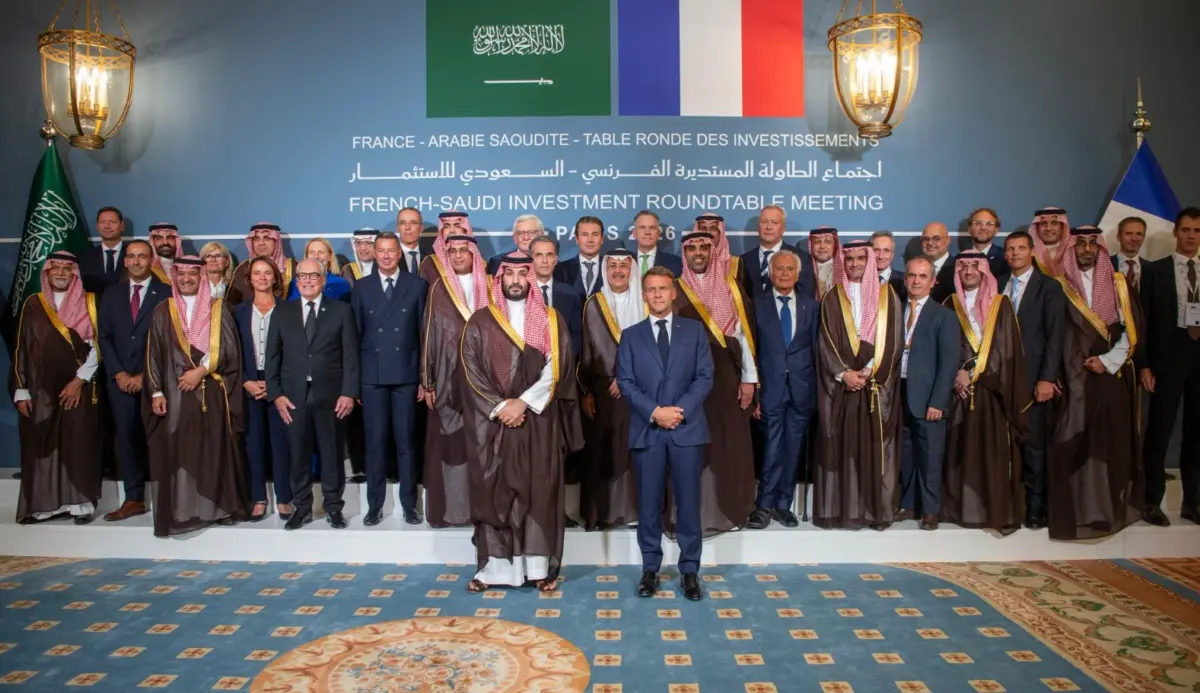
The multi-lateral negotiations culminated in the official execution of definitive agreements in late August 2026. Announced publicly by industry leaders, the pact solidified the $434 million investment framework. Under the terms of the agreement, the new terminal will be constructed directly adjacent to the existing RSGT complex, operating as a dedicated, high-efficiency container facility managed collectively under the newly minted RSGT-CMA CGM Partnership.

Supporting Context & Metrics: Powering the Red Sea Gateway
To fully appreciate the magnitude of the Terminal 4 project, one must examine the operational metrics and the broader geopolitical and economic context governing the Red Sea maritime corridor.
Financial and Capacity Metrics
- Total Investment: ~$434 million USD, channeled into civil works, superstructure, advanced automation, and deep-water dredging.
- Capacity Expansion: Addition of up to 2.6 million TEUs in annual handling capacity, significantly elevating Jeddah Islamic Port’s overall throughput ceiling.
- Crane Infrastructure: Deployment of 10 new, high-reach ship-to-shore (STS) cranes engineered to effortlessly load and unload the world’s largest mega-container ships.
- Geographical Footprint: Developed immediately adjacent to the current RSGT terminal complex, ensuring operational synergy and streamlined landside connectivity.
The Strategic Value of Jeddah Islamic Port
Jeddah Islamic Port handles a significant percentage of Saudi Arabia’s imports and exports, serving as the premier gateway on the Red Sea. Situated along the East-West trade route linking Asia, Europe, and Africa, the port is a critical node in international supply chains.
In recent years, global shipping lines have faced unprecedented disruptions, heightening the need for resilient, high-performance transshipment hubs. By embedding deep-water berths into Terminal 4, the port ensures that it will not be bypassed by the ever-growing fleet of ULCVs. These vessels, often exceeding 20,000 TEU capacity, demand profound draft depths, robust quay infrastructure, and rapid turnaround times—all of which form the core design pillars of the new terminal.
Alignment with Saudi Vision 2030
This multi-million-dollar venture directly supports the broader objectives of Saudi Vision 2030, which seeks to diversify the Kingdom’s economy away from oil dependency and establish the nation as a premier global logistics and transport hub. By upgrading port infrastructure, streamlining customs procedures, and fostering public-private partnerships (PPPs) with global maritime giants like CMA CGM, Saudi Arabia is systematically cementing its status as an indispensable anchor for regional and international commerce.
Official Statements from Industry Leaders
The gravity of the agreement was underscored by statements from key executives heading the collaborating entities, highlighting both the strategic rationale and the forward-looking vision of the partnership.
Rodolphe Saadé, Chairman and Chief Executive Officer of CMA CGM Group, emphasized the critical nature of modern terminal assets in today’s volatile economic environment:
"As the global trade landscape continues to evolve and infrastructures need to expand and modernize, terminals are becoming increasingly strategic assets—essential to securing our operations, strengthening major trade corridors, and providing our customers with greater reliability."
Saadé’s remarks encapsulate the shifting paradigm in modern shipping. No longer viewed merely as passive ports of call, strategic container terminals are now vital competitive advantages. By securing guaranteed, high-performance berth access and state-of-the-art handling capabilities in the Red Sea, CMA CGM insulates its global supply chain network from operational bottlenecks while delivering superior transit predictability to its clientele.
Leadership from RSGT and Mawani have similarly echoed these sentiments, stressing that the collaboration exemplifies the power of public-private synergy. By combining Mawani’s regulatory backing, RSGT’s regional execution excellence, and CMA CGM’s international market pull, the partnership establishes a new benchmark for port development in the Middle East.
Future Outlook: The Next Era of Red Sea Maritime Logistics
As engineering works, procurement processes, and terminal development ramp up following the August 2026 agreement, the future outlook for Jeddah Islamic Port is exceptionally bright.
Technological Integration and Sustainability
Modern port development extends far beyond pouring concrete and dredging shipping channels. Terminal 4 is slated to incorporate next-generation digital architecture, including automated gate systems, smart yard management platforms, and data-driven logistics optimization tools. Furthermore, as the maritime sector faces mounting pressure to decarbonize, the partners are expected to integrate energy-efficient equipment, LED lighting systems, and shore-power readiness to minimize the terminal’s carbon footprint, aligning with Saudi Arabia’s broader green initiatives.
Economic Ripple Effects
The $434 million injection will create thousands of direct and indirect jobs, ranging from high-skilled maritime engineers and terminal operators to logistics coordinators and administrative personnel. Moreover, the enhanced efficiency and reduced dwell times at Terminal 4 will lower shipping costs for local importers and exporters, driving economic competitiveness across Saudi Arabia’s thriving industrial sectors.
A New Benchmark for Regional Competitiveness
As neighboring regions strive to capture market share in Middle Eastern trade, the RSGT-CMA CGM-Mawani alliance sends a clear signal: Jeddah Islamic Port is future-proofing its operations to remain the undisputed king of Red Sea logistics. By pairing massive capacity expansion with world-class operational reliability, Terminal 4 is poised to redefine maritime efficiency, ensuring that Saudi Arabia remains securely anchored at the center of global trade for decades to come.