








Executive Overview
State rankings often serve as a mirror reflecting the complex, multifaceted realities of modern American life. When U.S. News & World Report released its highly anticipated annual state metrics, the results sparked immediate national debate. While perennial frontrunners like Utah, South Dakota, and Minnesota secured the top positions for overall livability, prosperity, and infrastructure, the bottom of the list told a vastly different story.
Ranking dead last at 50th was Louisiana, closely followed by Alaska, Mississippi, New Mexico, and Michigan rounding out the bottom five positions. For residents, seeing their home state relegated to the bottom tier of the national index is a bitter pill to swallow. Yet, for travelers, economists, and sociologists, these sweeping index scores present a profound paradox.
How can a state be categorized as one of the "worst" in the nation while simultaneously acting as a magnet for millions of tourists, a hotbed of cultural innovation, or a sanctuary of untouched natural beauty? This report examines the data behind the 2026 U.S. News rankings, dissects the underlying metrics that dragged certain states down, and explores the vibrant, undeniable realities that exist far beyond a spreadsheet’s final tally.
Detailed Chronology: The Evolution of State-by-State Metrics
The methodology behind comprehensive national rankings has evolved significantly over the past decade. No longer relying solely on per capita income or basic unemployment rates, modern index assessments incorporate dozens of weighted data points to capture a holistic picture of state health.
The Foundation of the Index
The U.S. News methodology evaluates states across eight core categories:
- Healthcare: Measuring overall wellness, public health funding, and healthcare access.
- Education: Encompassing everything from pre-K enrollment metrics to higher education graduation rates and student debt loads.
- Economy: Tracking job growth, business stability, and overall economic momentum.
- Infrastructure: Evaluating the safety, efficiency, and modernization of public transit, roads, bridges, and utilities.
- Opportunity: Assessing poverty levels, income equality, and housing affordability.
- Fiscal Stability: Examining state budgets, debt management, and long-term financial health.
- Crime & Corrections: Factoring in violent and property crime rates alongside prison populations and recidivism.
- Natural Environment: Measuring air and water quality, pollution levels, and state protections for natural resources.
The 2026 Shift
In the latest evaluation period, systemic vulnerabilities in infrastructure, education, and public safety heavily penalized regions that have historically struggled with post-industrial transitions or geographic isolation. Conversely, states with diversified economies and booming tech sectors—such as Utah—outpaced traditional economic powerhouses.
However, the chronological compilation of these scores reveals a widening gap between statistical measurements of systemic infrastructure and the lived, day-to-day cultural experiences of residents and visitors.

Supporting Context & Metrics: Breaking Down the Bottom Five
A closer examination of the five lowest-ranked states reveals that a low aggregate score is rarely the result of a single failure. Instead, it is typically compounded by systemic challenges that impact local communities profoundly, even if their impact on short-term visitors varies dramatically.
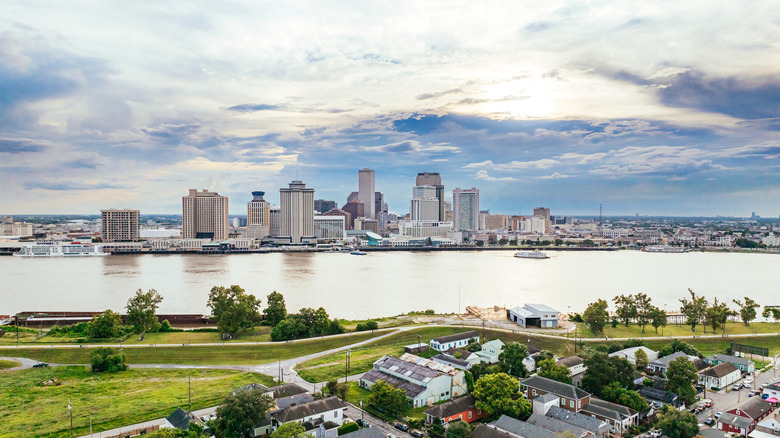
1. Louisiana: 50th Overall
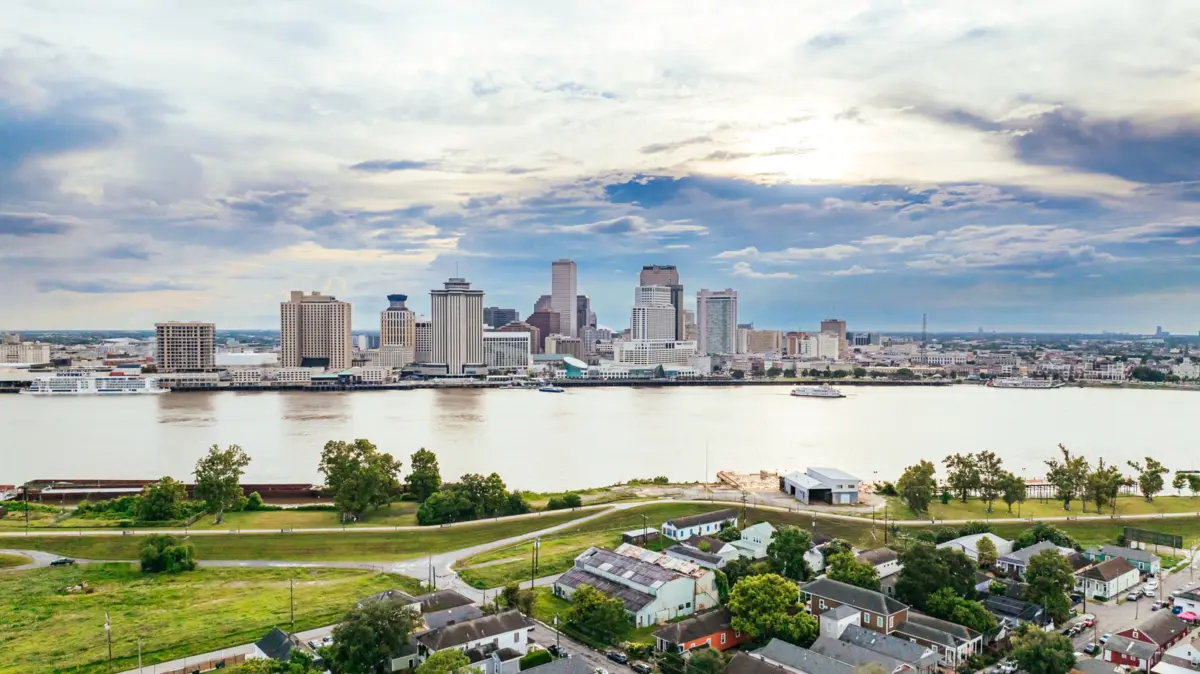
Louisiana holds the bottom spot in the national index, landing in the bottom 10 across virtually every measured category. Most notably, the state ranked 49th in both the natural environment and economy metrics, and dead last in crime and corrections.
- The Statistical Reality: Socioeconomic challenges, persistent poverty, and high violent crime rates in key metropolitan areas—such as Alexandria, Monroe, and parts of New Orleans—heavily drag down the state’s institutional score.
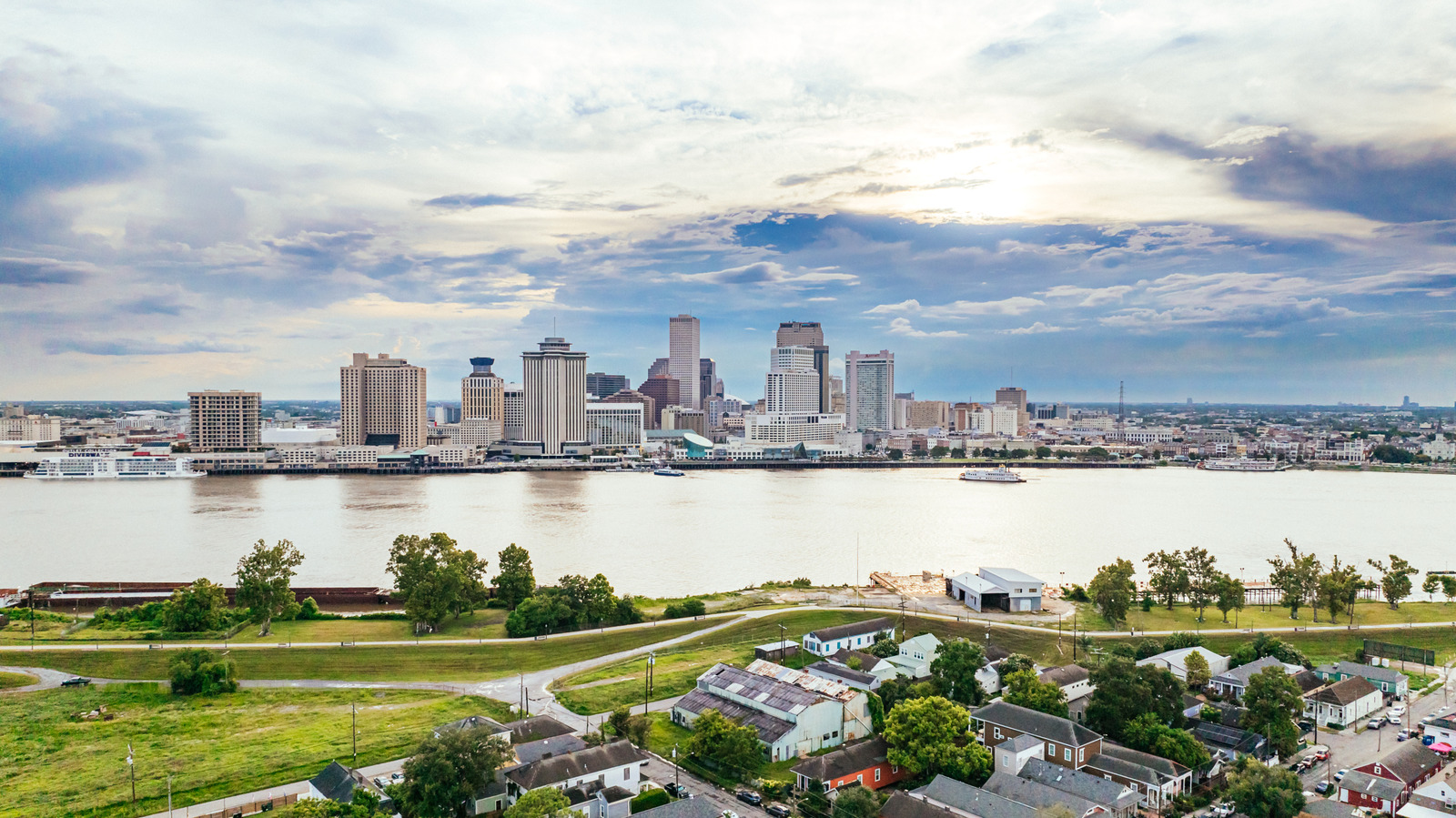
- The Cultural Counterweight: Despite its administrative hurdles, Louisiana remains a cultural powerhouse. The bayous, the jazz-infused streets of New Orleans, the world-renowned Creole and Cajun culinary traditions, and the explosive energy of Mardi Gras draw millions of travelers annually who seek out its unmatched authenticity.
2. Alaska: 49th Overall
Widely celebrated as one of the most visually stunning destinations on Earth, Alaska’s placement near the bottom of the list comes as a shock to many. The state struggled significantly in education and infrastructure, while also landing in the bottom 10 for crime and corrections and the natural environment.
- The Statistical Reality: Alaska’s high violent crime and larceny rates, when adjusted for a relatively small population of roughly 730,000, negatively impact its safety metrics. Meanwhile, its low natural environment score stems from specific localized challenges, including "forever chemicals" (PFAS) detected in drinking water supplies in areas like Fairbanks, and the ecological pressures exerted by heavy cruise ship tourism on coastal waterways.
- The Cultural Counterweight: For visitors, Alaska’s statistical vulnerabilities rarely translate into day-to-day danger. The true hazards in Denali or Glacier Bay are environmental—unpredictable weather, glacial shifts, and robust wildlife populations—rather than societal.
3. Mississippi: 48th Overall
Mississippi fared relatively better than some of its bottom-tier peers in crime metrics, but it faced steep deficits in the economic and healthcare sectors.
- The Statistical Reality: Mississippi consistently records some of the most concerning healthcare disparities and overall wellness outcomes in the nation, according to public health reports. Economic mobility and infrastructure modernization also remain persistent hurdles for rural communities.
- The Cultural Counterweight: Culturally, Mississippi’s contributions to American identity are immeasurable. It is the birthplace of the Delta blues, a foundational art form that birthed modern rock and roll. Its literary trail honors legendary authors like William Faulkner and Tennessee Williams, while its culinary and museum landscapes offer rich educational experiences.
4. New Mexico: 47th Overall
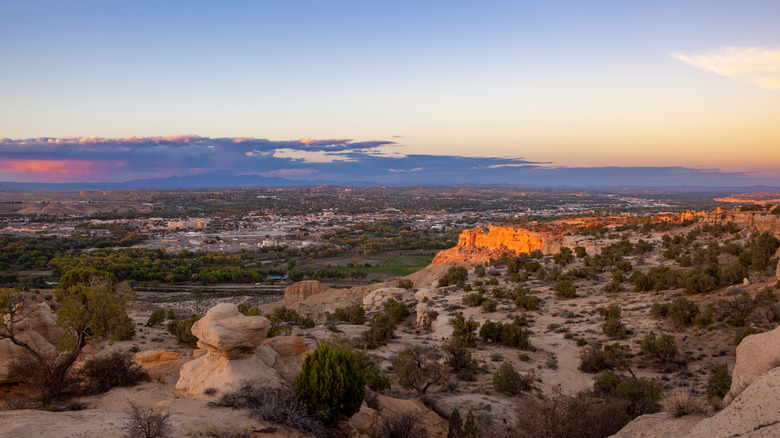
Famed for its striking landscapes and rich artistic heritage, New Mexico ranked 47th overall, hampered by the lowest score in the nation for education, alongside poor marks in crime, corrections, and infrastructure.
- The Statistical Reality: High rates of poverty and systemic drug trafficking challenges have historically impacted public safety indices in cities like Albuquerque, Gallup, and Belen.
- The Cultural Counterweight: New Mexico welcomes tens of millions of tourists each year. The Pueblo architecture of Santa Fe, the ancient history of Chaco Culture National Historical Park, and natural wonders like White Sands National Park and Tent Rocks ensure that its tourism economy continues to break records.
5. Michigan: 46th Overall
Michigan rounds out the bottom five, dragged down by middling scores across education, economic indicators, and infrastructure.
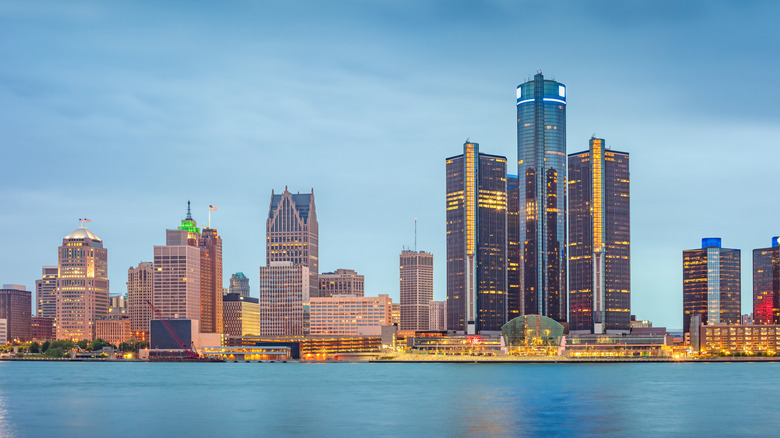
- The Statistical Reality: Public transportation and transit insecurity remain acute challenges. Studies from the University of Michigan highlight that transportation insecurity in Detroit is more than double the national average, with over a third of residents struggling with reliable transit access.
- The Cultural Counterweight: Despite these structural hurdles, Michigan is experiencing a sweeping urban and cultural renaissance. Detroit has transitioned from a symbol of post-industrial decline into a thriving hub for tech startups, high-end hospitality, and innovative gastronomy, earning widespread acclaim as a premier global travel destination. Beyond the motor city, destinations like Ann Arbor, the lake-hopping paradises of Lakes Michigan and Huron, and the rolling vineyards of the Midwest’s burgeoning wine country redefine the state’s identity.
Official Statements and Expert Perspectives
The release of the U.S. News metrics has ignited discussions among urban planners, economists, and tourism boards regarding the utility of broad state indices.
"Indices that aggregate data across entire state lines are invaluable for identifying systemic macroeconomic trends, but they often obscure hyper-local triumphs and community-level resilience," notes a regional economic development analyst. "A state can struggle with public transit funding or baseline educational metrics while simultaneously housing world-class cultural institutions, booming innovation districts, and unmatched natural landscapes."
State tourism officials in destinations like New Mexico and Alaska have similarly emphasized that index metrics—while vital for guiding policy reform and legislative budgeting—do not capture the lived experience of visitors engaging with local communities, national parks, and cultural heritage sites.
Future Outlook: What the Data Means Moving Forward
As state legislatures digest the 2026 data, the path forward involves targeted interventions rather than sweeping generalizations. For states like Michigan and New Mexico, bridging the gap between economic growth and equitable infrastructure development will be paramount. For Louisiana, addressing systemic public safety and healthcare disparities remains an urgent priority for local leadership.
For the traveler and the observer, these rankings serve as a reminder to look beneath the surface. Statistics quantify a state’s institutional framework, but they rarely capture its spirit. Whether navigating the culinary trails of Mississippi, exploring the architectural history of Detroit, or trekking through the untamed wilderness of Alaska, the true character of America’s most polarizing states lives far beyond the confines of a spreadsheet.