







Executive Overview
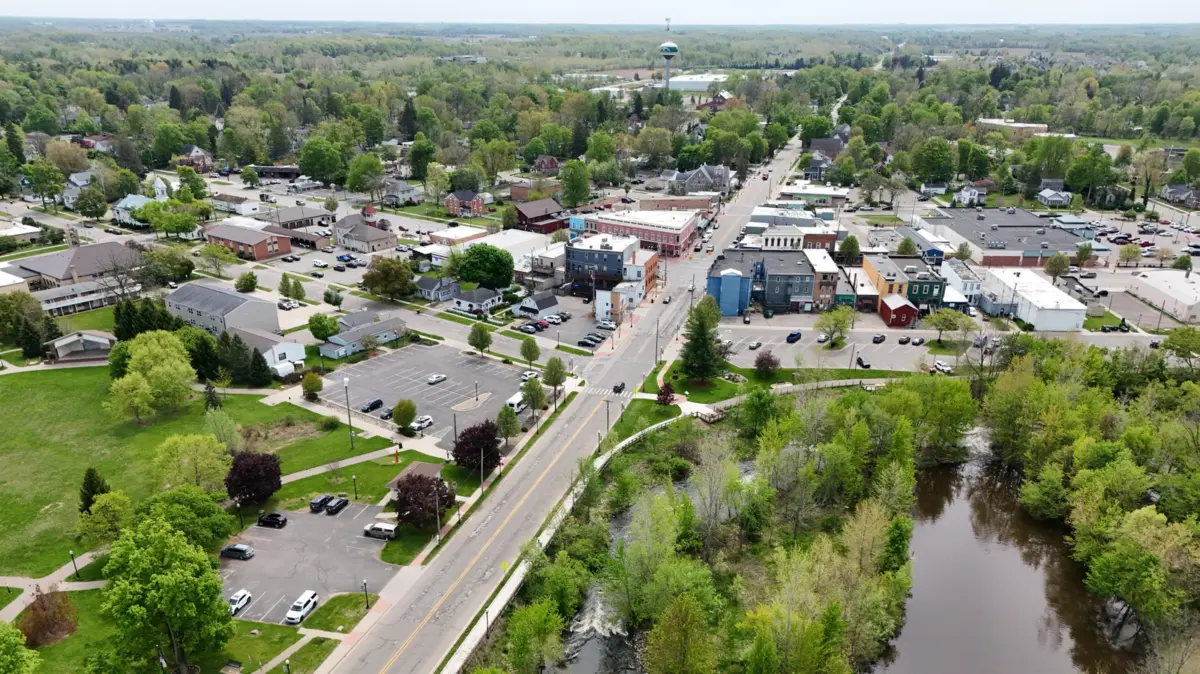
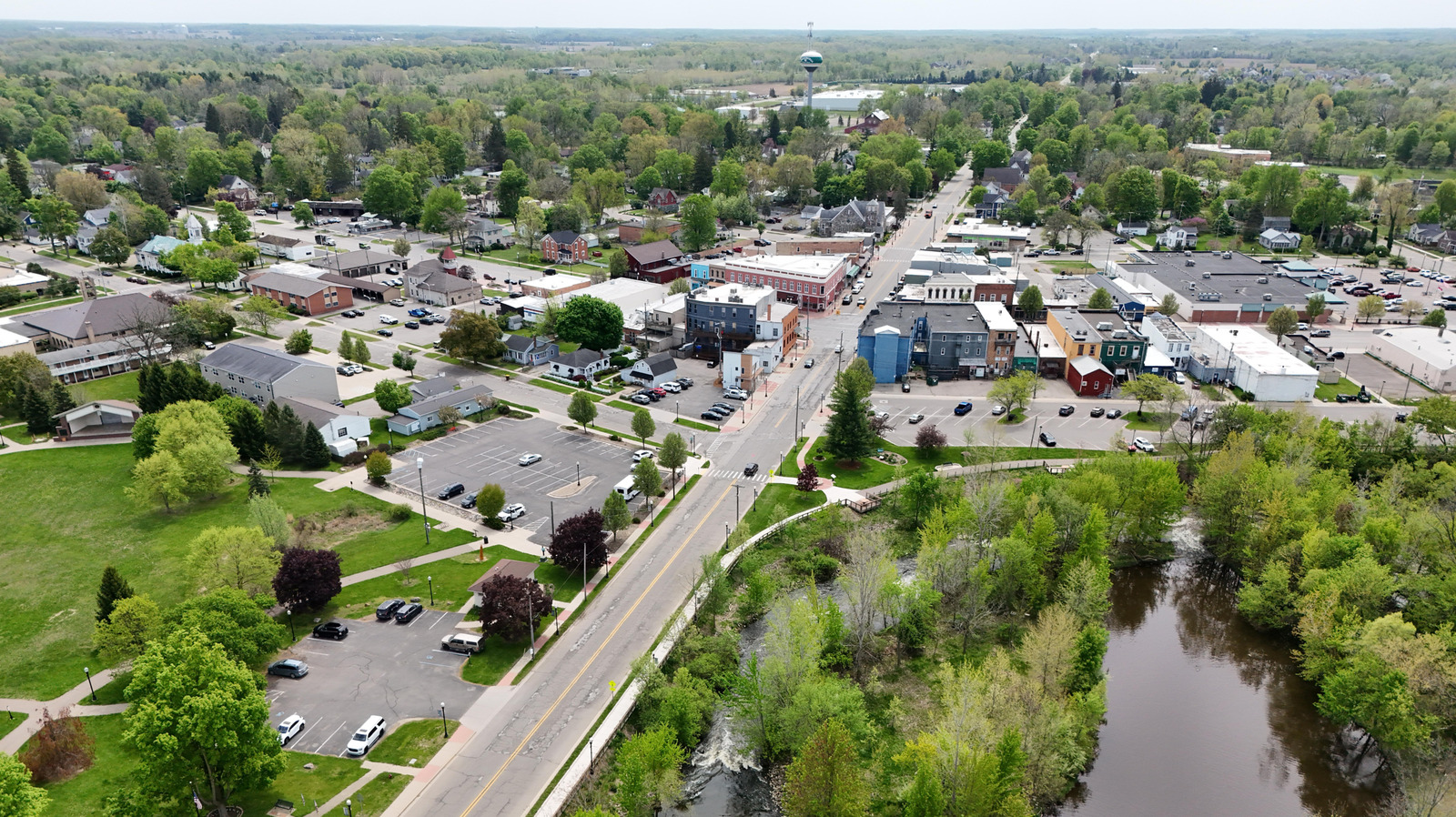
While metropolitan centers often command the lion’s share of traveler attention, the true character of a region frequently resides in its surrounding suburbs and historical townships. In the heart of Michigan’s Lower Peninsula, just 20 miles east of downtown Lansing, lies Williamston—a picturesque, highly walkable community in Ingham County that has quietly earned accolades as one of the premier places to live and visit in the region. Straddling the winding waters of the Red Cedar River, this historic municipality boasts a population of fewer than 4,000 residents, maintaining a fiercely protected small-town ambiance despite holding official city status.
Intriguingly older than Lansing itself, Williamston offers a compelling counter-narrative to the hustle and bustle of Michigan’s capital. It combines late 19th-century Italianate and Victorian architecture with a vibrant commercial core recognized on the National Register of Historic Places. Featuring boutique lodgings like the vintage-themed Williamston Inn and the 5-star Willowicke Inn, a thriving independent retail scene anchored by independent bookstores and antique markets, and a deeply preserved riverfront green space, Williamston represents an ideal weekend escape or cultural day trip. This report provides an authoritative, in-depth examination of Williamston’s historical roots, architectural heritage, local hospitality, and future trajectory as a standout Midwestern destination.
Detailed Chronology
Understanding Williamston requires looking back nearly two centuries, tracing its evolution from an untamed wilderness along the Red Cedar River into a thriving agricultural and industrial hub, and ultimately into a modern residential and cultural sanctuary.

1834–1850s: The Pioneer Era and Settlement
Long before Lansing was plotted by New York speculators as the state capital, pioneers began laying down roots in the Williamston area. In 1834, the first European-American settlers arrived, drawn by the fertile soil, dense timberlands, and the water power provided by the Red Cedar River. The community grew steadily as a quintessential agrarian outpost. Pioneers cleared the dense woodlands, established early homesteads, and laid the groundwork for a community that would soon outpace many of its regional neighbors in foundational establishment.
The Late 19th Century: Industrialization and the Grist Mill Era
By the latter half of the 19th century, Williamston had transitioned into a bustling hub of localized industry. Water-powered grist mills emerged along the riverbanks, grinding grain for regional farmers and serving as the economic engine of the growing settlement. Concurrently, the expansion of the railroad galvanized the town’s commercial viability, connecting local producers to broader markets across Michigan and the Midwest. The built environment transformed during this period, with sturdy brick commercial blocks and stately homes reflecting Italianate and Late Victorian architectural styles—many of which still define the downtown streetscape today.
The Early 20th Century: Civic Evolution and Relocation
As the industrial age gave way to the 20th century, Williamston adapted its physical infrastructure. A prominent downtown gazebo, which originally served as a bandstand and soapbox for civic discourse in the heart of the commercial district, became a social anchor for townsfolk. As municipal planning evolved, this historic structure—along with the surrounding commercial core—was preserved, and the gazebo was eventually relocated to the scenic banks of McCormick Park, where it remains an educational and historical touchstone.
The Modern Era: Preservation and Recognition
Entering the 21st century, Williamston pivoted successfully toward heritage tourism, historic preservation, and sustainable community planning. The establishment of the Williamston Depot Museum and the formal listing of its downtown district on the National Register of Historic Places underscored a collective commitment to honoring its past. Infrastructure updates, such as the 2025 restoration and public installation of an 1893 water-powered mill turbine at Old Mill Park, bridged the gap between industrial archaeology and modern recreation. Today, recognized by platforms like Niche as a top-tier Lansing-area suburb, Williamston stands as a model of how small municipalities can protect their historical integrity while accommodating contemporary lifestyles.
Supporting Context & Metrics
To fully appreciate Williamston’s appeal, one must examine the demographic, geographic, and economic metrics that define its current landscape.
Geographic and Logistical Profile
- Location: Ingham County, Michigan, approximately 20 miles east of downtown Lansing within the Lower Peninsula.
- Proximity to Transit: Roughly a 25-minute drive via clear routes from Lansing’s Capital Region International Airport.
- Natural Features: Straddles the Red Cedar River, flanked by lush woodlands, rolling rural farmlands, and interconnected municipal park systems.
Demographic and Community Metrics
- Population: Approximately 3,800 residents, ensuring a low-density, tight-knit residential environment.
- Civic Recognition: Frequently ranked by municipal review platforms (such as Niche) among the top suburban communities in the greater Lansing metropolitan statistical area.
- Economic Footprint: Anchored by local small businesses, specialized antique markets, independent literature shops, and boutique hospitality ventures rather than big-box commercial sprawl.
Architectural and Cultural Assets
- National Register of Historic Places: The commercial core centered around Grand River Avenue and South Putnam Street is federally recognized for its collection of 19th-century architecture.
- Museum Infrastructure: The Williamston Depot Museum operates seasonally with zero admission fees, offering extensive archives on early settlement, railroad history, and local artifacts.
- Hospitality Excellence: Notable properties include the Williamston Inn (offering vintage-themed accommodations and country breakfast fare) and the Willowicke Inn (a bed and breakfast maintaining top-tier reviews for organic, estate-grown culinary offerings).
Official Statements & Community Perspectives
The character of Williamston is best understood through the lived experiences of its residents, visitors, and local stakeholders who champion its unique blend of historic preservation and modern hospitality.
Local civic groups and historical societies have continually emphasized the importance of maintaining the town’s architectural integrity. Representatives from the Williamston Depot Museum note that preserving the community’s mid-19th-century artifacts is critical for educational outreach:
"Our mission is to ensure that future generations understand the grit, determination, and ingenuity of the early settlers who harnessed the Red Cedar River to build this community from the ground up."
Residents frequently highlight the profound sense of belonging inherent to the municipality. On community review platforms, locals consistently describe Williamston as possessing an authentic "cozy small-town feeling." One long-term resident observed:
"This is the kind of place where almost everybody knows everybody, yet there is always a warm welcome extended to newcomers and visitors exploring our downtown shops."
The hospitality sector similarly reflects this intimate, high-touch ethos. Guests at local boutique accommodations have expressed overwhelming satisfaction with the personalized service. A recent visitor to the Willowicke Inn remarked on the exceptional culinary experience:
"The breakfast was plentiful, delicious, and incorporated fresh ingredients that are grown directly on the property, embodying the genuine warmth of rural Michigan."
Retail patrons have echoed similar sentiments regarding the distinct commercial atmosphere. Describing a visit to downtown’s independent literary hub, Barrett’s Books, a shopper noted:
"The store is filled with curios and oddities, creating an atmosphere that brought me back to Paris. It’s like walking into an old, worldly collector’s apartment."
Future Outlook
As urban centers across the Midwest experience rapid shifting demographics and real estate pressures, Williamston is strategically positioned to maintain its status as a premier destination for cultural heritage tourism and desirable suburban living.
Sustainable Growth and Historic Preservation
Looking ahead, city planners and historical preservationists face the ongoing challenge of balancing modern economic development with the preservation of the town’s late 19th-century aesthetic. Strict zoning and design guidelines within the historic downtown district along Grand River Avenue and South Putnam Street ensure that new commercial enterprises respect the architectural legacy of the Italianate and Late Victorian buildings. Furthermore, ongoing investments in green spaces—such as McCormick Park and Old Mill Park—signal a continued commitment to integrating outdoor recreation with historical interpretation, exemplified by the recent reintegration of the 1893 mill turbine.
Tourism and Regional Integration
With its proximity to Lansing serving as a convenient gateway for travelers, Williamston is poised to capture an increasing share of the weekend-getaway market. Regional tourism boards are expected to further promote the town’s distinct assets: its walkable antique corridors, seasonal museums, and high-end boutique lodgings. By leaning into its identity as a slower-paced, historically rich alternative to larger urban hubs, Williamston ensures that its small-town charm will endure well into the future, offering a blueprint for heritage-based community resilience in 21st-century America.