








Executive Overview
Nestled along the rugged and dramatic coastline of County Durham in the northeast of England, the historic town of Seaham offers a quintessential British seaside experience far removed from the overcrowded tourist tracks of the south. Often overlooked by travelers rushing between major urban centers, this charming maritime settlement seamlessly blends a storied industrial past with natural coastal beauty. From sandy beaches and wave-carved limestone grottoes to historical landmarks dating back to the Anglo-Saxon era, Seaham provides a rich, multifaceted escape for outdoors enthusiasts, history aficionados, and casual weekend travelers alike.
Located just a 15-minute drive south of Sunderland and easily accessible via a three-hour train journey from London, Seaham occupies a prime geographical sweet spot. It delivers the tranquil isolation of a windswept seaside retreat while offering modern amenities, upscale spa accommodations, and a vibrant local culinary scene. Whether beachcombing for rare sea glass along its pebbly shores, tracing the footsteps of 19th-century romantic poets, or exploring dramatic clifftop trails at Nose’s Point, Seaham stands as a compelling destination for those seeking a restorative coastal getaway in the United Kingdom.
Detailed Chronology: From Anglo-Saxon Roots to Modern Coastal Haven
To truly appreciate Seaham’s current charm, one must trace its evolution through the centuries—a transformation from a modest medieval settlement into a bustling industrial port, and finally into a celebrated leisure destination.
Early Origins and the Anglo-Saxon Era
Seaham’s history stretches back over a millennium, anchoring itself deeply in England’s medieval past. The most poignant physical reminder of this epoch is the Parish Church of St. Mary the Virgin. Situated on a gentle slope overlooking the North Sea and surrounded by a weathered, evocative graveyard, this modest stone edifice is one of the few rare surviving architectural relics of the Anglo-Saxon period in the region. Long before the town became associated with maritime trade or coal mining, St. Mary’s stood as a silent witness to the changing tides of English history, offering a tangible link to the earliest Christian communities in Northumbria.
The Literary Footprints of the 19th Century
By the 19th century, Seaham had captured the imagination of notable cultural figures. Most famously, the celebrated romantic poet Lord Byron frequented the area. During an era when the British coastline was beginning to be appreciated not merely as a utilitarian frontier of trade and defense, but as a space for contemplation and aesthetic inspiration, Byron walked the sandy stretches and clifftops of Seaham. His presence cemented the town’s status as a place of poetic resonance, where the raw power of the North Sea could provoke deep introspection.
Industrial Evolution and Modern Regeneration
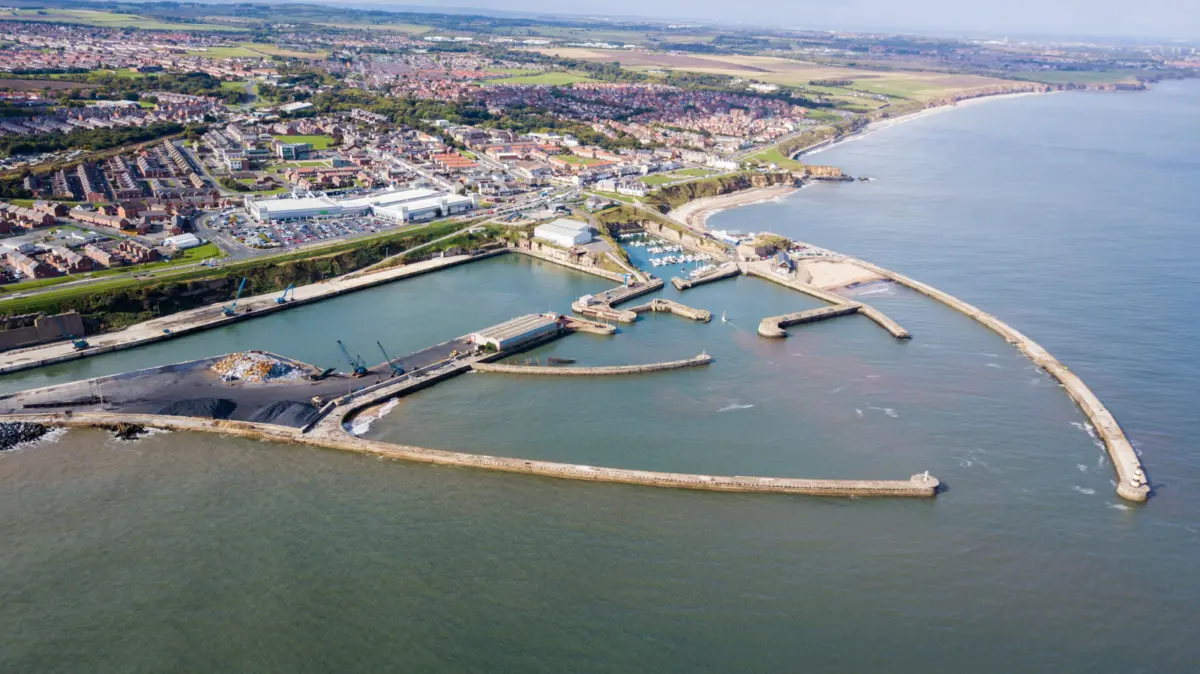
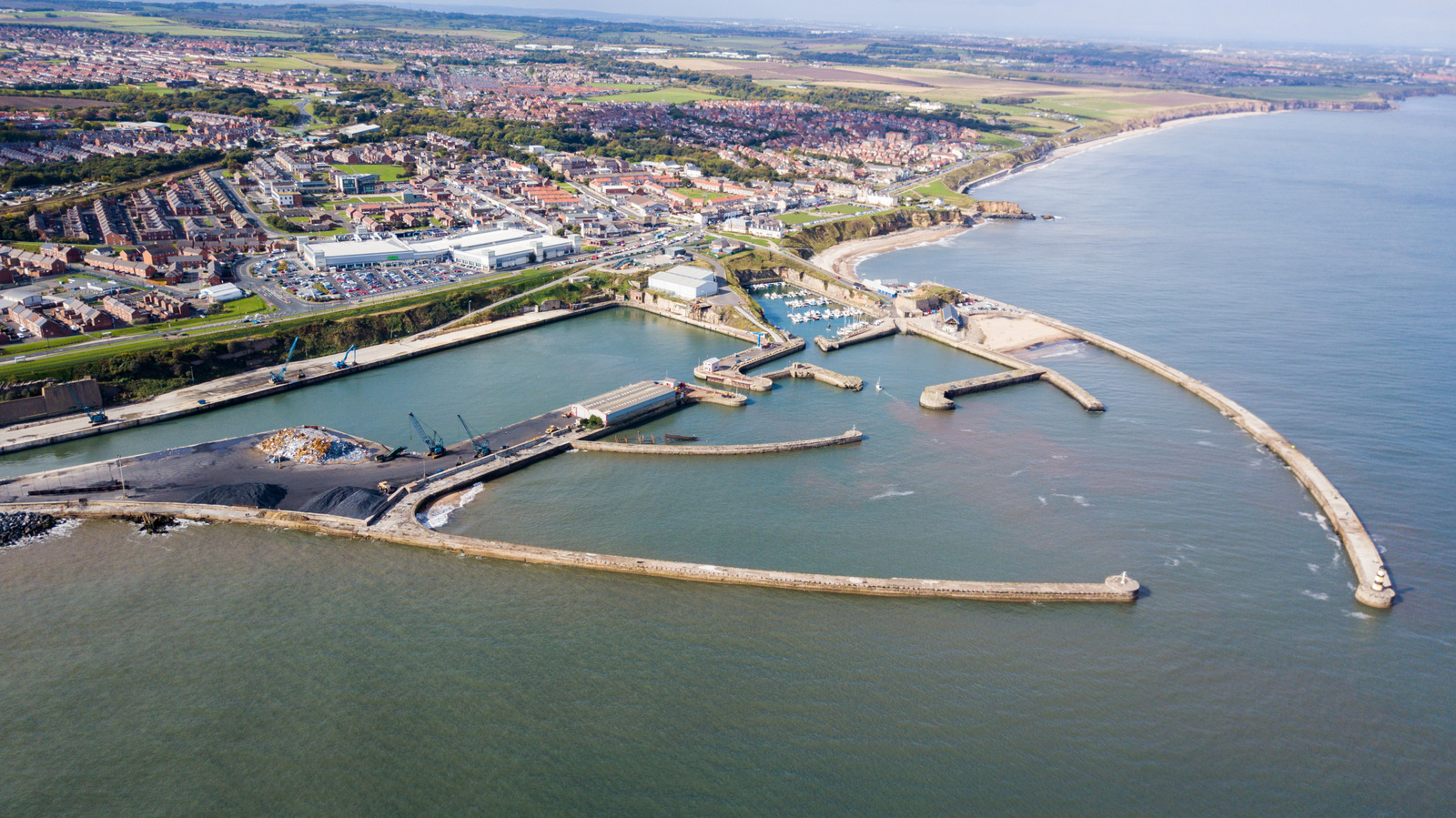
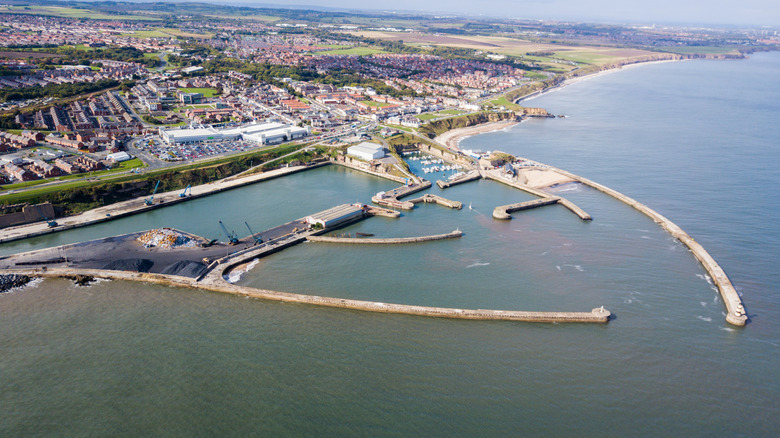
As the Industrial Revolution swept across Great Britain, Seaham’s destiny shifted dramatically toward coal and maritime commerce. The construction of the harbor and its protective stone breakwaters transformed the town into a bustling export hub for the region’s rich coalfields. Blast Beach, located just south of the town center, bore the heavy industrial scars of this era, serving as a dumping ground for colliery waste.
However, the late 20th century brought a profound ecological and economic reinvention. With the closure of the local mines, Seaham embarked on an ambitious path of environmental regeneration. Industrial debris was cleared, natural habitats were restored, and the coastline was handed back to nature and the community. Today, the very elements that once fueled heavy industry—the eroding cliffs, the historic harbor walls, and the sea itself—form the foundation of Seaham’s thriving tourism and leisure economy.

Supporting Context & Metrics: Exploring Seaham’s Landscapes and Geography
Seaham’s geography is defined by a striking contrast between gentle sandy shores and dramatic, weathered limestone cliffs. Understanding the layout of its coastline allows visitors to maximize their exploration of this unique terrain.
Beaches and Geological Wonders
- Slope Beach: Situated directly adjacent to Seaham’s bustling harbor, Slope Beach provides a sheltered pocket of sandy shoreline. Protected from aggressive offshore currents by the substantial stone barrier of the Seaham Lighthouse, it is an ideal spot for sunbathing, reading, and bracing cold-water plunges.
- Glass Beach: Located just north of the harbor, this long stretch of pebbly shoreline is framed by a grassy ridge. It is internationally renowned among beachcombers for its abundance of sea glass—smooth, colorful fragments tumbled by the waves from the town’s industrial past, transformed by nature into sparkling gems.
- Seaham Hall Beach and Nose’s Point: Further south, the coastline transforms into dramatic limestone bluffs. Nose’s Point offers sweeping, panoramic views of the North Sea crashing against craggy rock formations. A steep descent leads down to Blast Beach, where visitors can explore natural limestone grottoes and coastal coves that showcase the raw, unaltered power of coastal erosion.
Accessibility and Regional Proximity
- Travel Times: Seaham is exceptionally well-connected for domestic travelers. It lies approximately a 15-minute drive south of Sunderland. For visitors originating in the capital, direct train services from London link travelers to Seaham in just over three hours.
- Extended Itineraries: The town serves as an ideal base for broader regional explorations. Nearby Durham, celebrated by travel experts like Rick Steves for housing some of England’s premier historical monuments—including the iconic Durham Cathedral—is a convenient one-hour train journey away. Additionally, literary and spooky heritage sites such as Whitby (famous for inspiring Bram Stoker’s Dracula) and York are within easy driving distance (approximately 90 minutes), making Seaham a strategic anchor for a northern U.K. road trip.
Culinary Landscape: Where to Eat and Drink in Seaham
A day spent navigating windswept clifftops and beachcombing along pebbly shores inevitably builds an appetite. Seaham’s town center and waterfront feature a curated selection of establishments that honor traditional British coastal culture while offering exceptional quality.
Downey’s Fish & Chips
No British seaside excursion is complete without partaking in the nation’s most iconic culinary tradition: battered fish and chips. Downey’s Fish & Chips has earned a stellar reputation among locals and visitors alike for serving impeccably crisp, golden-brown haddock and cod, alongside plump langoustines and heaps of freshly prepared fries. Diners routinely praise the authenticity of the accompaniments, which feature classic staples such as mushy peas and rich curry sauce, cementing the venue as a culinary anchor of the town center.
The Coal Face
For those seeking a traditional British pub experience steeped in rustic character, The Coal Face delivers in abundance. Featuring a prominent brick fireplace, dark wood-paneled walls, and vintage furnishings, the interior provides a cozy refuge from the North Sea chill. On warmer days, patrons can utilize the outdoor seating area. Beyond a robust selection of ales, stouts, and wines, the pub hosts vibrant live music performances on Sunday evenings, serving as a lively social hub for the community.
Seaham Lighthouse Cafe
For an alternative British classic—the afternoon tea or a hearty breakfast—the Seaham Lighthouse Cafe offers a welcoming environment right by the water. Patrons can indulge in tiered spreads of freshly baked scones with clotted cream and jam, delicate savory quiches, and bite-sized finger sandwiches, paired with pots of loose-leaf tea or celebratory flutes of Prosecco. Early risers can equally benefit from traditional English breakfasts featuring locally sourced sausages, baked beans, and artisan toast.
Future Outlook: Sustainable Tourism and Community Growth
As Seaham continues to transition from its industrial roots into a premier boutique coastal destination, local authorities and community stakeholders face both opportunities and challenges. The primary focus moving forward centers on sustainable tourism management—balancing the influx of day-trippers and overnight guests with the preservation of delicate coastal ecosystems, particularly around the vulnerable limestone cliffs of Nose’s Point and the sensitive habitats of Blast Beach.
Furthermore, investment in hospitality infrastructure—exemplified by upscale spa hotels and boutique local inns—signals a deliberate shift toward attracting higher-value, multi-day tourism. By encouraging visitors to extend their stays beyond a single afternoon, Seaham aims to bolster its independent retail, dining, and cultural sectors year-round.
Ultimately, Seaham’s future lies in its unique ability to honor its complex heritage. By preserving the quiet dignity of Anglo-Saxon stone, celebrating the industrial sea glass born from its manufacturing history, and protecting its dramatic natural coastline, Seaham is poised to remain a cherished, resilient jewel on the northeast English map for generations to come.