






Executive Overview
While international tourism to the United Kingdom has long been dominated by the historic landmarks of London—from the neo-Gothic spires of Westminster Abbey to the neoclassical grandeur of the British Museum—travelers willing to venture "up north" discover an entirely different, more tranquil facet of English culture. Beyond the capital’s bustling M25 orbital motorway lies the dramatic and protected coastline of Northumberland in Northeast England. Renowned for its raw natural beauty, historic castles, and sparse crowds, this region boasts some of the most picturesque towns and villages in the British Isles.
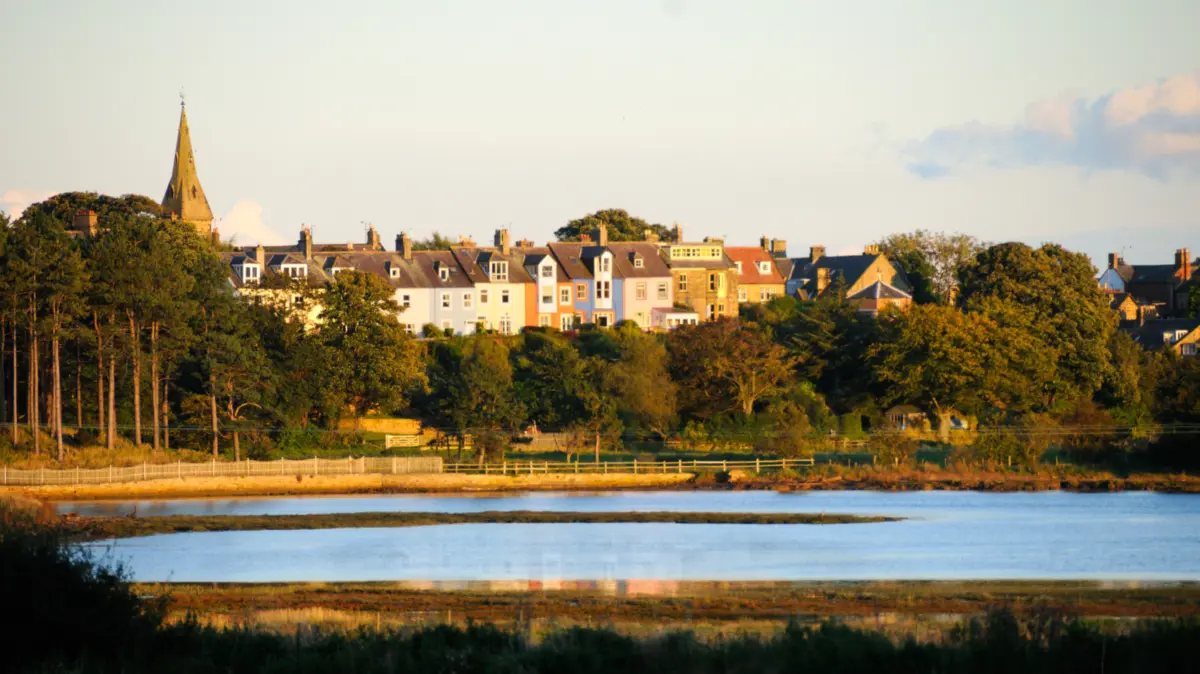
Among these coastal gems is Alnmouth, a vibrant yet peaceful village situated directly on the North Sea. Celebrated for its iconic, brightly painted row of terrace houses, a pristine river estuary, and a thriving local culinary scene, Alnmouth represents the quintessential British seaside retreat—stripped of frantic commercialization and infused with deep historical resonance. Located less than an hour away from the vibrant urban hub of Newcastle upon Tyne, Alnmouth serves as an ideal sanctuary for travelers seeking a slower pace, untouched coastal landscapes, and authentic regional hospitality.
Detailed Chronology & Historical Evolution
To truly appreciate Alnmouth’s current charm, one must understand its rich, centuries-old maritime evolution. The village’s geography—straddling the mouth of the Aln River—has dictated its development from an early Anglo-Saxon settlement into a bustling medieval river port, and finally into the tranquil residential and tourist haven seen today.
Early Beginnings and the Anglo-Saxon Era
Long before it became a quiet leisure destination, the Alnmouth area held significant spiritual and strategic importance. The history of the village is deeply intertwined with early Christian heritage in Northern England. A prime example is the hilltop site of the St. Cuthbert Cross. Historical accounts credit this very location as the spot where St. Cuthbert—one of the most important medieval saints of Northern England—formally accepted his position as Bishop of Lindisfarne in the late 7th century. This connection links Alnmouth directly to the foundational roots of Anglo-Saxon Christianity in the region.
The Rise and Fall of a River Port
During the medieval and post-medieval periods, Alnmouth’s position on the Aln River transformed it into a thriving commercial hub. It served as a primary port for the export of corn, grain, and local goods, as well as a center for shipbuilding. Warehouses, merchant houses, and bustling quays lined the riverbanks, bringing economic prosperity to the community.
However, nature intervened in the late 18th century to alter the village’s trajectory permanently. In 1806, a violent and sudden storm—or "great sea breach"—punched a new channel through the sand dunes, bypassing the winding river mouth and effectively cutting off the old port facilities. The shifting currents and silting of the original harbor rendered it useless for larger commercial vessels.
Rather than fading into obscurity, Alnmouth gracefully pivoted. As its commercial shipping industry waned, the village discovered a new lease on life in the 19th and early 20th centuries as a fashionable seaside bathing resort. Wealthy industrialists and travelers from Newcastle and beyond began visiting for the invigorating sea air, establishing the architectural and leisure patterns that define the village today.

Supporting Context & Metrics: Geography, Tourism, and Culture
Northumberland is officially designated as England’s northernmost county, celebrated as a "tour de force" of scenic diversity. It contains a higher concentration of castles than any other county in England, vast expanses of protected national parkland, and a rugged coastline recognized globally for its ecological value.
The Northumberland Coast Area of Outstanding Natural Beauty (AONB)
Alnmouth proudly sits within the Northumberland Coast AONB, a protected designation safeguarding 39 miles of stunning coastline from Berwick-upon-Tweed down to the Coquet Estuary.
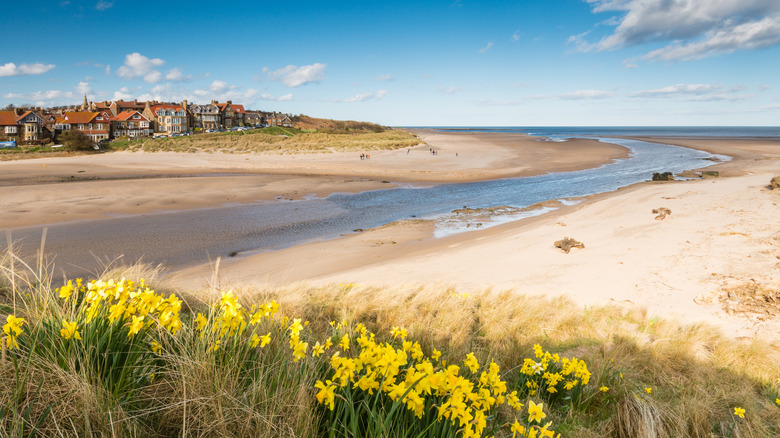
- The Main Beach & Estuary: Perched along Alnmouth Bay, the village’s primary beach features dramatic grassy sand dunes that slope down to wide, flat stretches of sand.
- Wildlife and Biodiversity: The estuary serves as a crucial habitat for coastal wildlife. Visitors frequently spot colonies of grey seals hauled out on the sandbanks, alongside seabirds such as gannets, Arctic terns, and various species of waders.
- Safety Metrics: While the visual appeal of the estuary is undeniable, local authorities and maritime experts issue strict advisories against swimming in the river mouth due to exceptionally strong, unpredictable tidal currents. Visitors are encouraged to enjoy the water visually while utilizing dry-land pathways for recreation.
The Trail Network: Connecting History and Nature
Alnmouth acts as a vital waypoint on the Northumberland Coast Path, a renowned long-distance walking route. This trail connects the village southward to industrial heritage sites and northward to iconic landmarks, including:
- Craster: A historic, picturesque fishing village world-famous for its smoked kippers.
- Dunstanburgh Castle: The imposing, romantic ruins of a 14th-century fortress perched dramatically on a basalt headland.
- Holy Island (Lindisfarne): Accessible via a tidal causeway, home to the famous Lindisfarne Priory and Castle.
- Berwick-upon-Tweed: The northernmost town in England, rich in Elizabethan fortification walls.
Furthermore, just a short distance inland lies Alnwick Castle, one of the largest inhabited castles in the UK and globally famous as a primary filming location for the Harry Potter franchise (representing Hogwarts School of Witchcraft and Wizardry).
Culinary Landscape: Where to Eat in Alnmouth
No visit to Alnmouth is complete without experiencing its vibrant, locally sourced culinary scene. The village balances traditional British pub culture with contemporary, farm-to-table dining.
Architectural Charm and the Village Center
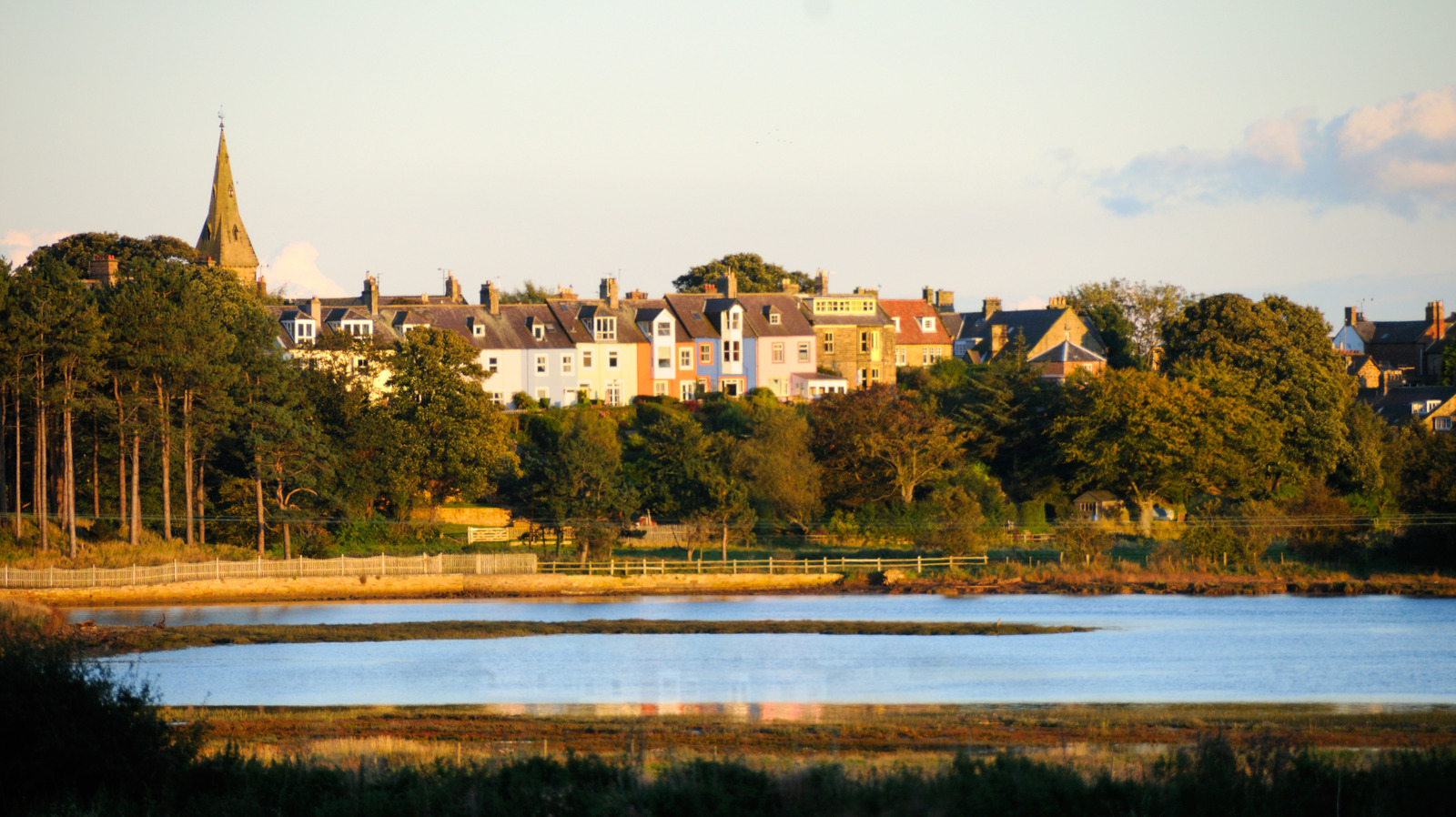
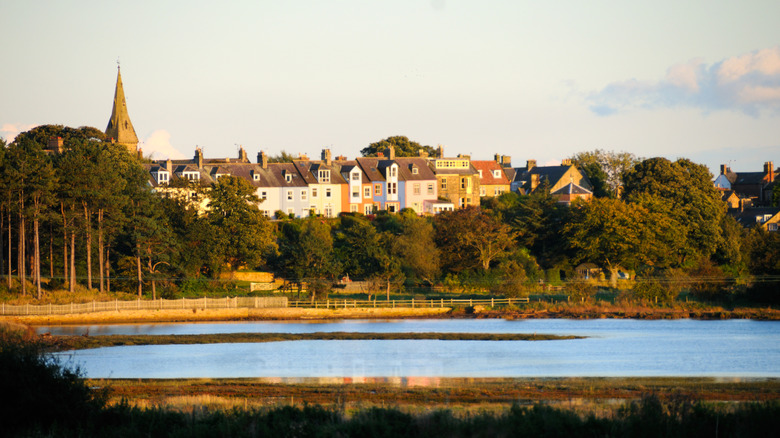
The visual anchor of Alnmouth is Lovaine Terrace, a postcard-perfect row of brightly painted, multi-colored Victorian and Edwardian seaside cottages facing the estuary. Recognized as one of the most photographed locations in Northeast England, this terrace sets a charming, storybook tone for the entire village.
Just past Lovaine Terrace stands the historic village war memorial and "The Pant"—Alnmouth’s traditional stone main fountain, which has served as a social gathering point for generations. Moving onto Northumberland Street, visitors find a concentrated array of independent cafes, bakeries, and upscale dining establishments.
Key Dining Establishments
- The Whittling House: A sophisticated countryside inn and restaurant that marries rustic charm with modern gastronomy. Diners can enjoy locally sourced seafood—such as freshly caught Northumberland crab and traditional fish and chips—alongside hearty regional game dishes like venison pie and slow-braised beef ribs.
- The Sun Inn: For those seeking an authentic, relaxed British pub experience, this historic establishment features exposed limestone brickwork and a cozy interior. It serves classic pub grub, including ploughman’s lunches, warming casseroles, homemade meat pies, and regional ales.
- Bistro 23: Positioned as a refined middle ground between casual pubs and formal dining, Bistro 23 requires advance reservations due to its popularity. Sourcing its ingredients entirely from local farms and independent regional vendors, the bistro features an exceptional seafood platter, a rotating "catch of the day," and a curated dessert menu pairing artisanal Northumbrian cheeses with local dessert wines.
Future Outlook & Travel Logistics
As travelers increasingly seek sustainable, uncrowded destinations away from over-tourism hotspots, Alnmouth is poised to experience steady, managed growth in domestic and international leisure tourism. Local preservation societies and council planners remain dedicated to protecting the village’s historic architectural integrity, ensuring that modern developments do not compromise its unique coastal character.
Accessibility and the Newcastle Connection
One of Alnmouth’s greatest logistical advantages is its proximity to Newcastle upon Tyne, located just under an hour away by both road and rail.
- By Rail: Alnmouth railway station sits on the East Coast Main Line, offering direct, high-speed train connections to Newcastle, Edinburgh, and London King’s Cross. The station itself is located a short walk or drive from the heart of the village.
- By Road: Easily accessible via the A1 trunk road, the village serves as an effortless weekend getaway or a seamless day trip from "the Toon."
The Urban Contrast: Discovering Newcastle
Travelers utilizing Newcastle as their gateway are increasingly discovering that the city itself is an underrated cultural destination. Beyond functioning merely as a transit hub, Newcastle upon Tyne offers visitors a highly walkable urban landscape characterized by:
- Victorian and Edwardian Architecture: Imposing stone facades, sweeping bridges (such as the Tyne Bridge and the architectural marvel of the Gateshead Millennium Bridge), and grand public squares.
- Eclectic Nightlife and Culture: A booming culinary scene, independent art galleries, theatres, and a legendary music and nightlife culture centered along the scenic Quayside.
Conclusion
Alnmouth represents the very best of what "up north" England has to offer. By blending untouched natural beauty, a rich Anglo-Saxon and maritime history, and a booming local food culture, this Northumberland village provides an enriching antidote to the frantic pace of modern urban life. Whether viewed as a peaceful weekend retreat from Newcastle or a key stop along the rugged Northumberland Coast Path, Alnmouth remains an enduring testament to the quiet majesty of the British seaside.