










Executive Overview
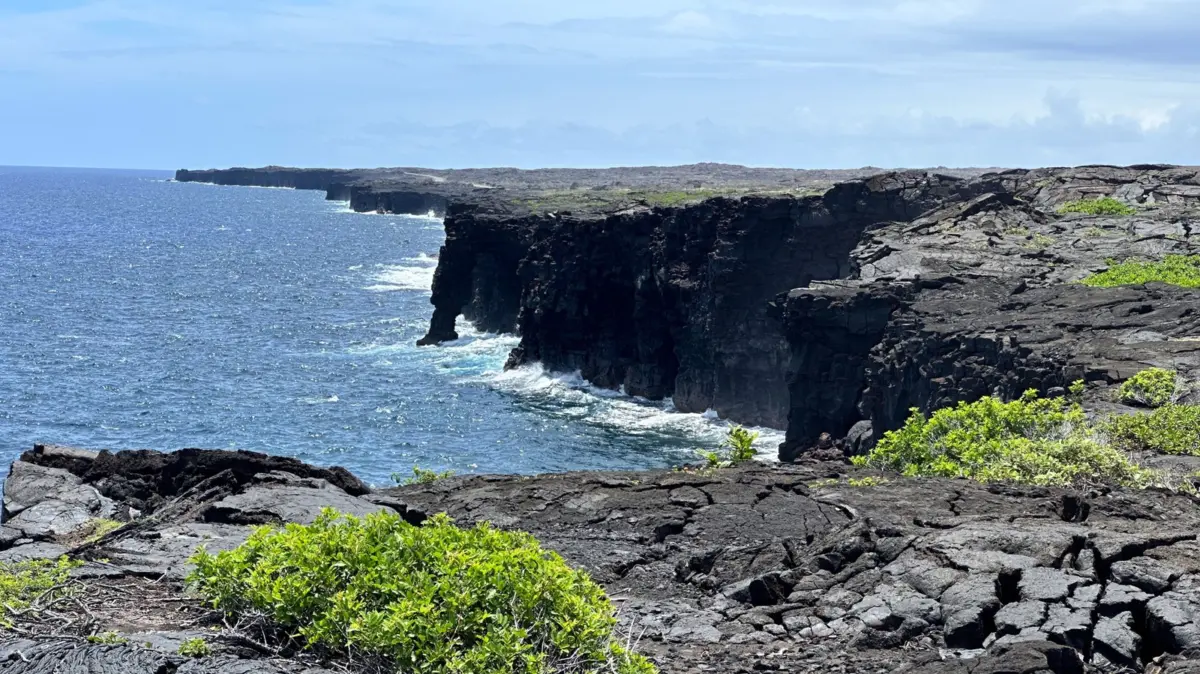
Nature is an unyielding sculptor, constantly carving, reshaping, and reclaiming the landscapes we often assume are permanent. For centuries, the Hōlei Sea Arch stood as a testament to this raw, elemental power, defying the relentless crashing waves of the Pacific Ocean along the southern coast of the Big Island of Hawaii. However, in the final days of September, this world-renowned natural marvel met its inevitable fate. The 90-foot-tall basalt formation, which served as the crown jewel and final turnaround point of Hawaiʻi Volcanoes National Park’s famous Chain of Craters Road, officially collapsed.
The structural failure of the sea arch did not occur in a vacuum. It followed a punishing late-summer storm season marked by severe tropical weather systems—most notably Hurricanes Lala and Nolo—that battered the Hawaiian archipelago with torrential downpours, devastating floods, and near-hurricane-force winds. While geologists and park officials have long known that sea arches are ephemeral geological features destined to succumb to coastal erosion, the sudden disappearance of the Hōlei Sea Arch has sent shockwaves through the global travel community.
This article explores the chronology of the collapse, the meteorological forces that accelerated its demise, the cultural and tourism significance of the landmark, and the broader implications for visitors navigating the dynamic, ever-changing terrain of Hawaiʻi Volcanoes National Park.

Detailed Chronology: The Final Days of the Hōlei Sea Arch
The unraveling of the Hōlei Sea Arch unfolded against a backdrop of escalating extreme weather that tested the infrastructural and ecological resilience of the Big Island.
The Summer Storm Catalyst
The Hawaiian hurricane season of that year proved to be exceptionally volatile. In August, Hurricane Lala struck the islands with devastating force, bringing widespread flooding, compromised roadways, and severe coastal battering across the Big Island. Just weeks later, Hurricane Nolo followed a parallel trajectory, sweeping into the region with torrential rainfall and sustained winds approaching 90 miles per hour.
The relentless pounding of storm-driven swells placed unprecedented mechanical stress on the delicate structural bridge of the Hōlei Sea Arch. Composed of relatively young, porous basalt lava flows originating from the active Kīlauea volcano, the arch was subjected to intense hydraulic action. Waves compressed air into the micro-fractures of the rock face, widening internal fissures with every crashing surge.
The Closure and Collapse
As Hurricane Nolo made its presence felt, safety officials at Hawaiʻi Volcanoes National Park enacted immediate closures across vulnerable sectors of the park. Heavy rains, high winds, and unstable terrain made public access perilous. It was during this period of restricted access and intense environmental battering in late September that the National Park Service (NPS) confirmed the structure had given way.

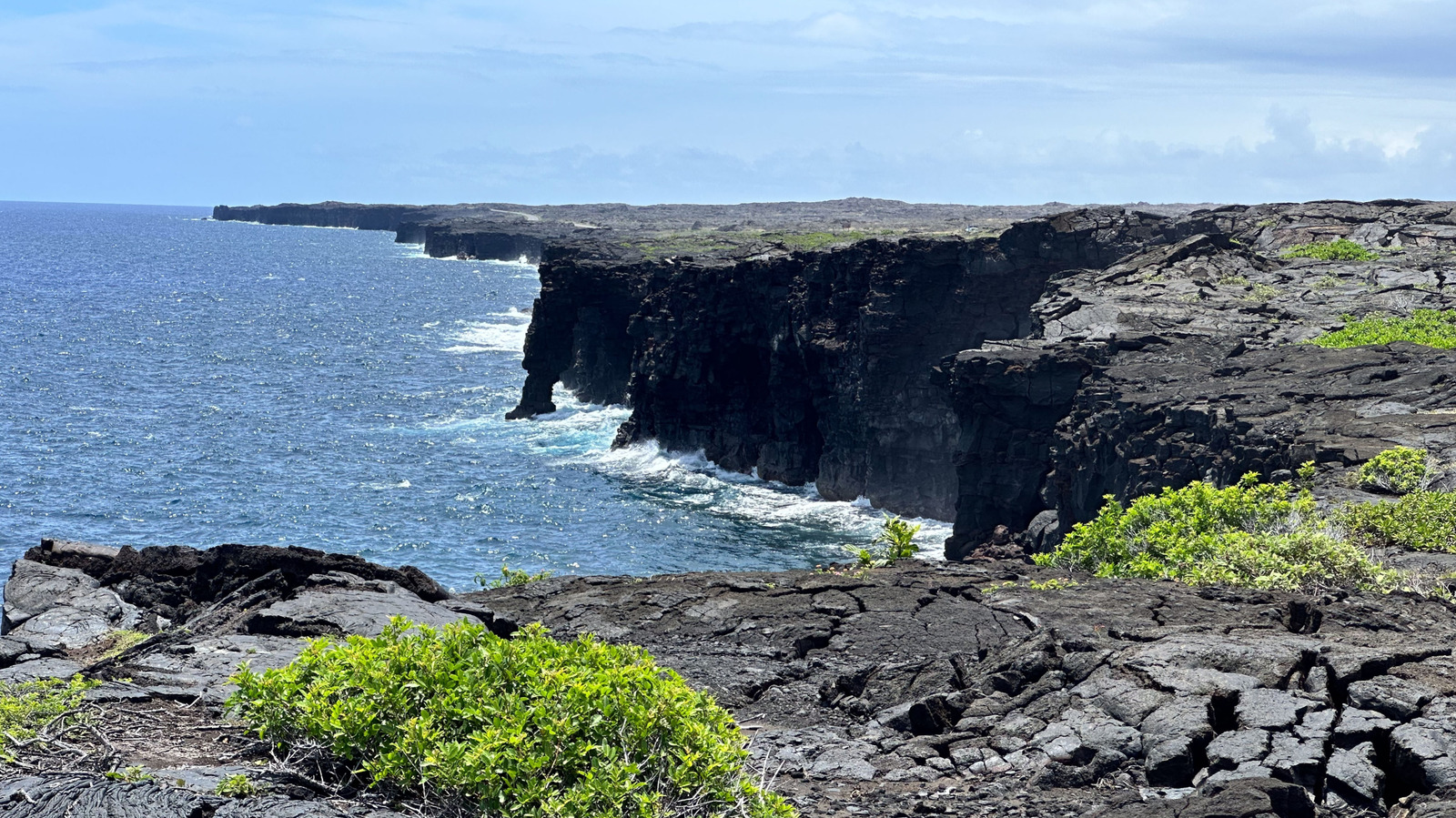
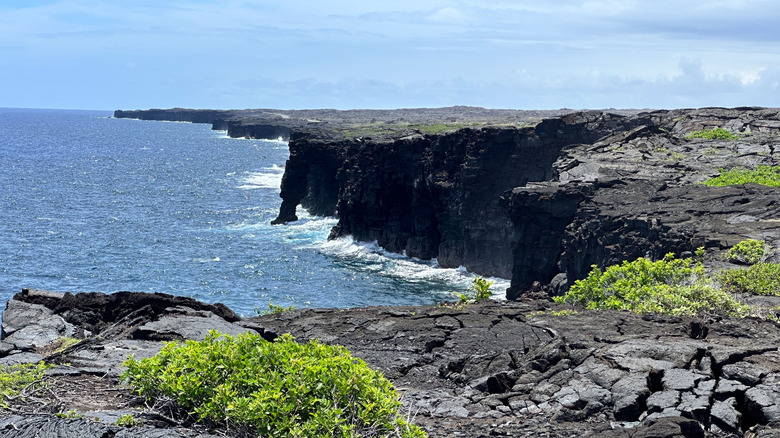
The iconic 90-foot span, which had long bridged the gap between solid sea cliffs over a churning channel of turquoise water, fractured completely. When park geologists and rangers were able to safely survey the area following the storm’s clearance, they found only empty air where the arch once stood, leaving raw, jagged cliff faces exposed to the elements.
Supporting Context & Metrics: Geology, Tourism, and Digital Legacy
To fully understand the weight of the Hōlei Sea Arch’s loss, one must examine its geological makeup, its prominence within Hawaiʻi Volcanoes National Park, and its towering digital footprint among travelers worldwide.
Geological Ephemerality: How Sea Arches Die
Sea arches are inherently transitional features in the lifecycle of a coastline. Formed through differential erosion—where softer rock layers or fractured basalt are worn away by the relentless mechanical energy of waves at a faster rate than surrounding strata—they represent a fleeting stage in coastal geomorphology.
- The Lifecycle: Over millennia, waves carve sea caves into headlands. When two caves breakthrough from opposite sides of a promontory, a sea arch is born.
- The Inevitable End: Continued erosion thins the roof of the arch until gravity and dynamic wave loads cause a catastrophic roof collapse, leaving behind an isolated sea stack. Eventually, even the sea stack succumbs to the ocean, completing the cycle.
Park geologists have repeatedly emphasized that the fall of the Hōlei Sea Arch was not a matter of if, but when. The young, highly fractured nature of Kīlauea’s coastal lava benches makes them particularly susceptible to rapid marine erosion.
A Tourism Heavyweight
Before its collapse, the Hōlei Sea Arch was arguably one of the most photographed and visited natural landmarks on the Big Island. Situated at the end of the 19-mile Chain of Craters Road—hailed as one of the most scenic drives within the entire U.S. National Park System—it rewarded drivers with a dramatic transition from active volcanic calderas down to the roaring ocean edge.
- Global Acclaim: The site consistently ranked among the top recommendations on major travel platforms, including Tripadvisor, where thousands of international visitors praised the panoramic ocean vistas and the tangible sense of geological power.
- Review Metrics: On Google Maps, the Hōlei Sea Arch maintained an impressive 4.7-star rating across more than 1,000 reviews, with travelers routinely describing the destination as a mandatory stop during any comprehensive Big Island itinerary.
The Digital Mourning and Social Media Reaction
The collapse triggered an immediate wave of nostalgia, sorrow, and philosophical reflection across social media platforms. When Hawaiʻi Volcanoes National Park published the official announcement on Instagram, the post quickly amassed tens of thousands of interactions.
Travelers who had visited the site mere days before the storm shared disbelief and gratitude for having witnessed the landmark intact. Meanwhile, on platforms like Reddit and X (formerly Twitter, users engaged in deeper philosophical discussions about the transient nature of Earth’s geography. As one viral comment aptly noted: "Losing a sea arch always has a special way of reminding me that the planet isn’t fixed in time and what we know of its geography is all temporary."
Official Statements and Park Management Response
The National Park Service handled the transition with a blend of scientific pragmatism and profound respect for the cultural and natural heritage of the site.
In its official news release, the NPS underscored that while the loss of the arch marks a significant change to the park’s coastal profile, it is fundamentally a natural chapter in the ongoing evolution of Kīlauea’s shoreline. Park interpreters pointed out that the landscape of Hawaiʻi Volcanoes National Park is designed by fire and water—where new land is continuously born from flowing lava while older land is simultaneously swallowed by the sea.
Safety Warnings Issued
Following the collapse, park rangers issued strict warnings to the public. The area surrounding the former arch—now reduced to a sheer, unstable drop-off—poses extreme safety hazards.
- Erosion Risks: The surrounding cliff edges remain highly unstable and susceptible to secondary rockfalls and sudden fractures.
- Perimeter Enforcement: Visitors are strongly urged to respect all safety barriers, signage, and restricted zones. Approaching the edge of the newly emptied cliff poses a lethal risk of structural collapse.
Future Outlook: Exploring Hawaiʻi Volcanoes National Park Post-Collapse
While the loss of the Hōlei Sea Arch closes a beloved chapter in Hawaiian tourism, Hawaiʻi Volcanoes National Park remains one of the most dynamic, awe-inspiring, and geologically active destinations on the planet. The park’s management and the broader Big Island tourism sector are actively pivoting to ensure visitors continue to experience the multifaceted wonders of the region safely.
Shifting Focus to Other Wonders
The end of the Chain of Craters Road may no longer feature the iconic sea arch, but the journey itself remains an engineering and visual marvel. Travelers can still experience:
- Active Volcanism: Witnessing the breathtaking glow and occasional eruptive phases of Kīlauea from safe overlooks.
- Diverse Ecosystems: Traversing the lush rainforests, volcanic craters, and stark desert landscapes that define the park’s 300,000+ acres.
- Unique Accommodations: Staying at historic locations like the Namakani Paio Campground, nestled within a wild eucalyptus forest just a short drive from the main visitor hubs.
Beyond the Park: The Big Island’s Endless Horizon
For travelers looking to expand their Big Island itineraries in the wake of the arch’s collapse, the island offers a wealth of alternative natural treasures. Hidden coastal gems like Kalaoa on the island’s pristine western coast provide world-class beach experiences, blending volcanic adventure with tranquil ocean retreats.
A Living Landscape
Ultimately, the disappearance of the Hōlei Sea Arch serves as a poignant reminder of our planet’s restless vitality. Mountains rise, rivers carve canyons, arches form, and arches fall. For those fortunate enough to have seen the Hōlei Sea Arch stand against the Pacific breakers, it remains a cherished memory. For future generations visiting Hawaiʻi Volcanoes National Park, the empty cliff stands as a powerful canvas showcasing nature’s infinite capacity for reinvention.


