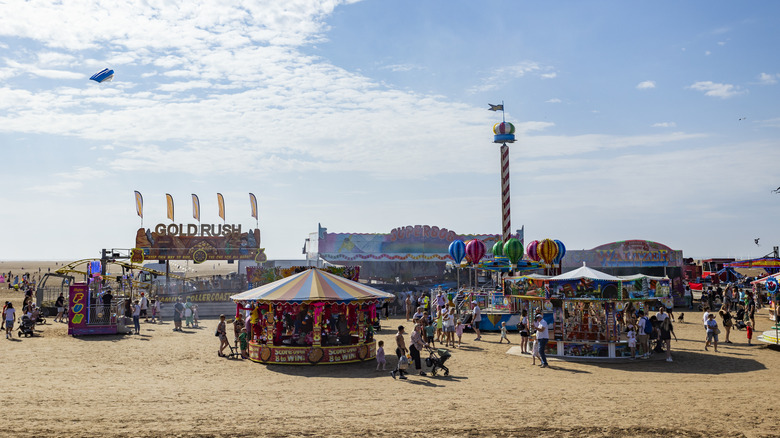
When travelers turn their gaze toward the Lancashire coast for a quintessential British seaside retreat, their attention is almost instinctively captured by Blackpool. Renowned globally for its high-octane amusement parks, towering iconic Blackpool Tower, bustling promenades, and neon-lit nights, Blackpool stands as the heavyweight champion of northern English tourism. However, just a short distance down the coast lies a completely different kind of seaside experience—one characterized by understated elegance, expansive golden beaches, family-friendly tranquility, and a deeply rooted Victorian heritage.
Welcome to Lytham St Annes, a dual-town coastal gem nestled less than six miles south of its boisterous neighbor. Comprising the distinct yet harmonious communities of Lytham and St Annes-on-the-Sea, this destination offers a sophisticated antidote to the overwhelming crowds and sensory overload typically associated with major seasonal hotspots. Far from being a sleepy backwater, Lytham St Annes manages to strike a delicate, highly coveted balance: it delivers traditional British seaside nostalgia—complete with historic piers, windy kite-flying shores, and independent mom-and-pop shops—while maintaining a contemporary, highly rated culinary scene and an exceptionally welcoming community atmosphere.
For international travelers and domestic holidaymakers alike, Lytham St Annes represents a masterclass in accessible escape. Situated within easy reach of major transportation hubs, highly walkable, and rich in local culture, this Lancashire enclave is rapidly emerging as the premier choice for travelers looking to exchange the frantic pace of mass tourism for a richer, more authentic coastal lifestyle.
Detailed Chronology: The Evolution of a Victorian Respite
To fully appreciate the unique character of Lytham St Annes today, one must examine its historical trajectory—a story defined by planned Victorian development, architectural preservation, and a steadfast commitment to maintaining its distinct identity separate from Blackpool.
The 19th Century: The Rise of the Twin Towns
Before the Victorian era transformed the Fylde coastline, the area comprising modern-day Lytham and St Annes was largely rural, characterized by open marshes, sand dunes, and quiet fishing and farming settlements. Lytham’s history is anchored by the Clifton family, lords of the manor, who heavily influenced its early architectural layout. During the mid-to-late 19th century, visionaries recognized the therapeutic potential of the sea air and began developing the coastline into a refined health resort.
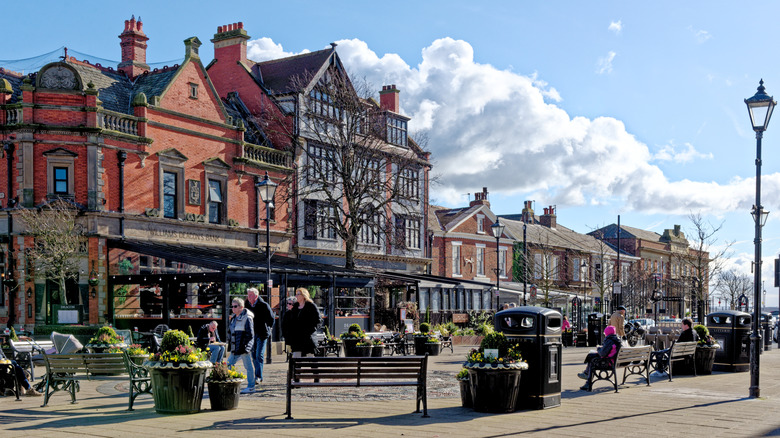
St Annes-on-the-Sea, established later as a planned resort town in the 1870s, was meticulously laid out with wide, tree-lined boulevard avenues, grand hotels, and formal gardens. Unlike the working-class entertainment focus of early Blackpool, St Annes was consciously marketed to the middle and upper classes seeking clean air, quiet promenades, and restorative leisure. The construction of the St Annes Pier in the late 19th century—featuring its striking, imposing mock-Tudor entrance—cemented the town’s status as a premier Victorian coastal destination.
The 20th Century: Consolidation and Community Resilience
The 20th century brought administrative changes, most notably the amalgamation of Lytham and St Annes into a single municipal borough in 1922. Throughout the decades of shifting British holiday trends—from the post-war boom of domestic seaside holidays to the rise of cheap continental package tours—Lytham St Annes managed to weather economic shifts by fiercely protecting its architectural heritage and green spaces.
While other resorts modernized with garish arcades and concrete developments, Lytham St Annes preserved its expansive parks, green-domed windmill overlooking the green, and independent high streets. The establishment of local institutions, such as family-run department stores and specialized craft shops during this era, laid the groundwork for the robust independent retail ecosystem that thrives today.
The 21st Century: A Modern Haven for Slow Travel
In recent years, Lytham St Annes has undergone a quiet renaissance. As global tourism trends shift toward "slow travel," sustainability, and authentic local experiences, the town’s inherent attributes—walkability, green spaces, independent commerce, and natural beauty—have placed it firmly on the radar of discerning travelers. Strategic investments in coastal accessibility, beach maintenance, and cultural events (such as the world-famous International Kite Festival) have ensured that the town remains vibrant without sacrificing the peaceful charm that has defined it for over a century.
Supporting Context & Metrics: Navigating Lytham St Annes
For travelers planning an itinerary to this Lancashire sanctuary, understanding the practical logistics, geography, and socio-economic landscape is essential for crafting a seamless journey.
Geographic Accessibility and Transit Infrastructure
Lytham St Annes occupies a prime geographic location on the Fylde coast, positioned just under six miles south of Blackpool. For international visitors, getting to the region is remarkably straightforward. The town is serviced by two major international aviation hubs:
Manchester Airport: Located approximately 60 miles southeast, offering extensive global flight connections.
Liverpool John Lennon Airport: Situated roughly 70 miles south, providing numerous European and domestic routes.
Both airports maintain robust public transportation links to the Fylde coast via direct rail and coach networks, though travelers utilizing public transit may encounter a transfer in regional hubs like Preston or Manchester. For those arriving via car, the town is easily accessible via the M55 motorway. However, urban planners and local tourism boards increasingly advocate for leaving the vehicle behind; Lytham St Annes boasts a remarkably compact, highly walkable layout, complemented by safe cycling paths along the sea defenses.
Natural Geography, Tides, and Climate
The coastline of Lytham St Annes is defined by miles of uninterrupted, fine golden-sand beaches that offer unrestricted access to the Irish Sea. Unlike shingle or rocky shores, these expansive sands provide an ideal playground for families, beach walkers, and sports enthusiasts.
However, visitors must exercise caution regarding the local hydrography. The regional geography creates drastic and rapid tide changes. During transitional periods, the tide recedes for miles and returns with notable speed. Consequently, checking local tide forecasts prior to beach excursions is not merely a recommendation; it is a critical safety measure.
The coastal position also exposes the area to bracing sea breezes, which make it one of the premier locations in the United Kingdom for kite flying. This atmospheric condition culminates annually in the St Annes International Kite Festival, drawing international aeronautical artists and thousands of spectators to the shoreline at the end of summer.
Retail and Culinary Ecosystem
The local economy of Lytham St Annes heavily champions independent enterprise, setting it apart from corporate-dominated retail parks.
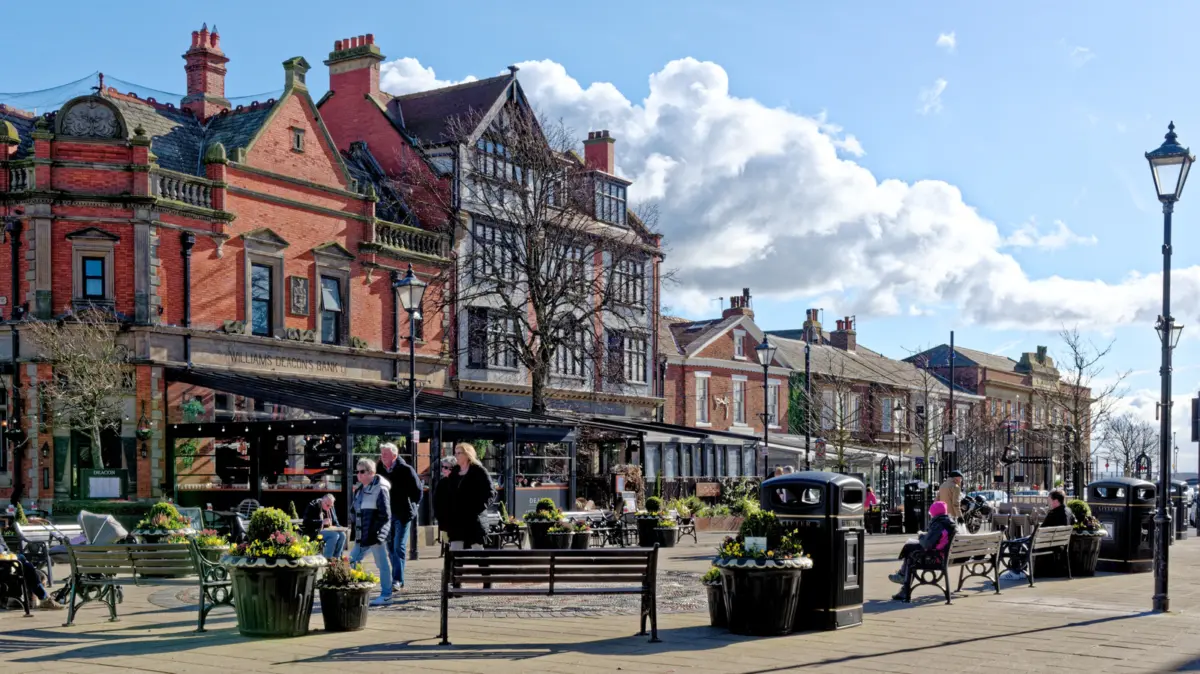
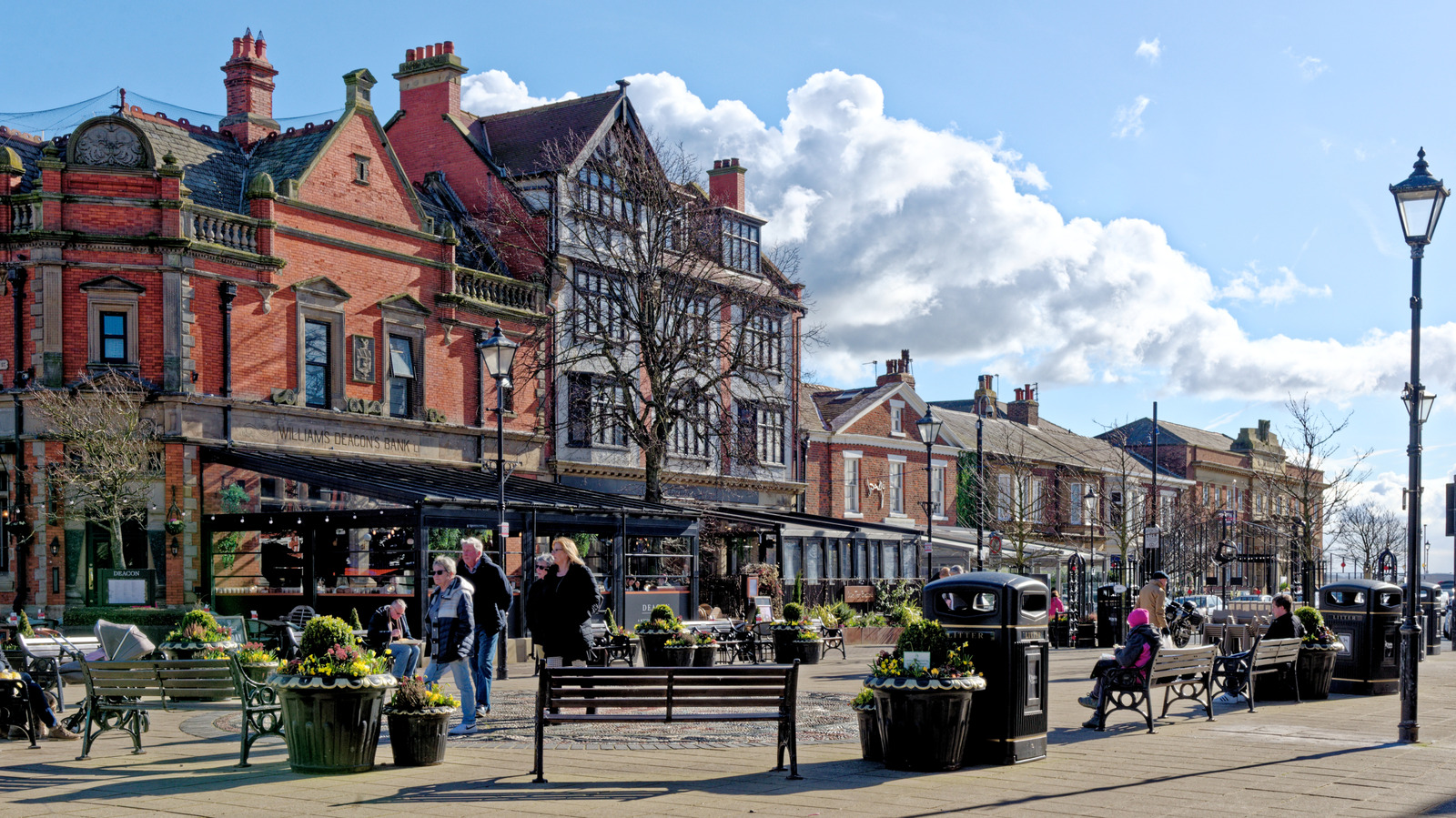
Retail Diversity: The town features dozens of independent boutiques, specialist craft stores, and rare surviving institutions. Notably, Stringers Department Store stands as one of only a hundred-something independent department stores remaining across the entirety of England and Wales, having served the community continuously since the 1950s.
Culinary Density: With a thriving culinary scene boasting approximately 100 restaurants and cafes, the town punches well above its weight class. Gastronomic offerings range from traditional British tearooms to highly rated international establishments, including authentic Turkish dining at Anatolia Sea View and specialized South Asian flavors at Spicy Waves.
Official Statements & Expert Perspectives
Tourism authorities, local business leaders, and cultural preservationists have long championed the unique value proposition that Lytham St Annes brings to the British tourism landscape.
Regional tourism boards emphasize the strategic importance of towns like Lytham St Annes in diversifying the British coastal economy. In a recent regional development briefing, a spokesperson for Visit Lancashire noted:
"While economic powerhouses like Blackpool provide vital mass-market entertainment, destinations like Lytham St Annes fulfill an equally crucial role in our tourism ecosystem. They offer a sanctuary for visitors seeking wellness, heritage preservation, and a genuine connection to community-driven commerce. The town proves that modern seaside resorts do not need to compromise their historic charm to remain economically vibrant."
Local business owners echo this sentiment, pointing out that the community’s resistance to homogenization is its greatest commercial asset. The proprietors of long-standing institutions like Dawson’s Art & Craft Emporium and Very Vintage frequently highlight the personal relationships built with visitors.
"When people walk into our shops, they aren’t just transacting; they are participating in a tradition of human connection," shares a local merchant cooperative representative. "Our customers value curated selections, handmade framing, and eclectic secondhand art pieces that tell a story. That is something you simply cannot replicate in a sprawling shopping mall."
Furthermore, environmental and coastal management officials stress the importance of public awareness regarding natural elements. Marine safety coordinators issue recurring advisories reminding visitors to respect the Fylde coast’s tidal dynamics: "The beauty of our beaches is matched only by their dynamic nature. We continually urge the public to consult tide timetables so that their coastal retreat remains safe, relaxing, and memorable for all the right reasons."
Future Outlook: Sustainability, Growth, and the Path Ahead
As Lytham St Annes looks toward the future, its municipal leaders and community stakeholders are carefully balancing the imperative of economic development with the urgent need for environmental conservation and heritage preservation.
Sustainable Tourism and Coastal Protection
With climate change presenting ongoing challenges to low-lying coastal communities across the United Kingdom, Lytham St Annes has prioritized resilient infrastructure. Ongoing investments in sea defense enhancements, dune restoration projects, and coastal wildlife protection zones ensure that the natural habitats framing the town remain pristine. Local conservation groups work hand-in-hand with municipal authorities to protect the fragile coastal ecosystems that support migratory birds and diverse marine life along the Irish Sea.
Urban Planning and Walkability Initiatives
Looking ahead, urban development strategies for the Fylde coast emphasize non-motorized transport integration. Plans are underway to further expand pedestrianized zones, upgrade cycling corridors connecting Lytham to St Annes and onward to Blackpool, and enhance public realm aesthetics. By reducing carbon footprints and prioritizing pedestrian safety, the twin towns aim to solidify their reputation as premier wellness destinations where visitors can genuinely disconnect from vehicular congestion.
Expanding Cultural Tourism
To maintain its appeal across generations, Lytham St Annes is actively expanding its cultural calendar. Beyond the established success of the International Kite Festival, the town is cultivating a burgeoning arts scene, leveraging independent galleries, local music festivals, and artisan markets. Neighboring day-trip destinations—such as the vibrant, walkable streets and music venues of Preston just 40 minutes away, or the rolling hills and canals of Chorley—further enrich the regional tourism portfolio, positioning Lytham St Annes as the ultimate central base for exploring the diverse landscapes of Lancashire.
In an era where travel often feels rushed and standardized, Lytham St Annes stands as a steadfast reminder of the enduring appeal of the British seaside: unhurried, deeply welcoming, and wonderfully authentic.