








Executive Overview
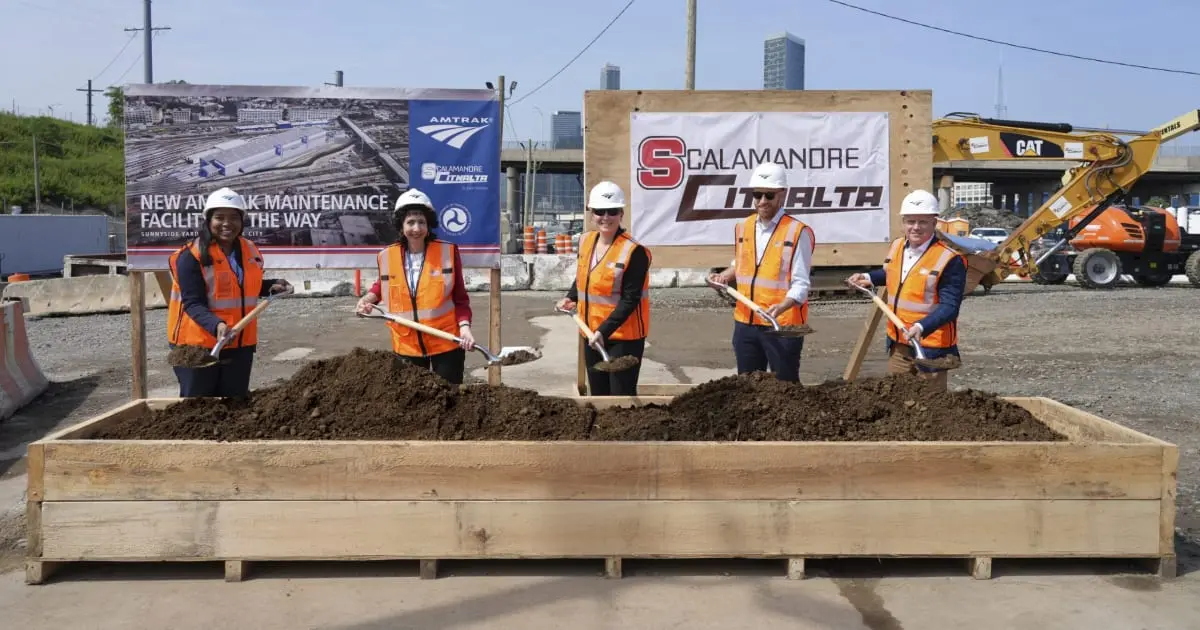
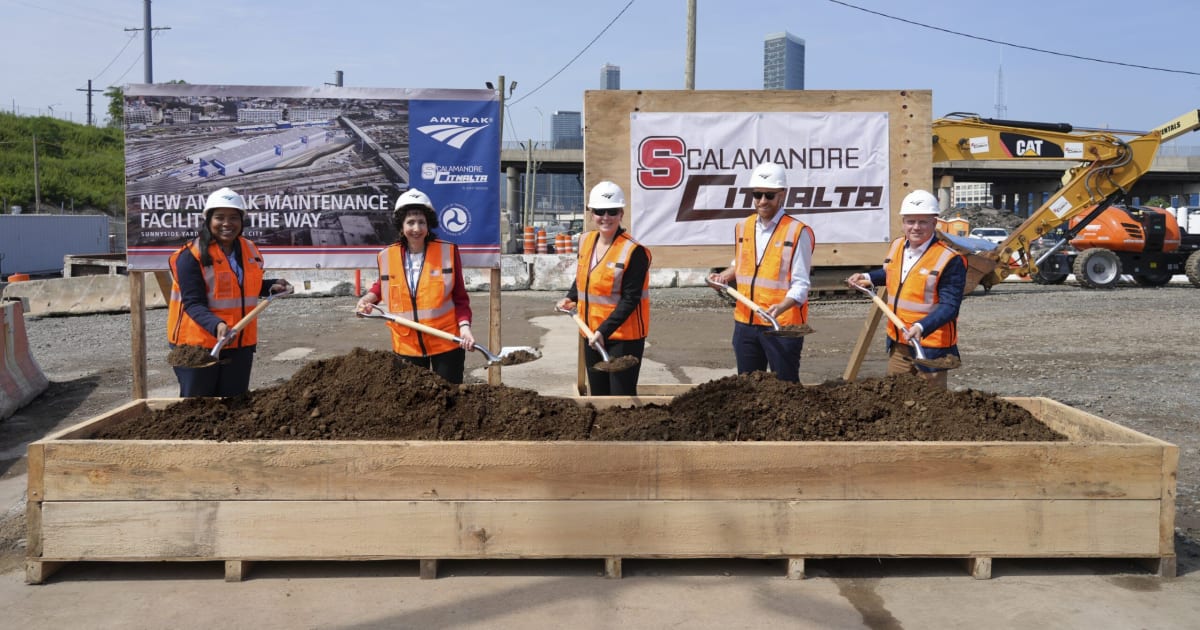
In a milestone development for American passenger rail infrastructure, Amtrak has officially broken ground on a massive, state-of-the-art maintenance facility at the historic Sunnyside Yard in Long Island City, New York. Valued at over $1 billion, this transformative project represents a cornerstone in Amtrak’s sweeping national fleet modernization program. The endeavor is specifically engineered to support the rollout of Amtrak’s highly anticipated, next-generation Airo trainsets while radically overhauling operational efficiencies, boosting turnaround speeds, and elevating the passenger experience across the densely populated Northeast Corridor.
The Sunnyside Yard project stands as Amtrak’s fifth—and definitively its largest—major maintenance facility to advance into active construction over the last two years. Funded primarily by federal grants administered through the Federal Railroad Administration (FRA) via congressional appropriations, the initiative underscores a decisive national commitment to revitalizing aging rail networks. When the facility opens in phased stages through 2030, it will replace obsolete infrastructure and provide a modernized technical hub capable of servicing millions of passenger trips annually.
By integrating cutting-edge maintenance technologies, enhanced crew bases, and advanced platform configurations, the Sunnyside Yard redevelopment will pave the way for a new era of rail travel. It will permanently retire equipment that has exceeded half a century of active service, supplanting legacy cars with modern, highly reliable, and accessible trainsets designed to meet the rigorous demands of 21st-century mobility.
Detailed Chronology and Scope of the Sunnyside Yard Modernization
The Path to Groundbreaking
The journey toward the Sunnyside Yard ground-breaking has been years in the making, rooted in the broader legislative and strategic push to secure long-term capital investments for America’s aging intercity rail network. Long Island City’s Sunnyside Yard has historically served as a critical operational nerve center for the Northeast Corridor, housing, cleaning, and repairing the rolling stock that keeps the Eastern Seaboard moving. However, decades of continuous, high-intensity use left the yard’s infrastructure severely strained, lagging far behind the technological leaps made by modern high-speed rail systems globally.
Planning and environmental reviews for the modern facility accelerated following the passage of landmark federal funding packages, which unlocked billions of dollars for passenger rail improvements. Amtrak’s engineering teams, working in close collaboration with the FRA and local stakeholders, meticulously designed a master plan to rebuild the yard without severely disrupting ongoing, daily rail operations—a logistical feat requiring precision staging and phased implementation.
Phased Construction and Operational Capabilities
Slated to open in incremental phases leading up to 2030, the new Sunnyside Yard facility will introduce a sweeping suite of technical capabilities designed to streamline workflow and minimize equipment downtime. The comprehensive scope of work encompasses:
- Daily Safety and Mechanical Inspections: Advanced diagnostic bays equipped with automated sensor technology to detect mechanical anomalies swiftly.
- Routine Servicing and Heavy Cleaning: Streamlined interior and exterior washing stations, waste management systems, and provisioning hubs to quickly ready trains for return trips.
- Component Overhaul and Repair Bays: Specialized workshops tailored to the unique technical specifications of the new Airo equipment, reducing reliance on off-site component shipping.
- Optimized Crew Bases: Modernized administrative and rest facilities designed to improve working conditions, safety, and logistical coordination for Amtrak operations personnel.
By consolidating these functions into an integrated, energy-efficient facility, Amtrak expects to drastically reduce turnaround times. Trains will spend less time idling in maintenance queues and significantly more time in revenue service, directly expanding network capacity and schedule reliability.
Supporting Context, Metrics, and Strategic Significance
The Airo Era: Replacing Half-Century-Old Equipment
At the heart of the Sunnyside Yard investment is the impending arrival of Amtrak’s Airo trainsets. These state-of-the-art trainsets are tasked with replacing aging passenger cars that have been in active service for more than 50 years—vehicles that, while historically significant, are increasingly prone to maintenance bottlenecks and lack the modern amenities expected by contemporary travelers.
The Airo trainsets are designed to deliver a transformative travel experience, featuring:
- Enhanced Accessibility: Improved ADA compliance, wider doors, and seamless boarding processes for passengers with diverse mobility needs.
- Superior Interior Comfort: Ergonomically redesigned seating, enhanced legroom, modern lighting, and customer-centric touches such as individual power outlets and USB ports at every seat.
- Advanced Reliability and Eco-Friendliness: State-of-the-art propulsion systems and aerodynamic designs that significantly lower carbon emissions and reduce energy consumption compared to legacy locomotive-hauled trains.
Regional Reach and Route Impact
The operational efficiencies gained at Sunnyside Yard will resonate far beyond the borders of New York State. Millions of Amtrak customers traveling across multiple key East Coast routes will directly benefit from the modernized fleet and improved yard turnaround times. The routes slated to receive new Airo trainsets and reap the operational dividends of the Sunnyside facility include:
- The Northeast Regional: The lifeblood of East Coast travel, connecting Boston, New York, Philadelphia, Baltimore, and Washington, D.C.
- The Empire Service: Connecting New York City with Albany and the wider expanse of Upstate New York.
- The Adirondack and Ethan Allen Express: Cross-border and scenic regional routes serving northern New York and Vermont.
- The Vermonter: Providing vital intercity connectivity between New England and the broader national network.
Furthermore, the new facility and its upgraded service platforms will play an instrumental role in maintaining and storing NextGen Acela equipment, Long Distance trains, and various commuter rail systems that routinely operate out of or intersect with the Sunnyside complex.
Official Statements and Leadership Perspectives
The significance of the Sunnyside Yard groundbreaking was underscored by remarks from key executives and federal transportation leaders who view the project as a critical milestone in national infrastructure renewal.
“From this new maintenance facility to the East River Tunnel Rehabilitation Project and so many other projects, Amtrak is delivering transformative investments that are reshaping the future of passenger rail in New York,” said Amtrak Executive Vice President of Capital Delivery, Laura Mason.
Mason emphasized the collaborative nature of the initiative, noting the indispensable partnership between Amtrak and the federal government. “Together with our partners at the Federal Railroad Administration, we’re building the modern infrastructure needed to support our new Airo trains and deliver safer, more reliable service for decades to come.”
Federal officials have similarly lauded the project as a model of how targeted federal capital investments can yield generational improvements. The ongoing financial injection—bolstered recently by an additional $2.05 billion announced by the FRA for up to 43 extra trainsets beyond the 83 Airo units already on order—signals a synchronized, nationwide strategy. This strategy pairs rolling stock procurement directly with the heavy infrastructure required to maintain it, avoiding the historical pitfalls of acquiring modern trains without the maintenance facilities capable of servicing them.
Future Outlook: A Network-Wide Transformation
The National Maintenance Modernization Footprint
The Sunnyside Yard project does not stand in isolation; rather, it is part of a sweeping, network-wide modernization campaign. Amtrak’s overarching fleet modernization program involves the comprehensive upgrade or construction of more than 20 maintenance facilities and rail yards across the United States. These investments are meticulously timed to precede and accommodate the widespread deployment of new Airo trainsets.
Within this broader framework, Sunnyside Yard holds the distinction of being Amtrak’s fifth major maintenance facility to break ground in the last two years. It follows major modernization milestones achieved in:
- Philadelphia, Pennsylvania
- Seattle, Washington
- Washington, D.C.
- Boston, Massachusetts
Looking ahead, the momentum will continue with the Rensselaer Yard in Upstate New York. Currently in the advanced design phase, Rensselaer is slated to become the sixth and final major maintenance facility modernized under this specific tranche of the capital program.
Satellite Layover Sites and Local Partnerships
Complementing the major regional maintenance hubs, Amtrak and its regional partners are advancing the construction and renovation of several strategic layover sites. These smaller, highly efficient satellite facilities are strategically positioned along existing intercity routes where trains require minor servicing, routine cleaning, or overnight storage. Key layover site developments include:
- Albany and Niagara Falls, New York
- Springfield, Massachusetts
- Burlington, Vermont
Conclusion: A Resilient Rail Future
As construction machinery digs into the historic soil of Sunnyside Yard, it marks more than just the physical assembly of steel, concrete, and maintenance bays. It symbolizes a profound turning point for American passenger rail. By bridging the gap between aging 20th-century infrastructure and the advanced, sustainable technology of the 21st century, Amtrak is laying the groundwork for a safer, faster, and more reliable transit network.
With completion projected around 2030, the modernized Sunnyside Yard will stand alongside its sister facilities across the country as a testament to strategic federal investment and engineering excellence—guaranteeing that millions of passengers traveling the Northeast Corridor will experience a revitalized, world-class standard of travel for generations to come.