Executive Overview
Water parks remain a quintessential summer tradition and a popular winter escape, drawing millions of visitors worldwide to sprawling aquatic complexes, high-speed slides, and massive wave pools. Whether vacationing at premier tropical-themed destinations in Orlando, exploring expansive indoor water resorts across the Midwest, or visiting local community splash parks, families invest significant time and money into crafting unforgettable memories. However, beneath the bright colors, rushing water, and festive atmosphere lies a stark, sobering reality that demands absolute vigilance.
According to public health data and drowning prevention organizations, drowning stands as the leading cause of accidental death among children aged 1 to 4. In high-traffic aquatic environments like water parks, the sheer sensory overload, vast crowds, and complex physical architecture can amplify these risks exponentially.
To bridge the gap between visitor enjoyment and absolute safety, this report compiles insider insights, expert advice, and frontline observations gathered directly from professional lifeguards, water park operators, and safety organizations (including communities on Reddit, the National Drowning Prevention Alliance, Alive Solutions, and the World Waterpark Association). Moving far beyond basic pool safety rules, this authoritative guide reveals eight critical, lesser-known safety strategies designed to protect both children and adults during their next aquatic adventure.

Detailed Chronology: Anatomy of a Water Park Visit and Risk Mitigation
Understanding how risks manifest during a day at a water park requires breaking down the trip into critical phases. By examining the chronology of a typical visit—from pre-planning to navigating high-intensity zones—families can implement targeted safeguards at every step.
Phase 1: Pre-Trip Preparation and Documentation
Risk mitigation begins long before families step foot onto the concrete pool deck. According to water safety experts, the most critical pre-trip preparations involve establishing clear supervisory plans and documenting identifying information.
- The Sibling/Group Supervision Plan: In large family groups, the diffusion of responsibility poses a major hazard. The dangerous assumption that "everyone is watching the kids" routinely leads to tragic oversights. Establishing designated "water watchers" who take turns monitoring children in 15-minute rotations prevents gaps in supervision.
- Visual Documentation: In the rare event that a child becomes separated from their family, every second counts. Water safety experts recommend snapping a quick photograph of each child in their exact swimwear and rash guard before entering the park. This eliminates vague descriptions (such as "brown hair and blue trunks") and provides lifeguards and security personnel with immediate, actionable reference material.
Phase 2: Arrival and Safety Equipment Assessment
Upon entering the facility, families must immediately evaluate flotation devices and establish boundaries regarding swimming capabilities.
- Rejecting False Security: A staggering percentage of parents mistakenly believe that inflatable water wings or non-Coast-Guard-approved floaties provide genuine protection against drowning. In reality, these items can slip off, deflate, or offer a false sense of security that diminishes active parental supervision. Families must exclusively utilize properly fitted, U.S. Coast Guard-approved life jackets for weak swimmers.
- Educating on Park Rules: Children often view water park regulations as arbitrary buzzkills designed to limit fun. Pre-trip conversations should frame rules—such as walking on pool decks and riding slides feet-first on one’s back—as vital preventive measures.
Phase 3: Navigating High-Risk Zones (Slides and Wave Pools)
Once inside the park, visitors inevitably gravitate toward high-thrill attractions. This phase carries the highest concentration of localized risk.

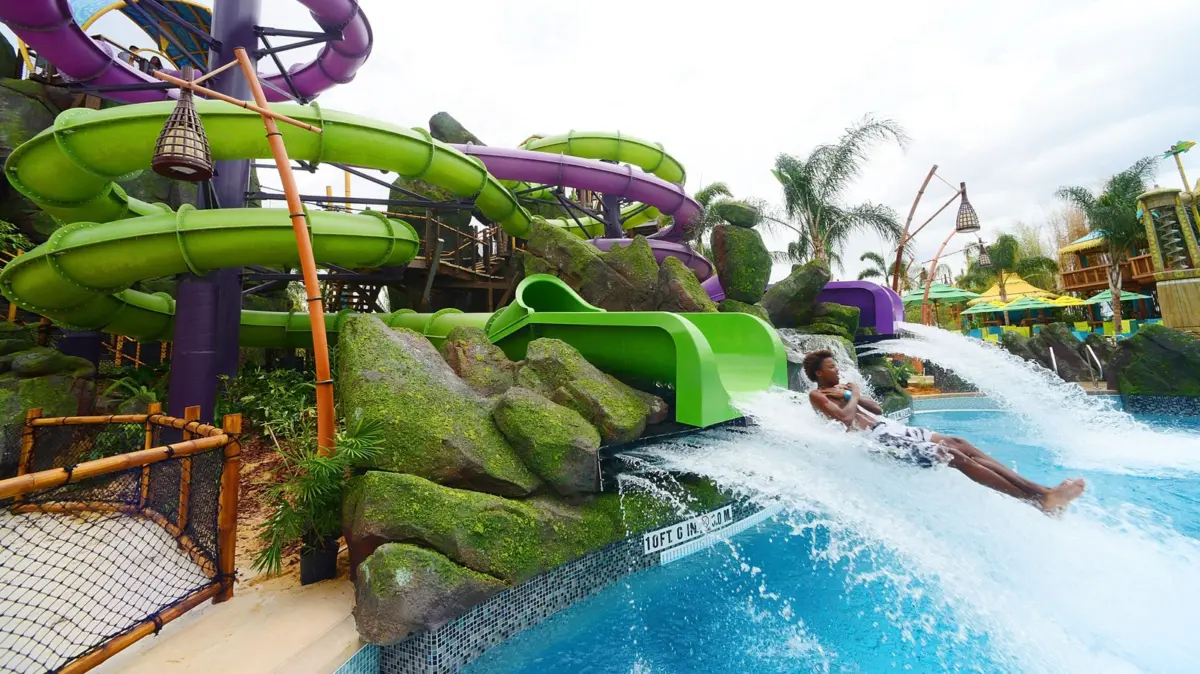
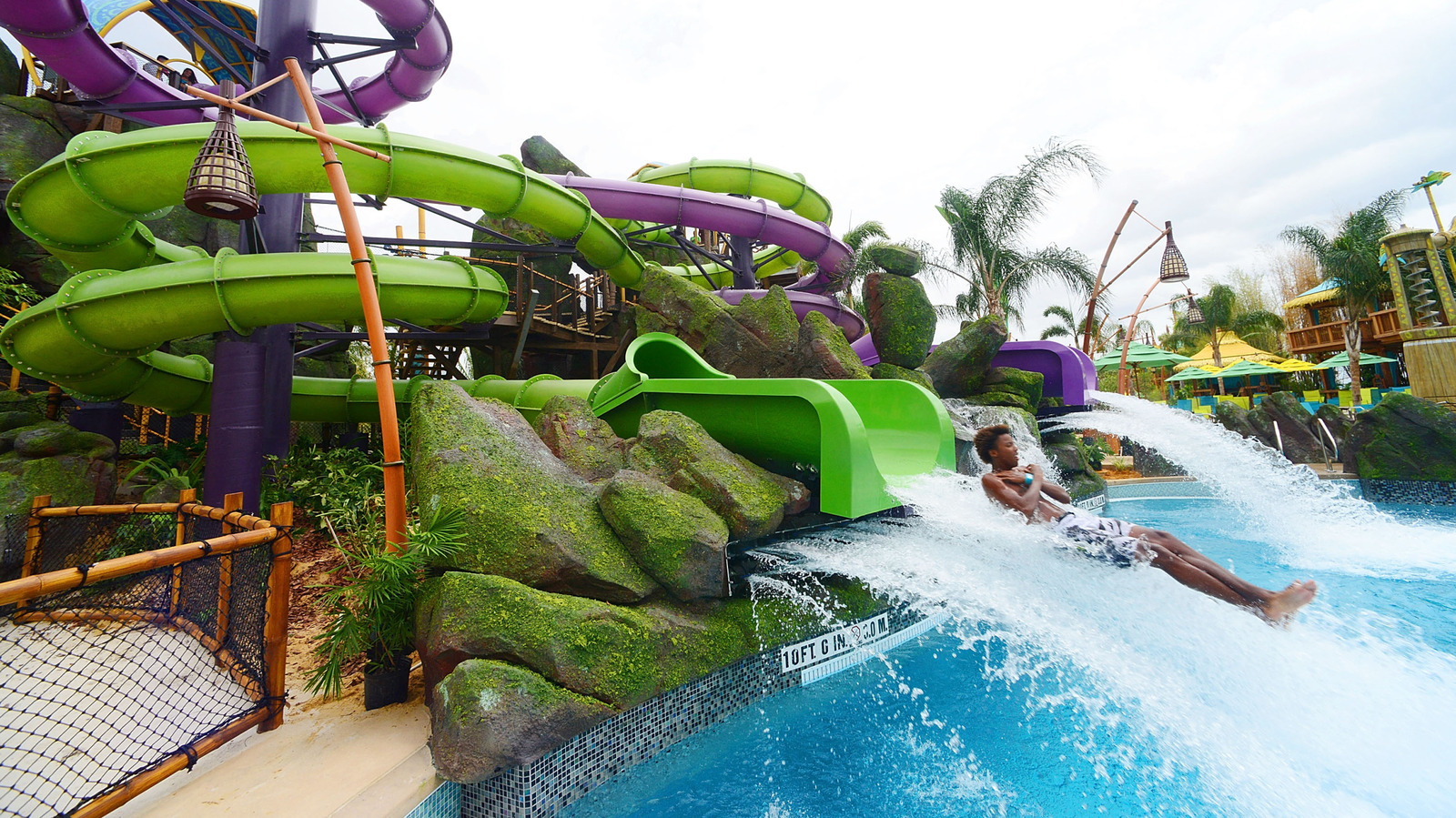
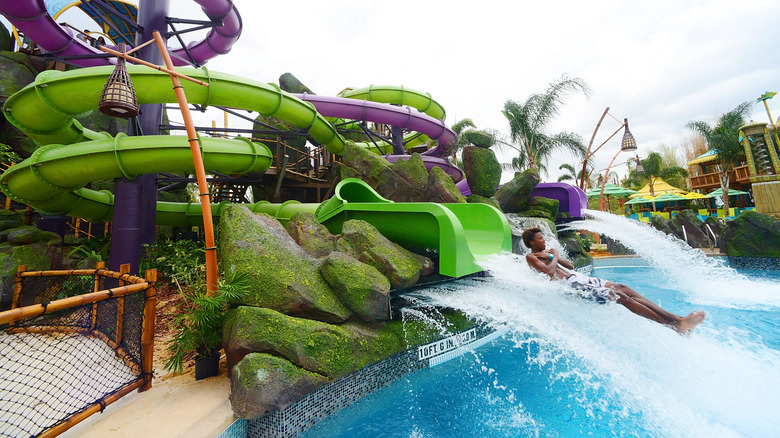
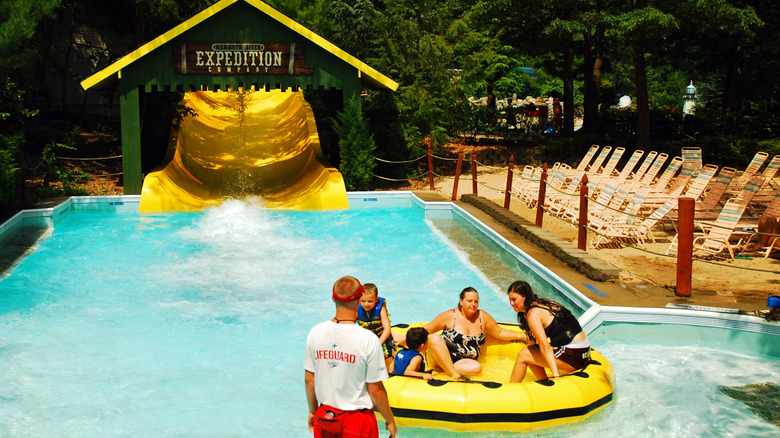
- Water Slide Landing Pools: Visitors frequently assume that shallow landing pools at the base of water slides are entirely risk-free. However, strong outflow currents can disorient children or make it difficult to regain footing, even in three feet of water.
- Wave Pool Dynamics: Wave pools present unique hazards. When the wave generator is turned off, weaker swimmers may feel secure clinging to the edges. Once the waves activate, the sudden depth and turbulence frequently overwhelm unprepared patrons, driving up rescue statistics. Testing the pool during active wave cycles and keeping non-swimmers within arm’s reach is mandatory.
Supporting Context & Metrics: The Science of Aquatics Supervision
To fully appreciate the wisdom shared by professional lifeguards, it is essential to examine the empirical data and human factors governing modern water safety.
Understanding Lifeguard Scanning and Cognitive Load
Lifeguarding is not merely a passive job of watching the water; it is an intense cognitive discipline requiring unbroken concentration. According to aquatic safety standards set by organizations like the American Red Cross, lifeguards must constantly scan their designated zones using continuous eye-tracking patterns.
Human factors research underscores why casual interactions with lifeguards pose a hidden danger. A landmark eye-tracking study conducted by Life Saving Victoria and Swinburne University demonstrated that visual clutter, high swimmer densities, and environmental distractions significantly degrade a monitor’s ability to detect a distressed swimmer quickly. When well-meaning patrons stop to engage a lifeguard in friendly conversation, they interrupt this rigorous mental scanning process. Unnecessary small talk introduces cognitive friction, pulling the guard’s focus away from their surveillance zone and inadvertently compromising the safety of every swimmer in the pool.

The Statistical Reality of Water Park Attractions
Data compiled from public health agencies and water safety coalitions highlights where incidents are most likely to occur:
- Wave Pools: Statistically account for a disproportionate percentage of water park rescues. The combination of unpredictable currents, shifting water levels, and high bather density creates an environment where even moderate swimmers can experience sudden fatigue or panic.
- Slide Runouts: While major structural failures on modern water slides are exceedingly rare, the transition zones—where high-velocity riders enter static or moving water—generate localized hydraulic currents that frequently catch young children off guard.
- Bather Crowding in Narrow Corridors: Lazy rivers and connector channels often experience bottlenecks where crowds congregate. This physical compression creates blind spots for surveillance staff, impeding their line of sight and delaying emergency response times.
Official Statements and Industry Insights
The directives compiled in this safety framework originate directly from frontline professionals who manage aquatic facilities and execute water rescues daily.

Insights from Frontline Lifeguards and Water Safety Experts
- On Wave Pool Dangers: Lifeguard u/Pterodxctyl highlighted a recurring hazard on public forums: "People who were clinging onto the side of the pool while the waves were off were often not equipped to tread in deep water when the waves turned on." This sudden transition catches families unprepared, turning a fun experience into an emergency extraction.
- On Slide Landing Zones: Reflecting on active-duty experiences, former water park lifeguard u/Haunting-Ad-8029 noted: "Was a lifeguard at a major water park. I think my total saves for the season was 38… Oddly, quite a few were in 3-foot deep pools at the bottom of slides." This counters the common assumption that deep water is the sole danger zone.
- On Parental Vigilance: Aleatha Ezra, director of park member development at the World Waterpark Association, emphasizes the irreplaceable role of parents: "Parents are the first line of defense in keeping kids safe in the water. Never leave children unattended… not even for a minute."
- On Accurate Descriptions During Emergencies: Water safety expert Natalie Livingston of Alive Solutions stresses the importance of photographic records: "Parents would say they lost their kid and the only description I could get out of them is they have brown hair, are about 8, and are wearing blue… then in reality the child is found only to be wearing a white rash guard and green shorts. Take a photo in your phone for quick reference."
Future Outlook: Evolution of Water Park Safety and Technology
As water parks expand in scale—introducing taller mega-slides, immersive virtual reality water attractions, and massive indoor complexes—the approach to guest safety is evolving rapidly.
Technological Integration in Aquatic Surveillance
Looking forward, the water park industry is increasingly adopting computer vision and artificial intelligence to assist human lifeguards. Drowning detection systems, which utilize underwater cameras and overhead optical sensors, are being integrated into modern pools to track bather movements and alert staff to submerged bodies in distress within seconds. While these technological advancements provide a powerful secondary layer of protection, industry leaders emphasize that technology can never replace active human supervision, adherence to park rules, and strict parental vigilance.

Educational Initiatives and Community Awareness
Moving into future seasons, organizations like the National Drowning Prevention Alliance and the Pool & Hot Tub Alliance are pivoting toward proactive community education. By dismantling pervasive myths—such as the perceived safety of water wings and the false security of shallow water slide runouts—public awareness campaigns aim to drastically reduce preventable aquatic accidents.
Ultimately, enjoying a safe, memorable day at a water park hinges on a partnership between facility operators, professional lifeguards, and well-prepared families. By respecting operational boundaries, eliminating distractions for staff, and maintaining unbroken supervision, visitors can ensure that their aquatic adventures remain defined entirely by fun rather than tragedy.