






Executive Overview
Tucked away in the undulating topography of the American South, the state of Alabama is widely celebrated for its rich freshwater biodiversity and diverse ecosystems. These transition seamlessly from the rugged, ancient ridges of the Appalachian foothills down to the lush, subtropical tidal marshes of the Gulf Coast. Within this geographic tapestry lies a wealth of recreational potential that continually attracts outdoor enthusiasts of every stripe.
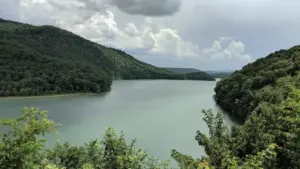
Among these natural sanctuaries, Roland Cooper State Park stands out as a premier destination. Covering 236 acres of protected landscape, this peaceful oasis is situated directly along the banks of the expansive 22,000-acre Dannelly Reservoir, more commonly referred to locally as Millers Ferry.
This state park offers a rare convergence of habitats that satisfies anglers, avid birders, and stargazers alike. While many regional parks specialize in a single type of outdoor recreation, Roland Cooper successfully bridges the gap. It combines high-end aquatic sports, exceptional wildlife viewing along a nationally recognized avian trail, and some of the clearest, darkest night skies in the American Southeast.

Furthermore, the park bridges the divide between rustic immersion and modern comfort. It features a versatile array of accommodations ranging from fully equipped, multi-bedroom cabins to primitive campsites.
Strategically positioned just an hour and twenty minutes southwest of Montgomery, and roughly a two-hour drive from the major metropolitan hubs of Birmingham and Mobile, the park serves as an accessible yet profoundly remote-feeling escape. It offers a masterclass in regional conservation, sustainable outdoor tourism, and balanced land management.
Detailed Chronology and Historical Context
To fully understand the ecological and recreational significance of Roland Cooper State Park, one must trace its development within the broader context of Alabama’s civil engineering and state park evolution.
The Engineering of Dannelly Reservoir
The history of the region changed dramatically in the mid-20th century with the construction of the Millers Ferry Lock and Dam on the Alabama River. Completed by the U.S. Army Corps of Engineers, this monumental infrastructure project impounded the river waters to create the 22,000-acre Dannelly Reservoir.

While the primary impetus for the dam was commercial navigation, flood control, and hydroelectric power generation, the resulting aquatic ecosystem instantly transformed the local geography. The sprawling reservoir created miles of complex shoreline, flooded timber channels, and deepwater basins that proved ideal for freshwater game fish.
Recognizing the immense recreational potential of these newly formed waters, state conservation planners and local stakeholders began advocating for a dedicated public park to manage and protect a prime section of the reservoir’s shoreline.
Establishment and Evolution of the Park
Roland Cooper State Park was established to provide public access to the Dannelly Reservoir while preserving the native pine forests and wildlife corridors characteristic of Wilcox County. Named in honor of regional conservation advocates and local leadership who championed the protection of the Black Belt’s natural resources, the park officially opened its gates in the latter half of the 20th century.
Over the decades, the park’s infrastructure has evolved significantly. Initial developments focused on basic boat ramps and rudimentary campgrounds. However, recognizing shifting traveler demographics and a growing demand for comfortable, low-impact nature tourism, the Alabama Department of Conservation and Natural Resources (ADCNR) gradually expanded the park’s offerings.
The introduction of climate-controlled cabins—ranging from spacious, fully furnished family units to compact tiny homes—marked a turning point in the park’s operational history. This expansion allowed the park to attract not just hardcore backpackers and anglers, but multi-generational families and casual travelers seeking an upscale immersion in nature.
Today, Roland Cooper State Park operates as a vital link in Alabama’s public lands system. It serves as a living laboratory for secondary-succession pine forests and a protected waypoint for migratory bird populations.
Supporting Context & Metrics
Evaluating Roland Cooper State Park requires examining the hard data that defines its geography, ecological ratings, and infrastructural capacity. These metrics highlight why the park punches well above its weight class in terms of regional tourism and conservation value.
Geographic and Ecological Metrics
- Total Land Area: 236 acres of protected upland and riparian forest.
- Water Body Association: Dannelly Reservoir (Millers Ferry), encompassing approximately 22,000 surface miles of navigable water.
- Night Sky Rating: Rated Class 2 on the Bortle Dark-Sky Scale. This classifies the location as a "typically truly dark site," characterized by pristine zodiacal light, distinct airglow, and minimal anthropogenic light pollution.
- Trail Systems: Anchored primarily by the Chipmunk Trail, a 0.9-mile out-and-back pedestrian corridor winding through native pine stands and riparian buffer zones.
Accommodation and Infrastructure Capacity
The park’s lodging infrastructure is intentionally diversified to accommodate varying comfort thresholds:
- Large Cabins: Three units, each measuring approximately 900 square feet. These feature two bedrooms furnished with queen-size beds, complete kitchens, full living rooms, heating and air conditioning, and full bathrooms equipped with tubs. Linens and kitchen utensils are provided.
- Standard Tiny Cabins: Six units spanning roughly 400 square feet. Five of these units sleep up to six guests (one queen bed, two sets of bunk beds), while a sixth unit sleeps four (one queen bed, one bunk bed).
- ADA-Accessible Tiny Cabin: One specialized single-bedroom unit equipped with universal accessibility features.
- Primitive Cabins: Two studio-layout cabins featuring a queen-size bed and a couch. These units do not feature private plumbing and rely on central campground bathhouses.
- Campground Infrastructure: 41 full-hookup RV sites and 14 primitive tent camping sites.
Fisheries and Avian Demographics
- Target Fish Species: Crappie (Pomoxis), Largemouth Bass (Micropterus salmoides), Bream (Lepomis species), Striped Bass (Morone saxatilis), Blue Catfish (Ictalurus furcatus), and Channel Catfish (Ictalurus punctatus), with large specimens frequently exceeding the 30-pound threshold.
- Notable Avian Species (Black Belt Birding Trail): Yellow-breasted Chat (Icteria virens), Prairie Warbler (Setophaga discolor), Common Yellowthroat (Geothlypis trichas), Bald Eagle (Haliaeetus leucocephalus), Orange-crowned Warbler (Leiothlypis celata), Blue-headed Vireo (Vireo solitarius), and American Goldfinch (Spinus tristis).
Recreational Deep Dive: Waters, Trails, and Skies
Aquatic Recreation on Dannelly Reservoir
With 22,000 acres of open water at their disposal, aquatic enthusiasts find endless room for exploration at Roland Cooper State Park. The park features a well-maintained, complimentary boat launch exclusively for registered guests, facilitating seamless access for motorized and non-motorized watercraft alike.
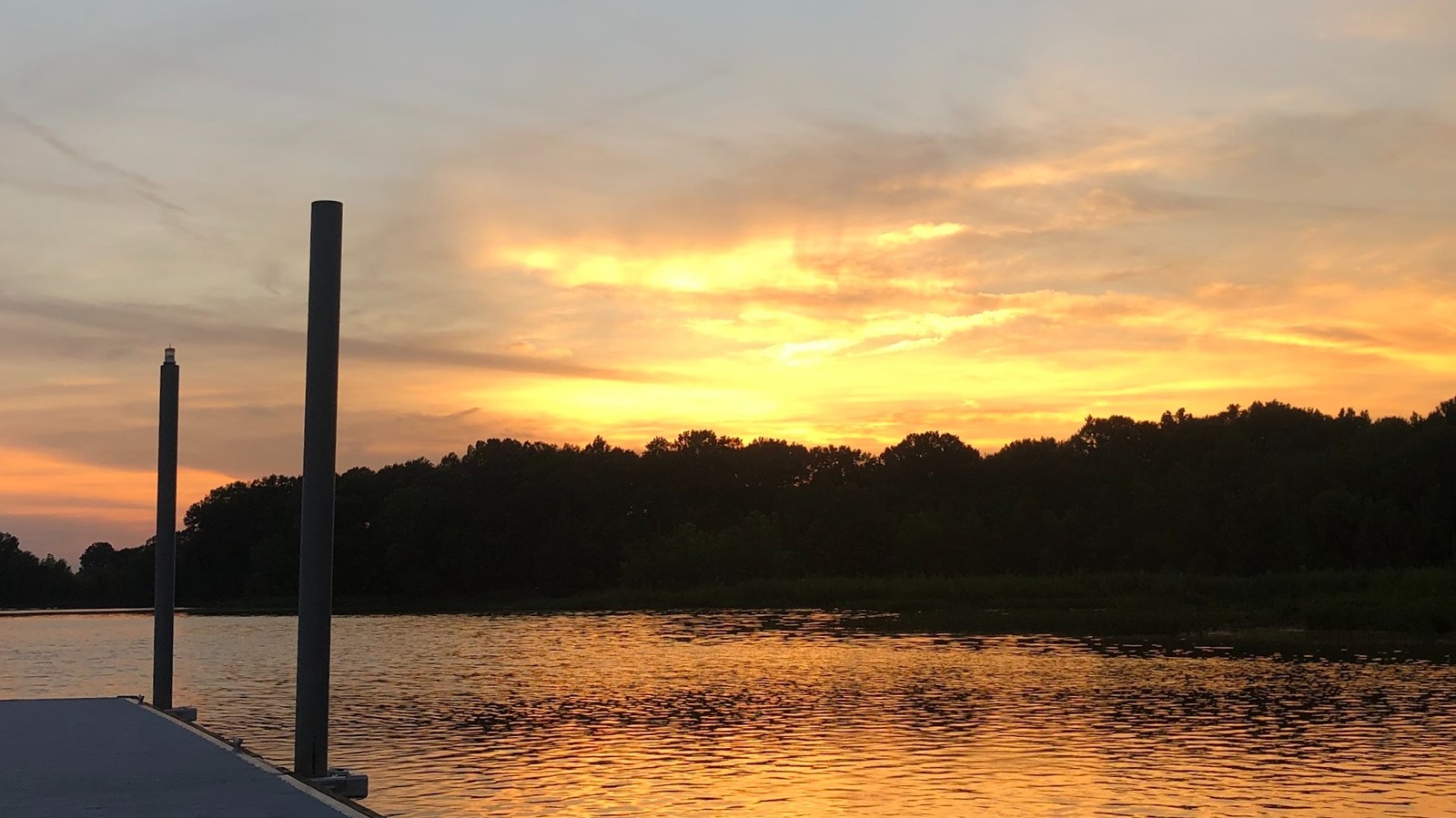
High-speed water sports such as water skiing and tubing are popular across the broader expanses of the reservoir. Meanwhile, quiet coves provide tranquil settings for kayaking, canoeing, and stand-up paddleboarding.
The resurgence of interest in angling—fueled in part by younger generations discovering traditional outdoor sports through digital platforms—has brought a new wave of visitors to Millers Ferry. The reservoir’s complex underwater topography, characterized by submerged creek channels, standing timber, and abundant aquatic vegetation, creates an ideal habitat for sportfish.
Anglers frequently target aggressive largemouth bass and schooling crappie. Additionally, the deep river channels harbor massive blue and channel catfish that regularly test the limits of heavy-tackle gear.
Avian Watching and Terrestrial Trails
Terrestrial exploration centers around the Chipmunk Trail. This 0.9-mile out-and-back footpath serves as a manageable introduction to the park’s interior pine and mixed-hardwood forests.
As a designated station along the Black Belt Birding Trail, the park offers exceptional ornithological viewing. Early morning visitors often experience a chorus of songbirds echoing through the understory, while squirrels and other small mammals rustle through the pine needles.
Year-round avian residents, including majestic bald eagles and various hawks, soar above the canopy. Meanwhile, seasonal migratory patterns bring specialized warblers, vireos, and finches through the region.
While the trail is generally considered an easy hike suitable for all skill levels, visitors frequently encounter rich local micro-ecosystems, including active orb-weaver spider populations spanning the trail corridors, underscoring the park’s vibrant, undisturbed natural state.
Stargazing Under Bortle 2 Skies
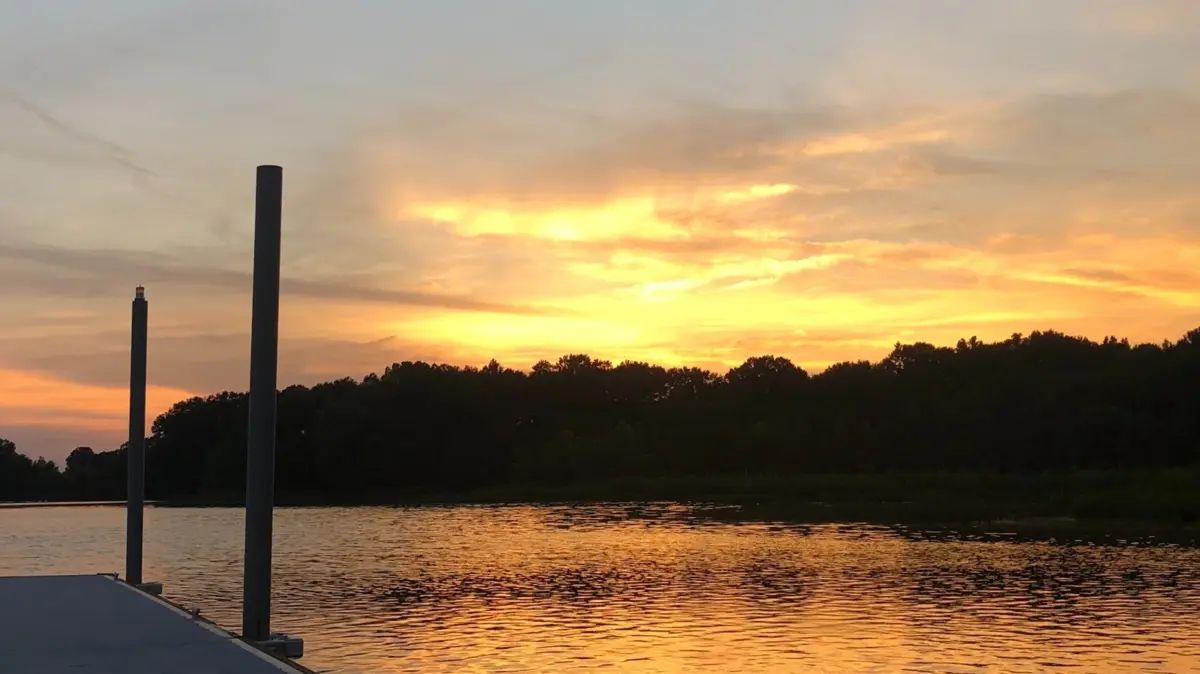
When the sun sets over the Black Belt, Roland Cooper undergoes a dramatic transformation. Rated 2 on the Bortle Scale, the park offers night-sky viewing conditions that are increasingly difficult to find east of the Mississippi River.
Free from the intense light pollution of Birmingham, Montgomery, and Mobile, the park’s open waterfront vistas and clear clearings provide astronomers and casual stargazers with exceptional visibility. On clear nights, the Milky Way arches brightly across the heavens, and constellations, planets, and deep-space objects can be observed with minimal instrumentation.
Future Outlook: Preservation and Sustainable Tourism
As regional populations shift and urban centers in Alabama expand, the long-term outlook for Roland Cooper State Park hinges on balancing increased visitor demand with strict ecological stewardship.
Modernizing Infrastructure While Protecting Ecosystems
Park administrators face the ongoing challenge of maintaining aging infrastructure—such as electrical grids for RV hookups and the upkeep of the park’s diverse cabin inventory—without compromising the fragile riparian habitats that make the park unique. Future capital improvements are expected to prioritize sustainable building practices, energy-efficient cabin upgrades, and improved stormwater management to prevent erosion along the Dannelly Reservoir shoreline.
Promoting Responsible Recreation
With digital platforms driving renewed interest in outdoor pursuits like fishing, camping, and birdwatching, state parks are experiencing higher visitor volumes than at any point in recent history. To safeguard Roland Cooper’s fragile ecosystems, conservation officials are emphasizing Leave No Trace principles, trail maintenance initiatives, and educational programming.
By fostering a culture of conservation among younger demographics, park management aims to ensure that the delicate balance between human recreation and wildlife preservation remains intact.
Regional Connectivity
Roland Cooper State Park does not exist in a vacuum. It is part of a broader statewide network of outdoor destinations that includes nearby landmarks like Oak Mountain State Park—Alabama’s largest state park.
By cross-promoting these regional assets, the state tourism board is working to establish Alabama as a premier destination for eco-tourism. This strategic focus ensures that parks like Roland Cooper will continue to receive the budgetary support, protective designations, and community appreciation necessary to thrive for generations to come.