






Executive Overview
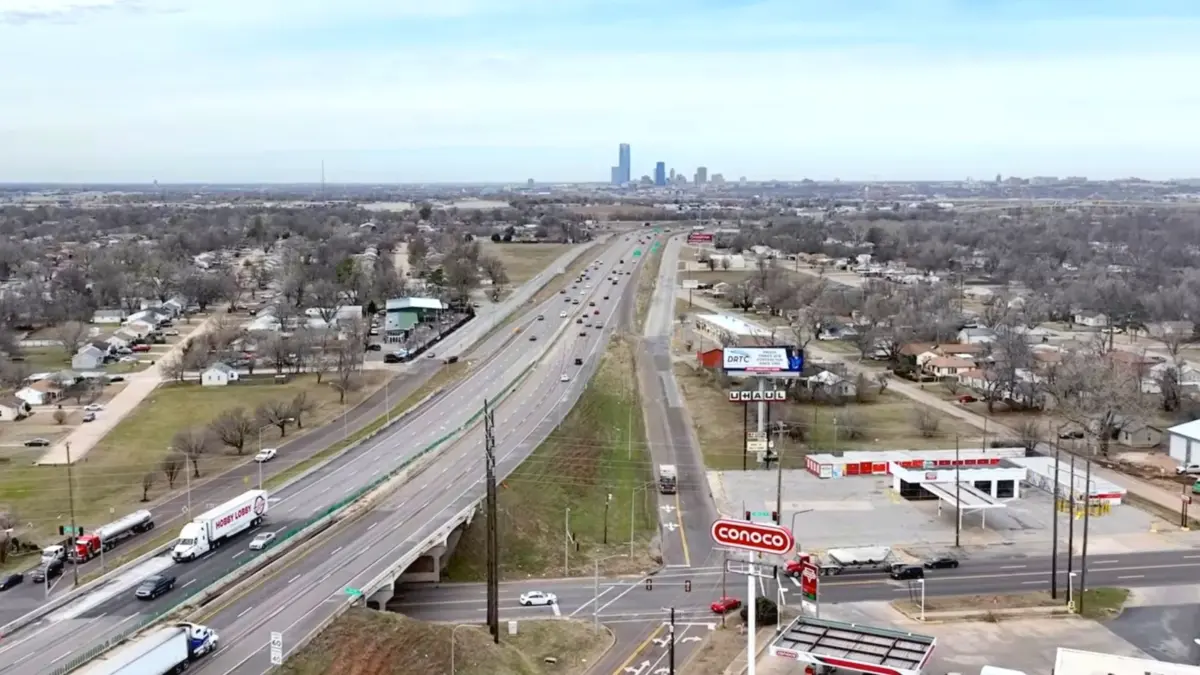
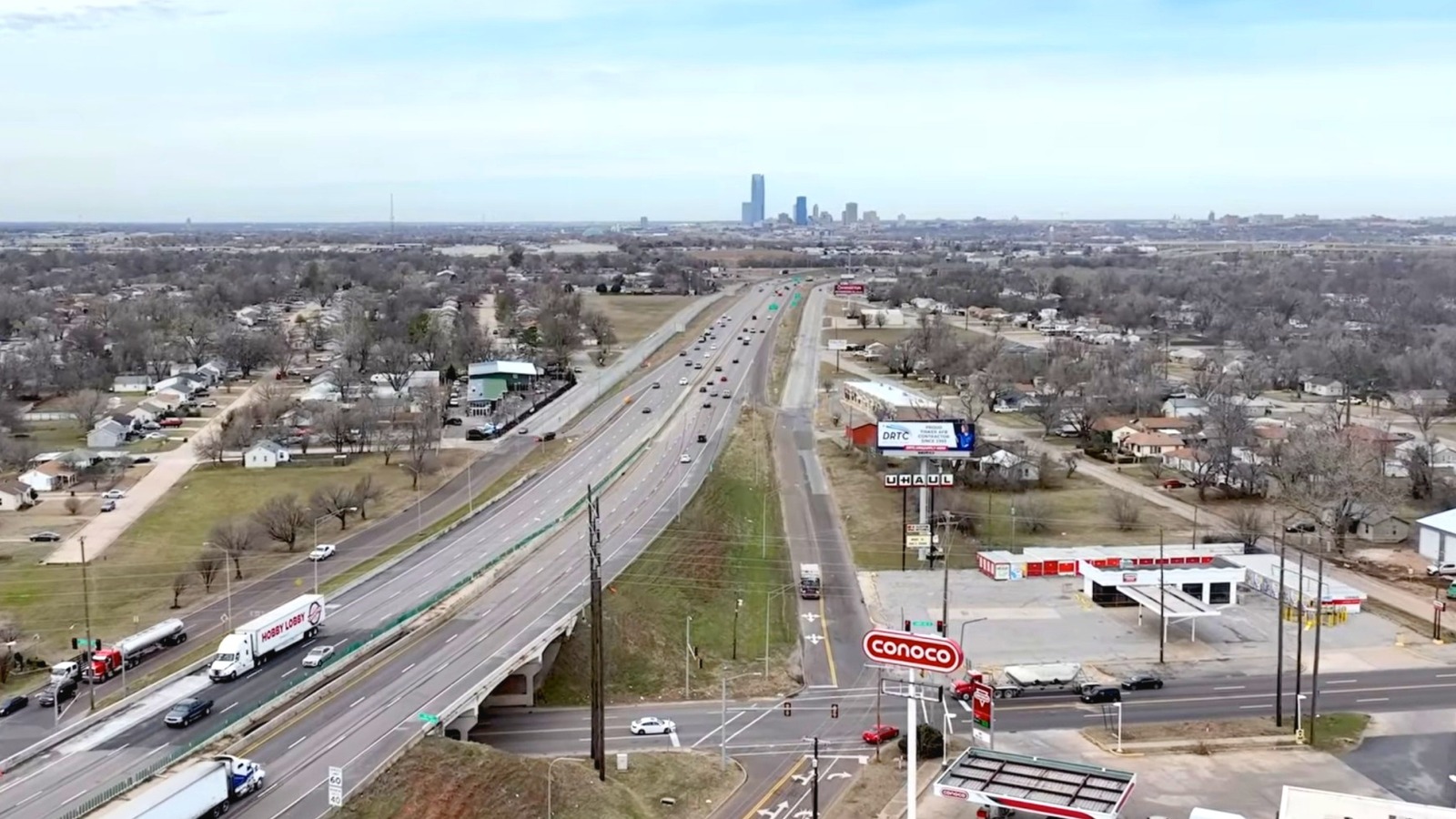
In the grand narrative of America’s urban transformation over the past two decades, few locations have evolved as dramatically as Oklahoma City. Long defined by its rich petroleum heritage and its historical positioning along the legendary Route 66, the capital has blossomed into a bustling, contemporary metropolis. Towering glass skyscrapers now pierce a skyline that once was largely horizontal, reflecting a surging economy and an influx of new residents.
With Oklahoma City’s population swelling from roughly 500,000 at the turn of the millennium to nearly 730,000 today, the metropolitan ripple effect has been profound. Thousands of newcomers arrive annually, driving a renewed interest in the city’s ring of outlying suburbs. Among these, Del City—situated a mere six miles east of downtown—has emerged as a premier residential haven. Balancing a small-town community ethos with immediate access to urban amenities, this historic suburb has quietly transformed into a sought-after basecamp for commuters, outdoor enthusiasts, and families seeking a slower-paced lifestyle without sacrificing metropolitan proximity.
Incorporated in the wake of World War II, Del City is experiencing a modern-day renaissance. As it heads toward a stable population exceeding 21,000 residents, the municipality is leveraging its strategic geographic location, natural assets like the 42-acre Eagle Lake, and deep historical roots to attract a new wave of homeowners and regional travelers. This report examines the evolution of Del City, charting its historical growth, evaluating the socioeconomic metrics driving its current popularity, highlighting municipal and recreational infrastructure, and forecasting its trajectory within the rapidly expanding Greater Oklahoma City metropolitan area.
Detailed Chronology: From Post-War Settlement to Modern Suburbia
To understand Del City’s contemporary appeal, one must look back at the forces that shaped its foundation and subsequent expansion. The chronology of the area reflects the broader post-war American dream, characterized by rapid suburbanization, highway expansion, and infrastructural adaptation.
The Post-War Boom (Late 1940s–1950s)
Del City traces its official origins to the late 1940s, a period defined by an acute housing shortage for returning World War II veterans and their growing families. Founded by George Eades—who named the city after his daughter, Delpha—the municipality was platted on land that previously saw agricultural and early oil exploration use. The post-war era demanded rapid, affordable housing developments, and Del City answered the call. Affordable plot distributions, paired with the burgeoning industrial and governmental job markets of nearby Oklahoma City (including the burgeoning Tinker Air Force Base just to the southeast), catalyzed an immediate population surge.
Infrastructure and Arterial Integration (1960s–1980s)
As the Interstate Highway System reshaped the American landscape, Del City found itself uniquely positioned. The construction and expansion of major arterial networks—specifically Interstate 40 and Interstate 35—wrapped around the region, cementing the suburb’s status as a vital transit corridor. During these decades, commercial storefronts emerged along Sunnylane Road and 15th Street, shifting Del City from a purely residential "bedroom community" to a self-sustaining township with local commerce, schools, and civic organizations.
The Turn of the Millennium and Urban Sprawl (2000–2020)
For decades, Del City maintained a steady, quiet existence in the shadow of Oklahoma City. However, as Oklahoma City embarked on its ambitious Metropolitan Area Projects (MAPS) initiatives—transforming its downtown core, revitalizing the Bricktown entertainment district, and luring professional sports franchises—the surrounding suburbs began to feel the gravitational pull of the capital. While Oklahoma City experienced unprecedented vertical growth and population acceleration, areas like Del City became prime targets for home seekers priced out of urban core developments or desiring larger residential lots.
The 2025 Landscape and Contemporary Integration
Today, Del City stands as an established yet evolving municipality. With a population exceeding 21,000 as recorded by the U.S. Census Bureau, the city bridges the gap between historic charm and modern convenience. Infrastructure investments have focused on modernizing public parks, enhancing trail systems around natural water features like Eagle Lake, and fostering local culinary and cultural micro-economies that appeal to both long-term residents and weekend visitors from the capital.
Supporting Context & Metrics: The Demographic and Geographic Realities
A rigorous analysis of Del City requires examining the hard data governing its real estate market, geographic advantages, and demographic shifts.
Geographic Proximity and Transit Dynamics
One of Del City’s most formidable competitive advantages is its geography. Located just over six miles from the heart of downtown Oklahoma City, the suburb offers commute times that rival neighborhoods within the city limits. Local real estate professionals emphasize this connectivity. According to local real estate data compiled by platforms like Homes.com, real estate agent Ecks Nillpraphan notes, "It’s also in a convenient location outside of Oklahoma City, and with I-40 and I-35 right there, you can get downtown or north to Edmond quickly."
Furthermore, the region benefits from its proximity to Will Rogers World Airport, situated roughly a 20-minute drive from the suburb. This makes Del City accessible for out-of-state travelers, business consultants, and visiting family members.
However, growth brings infrastructural challenges. Public transportation options within the immediate suburban footprint remain limited compared to the core of Oklahoma City. Consequently, visitors and new residents often rely on personal vehicles. For travelers seeking cost-effective alternatives to traditional transportation constraints, rental cars—or creative logistical workarounds like local truck rentals for cross-country moves—serve as standard operational methods for navigating the sprawling landscape of central Oklahoma.
Real Estate and Economic Indicators
Del City’s real estate market reflects the broader affordability trends of the Oklahoma City metropolitan area, though prices have experienced upward pressure due to regional demand. While central Oklahoma City features luxury high-rises and historic, high-cost neighborhoods like Mesta Park and Heritage Hills, Del City offers a stabilizing anchor of mid-century single-family homes, expansive yards, and lower median property values.
The influx of capital from Oklahoma City’s economic expansion—spurred by aerospace, healthcare, energy, and technology sectors—has trickled down into Del City’s commercial corridors. Property values have seen steady appreciation over the past decade, driven heavily by buyers seeking a blend of suburban tranquility and rapid highway access to major employment centers such as Tinker Air Force Base and downtown OKC.
Official Statements and Local Perspectives
Understanding the pulse of Del City requires listening to those who study its real estate landscape, manage its municipal assets, and frequent its recreational spaces.
Real Estate and Urban Planning Insights
Real estate analysts point to Del City as a prime example of "suburban stabilization." As Oklahoma City proper densifies, the outer-ring neighborhoods established in the mid-20th century are undergoing generational turnovers. Younger buyers, priced out of newer suburban builds in northern suburbs like Edmond, are recognizing the architectural character and structural bones of Del City’s post-war homes.
Local civic leaders and real estate experts frequently emphasize that Del City’s charm lies in its self-containment. While it operates in the economic orbit of Oklahoma City, it retains independent municipal pride, reflected in its community-driven parks, local chambers of commerce, and active neighborhood associations.
Resident and Visitor Testimonials
The qualitative experience of Del City is best captured by those who utilize its parks, trails, and local businesses.
Recreational reviews of municipal spaces highlight the suburb’s unexpected pockets of nature. Regarding Eagle Lake, a 42-acre water body featuring an eagle-shaped peninsula, visitors consistently praise its serenity. A widely cited review on Google maps describes the area as:
"Very calm and relaxed. Closer to the city yet so far from the noise and bustle. Good opportunities for fishing, relaxing, hiking with the dog or family."
Similarly, parkgoers frequenting Eagle Lake Park have noted the visual and atmospheric rewards of the location. One visitor remarked on the "beautiful sunset view of downtown OKC," while observing the abundant wildlife, including active populations of channel catfish, largemouth bass, and sunfish.
On the commercial front, small businesses serving the area have become cultural touchstones. Eateries located adjacent to recreational zones, such as Catch The Smoke BBQ situated directly across from Eagle Lake Park, have garnered near-universal acclaim. A patron’s review encapsulates the localized sentiment: "I am soo glad the universe led me to find this spot!" offering a glimpse into how small businesses anchor the community’s identity.
Recreational Infrastructure: Eagle Lake, Patriot Park, and Beyond
Del City’s appeal extends far beyond its residential utility; it offers a robust suite of outdoor recreational amenities that elevate its status as an outdoor-friendly suburb.
The Ecology and Management of Eagle Lake
At the center of Del City’s outdoor offerings is Eagle Lake, an approximately 42-acre aquatic resource designed for both passive recreation and active sportfishing. The lake is regularly stocked by conservation efforts, featuring robust populations of:
- Channel catfish
- Largemouth bass
- Sunfish
Fishing enthusiasts visiting the area must adhere to state regulations. An Oklahoma fishing license is required for all anglers, which can be acquired online via the Oklahoma Department of Wildlife Conservation. Fees are scaled for accessibility, with day-long licenses available for non-residents at $26, and annual licenses priced at $81.
To foster community engagement and introduce younger generations to outdoor stewardship, the city—in partnership with the Oklahoma Department of Wildlife and the local Chamber of Commerce—hosts an annual fishing clinic. During this specialized event, equipment and bait are provided free of charge to attendees, and license requirements are waived, making outdoor recreation accessible to all socio-economic demographics.
Parks and Historical Monuments: Patriot Park
Complementing its natural water features, Del City maintains a network of civic parks designed to honor both the community’s history and its veterans. Patriot Park stands as a premier example of this commitment.
The park houses significant war memorials, dedicated statues, and a tangible piece of military history: a preserved Vietnam-era armored vehicle on permanent display. Patriot Park serves as the spiritual and civic heart of the municipality, hosting major annual gatherings, including the city’s official Veterans Day ceremonies. Visitors frequently note the abundance of shaded walking paths and resting areas, making it a functional green space for daily exercise and reflection.
Paved Trails and Connectivity
For cyclists, runners, and pedestrians, the Eagle Lake Trail provides an essential infrastructural link. Spanning approximately two miles, the paved, bike-friendly trail hugs the perimeter of the water, offering seamless connectivity between natural scenery and urban conveniences.
Furthermore, Del City’s geographical proximity places outdoor enthusiasts within striking distance of larger metropolitan projects. The Eagle Lake Park area is situated just over two miles from the First Americans Museum (FAM), which sits prominently on the banks of the Oklahoma River. The museum not only celebrates the shared histories of Oklahoma’s 39 distinctive Indigenous tribes but also houses a world-class culinary destination featuring indigenous-inspired dishes crafted by award-winning Native chefs.
From the museum, travelers are a short vehicular hop away from Bricktown, Oklahoma City’s premier artsy entertainment district, renowned for its historic brick warehouses converted into trendy eateries, cobblestone walkways, and the winding Bricktown Canal water taxi network.
Future Outlook: Navigating Growth and Maintaining Identity
As Oklahoma City continues its aggressive trajectory toward becoming a primary national inland hub, the future of its surrounding suburbs like Del City depends on balanced, forward-looking stewardship.
Infrastructure and Sustainable Development
Municipal planners in Del City face the delicate challenge of accommodating regional spillover growth while preserving the historic, mid-century residential character that defines the suburb. Future initiatives are expected to prioritize:
- Infrastructure Modernization: Upgrading aging stormwater management systems, expanding high-speed fiber-optic internet availability, and repaving arterial roadways to support increasing commuter traffic.
- Trail and Green Space Expansion: Connecting local trail networks—such as the Eagle Lake Trail—directly into the broader Oklahoma City regional trail system, promoting active transportation and reducing automobile dependency for local recreation.
- Commercial Revitalization: Enhancing retail strips along major corridors like Sunnylane Road to attract modern dining, boutique retail, and entertainment options, ensuring residents do not need to drive into downtown OKC for daily amenities.
The Economic Horizon
Economically, Del City remains intrinsically linked to the health of the broader metropolitan area. With Tinker Air Force Base continuing to serve as the state’s single largest single-site employer—pumping billions into the local economy—housing demand within the eastern sector of the metro is projected to remain resilient. Real estate analysts forecast steady property appreciation and demographic diversification as younger families seek out Del City for its unmatched balance of affordability, geographic centrality, and suburban green spaces.
Conclusion
Del City has traversed a remarkable arc. From its post-war origins as a rapid-response housing solution for veterans to its current status as a thriving, outdoor-centric sanctuary for commuters, the suburb proves that growth does not require the erasure of identity. By capitalizing on natural assets like Eagle Lake, honoring its veterans through dedicated civic spaces like Patriot Park, and maintaining an unbeatable proximity to the cultural and economic engines of downtown Oklahoma City, Del City stands firmly positioned as a foundational pillar of the modern Oklahoma landscape. Whether viewed as an ideal commuter basecamp, a weekend fishing destination, or a historic community on the rise, Del City offers a compelling snapshot of contemporary American suburban evolution.