









Executive Overview
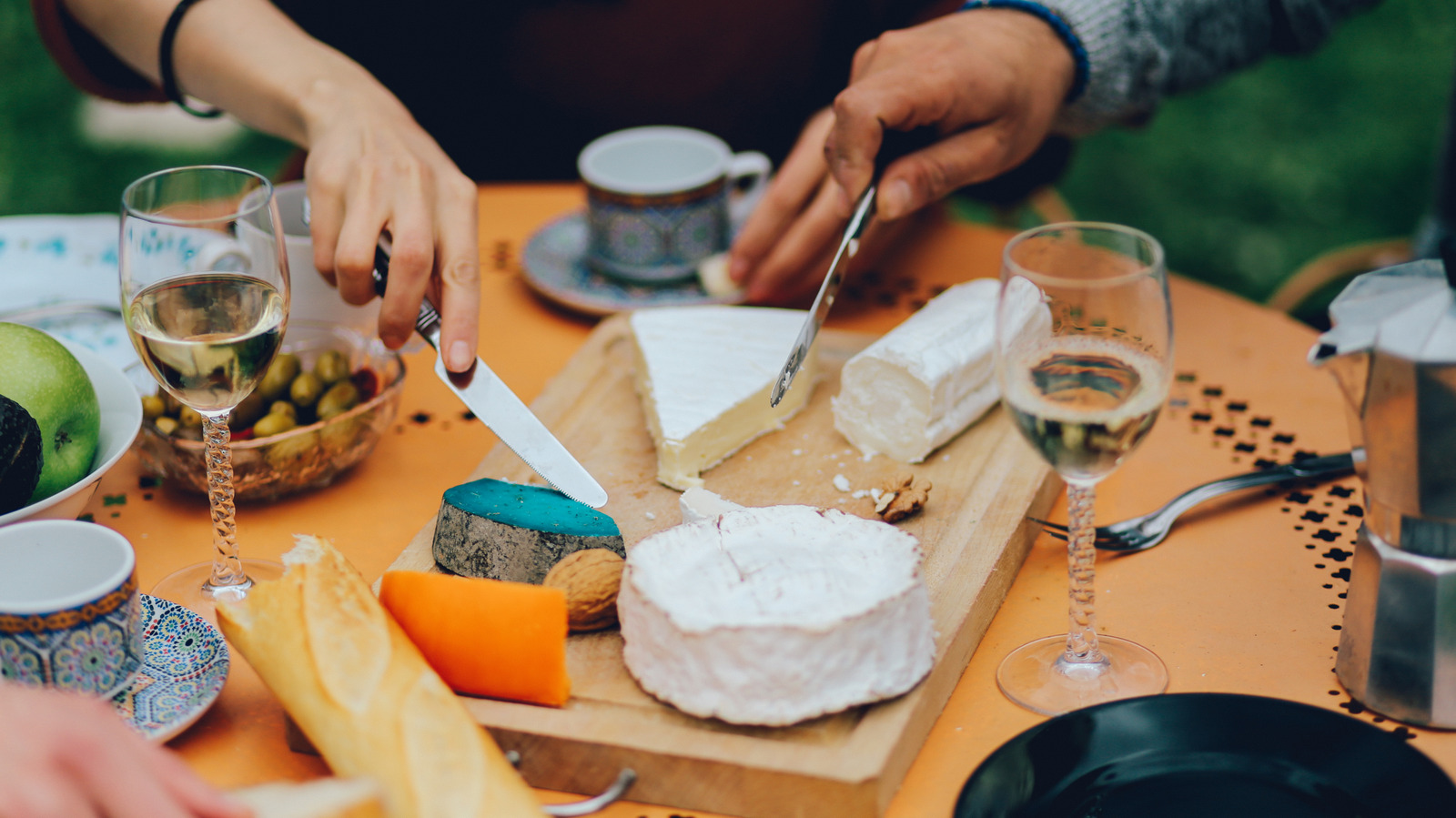
To the uninitiated, the gastronomy of France can feel like an intricate obstacle course governed by unwritten laws, centuries-old traditions, and an intimidating lexicon. Among the most culturally revered rituals is the plateau de fromages—the traditional cheese course served between the main meal and dessert. For decades, international travelers and expatriates have absorbed strict cautionary tales regarding how one must approach this dairy-heavy milestone: never spear a piece of cheese directly with a communal fork, resist the urge to construct an overstuffed French cheese sandwich out of a baguette, and certainly never bypass the golden rule of moving a morsel to your individual plate before consuming it.
However, a closer examination of modern French culinary culture reveals a reassuring truth: the formidable "cheese police" are largely a myth of tourist anxiety rather than a reflection of everyday reality. While traditional etiquette remains a fascinating window into French domestic decorum and formal dining history, breaking these rules will not incite an international incident, nor will it result in social ostracization. As France’s contemporary culinary landscape shifts toward casual dining, innovative multi-course structures, and all-day consumption, the rigidity surrounding cheese consumption is softening. This article explores the intersection of classic French table manners and contemporary reality, offering an authoritative guide on how to navigate a French cheese board with confidence, cultural awareness, and—above all—appetite.
Detailed Chronology: The Evolution of French Cheese Etiquette
To understand how contemporary social anxieties surrounding French cheese developed, we must examine the historical trajectory of French dining culture, from royal courts to the modern neighborhood bistro.

The Rise of the Formal Plateau de Fromages
The integration of a distinct cheese course into the structure of a French meal dates back to the post-Napoleonic era, as bourgeois dining habits began to mirror and democratize aristocratic traditions. The multi-course meal (le service à la française) gradually gave way to le service à la russe—dishes served sequentially rather than simultaneously. Within this sequence, the cheese course was strategically positioned at the culmination of the savory dining experience, immediately preceding the sweet desserts.
During the 19th and early 20th centuries, formal dining houses codified the rules of engagement for the table. Because cheese was served communally from heavy wooden boards, slate platters, or woven baskets, hygiene and shared etiquette demanded delicate handling. Tools—such as specialized knives, wire cutters, and blunt forks—were assigned to specific textures, ensuring that a runny Époisses did not contaminate a firm Comté.
The Mid-Century Expansion of Etiquette Guides
By the mid-to-late 20th century, as international tourism to France surged, travel writers and etiquette experts began codifying these domestic practices into definitive "dos and don’ts" for foreigners. Publications aimed at American and British travelers emphasized the perceived severity of breaking these norms. The narrative shifted from practical table manners to high-stakes cultural performances, creating an enduring myth that a single misstep—such as stabbing a wedge of Brie or biting directly into a piece of cheese resting on an oversized chunk of bread—would instantly brand a diner as an uncivilized outsider.
The Modern Pivot: Informalization of French Dining
Entering the 21st century, the strict parameters of the formal French dining room began to relax. Urbanization, busy work schedules, and the influence of global gastronomy triggered a cultural decentralization of food habits. While the multi-course Sunday family lunch remained a cherished institution, everyday eating habits underwent a profound transformation. Chefs, cheesemongers (fromagers), and consumers alike began experimenting with new ways to integrate cheese into breakfast, casual lunch platters, and late-afternoon snacks (le goûter). Consequently, the contemporary French dining scene has largely abandoned the pursuit of perfection, prioritizing sensory enjoyment and conviviality over rigid social policing.

Supporting Context & Metrics: The Modern French Dairy Landscape
To fully appreciate why minor etiquette infractions carry negligible social weight today, one must look at the sheer scale and economic importance of cheese in modern French society, alongside shifting consumption patterns.
Production, Consumption, and Cultural Identity
France remains one of the world’s preeminent consumers and producers of cheese. According to agricultural and economic metrics from industry bodies like Centre National Interprofessionnel de l’Économie Laitière (CNIEL):
- Per Capita Consumption: The average French citizen consumes roughly 26 to 27 kilograms (about 57 to 60 pounds) of cheese annually, placing France consistently near the top of global consumption rankings.
- Varietal Diversity: France boasts over 1,200 distinct varieties of recognized regional cheeses, protected by designations such as Appellation d’Origine Protégée (AOP).
- Economic Impact: The dairy sector represents a cornerstone of French agricultural heritage, employing tens of thousands of workers across rural terroirs and urban artisan fromageries.
Given that cheese is woven into the very fabric of daily life—from school lunches to high-end corporate dinners—it functions as an everyday staple rather than a fragile museum artifact that requires delicate handling by a privileged few.
Shifting Eating Habits: Beyond the Traditional Dinner Table
Modern culinary shifts have democratized how and when cheese is enjoyed. According to recent data from European food culture analysts, traditional dining formats are steadily evolving:
- The Rise of All-Day Cheese: Over 40% of urban French consumers report incorporating cheese outside traditional lunch and dinner hours, including morning proteins and late-afternoon snacks.
- Charcuterie Fusion: The traditional separation between appetizers, main courses, and cheese boards has blurred. Plates combining charcuterie, cheeses, and accompaniments now frequently serve as standalone meals in bistros and wine bars.
- Generational Shifts: Younger generations of diners in Paris, Lyon, and Marseille view artisanal cheese through a lens of artisanal discovery and local sustainability rather than strict adherence to bourgeois etiquette.
Official Statements & Expert Perspectives
To separate myth from reality, culinary historians, native educators, and generational cheesemongers offer invaluable perspectives on what truly matters at a French table.
Camille Chevalier-Karfis: Contextualizing the Rules
Camille Chevalier-Karfis, a Paris native who has dedicated 25 years to teaching French language and culture to English speakers through her platform French Today, emphasizes that the stringent rules popularized in guidebooks are largely confined to formal households or upscale dining establishments.
"The proper à la table approach to French dining is considerably more delicate, and yes, there are rules," Chevalier-Karfis notes. However, she quickly demystifies the panic often felt by foreign visitors. When discussing informal settings, she admits to breaking her own country’s purported culinary laws regularly—confessing that she mops up leftover sauce with a piece of baguette "all the time."
Chevalier-Karfis frames the traditional code as a useful framework for formal dining rather than a universal law that everyday citizens police during casual meals.
Nathalie Quatrehomme: The Evolution of the Cheese Course
Nathalie Quatrehomme represents the fourth generation of her family operating the famed Fromagerie Quatrehomme in Paris. Speaking to international media regarding modern French food culture, Quatrehomme highlighted how consumer habits have naturally shifted away from rigid formality.

"We really changed the way of eating cheese," Quatrehomme stated, reflecting on how cheese has migrated from a solitary post-dinner course into appetizers, breakfast pairings, and versatile grazing boards. "And that’s nice."
Her perspective underscores a vital truth: the heartbeat of French gastronomy is passion and adaptability, not stagnation behind unbending traditions.
Emily Monaco: Tactical Enjoyment Over Perfection
Paris-based cheese expert Emily Monaco offers practical guidance for navigating a cheese board without feeling overwhelmed. In interviews with culinary publications, Monaco outlines the foundational mechanics of a proper cheese service: cutting a clean portion from the communal wedge, transferring the morsel to an individual plate, and progressing systematically from milder, lactic cheeses toward more pungent, aged varieties to preserve the palate’s sensitivity. Yet, Monaco and fellow culinary authorities consistently reinforce a singular, comforting reassurance: if a diner fumbles the process, the ultimate goal—savoring exceptional food—remains entirely intact.
Future Outlook: The Global Democratization of French Gastronomy
As we look toward the future of global food culture, the relationship between traditional etiquette and international tourism is undergoing a healthy recalibration. The age of the intimidating, hyper-judgmental French waiter or host is rapidly giving way to a more welcoming, educational exchange between locals and visitors.
The Death of the "Culinary Snob" Stereotype
While cultural gatekeeping once dominated international narratives about traveling to France, contemporary tourism thrives on mutual appreciation. French restaurateurs and artisans increasingly recognize that visitors arrive out of a genuine love for their culinary heritage. Consequently, enthusiasm and a willingness to try new flavors far outweigh minor procedural errors. As legendary travel writer Rick Steves has frequently observed, food is designed to be one of the supreme highlights of a European adventure; letting anxiety over fork placement or bread construction ruin that experience defeats the entire purpose of travel.
Sustainable Traditions and Artisanal Appreciation
Looking ahead, the future of French cheese culture will likely be defined less by how people cut their Brie and more by what kind of cheese they choose to support. With growing emphasis on raw-milk (au lait cru) preservation, sustainable farming practices, and small-batch production, the conversation surrounding cheese is shifting toward environmental stewardship and heritage preservation.
For the traveler planning a journey through the vineyards of Bordeaux, the markets of Provence, or the brasseries of Paris, the ultimate takeaway is simple: educate yourself on the basics of French dining etiquette as a sign of cultural respect, but never lose your appetite over minor missteps. Enjoy your bread, embrace your cheese, and remember that the French are far more interested in your shared enjoyment of good food than they are in keeping score.