






Executive Overview
In an era defined by hyper-urbanization, digital connectivity, and the relentless hum of modern infrastructure, the human psyche frequently yearns for an antidote to the concrete grid. The juxtaposition of industrial asphalt, steel skyscrapers, and raw, untamed natural topography is a defining paradox of the twenty-first century. Yet, just beneath the surface of everyday modern concerns lies a sanctuary where time appears to have slowed down centuries ago. The Shropshire Hills National Landscape—formerly designated as an Area of Outstanding Natural Beauty (AONB)—stands as one of Britain’s most striking, immersive, and historically rich geographic treasures.
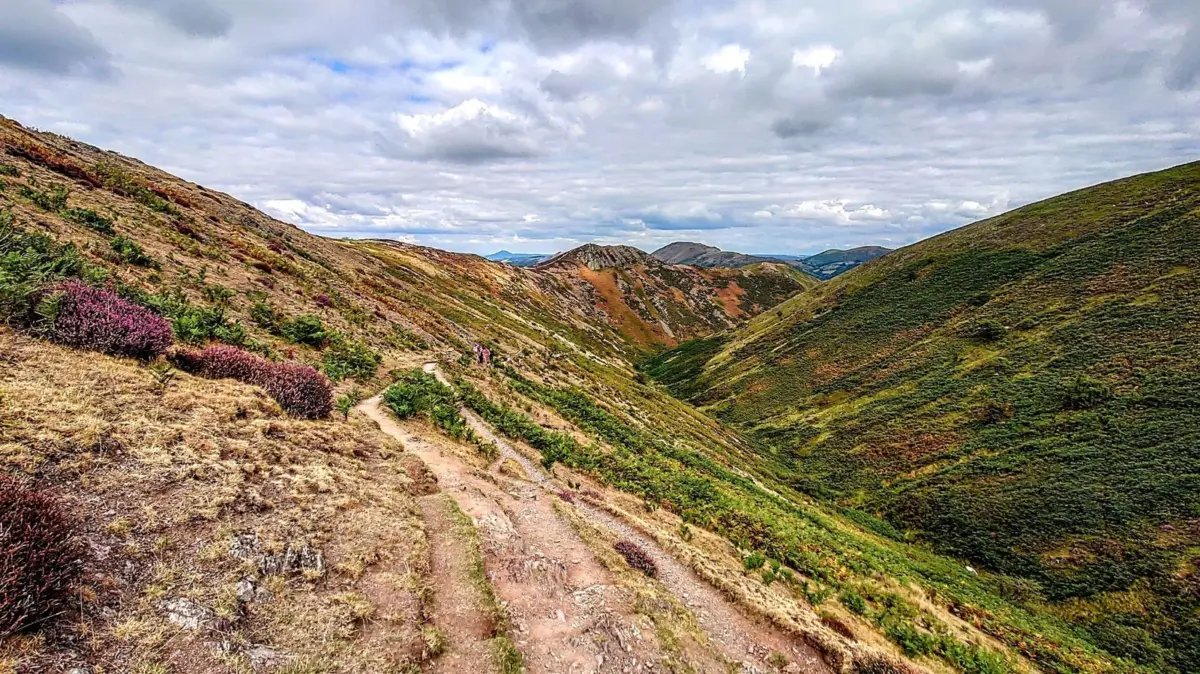
Spanning an undulating expanse of western England directly adjacent to the Welsh border, the Shropshire Hills offer a vivid portal into a bygone era. Characterized by multicolored hills, vibrant carpets of seasonal wildflowers, jagged rocky spires, and peaceful valleys punctuated by historic rural settlements, the region evokes the atmospheric grandeur of high fantasy epics like Game of Thrones and J.R.R. Tolkien’s Middle-earth. Open year-round to travelers, hikers, and history enthusiasts, this destination seamlessly blends strenuous outdoor recreation with deeply rooted medieval heritage, culminating in cozy evenings by the hearths of traditional English pubs.
This comprehensive feature explores the logistical framework, historical depth, architectural monuments, and breathtaking trail systems that define the Shropshire Hills. Whether approached via international air hubs or pastoral scenic routes, the region invites modern travelers to step back in time, engage with centuries of turbulent British history, and reconnect with the unspoiled majesty of the natural world.

Detailed Chronology: A Tapestry of Stone, Conflict, and Time
To truly appreciate the Shropshire Hills, one must understand the deep temporal layers embedded within its soil, stone, and mortar. The landscape is not merely a pretty backdrop for weekend walkers; it is an open-air historical archive whose chronology spans from prehistoric millennia to the tumultuous conflicts of the medieval and early modern periods.
Prehistoric Roots and Iron Age Fortitude
Long before the stone keeps of feudal lords dominated the ridges, the geography of Shropshire was shaped by early human inhabitants who recognized the strategic value of its high vantage points. The region’s timeline begins in earnest with ancient pathways, such as those integrated into the modern Long Mynd Circular trail, which date back to the Stone Age. These primitive tracks served as vital trade and migration routes across the rugged uplands.
By the Iron Age, the strategic dominance of the hills became fully militarized. The Wrekin Hill, rising 1,334 feet above the surrounding terrain, became the site of a massive hillfort. Constructed by ancient Britons, this formidable fortification served as a tribal stronghold and economic hub. Today, the earthworks and remnants of this Iron Age fort still crown the summit, drawing over 100,000 visitors annually who walk in the footsteps of prehistoric chieftains.
The Norman Conquest and Border Warfare
Following the Norman Conquest of 1066, Shropshire transformed into a fiercely contested borderland between England and Wales—a volatile frontier known as the Welsh Marches. To secure their newly acquired territories, Norman barons erected a network of strategic castles across the undulating hills and river valleys.
- Clun Castle (11th–15th Century): Originally established as a timber fortification on an elevated bluff overlooking the River Clun, the site was eventually upgraded to stone. In the wake of destruction during border skirmishes, a striking 13th-century stone keep was erected. Clun Castle witnessed centuries of cross-border raiding before ultimately falling to Welsh forces under the banner of Owain Glyndŵr in the 15th century, after which it was left to romantic decay.
- Hopton Castle (circa 1300): Constructed as a stout, square defensive tower, Hopton Castle became the focal point of a harrowing chapter during the English Civil War in the mid-1600s. Its grim history—highlighted in archaeological excavations by the television program Time Team—culminated in a devastating parliamentary siege that left every defender dead, a tragedy evidenced by recovered musket shot embedded in the crumbling masonry.
Monastic Splendor in the Middle Ages
While secular lords built fortifications to project military might, monastic orders sought spiritual isolation and agricultural productivity within the tranquil river valleys. The 12th century heralded the construction of Buildwas Abbey, a magnificent religious house established for the Savignac monks (later absorbed into the Cistercian order) under the reign of King Stephen.
Buildwas Abbey flourished as a center of rural industry, prayer, and manuscript production. Unlike many monastic foundations that were utterly obliterated during the Dissolution of the Monasteries in the 16th century, significant portions of Buildwas—including its remarkably preserved tile floors and soaring church arches—have survived, offering modern visitors a tangible link to medieval monastic life.
Supporting Context & Metrics: Logistics, Accessibility, and Geography
Navigating the Shropshire Hills requires an understanding of its geographic positioning and transit infrastructure. Situated in western England immediately bordering Wales, the National Landscape balances a sense of delightful remoteness with surprising accessibility.
Geographic Proximity and Transit Hubs
For international travelers and domestic tourists alike, reaching the Shropshire Hills is remarkably straightforward:
- From Birmingham Airport (BHX): The most convenient international gateway. Depending on road traffic, the drive spans between 1 hour and 15 minutes to 1 hour and 40 minutes, guiding motorists westward through increasingly pastoral landscapes.
- From Liverpool: Located approximately two hours south, making it an ideal weekend escape for travelers exploring northwest England.
- From Newport (Wales): Situated roughly two hours north, offering a seamless transition from the industrial and urban centers of South Wales into the borderlands.
- Public Transit Options: Travelers wishing to minimize driving can utilize a network of regional buses that connect major transit hubs to the charming small towns and villages scattered throughout the Shropshire Hills.
Comparative Natural Metrics
The Shropshire Hills occupy a unique ecological and aesthetic tier within the British Isles, often compared to neighboring premier wilderness zones:
| Feature / Metric | Shropshire Hills National Landscape | Eryri National Park (Snowdonia) | Brecon Beacons National Park |
|---|---|---|---|
| Primary Character | Rolling hills, ancient ruins, pastoral valleys | Dramatic mountain peaks, ocean views, medieval fortresses | Wild remote ranges, dark skies, rugged moorlands |
| Distance from North/West Hubs | Central border location | ~2 hours northwest of Shropshire | Remote southern/central Wales |
| Trail Terrain Difficulty | Moderate (due to land contours and terrain) | Strenuous (high alpine terrain) | Moderate to Strenuous |
| Key Architectural Assets | Clun Castle, Hopton Castle, Buildwas Abbey | Caernarfon and Conwy Castles | Medieval priories and defensive towers |
Official Statements and Cultural Legacy
The cultural resonance of the Shropshire Hills extends far beyond recreational tourism, capturing the imagination of literary giants, historians, and environmental conservation bodies alike.
Literary Inspiration: The Roots of Middle-earth
Perhaps one of the most compelling cultural endorsements of the region’s dramatic topography comes from its association with J.R.R. Tolkien. Academic and literary consensus, highlighted in analyses by publications such as The Guardian, indicates that the striking geological formations of Shropshire—most notably the imposing ridge of The Wrekin—served as a profound creative inspiration for Middle-earth in The Lord of the Rings. The intersection of ancient woodlands, rolling green pastures, and stark, craggy volcanic outcrops provided the author with a tangible visual lexicon for the Shire and its surrounding realms.
Conservation and Heritage Stewardship
Official bodies charged with the preservation of the National Landscape emphasize a delicate balance between public access and environmental protection. Representatives from heritage organizations note:
"The Shropshire Hills National Landscape represents a living, breathing archive where natural topography and human history are inextricably linked. Our mission is to ensure that the ancient pathways, medieval ruins, and fragile ecosystems remain accessible to modern explorers while strictly preserving their historical integrity for future generations."
Local conservation initiatives work continuously to maintain trail infrastructure, manage agricultural grazing to protect native flora (such as heather and vibrant seasonal wildflowers), and secure grant funding for the stabilization of fragile structures like Hopton and Clun Castles, many of which remain free for public exploration.
Future Outlook: Sustainable Tourism and Preservation
As global travel trends increasingly pivot toward sustainable, nature-based, and slow-travel itineraries, the Shropshire Hills National Landscape is poised to welcome an evolving demographic of mindful explorers.
Balancing Conservation with Visitor Growth
With annual visitor numbers to key sites like The Wrekin exceeding 100,000, local authorities and community stakeholders face the ongoing challenge of managing foot traffic without degrading the environment. Future management strategies prioritize:
- Eco-Friendly Infrastructure: Enhancing public bus connectivity to reduce carbon emissions from private vehicles on narrow rural roads.
- Sustainable Hospitality: Encouraging visitors to patronize local establishments—such as the historic Bridges Pub along the Long Mynd Circular—that champion locally sourced ingredients, sustainable agriculture, and community-driven hospitality.
- Heritage Maintenance: Expanding volunteer programs and digital preservation initiatives to monitor structural wear on unstaffed ruins like Clun and Hopton Castles.
The Ultimate Modern Antidote
Ultimately, the Shropshire Hills offer a timeless refuge. In an age dominated by digital noise and urban acceleration, the prospect of traversing a Stone Age path, marveling at a 12th-century abbey floor, summiting an Iron Age fort at 1,334 feet, and settling down by a roaring pub fire with a locally brewed ale is more than a vacation—it is a restorative necessity. The hills will remain, standing as a quiet testament to the enduring resilience of stone, soil, and spirit.