







Executive Overview
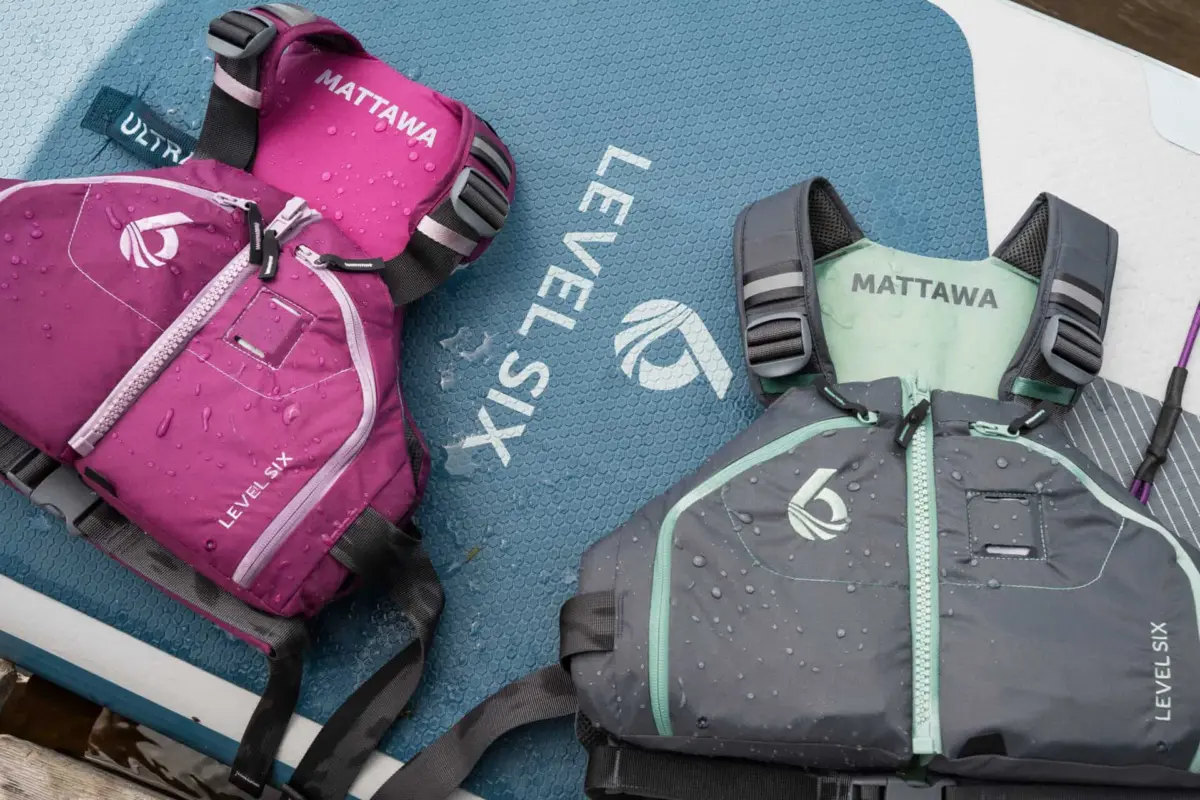
In an aggressive expansion move that marks a major milestone in its nearly three-decade history, Ottawa-based paddlesports apparel brand Level Six is officially entering the life jacket market. The company has secured certifications for 24 new personal flotation device (PFD) models, with the initial wave of 10 designs slated to hit retail shelves in March 2027.
Most notably, this massive rollout includes the introduction of the very first low-profile 50-Newton buoyancy aids approved for the North American market by both the U.S. Coast Guard (USCG) and Transport Canada. The remaining 14 models will be systematically introduced over the next few years.
This ambitious initiative brings an established apparel maker into a fiercely regulated, high-stakes safety category. It also arrives at a watershed moment for paddlesports safety, capitalising on the newly adopted Level 50 standard. By permitting lighter, slimmer flotation devices, the standard represents a massive regulatory shift designed to solve a persistent industry problem: bridging the gap between mandatory safety gear and everyday user comfort.

For Level Six Founder and CEO Stig Larsson, this product line represents a multi-million-dollar bet on design, intuition, and the enduring ethos of a brand built by paddlers, for paddlers. By avoiding private equity constraints and leaning into the high-risk, high-reward mentality of his former life as a World Cup slalom racer, Larsson has positioned Level Six to disrupt the traditional PFD market and seize first-mover advantage across North America.
Detailed Chronology: From Concept to Regulatory Triumph
The road to Level Six’s 2027 PFD launch has been nearly a decade in the making, defined by strategic delays, meticulous engineering, and a high-stakes gamble on international regulatory harmonisation.
The Decadelong Vision and Pandemic Roadblocks
Larsson’s ambition to enter the life jacket market dates back more than ten years. Level Six was on the verge of submitting early PFD designs for Coast Guard approval just prior to the onset of the COVID-19 pandemic. However, global supply-chain disruptions forced the company to hit the brakes.
Rather than abandoning the project, Level Six used the delay to reassess the strategic direction of its product development. During this evaluation period, the company noted a substantial surge in female participation within paddlesports. This insight prompted Larsson to commit to an inclusive product strategy: ensuring that every men’s model would feature a dedicated, thoughtfully engineered women’s counterpart, rather than simply scaling down and recoloring a single mold.

The Regulatory Gamble: Read and Run
The true test of Level Six’s agility occurred during the regulatory approval phase for the new Level 50 standard. While the U.S. Coast Guard had forged ahead with its adoption of the standard, Transport Canada’s formal approval process was still pending.
In a traditional corporate setting governed by risk-averse stakeholders or private equity spreadsheets, such regulatory uncertainty would have triggered an immediate pause. Instead, Larsson channelled his background as a World Cup slalom racer—a discipline where success relies on "read and run" tactics, calculating lines, and committing fully to the crux of a rapid.
Level Six kept its engineering team focused on completing the tried-and-true Level 70 standard models first. Once those were locked in, the design team immediately pivoted to the Level 50 work, building prototypes based on an educated prediction of what Transport Canada’s final guidelines would require.
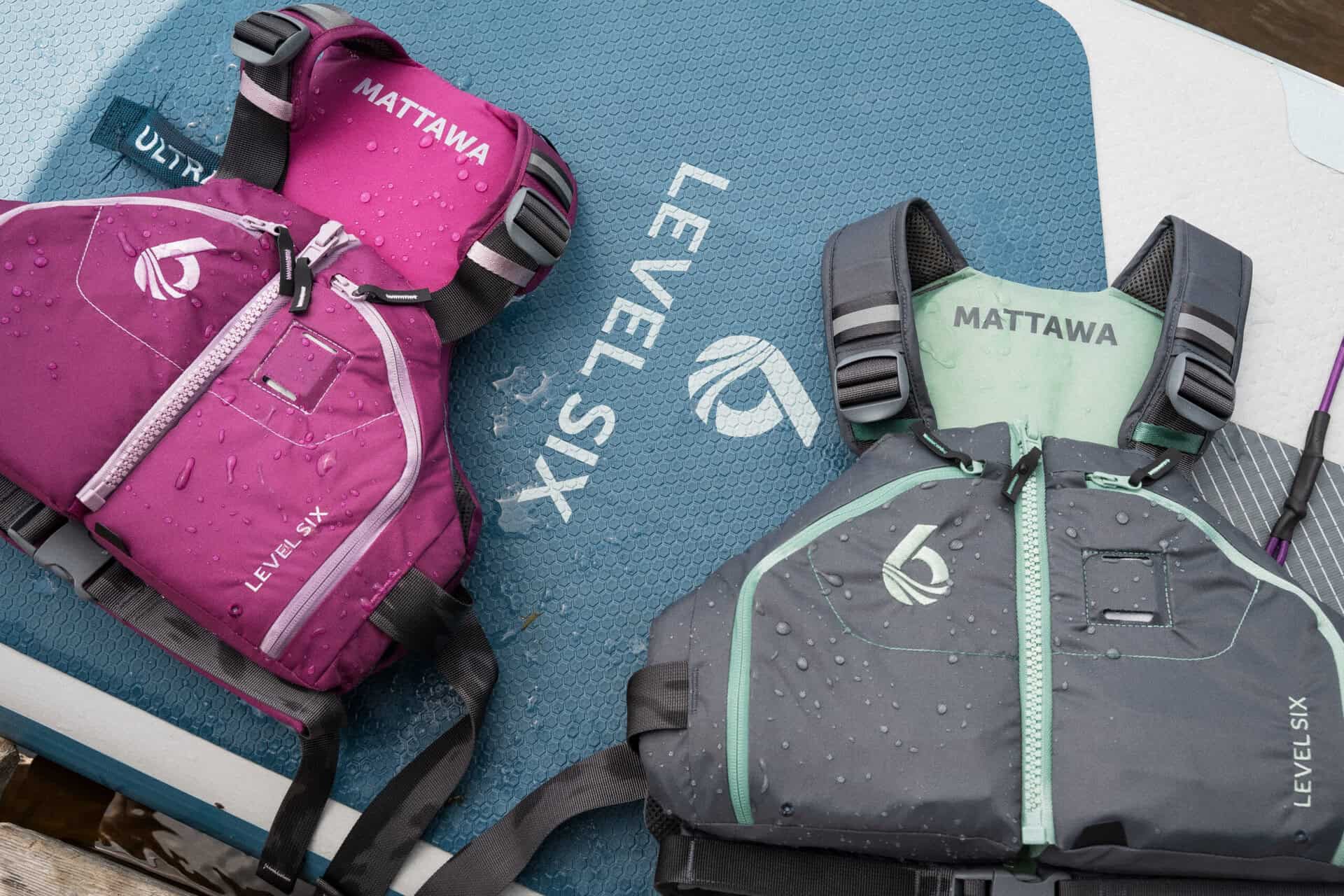
This bold wager paid off when Canadian approval arrived in early March 2026. Because Level Six had anticipated the regulatory outcome months in advance, the company found itself roughly eight months ahead of competitors. This critical window allowed them to secure certifications, finalise tooling, and position themselves as the undisputed frontrunner in the next-generation PFD space.
Supporting Context & Metrics: The Science and Strategy Behind Level 50
To understand the magnitude of Level Six’s rollout, one must examine the mechanics of the Level 50 standard and the psychological barriers it aims to dismantle.
Understanding the Numbers: Level 50 vs. Level 70
Traditional PFDs familiar to North American paddlers generally conform to the Level 70 (or USCG Type III) standard, which provides a minimum of 15-plus pounds (approximately 67 newtons) of buoyancy. While exceptionally buoyant, these traditional life jackets often feature bulky foam panels that restrict upper-body mobility, trap significant body heat, and add unnecessary volume.
By contrast, Level 50 buoyancy aids provide at least 50 newtons—roughly 11 pounds—of flotation. While this represents a reduction in total buoyancy, it unlocks massive advantages in ergonomics. The reduced foam volume allows manufacturers to engineer ultra-low-profile garments that contour seamlessly to the body, drastically improving range of motion and user comfort while minimising thermal retention.
The "Grand Bargain" of Modern Water Safety
The creation of the harmonized Level 50 standard represents a pragmatic compromise between regulators and the boating community. Recognising that paddlers frequently sacrifice safety for comfort, the U.S. Coast Guard and Transport Canada agreed to accept slightly lower buoyancy thresholds in exchange for designs that users will actually wear.
As Scott Szczepaniak, a recreational boating safety specialist with the U.S. Coast Guard and former owner of Sea Kayak Carolina, succinctly explained during an interview on Paddling Business Talks:
"Eleven pounds of buoyancy on your body is better than 16 pounds of buoyancy clipped to your seat."
This sentiment exposes the core paradox of legacy PFD design. A bulky, uncomfortable orange "horse-collar" life jacket stashed under a deck bungee or tossed into the bottom of a canoe offers zero protection during a sudden capsize. Comfort, therefore, is not merely a luxury feature; it is a critical safety intervention.
Carriage Requirements and User Responsibility
With innovation comes strict regulatory nuance. Under the rules governing the new standard, Level 50 buoyancy aids must be worn to count toward official USCG carriage requirements; storing them passively on a vessel does not satisfy compliance.
Furthermore, safety officials emphasise that Level 50 PFDs are purpose-built equipment. They are explicitly designed for competent swimmers operating in relatively protected waters where rescue is readily accessible. They are not recommended for non-swimmers, poor swimmers, or those venturing into remote, extreme, or open-ocean environments.
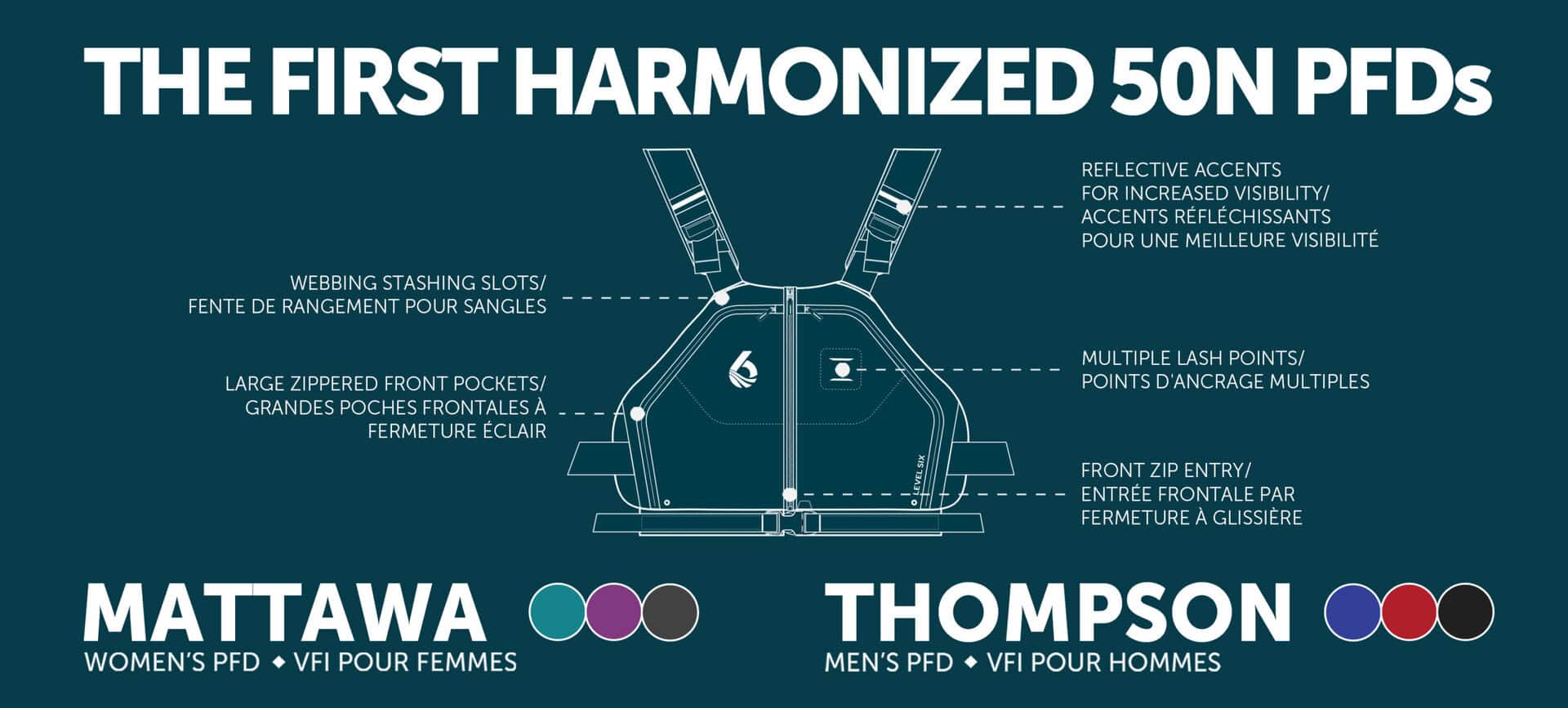
For specialty paddlesports retailers, this creates a dual mandate: an incredible sales opportunity driven by cutting-edge comfort, balanced by an educational responsibility to guide customers toward the correct performance tier for their specific environment.
Official Statements and Industry Insights
Insights shared during Stig Larsson’s appearance on the Paddling Business Talks podcast—hosted by Jeff Moag alongside Scott Szczepaniak—reveal the operational philosophy that brought Level Six to this juncture.
Defying Corporate Orthodoxy
Larsson made no secret of the fact that traditional corporate structures would have suffocated an undertaking of this scale. Certification processes for life jackets are notoriously expensive, rigorous, and legally unforgiving. Once a specific foam package is certified, designers have virtually zero margin to alter its dimensions.
"I think if Level Six were owned by a private equity firm, we would never have done it," Larsson admitted. "The expense and regulatory risk of certifying two dozen new PFDs doesn’t pencil out on a spreadsheet, especially before proving the market. But as a founder, I don’t need to get approval from anyone on some of these riskier or crazier ideas."
That independent streak harks back to the brand’s origins. Founded 30 years ago while Larsson was representing Canada on the World Cup whitewater slalom circuit, Level Six was born out of frustration with the lack of stylish, performance-oriented gear available to paddlers at the time. After sketching designs inspired by local surf breaks during a training trip to Costa Rica in 1997, Larsson began selling rash guards and board shorts out of the back of his van. Over three decades, that grassroots hustle has expanded into a global footprint supplying over 450 retail stores worldwide.
Engineering the Ideal Fit
To bring the 24-model lineup to life, Level Six dedicated two of its three full-time industrial designers almost exclusively to the PFD project for months. Operating out of the company’s Ottawa headquarters, the team shaved, shaped, and tested foam blocks millimeter by millimeter to optimise how the vests wrap around the human ribcage and over the shoulders.
Rather than taking a shortcut in product development for female consumers, Larsson doubled down on equity in design:
"We’re not shrinking and pinking it. Every model comes in men’s and women’s versions with comparable materials, features, and quality."
Future Outlook: Sustainability, Global Reach, and Market Impact
As Level Six prepares for the commercial launch of its initial 10 PFD models in March 2027—with the remaining 14 designs rolling out over subsequent years—the brand’s ambitions stretch far beyond North America.
- Global Certification Expansion: Following its historic dual-market clearance in the U.S. and Canada, Level Six is actively pursuing international safety certifications to take its low-profile buoyancy aids to European and global markets.
- Commitment to Sustainable Manufacturing: In alignment with modern environmental expectations, the entire PFD range incorporates eco-conscious materials, including recycled textiles, PFC-free water-repellent treatments, and PVC-free buoyancy foam.
- Retail Disruption: Specialty paddlesports shops are poised to receive a much-needed merchandising boost. By populating retail walls with ultra-low-profile, high-mobility vests that mimic the minimalist feel of competition gear, Level Six is giving consumers a compelling reason to upgrade their safety gear.
Ultimately, Level Six’s entry into the PFD market is much more than a routine category extension. It is a masterclass in founder-led intuition, proving that when deep technical expertise meets an unwavering commitment to comfort and style, regulatory hurdles can be cleared long before the competition even reaches the starting line.