




Executive Overview
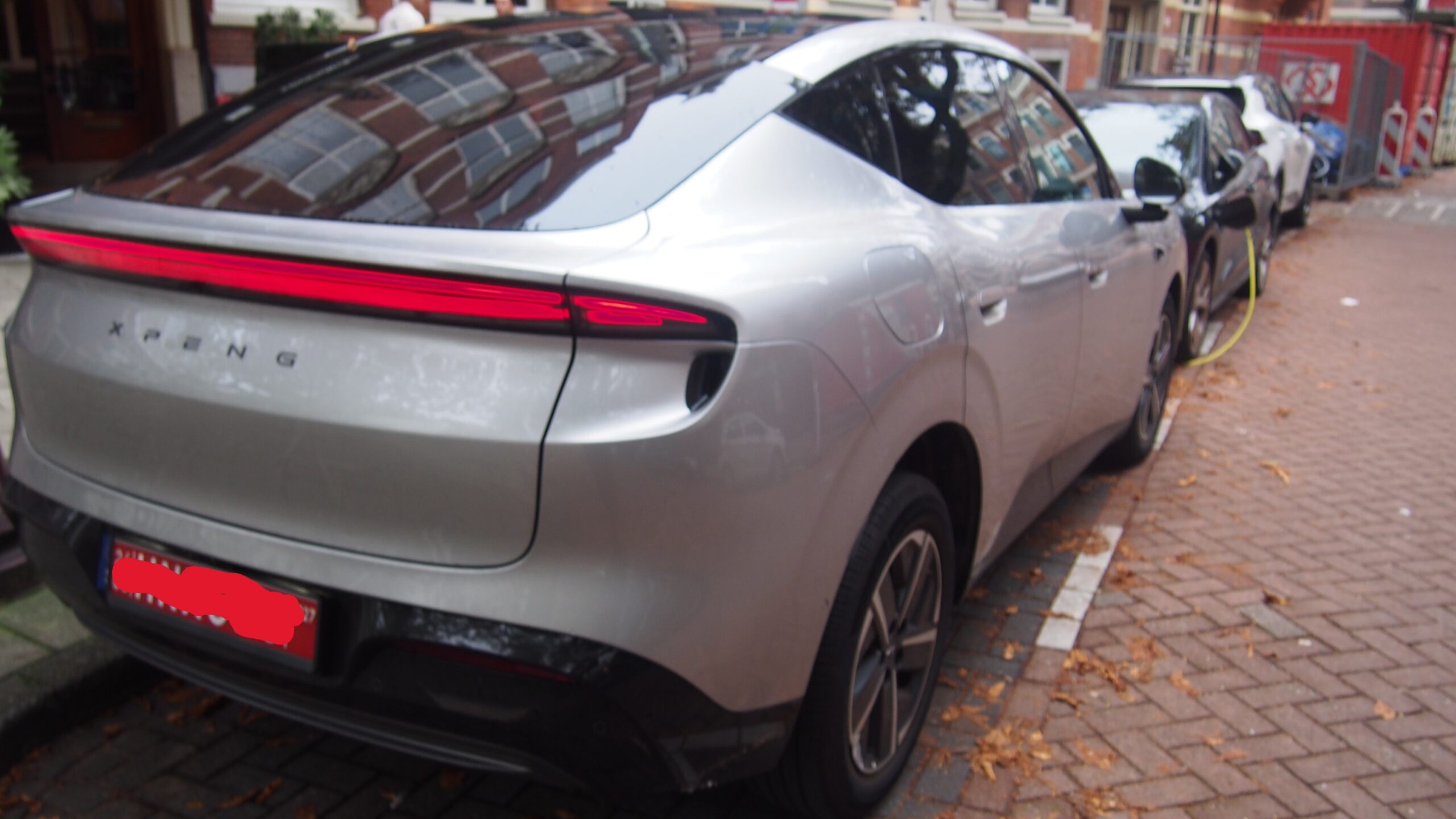
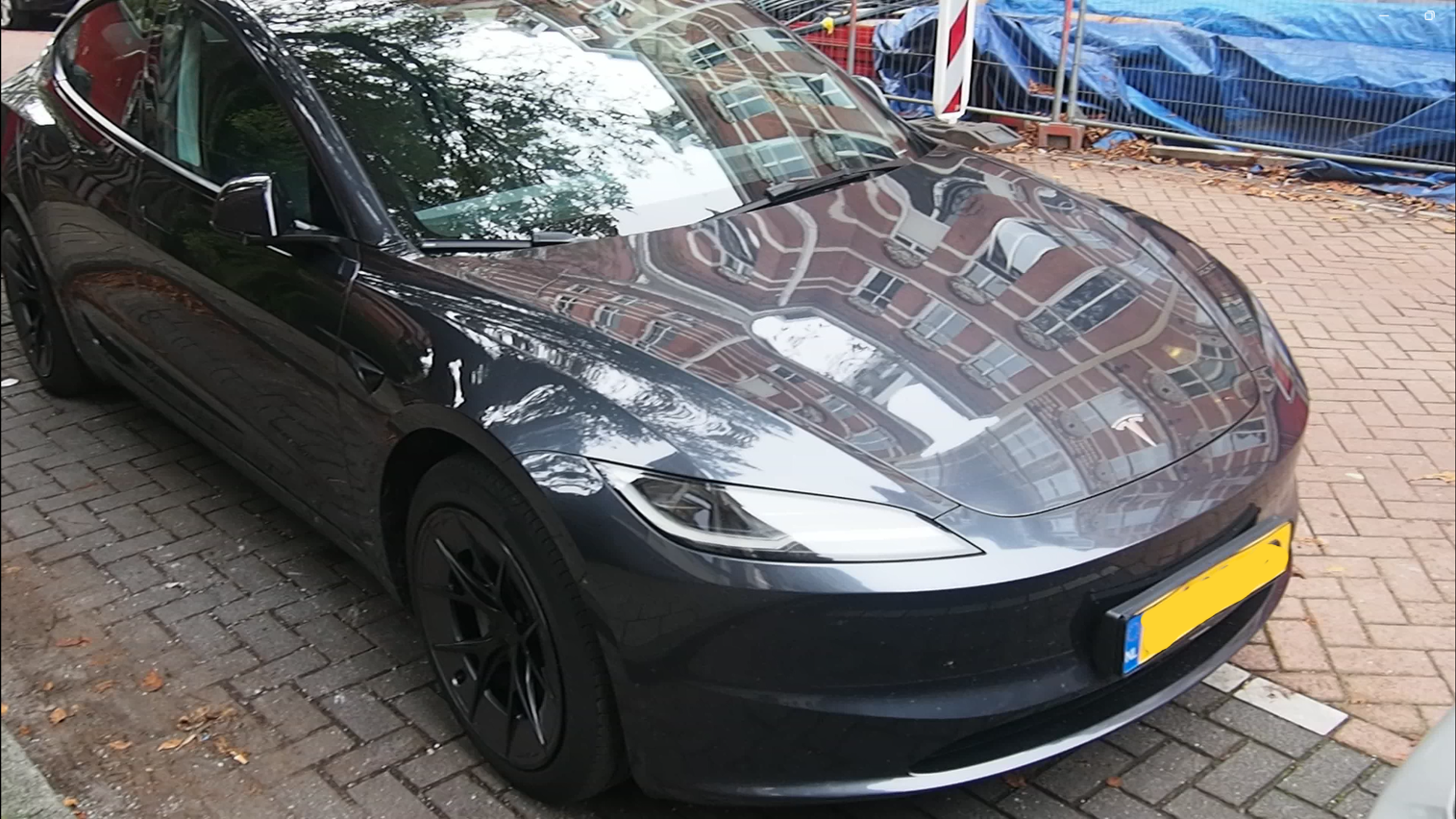
The global race for autonomous driving supremacy has shifted from sun-drenched, predictable American test tracks to the chaotic, densely packed urban labyrinths of Europe. Nowhere is this high-stakes technological showdown more apparent than in the historic streets of Amsterdam. In a rigorous, back-to-back real-world evaluation, the newly minted XPENG L03, running its cutting-edge VLA 2.0 software, went head-to-head against a benchmark Tesla Model 3 equipped with Full Self-Driving (FSD).
While previous evaluations in this series analyzed the individual software architectures of both autonomous platforms, a holistic, on-the-ground comparison reveals that artificial intelligence is merely one piece of a much larger automotive puzzle. The differences between these two vehicles extend deep into chassis tuning, acoustic engineering, material science, human-machine interface (HMI) philosophy, and regulatory compliance.
The XPENG L03 emerged not just as a competent software contender, but as a comprehensively superior physical and digital package. From its locally tuned European suspension and whisper-quiet cabin to its robust local processing chips and nuanced "anticipate-and-act" driving logic, the XPENG highlights the rapid evolution of Chinese EV engineering. Conversely, while the Tesla Model 3 remains a formidable global EV staple, its cloud-reliant architecture, nervous reactive driving style, and cost-cutting interior choices exposed growing pains when deployed in complex foreign environments. As automakers prepare for sweeping new regulatory frameworks across the European Union, this head-to-head confrontation offers a predictive glimpse into the shifting hierarchy of the global electric vehicle market.
Detailed Chronology: Testing Autonomous Logic in Urban Hell
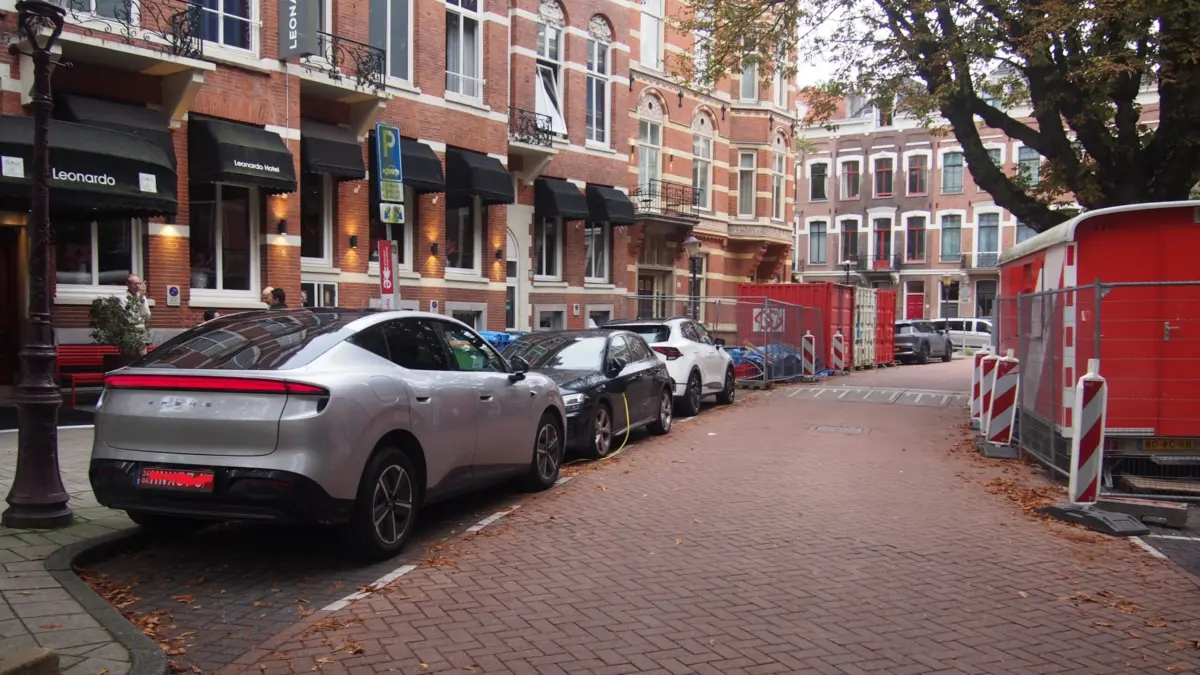
Testing advanced driver-assistance systems (ADAS) in Amsterdam is akin to throwing software into an automotive combat zone. The test route presented a relentless gauntlet of hazards: narrow multi-modal corridors shared with thousands of erratic cyclists, aggressive pedestrians stepping out from behind historic facades, sudden road construction zones, and obstructed lanes filled with delivery trucks and emergency vehicles.
Phase One: The Morning Commute and Route Complexity
The testing protocol dictated that both vehicles traverse the exact same complex route mapped out via programmed waypoints, ensuring a level playing field.
The XPENG L03 test commenced shortly after 9:00 AM amid heavy morning traffic. Utilizing its advanced Ultra trim architecture—powered by three proprietary XPENG Turing chips yielding a staggering 2,250 TOPS (Tera Operations Per Second)—the L03 handled the dense urban flow with an air of seasoned confidence. Navigating the myriad intersections, tram tracks, and construction sites, the XPENG’s VLA 2.0 system operated on an "anticipate-and-act" paradigm. Rather than slamming on the brakes or hesitating when blocked, the vehicle smoothly negotiated tight spaces, seamlessly hitting waypoints without the navigation system losing its orientation.

By contrast, the Tesla Model 3 faced immediate hurdles. Due to early camera calibration and sensor visualization difficulties on the first lap, the Tesla required a secondary run, by which time traffic patterns had slightly shifted. Throughout the navigation test, Tesla’s FSD operated under a "react-and-correct" methodology. Approaching complex intersections or unexpected obstacles, the Tesla frequently exhibited a nervous, overly cautious demeanor.
Phase Two: Waypoints, Construction, and Road Rage
One of the most revealing disparities during the urban trial centered on waypoint management and traffic negotiation.
- The XPENG Experience: When the L03 encountered programmed waypoints, the transitions were completely imperceptible to the cabin occupants. Even when blocked by active construction equipment, the vehicle maintained spatial awareness, edging forward cooperatively to allow trailing vehicles (including the test Tesla) to clear bottlenecks.
- The Tesla Experience: The Model 3 struggled significantly with waypoint sequencing. On multiple occasions, the vehicle missed a designated waypoint, initiated awkward U-turns or loopbacks to capture it, missed it a second time, and ultimately required the waypoint to be manually deleted from the route. Following deletion, FSD frequently encountered challenges re-engaging and recalculating its trajectory.
Furthermore, the Tesla’s cautiousness occasionally backfired in real-world traffic, drawing audible frustration and honks from local Dutch motorists. FSD’s failure to read road-surface painted arrows in time frequently resulted in incorrect lane positioning, missed turns at complex traffic lights, and necessary manual driver takeovers.
Supporting Context & Metrics: Hardware, Cabin Comfort, and Architecture
The divergence between the XPENG L03 and the Tesla Model 3 is rooted in contrasting engineering philosophies: centralized cloud processing versus high-powered onboard edge computing, and cost-optimized minimalism versus uncompromising passenger luxury.
Processing Power and Data Privacy
The hardware disparity under the skin is stark:
- XPENG L03 Ultra: Features three custom-developed Turing chips (two dedicated to autonomous driving, one for voice control), delivering a combined processing capacity of 2,250 TOPS. This massive local horsepower allows complex spatial mapping and trajectory planning to occur entirely onboard without relying heavily on remote cloud data centers. Because data processing happens locally, all telemetry transmitted within Europe is strictly anonymized and retained within EU borders, alleviating severe data privacy concerns. Furthermore, VLA 2.0 bypasses traditional human-supervised data-labeling bottlenecks, allowing the neural networks to adapt to new environments at an accelerated pace.
- Tesla Model 3 (HW4): Operates on an architecture providing roughly 500 TOPS of total processing power. The system remains deeply intertwined with cloud-based data loops, relying heavily on massive data centers where human operators manually label images to refine the neural net. In dense urban canyons like Amsterdam, this cloud reliance can introduce latency as signals battle interference from historic concrete and steel structures.
Ride, Handling, and Acoustic Engineering
Chassis tuning and noise, vibration, and harshness (NVH) metrics heavily favored the challenger from Guangzhou.
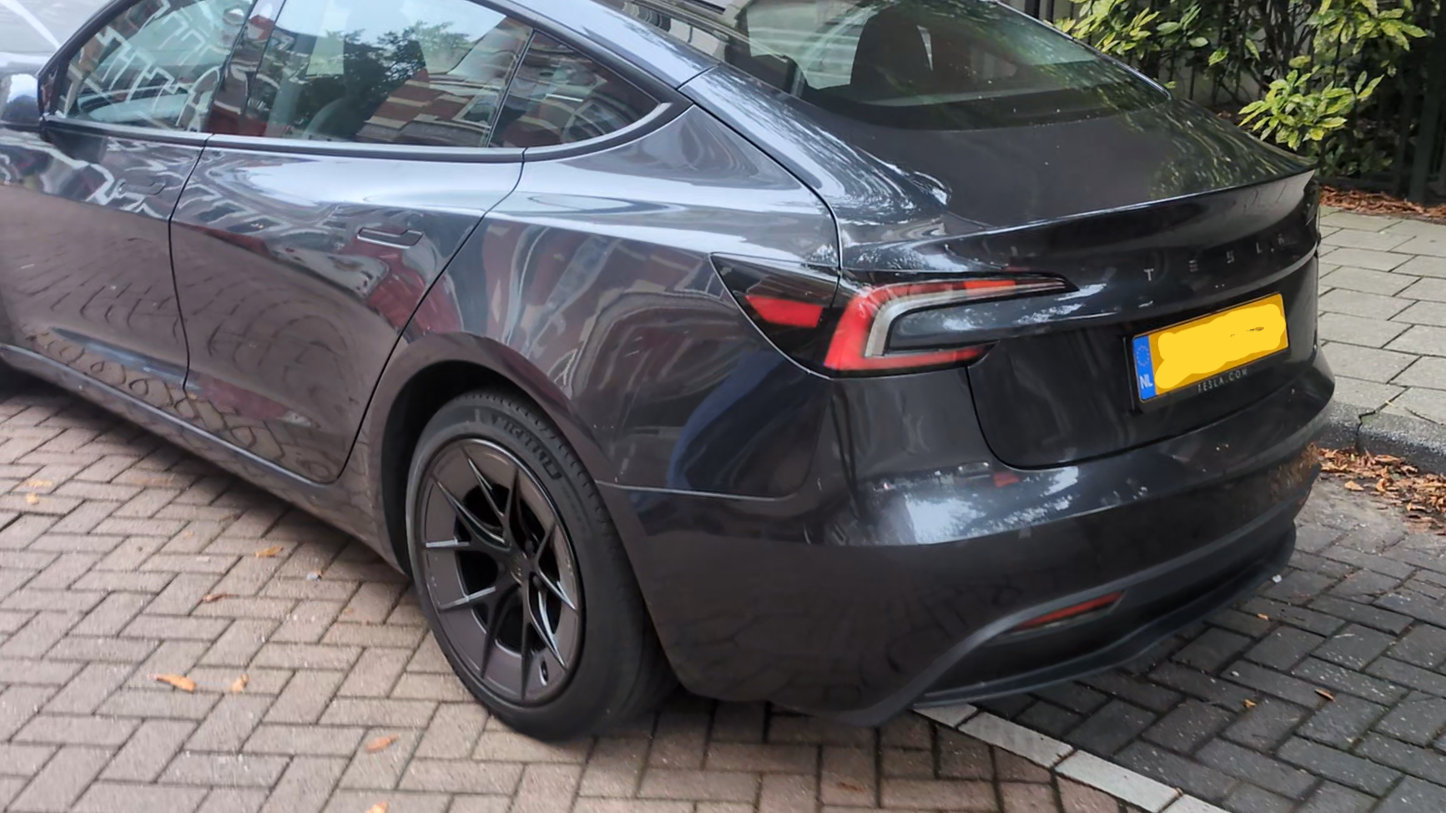
- Suspension: The XPENG’s European-tuned suspension acted like a "leather-wrapped cushion"—offering rich road texture feedback while expertly soaking up sharp impacts. The Tesla Model 3 felt comparatively detached yet fundamentally harsher; its suspension bottomed out violently over deep potholes and translated sharp bumps through the cabin with a "felt-covered plastic" sensation.
- Cabin Quietness: The L03 was remarkably quieter across paving bricks and urban asphalt. Even without acoustic laminated side windows, road noise was heavily suppressed. XPENG’s attention to detail extended to auxiliary mechanical systems: the windshield wipers, air conditioning compressor, and electronic steering motors operated in near-total silence, whereas the Tesla exhibited noticeable mechanical whirs from its steering actuators and climate mechanisms.
Interior Ergonomics and Amenities
Inside the cabin, the XPENG completely outclassed its rival in luxury appointments. Despite possessing a slightly smaller overall vehicle footprint, the L03’s optimized interior packaging yielded a larger passenger compartment. A standout feature was the multi-point massaging seats, which engage various pressure points rather than relying on crude lumbar vibration. Combined with superior foam density and a reclinable layout that preserves rear passenger legroom, the XPENG turned traffic jams into a spa-like experience. The higher-priced Tesla Model 3 lacked massaging seats entirely.
Materially, the XPENG showcased an abundance of soft-touch surfaces and genuine metal trim, feeling solid and impeccably assembled. While Tesla has improved its build quality over older iterations, its cabin still reads as austere and cost-conscious by comparison.
In terms of controls, the XPENG retains familiar physical turn signal and gear shifter stalks, a crisp center infotainment display, a dedicated driver instrument cluster, and a functional Head-Up Display (HUD). Conversely, the Tesla centralizes nearly all driving data and secondary controls onto a single touchscreen (which exhibited an unappealing pinkish hue under overcast European skies) and forces drivers to execute gear selections via digital swipes—an awkward maneuver when abruptly taking over from FSD in tight spaces.

Official Regulatory Outlook and Market Strategy
The impending geopolitical and regulatory landscape in Europe threatens to upend Tesla’s early-mover advantage in autonomous software.
The Regulatory Hurdle: UN DCAS vs. FSD
- XPENG’s Compliance Strategy: XPENG engineered its VLA 2.0 software from the ground up to comply strictly with upcoming UN DCAS (Driver Control Assistance Systems) regulations. These harmonized rules take effect across the European Union, governing everything from automated lane changes to hands-off parameters. VLA 2.0 is fully compliant natively, meaning XPENG faces zero regulatory friction upon its official European commercial launch.
- Tesla’s Regulatory Exposure: Tesla capitalized on early regulatory loopholes in the Netherlands to establish its initial European FSD foothold. However, under the impending UN DCAS enforcement, Tesla will be forced to roll back key features of FSD that violate the new standards—specifically unmonitored hands-off city driving and adaptive speed settings that exceed posted local limits. While industry analysts speculate that Tesla may deploy its considerable political lobbying apparatus to secure exemptions, the technical modifications required could stall FSD’s feature parity in Europe.
Future Outlook: A Paradigm Shift in Global Mobility
The comparison between the XPENG L03 and the Tesla Model 3 in Amsterdam serves as a microcosm of the broader shifts occurring within the global electric vehicle industry. Autonomous driving is no longer a race that can be won by a single domestic powerhouse resting on its laurels.
As XPENG prepares for its full-scale European deployment, the technological momentum is palpable. The L03’s combination of local edge-computing supremacy, native regulatory compliance, superior cabin ergonomics, and confident "anticipate-and-act" driving logic makes a compelling argument for consumers seeking the next generation of intelligent mobility.

For regions grappling with complex, multi-modal urban environments—from the tight canals of Amsterdam to the chaotic traffic arteries of Manila and the gridlocked avenues of New York City—vehicles that possess localized adaptability and refined physical engineering will inevitably capture market share. While Tesla remains a foundational pillar of the global EV transition, the student has officially surpassed the master in several critical metrics of modern automotive execution. The horizon of autonomy belongs to those who build cars to seamlessly integrate with human reality, rather than forcing humans to adapt to rigid software constraints.