









Executive Overview
For decades, the standard blueprint for American retirement pointed unequivocally toward the sun-drenched coasts of Florida. Favorable tax structures, warm winters, and master-planned senior communities drew waves of retirees southward. However, a structural shift is quietly underway across the American Northeast. In recent years, an increasing number of retirees are looking past the humidity and flat topography of the Sun Belt, setting their sights instead on the historic, rolling landscapes of New England.
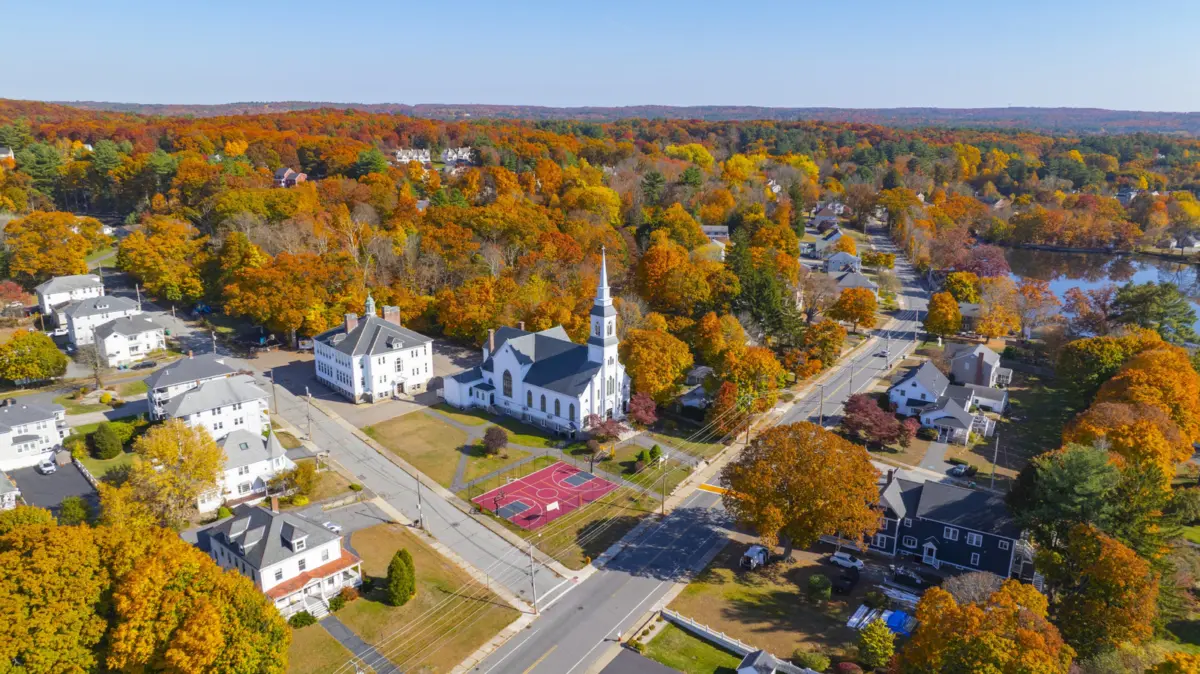
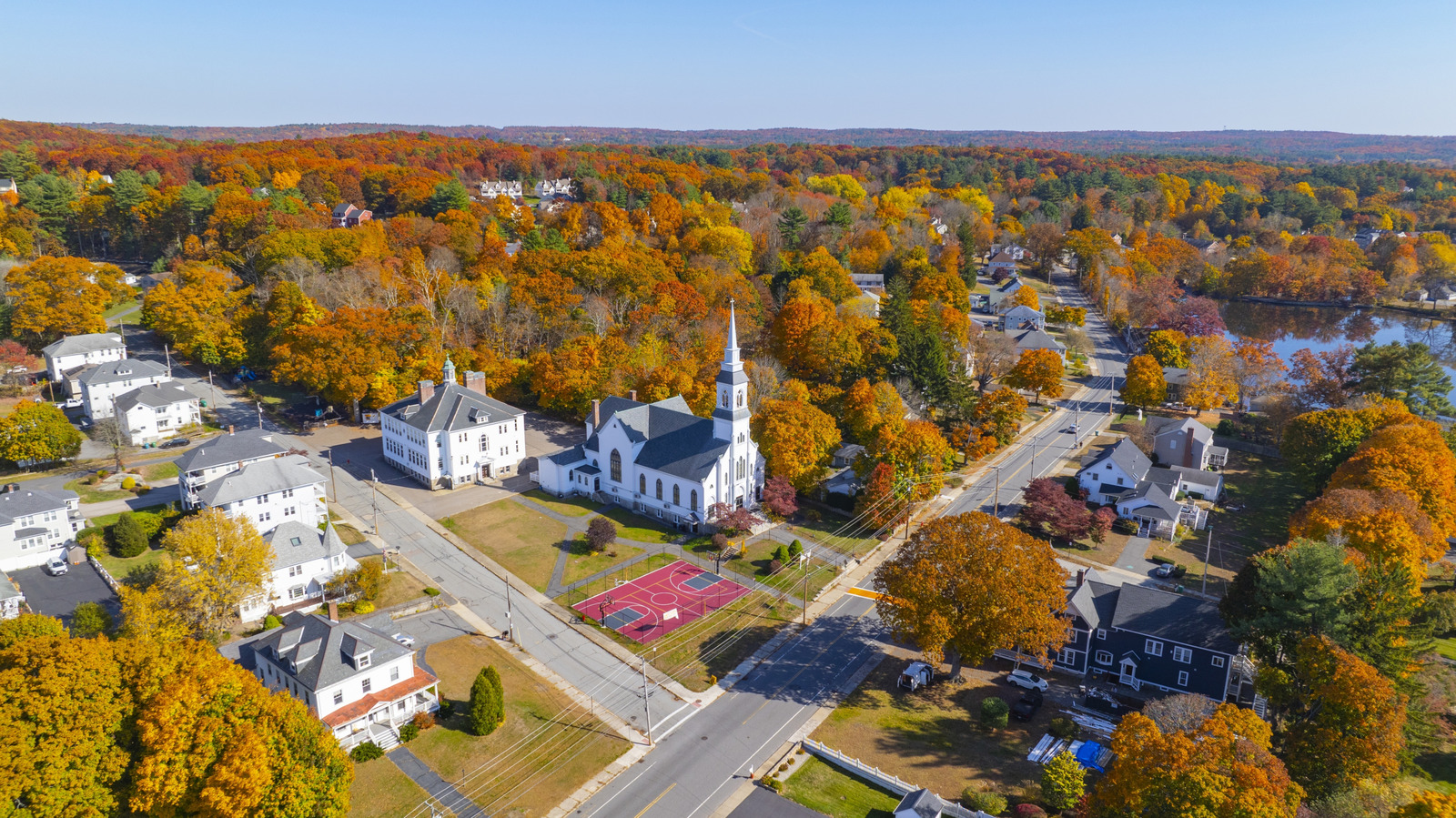
At the vanguard of this movement is Uxbridge, Massachusetts. Nestled within Worcester County, this historic town offers a compelling alternative to traditional retirement destinations. Incorporated in 1727, Uxbridge bridges centuries of American heritage with contemporary, active outdoor living. Boasting a walkable, architecturally rich downtown, access to expansive public green spaces like the Blackstone River and Canal Heritage State Park, and a strong sense of civic engagement, the town exemplifies the concept of "country living convenient to the city."
Located approximately 19 miles southeast of Worcester and 45 miles southwest of Boston, Uxbridge provides a tranquil, scenic backdrop for seniors seeking tranquility without total isolation. While the community requires compromises—such as a quieter culinary scene and limited immediate medical infrastructure—its proximity to regional healthcare hubs and major metropolitan centers positions it as an increasingly attractive, holistic environment for long-term aging-in-place.
Detailed Chronology: From Colonial Agrarian Hub to Industrial Pioneer
To understand the appeal of modern Uxbridge, one must examine the deep historical roots that shape its physical landscape and civic identity. The story of Uxbridge is, in many ways, the story of the American interior’s transition from an agrarian settlement to an industrial powerhouse.
1700s–1800s: Settlement and the Industrial Revolution
Originally inhabited by indigenous peoples of the Nipmuc nation, the land that would become Uxbridge was settled by Europeans in the late 17th and early 18th centuries. The town was officially incorporated in 1727, named in honor of the Earl of Uxbridge. For its first several decades, the community functioned primarily as a scattered agricultural hub, relying on the fertile soils of the Blackstone River Valley for farming and livestock.
The dawn of the 19th century, however, transformed Uxbridge and the broader Blackstone Valley. Driven by the region’s rushing water power, the area became the birthplace of the American Industrial Revolution. In 1810, one of New England’s earliest woolen mills was established here, shifting the town’s economy from the plow to the loom. By the mid-19th century, a booming textile industry reshaped the local geography, drawing immigrants, establishing mill villages, and anchoring Uxbridge firmly within the burgeoning national economy.
1900s–Present: Preservation and Adaptation
As the 20th century progressed, the manufacturing tides shifted away from New England, leading to the gradual closure of many local mills, including the historic Stanley Woolen Mill in 1989. Rather than falling into irreversible economic decline, Uxbridge successfully pivoted toward historic preservation and suburban-rural integration.

Today, remnants of this industrial heritage are celebrated rather than abandoned. The town features structures listed on the National Register of Historic Places, most notably the Uxbridge Common District. The preservation of these 18th- and 19th-century buildings gives the downtown a timeless aesthetic, offering contemporary residents and retirees a living museum that honors the labor and ingenuity of early American manufacturing.
Supporting Context & Metrics: Livability, Demographics, and Infrastructure
Evaluating Uxbridge as a retirement destination requires an objective look at its geographic, infrastructural, and socioeconomic markers. While its cultural and natural assets are undeniable, prospective retirees must weigh these against practical daily considerations.
Geographic Positioning and Accessibility
One of the most frequently cited advantages of Uxbridge is its strategic location. As noted by local residents in regional community forums, the town strikes a rare balance: it offers "country living convenient to the city."
- Proximity to Worcester: Approximately 19 miles southeast (a roughly 25-to-30-minute drive).
- Proximity to Boston: Approximately 45 miles southwest (accessible via major regional arteries).
- Proximity to Providence, Rhode Island: Roughly 25 miles south, giving residents access to a third major metropolitan hub within a 35-minute radius.
This connectivity allows retirees to enjoy rural peace while remaining within striking distance of world-class cultural institutions, specialized medical centers, and major transportation hubs like Boston Logan International Airport or T.F. Green Airport in Rhode Island.
Healthcare Infrastructure and Amenities
Healthcare access is a primary concern for retirees. Within Uxbridge proper, medical infrastructure is modest, featuring a single small medical center. However, the surrounding region bridges this gap effectively:
- Milford Regional Medical Center: Located in the neighboring town of Milford, offering comprehensive emergency and specialized care just a short drive away.
- Worcester’s Major Hospitals: Home to premier medical systems, including UMass Memorial Health, located under 30 minutes from Uxbridge.
Dining, Retail, and Daily Life
Uxbridge maintains a classic small-town atmosphere, which translates to a quieter commercial landscape compared to larger suburbs or urban centers.
- Local Eateries: Residents enjoy neighborhood staples like the Honeysuckle Roastery and Cafe—situated uniquely inside a historic church—and the Depot Cafe, which serves traditional American comfort food.
- The Trade-Off: Several community discussions point out a current lack of diverse, high-end dining options within town limits. For expansive culinary variety, residents frequently travel to Milford, Worcester, or Providence.
Official Statements and Community Insights
The viability of Uxbridge as a retirement haven is best understood through the perspectives of municipal planners, local preservationists, and everyday residents who have chosen to plant roots in the Blackstone Valley.
The Voice of the Community
In digital forums dedicated to Massachusetts life, residents frequently emphasize the town’s duality of seclusion and accessibility. One widely referenced commentary on the r/massachusetts Reddit thread encapsulated the sentiment succinctly: "country living convenient to the city." This phrase resonates with retirees who want to escape high-density urban or suburban sprawl without sacrificing modern conveniences.
Community leaders and local organizations actively work to foster social integration for aging populations. The Uxbridge Free Public Library, housed in the historic Thayer Memorial Building since 1894, serves as a primary civic anchor. Beyond housing vast literary and historical resources, the library hosts ongoing programming—including book clubs, crafting workshops, and wellness classes like yoga—designed specifically to keep older adults mentally stimulated and socially connected.
Preservation and Cultural Stewardship
Organizations such as the Uxbridge Historical Society and the Blackstone Valley Art Association (BVAA) play a vital role in community life. The BVAA provides a creative outlet for local artists and seniors alike, hosting exhibitions and community events throughout the year.
Furthermore, historical preservation groups maintain landmarks such as the Cornet John Farnum House, built in 1710. By keeping these structures active and integrated into public life, municipal and non-profit leaders ensure that Uxbridge’s rich heritage remains a living, breathing part of daily residency.
Future Outlook: Aging in Place in the Blackstone Valley
As demographic trends continue to evolve, the profile of the American retiree is shifting. The mandatory migration to the Sun Belt is no longer the default path. An increasing segment of the aging population prioritizes four-season climates, historical depth, walkability, and active, nature-integrated lifestyles over year-round heat.
Environmental and Recreational Longevity
Uxbridge is uniquely positioned to cater to this demographic shift through its expansive green infrastructure. The cornerstone of this offering is the Blackstone River and Canal Heritage State Park, encompassing roughly 1,000 acres of protected land. For retirees, the park provides an ideal environment for low-impact, cardiovascular health maintenance:
- Trail Networks: Miles of maintained trails for walking, hiking, and cycling that parallel historical waterways.
- Water Recreation: Opportunities for kayaking, canoeing, and fishing along the Blackstone River.
- River Bend Farm: Serving as the park’s visitor center within a restored 1913 barn, this site offers educational programming and a scenic gathering space.
Beyond the state park, amenities like the Pout Pond Recreation Area—known for its sandy beach, swimming, kayaking, and community events like Music on the Pond—and the nearby West Hill Dam Recreation Area offer diverse recreational outlets. For more adventurous day trips, residents are minutes away from geological wonders such as Purgatory Chasm State Reservation in neighboring Sutton.
Sustainable Growth and Community Planning
Looking ahead, Uxbridge faces the classic challenge of balancing growth with historic preservation. Municipal planners must carefully manage infrastructural expansions—particularly regarding healthcare access, senior housing options, and public transportation—to accommodate an aging populace without eroding the small-town charm that initially draws newcomers.
For retirees willing to trade the year-round sunshine of Florida for the crisp autumns, rich industrial heritage, and active green spaces of New England, Uxbridge presents an compelling proposition. It offers a rare combination of historical prestige, community engagement, and natural beauty, proving that the ideal retirement chapter just might be found along the banks of the Blackstone River.