






Executive Overview
Arkansas is universally celebrated as the "Natural State," a moniker earned through its dramatic geographical canvas—the rugged, ancient peaks of the Ozark Mountains, the subterranean thermal wonders of Hot Springs National Park, and thousands of miles of pristine waterways. Yet, to view the state solely through the lens of its rustic wilderness is to overlook a quieter, equally compelling cultural evolution happening just off the interstate. While travelers often flock to established tourist enclaves, Central Arkansas is experiencing a steady suburban renaissance, anchored by communities that seamlessly blend small-town hospitality with modern economic and culinary innovation.
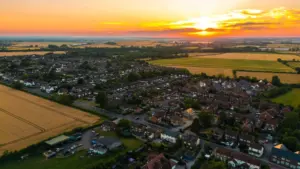
Enter Bryant, Arkansas. Situated roughly 20 minutes southwest of downtown Little Rock, Bryant represents a fascinating departure from the typical Arkansas getaway. It is not defined by mountain overlooks or thermal baths, but rather by a thriving suburban landscape characterized by meticulously maintained community parks, a booming residential population, and an unexpectedly sophisticated local dining scene. Long treated primarily as a commuter haven following the mid-century construction of Interstate 30, Bryant has matured into a distinct destination in its own right.
Recent U.S. Census data underscores this rapid transformation, tracking an explosive population surge that highlights the town’s rising appeal for families and professionals alike. Positioned strategically between the cultural vibrancy of Little Rock and the historic charm of neighboring Benton, Bryant serves as an ideal, low-stress basecamp for central Arkansas exploration. This comprehensive investigation examines the socio-economic drivers behind Bryant’s growth, explores its dynamic culinary landscape—highlighted by everything from family-owned bakeries to inventive fusion restaurants—and reviews the extensive public infrastructure that anchors its vibrant community life.
Detailed Chronology: From Mid-Century Commuter Route to Booming Suburb
To fully understand the contemporary landscape of Bryant, one must examine the historical inflection points that propelled its development from a quiet rural crossroad into a bustling modern municipality.
The Mid-Century Catalyst: The Arrival of Interstate 30
For the first half of the 20th century, the area that would become Bryant was largely characterized by agricultural plots, timber tracts, and modest residential settlements typical of Saline County. The definitive turning point arrived in the mid-20th century with the planning and construction of Interstate 30. Designed to connect Little Rock to Texarkana and points southwest, the highway sliced directly through the region, dramatically reducing travel times to the state capital.
Almost overnight, Bryant transitioned from an isolated rural outpost into a viable commuter community. Workers employed in government, healthcare, and corporate sectors in Little Rock realized they could enjoy lower property taxes, larger residential lots, and a slower-paced, family-oriented environment while maintaining an easy daily commute. Residential subdivisions began to replace timberland, and local commercial enterprises sprouted along the highway corridor to serve the growing influx of residents.
The Turn of the Millennium and Civic Incorporation
As the population swelled through the 1980s and 1990s, the need for localized municipal infrastructure became paramount. The community’s formal organization and incorporation laid the groundwork for dedicated civic management, enabling the town to invest heavily in public safety, educational facilities, and recreational spaces.

Unlike many suburbs that grew haphazardly, Bryant made a concerted effort to preserve a sense of community identity distinct from its larger neighbor to the northeast. The establishment of annual civic traditions—most notably the Bryant Fallfest and the legendary "Salt Bowl" high school football rivalry against neighboring Benton—helped forge a deep sense of local pride. The Salt Bowl, in particular, evolved into a massive cultural phenomenon, drawing tens of thousands of spectators to War Memorial Stadium or local venues, cementing the intense yet friendly athletic rivalry between the two Saline County powerhouses.
Recent Decades of Accelerated Growth
Entering the 21st century, Bryant entered a phase of exponential expansion. The local leadership capitalized on the town’s strategic location, investing aggressively in modern parks, utility expansions, and commercial retail centers. This forward-thinking urban planning transformed Bryant from a mere "bedroom community" where residents slept and drove elsewhere to work and play, into a self-sustaining municipality with a robust local economy. Today, the town’s historical trajectory reflects a masterclass in managing suburban expansion while retaining the warmth and accessibility of a tight-knit community.
Supporting Context & Metrics: Demographic Shifts and Economic Realities
A close examination of demographic metrics reveals a municipality that is not merely growing, but accelerating at a pace that outstrips many of its regional peers.
Population Trajectory: A Statistical Deep Dive
According to official U.S. Census Bureau data, Bryant’s demographic growth over the past decade and a half has been nothing short of remarkable:
- 2010 Census Count: 16,688 residents.
- 2020 Census Estimate: Approximately 20,700 residents (reflecting a robust double-digit growth rate over the decade).
- 2025 Projections: An estimated population reaching 22,815 residents.
This 2025 estimate represents a roughly 10% increase over the 2020 figures and a stunning 37% surge compared to the 2010 baseline. This trajectory indicates that Bryant is capturing a significant share of families migrating away from congested urban cores in search of safer neighborhoods, highly rated local schools, and a lower cost of living without sacrificing proximity to metropolitan amenities.
Geographic and Logistical Advantages
Bryant’s geographic positioning is a primary driver of its economic vitality. Situated entirely within Saline County, the city serves as a central hub connecting rural tranquility with urban accessibility:
- Proximity to Little Rock: Located just 20 minutes southwest of downtown Little Rock, residents have immediate access to major state museums, performing arts venues, and top-tier medical centers.
- Transportation Hub: Clinton National Airport (LIT) is a mere 20-minute drive via I-30, facilitating business and leisure travel.
- Regional Synergy: Bryant sits just 10 minutes away from Benton, a similarly fast-growing historic city that offers its own unique array of local boutiques, historic downtown architecture, and dining establishments, creating a dynamic economic corridor in Central Arkansas.
Hospitality Infrastructure and Local Accommodations
While Bryant maintains its distinct residential character, it caters effectively to travelers passing through the corridor. The accommodation landscape primarily features reliable, nationally recognized chain hotels that offer comfort and consistency for business travelers and tourists alike.
However, for visitors seeking a localized lodging experience, properties such as the Bryant Inn and Suites offer a well-regarded alternative. Boasting a solid 4.2-star rating on Google Reviews, the local inn is frequently praised by travelers for its exceptional value, cleanliness, and convenient access to the interstate and local commercial districts.
Official Statements & Community Perspectives
To capture the ethos of Bryant, one must listen to the voices of the civic leaders, local business owners, and residents who shape its daily reality. The community’s narrative is defined by a commitment to controlled growth, economic diversification, and an unwavering emphasis on quality of life.
Civic Vision and Municipal Planning
Local municipal leaders have consistently emphasized that Bryant’s future depends on balancing commercial development with green space preservation. In public planning forums, city officials frequently point to the city’s extensive park system—such as the multi-million-dollar investments in Bishop Park and Mills Park—as evidence of a commitment to holistic community health.
"Our goal has never been simply to grow for the sake of numbers," notes municipal planning literature from the City of Bryant. "Growth must be accompanied by infrastructure that enhances daily life—from state-of-the-art recreational facilities and safe walking trails to a business-friendly environment that encourages local entrepreneurs to invest in our neighborhoods."
The Culinary Entrepreneur’s Perspective
The town’s business community echoes this sentiment, particularly within the burgeoning culinary sector. Independent restaurateurs have increasingly chosen Bryant over larger metropolitan markets, drawn by a supportive clientele eager to patronize local establishments.
Michael Carpenter, owner of the family-friendly Speakeasy Cafe, noted that his decision to open in Bryant stemmed directly from observing a gap in the local market. "When I moved here, I realized this community had plenty of national chains, but it lacked a true neighborhood gathering place—a spot where families could slow down, enjoy a great cup of coffee, and feel a genuine sense of connection," Carpenter explains. “The response from residents proved that the community was hungry for authentic, home-cooked experiences.”
Similarly, Abhay Shah, owner of the innovative Rookh Italian + Indian Restaurant, highlighted the adventurous palate of Bryant diners. When Shah’s son suggested fusing traditional Italian pasta and pizza concepts with bold Indian spices—a concept later spotlighted by the Arkansas Times—some might have questioned whether a suburban Arkansas market was ready for such culinary boundary-pushing. Yet, dishes like chicken tikka masala pizza and butter chicken ravioli have found an enthusiastic and welcoming audience in Bryant, proving that the local demographic is increasingly sophisticated and eager for culinary innovation.
The Culinary Renaissance: Where to Eat in Bryant
Perhaps the most surprising and delightful discovery for visitors exploring Bryant is its vibrant, independently owned restaurant scene. Eschewing the generic homogenization of standard highway strip malls, Bryant’s culinary entrepreneurs have cultivated a diverse array of dining destinations that rival those found in much larger cities.
Bakeries, Cafes, and Breakfast Institutions
The culinary day in Bryant often begins at the Blue House Bakery & Cafe, an establishment born from family tradition. Founded by two sisters, the cafe was deliberately modeled after the childhood home built by their father and brother. The menu is a masterclass in comforting, scratch-made Southern breakfast fare. Patrons can indulge in a family-secret chocolate-chip cookie recipe, freshly baked cinnamon rolls, elevated avocado toast, and "Joy’s Famous Pancakes," named in honor of one of the co-owners. While lunch selections—such as made-to-order pimento cheeseburgers—require a patient 20-minute wait, reviewers consistently attest that the fresh preparation is well worth the time.
For a neighborhood coffee shop atmosphere, the aforementioned Speakeasy Cafe offers a welcoming retreat. Despite its Prohibition-era moniker, the establishment is thoroughly family-friendly, serving breakfast and lunch alongside culinary treasures straight from the owner’s family kitchen, including house-made pickles crafted from a cherished heirloom recipe.
Comfort Food, Pizzerias, and Global Fusion
For heartier midday or evening meals, Copper Mule Table & Tap bridges the gap between classic Southern comfort food and fiery Cajun influences. Standout menu items, such as crawfish queso, exemplify the restaurant’s ability to honor regional traditions while introducing bold, zesty flavor profiles.
Pizza aficionados find their sanctuary at Different Dough Pizza Co. Owner Brian Krikorian spent years traveling the country studying regional pizza-making techniques before planting roots in Bryant. The result is a meticulous approach to dough fermentation and ingredient sourcing. As one enthusiastic Google reviewer noted, diners can immediately "taste the difference in the ingredients being used with this pizza," setting it apart from standard corporate chains.
Finally, the culinary crown jewel of Bryant’s experimental dining scene is Rookh Italian + Indian Restaurant. What began as a conventional Italian restaurant concept evolved into a culinary revelation thanks to a creative pivot by owner Abhay Shah’s son. Merging two distinct culinary traditions into a single menu, Rookh serves up an inventive lineup of dishes that challenge conventional categorization. From pizzas topped with aromatic chicken tikka masala to rich, comforting bowls of butter chicken ravioli, Rookh stands as a testament to Bryant’s modern, multicultural culinary evolution.
Public Infrastructure: Community Parks and Recreation
Beyond its culinary offerings, Bryant’s commitment to outdoor recreation and community wellness is evident in its exceptional park system. Designed to accommodate diverse interests—from high-intensity athletic training to peaceful nature walks—the city’s parks serve as the green lungs of the municipality.
Bishop Park: The Recreational Crown Jewel
Spanning extensive acreage, Bishop Park functions as the premier recreational hub for Bryant and the surrounding Saline County region. At its heart lies a massive 75,000-square-foot community center equipped with indoor courts supporting basketball, volleyball, and the rapidly growing sport of pickleball, alongside an indoor walking track for year-round fitness enthusiasts.
Adjacent to the community center is the park’s premier Aquatic Center, featuring a retractable roof that allows for seasonal versatility, multiple swimming pools, and aquatic features suitable for all ages. Beyond athletics, Bishop Park offers an 18-hole disc golf course, modern children’s playgrounds, and a sprawling community garden that fosters local agricultural education and civic engagement.
Mills Park and the Natural Area
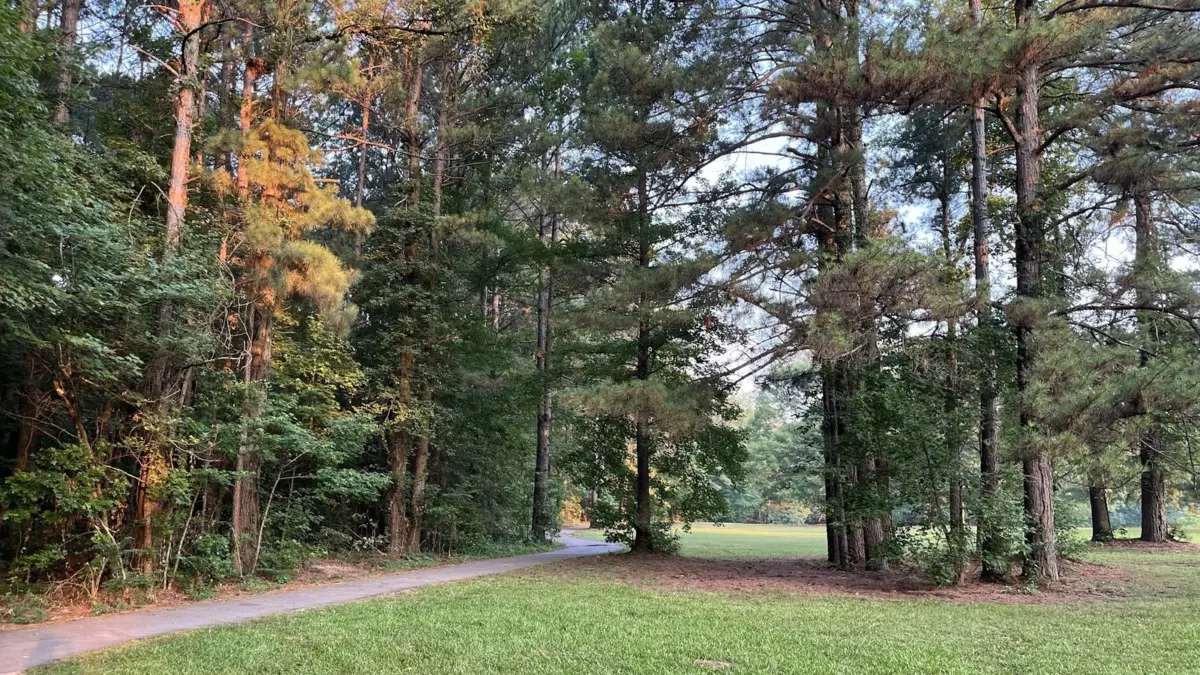
Covering approximately 80 acres, Mills Park offers a harmonious blend of active recreation and serene natural preservation. The facility features a seasonal outdoor swimming pool and dedicated pickleball courts, which transition seamlessly into the tranquil Mills Park Natural Area. Here, a mile-long paved walking loop winds through dense stands of mature native trees. A Google reviewer aptly summarized its appeal, describing it as a "very nice park [with] beautiful trees and many paths to explore," making it an ideal destination for weekend hikers and nature photographers alike.
Neighborhood Parks and Specialized Facilities
Bryant’s smaller municipal parks cater to specific recreational niches:
- Ashley Park: Encompassing roughly six acres, this neighborhood green space provides open lawns and a tranquil atmosphere designed for relaxing afternoon strolls and casual picnics.
- Midland Park: Dedicated heavily to soccer enthusiasts, this facility houses four pristine fields. Upon its opening in 2008, Midland Park was recognized as the Facility of the Year by the Arkansas Recreation and Park Association, reflecting the city’s early commitment to top-tier sports infrastructure.
- Alcoa 40 Park: Recognizing the needs of pet owners, this park features a dedicated, secure dog park where local canines can exercise off-leash.
- Springhill Park: A perennial favorite for families with young children, Springhill features modern playground equipment paired with innovative interactive musical features that have proven immensely popular with younger visitors.
Future Outlook: Sustaining Momentum in Central Arkansas
As Bryant looks toward the horizon, its trajectory points toward continued, sustainable expansion. City planners, economic development boards, and local business owners are actively collaborating to ensure that the municipality retains its small-town charm while absorbing the inevitable influx of new residents and businesses.
Anticipated Infrastructure and Economic Developments
Key areas of focus for Bryant’s municipal leadership moving forward include:
- Commercial Diversification: Expanding retail and dining options along the I-30 corridor to reduce the need for residents to commute to Little Rock for shopping and entertainment.
- Trail Network Expansion: Connecting existing neighborhood parks—such as Mills Park and Bishop Park—via an integrated network of multi-use pedestrian and bicycle trails, promoting active, eco-friendly transportation.
- Educational Partnerships: Continuing to invest in local schools and youth programs to ensure that the educational infrastructure keeps pace with the demographic surge among young families.
Conclusion: A Destination Worth Exploring
While Arkansas will always be defined in the global imagination by the soaring peaks of the Ozarks and the steaming mineral waters of Hot Springs, travelers who limit their itineraries to those famous landmarks miss a vital part of the state’s modern narrative.
Bryant, Arkansas, stands as a shining example of the New Suburbia—a place where rapid economic growth has not eroded community identity, but rather enriched it. With its welcoming neighborhoods, exceptional public parks, highly rated local accommodations, and a genuinely world-class independent culinary scene, Bryant is no longer merely a convenient place to sleep on the way to somewhere else. It has earned its place as an essential, vibrant stop on any comprehensive exploration of Central Arkansas.