











Executive Overview
The American public transportation landscape is undergoing a profound structural evolution. Driven by federal clean-air mandates, shifting regional demographics, and an urgent demand for enhanced passenger safety, transit agencies nationwide are accelerating their modernization efforts. From the bustling corridors of Southern California to the historic streets of Memphis and the expansive campuses of the Midwest, public mobility providers are rethinking how they serve their communities.
Recent developments highlighted in the transportation sector reveal a multi-faceted approach to this evolution. Transit authorities are no longer simply replacing aging vehicles on a like-for-like basis; instead, they are executing strategic fleet overhauls, forging innovative land-use partnerships with major healthcare institutions, investing in cutting-edge hybrid-electric and clean-diesel technologies, and deploying real-time digital safety infrastructure.
This comprehensive report examines the latest strategic moves shaping the future of mobility. By analyzing key operational updates from the Memphis Area Transit Authority (MATA), Trinity Metro in Fort Worth, Northwestern University’s transit division, Southern California’s Metrolink, and Long Beach Transit (LBT)—alongside vital contributions from industry manufacturers and technology providers such as ENC, WeDriveU, ELERTS, and Complete Coach Works (CCW)—we gain a clear snapshot of the projects, partnerships, and business maneuvers driving the transportation sector forward.
Detailed Chronology of Industry Developments
The past several months have witnessed a flurry of strategic contracts, land agreements, milestone anniversaries, and technology deployments. Below is a detailed chronology of the critical operational milestones reshaping regional transit networks.
1. ENC Secures Major Contract to Modernize MATA’s Aging Fleet
In a decisive move to address severe fleet degradation, the Memphis Area Transit Authority (MATA) selected ElDorado National – California (ENC) to supply 32 advanced AXESS 40-foot clean diesel transit buses.
MATA, serving as one of the primary public transit operators in Tennessee, manages a complex multimodal network that includes fixed-route buses, specialized paratransit services, and vintage rail trolleys. Together, these services deliver more than 2.5 million rides annually across Memphis and surrounding Shelby County. However, the authority has faced mounting operational hurdles due to an aging fleet. Industry data indicates that nearly half of MATA’s fixed-route active fleet has surpassed the grueling milestone of 500,000 operational miles, with dozens of active vehicles exceeding a decade of continuous service.
To combat diminishing reliability and rising maintenance overhead, MATA initiated an aggressive fleet renewal campaign. The acquisition of ENC’s AXESS buses represents a cornerstone of this initiative. These vehicles are American-built, rigorously tested at the Altoona Bus Research and Testing Center, and specifically engineered to deliver long-term structural durability and mechanical reliability. By integrating these modern units into its regular fixed-route network, MATA aims to restore schedule integrity and public trust.
2. Trinity Metro and Baylor Scott & White Advance the TEXRail Extension
In Texas, the Trinity Metro board of directors authorized landmark property agreements with affiliates of Baylor Scott & White Health, marking a critical leap forward for the planned extension of the TEXRail commuter line.
Under the terms of the newly approved agreements, Baylor Scott & White will donate approximately 1.76 acres of strategically located land to serve as the permanent site for the new TEXRail station. This development bridges a vital gap, enabling the extension of TEXRail 2.1 miles southward from the downtown Fort Worth T&P Station into the bustling Near Southside district.
The Near Southside stands as one of Fort Worth’s premier economic and employment engines, providing tens of thousands of jobs anchored heavily by a dense cluster of medical, educational, and research facilities. As ongoing private and public investments continue to reshape the district with new housing, commercial developments, and healthcare infrastructure, the demand for high-capacity public transit has skyrocketed.
Beyond the donated station footprint, the collaboration grants Trinity Metro crucial access rights required to construct comprehensive supporting infrastructure. This includes dedicated customer parking lots, an efficient bus turnaround loop, and an optimized station access road. Crucially, the legal framework protects long-term parking availability for existing healthcare patrons while ensuring seamless multimodal connectivity for future rail commuters.
3. WeDriveU and Northwestern University Celebrate One Year of Hybrid-Electric Transit
Moving to the higher-education sector, WeDriveU and Northwestern University’s Transportation and Parking Department marked a major sustainability milestone: the one-year anniversary of their transition to a modernized hybrid-electric campus shuttle fleet serving the Evanston and Chicago campuses.
Launched under an extension of WeDriveU’s long-standing operations and management contract—a partnership that originally commenced in 2019—the deployment of 12 hybrid-electric Gillig buses has transformed campus mobility. The initiative forms a core pillar of sustainNU, Northwestern’s comprehensive institutional roadmap designed to aggressively reduce greenhouse gas emissions by 2030 and achieve absolute net-zero emissions by 2050.
University sustainability analysts calculate that the deployment of each hybrid-electric bus yields environmental benefits roughly equivalent to removing three traditional diesel-powered buses entirely from local roadways. Over the past twelve months, this reduction in fuel consumption has translated into measurable drops in campus carbon emissions, quieter campus corridors, and improved local air quality for both students and surrounding residential neighborhoods.
4. Metrolink and ELERTS Deploy "Safe Ride" App Across Southern California
To address evolving passenger security concerns, Southern California’s regional rail authority, Metrolink, officially rolled out "Safe Ride"—a dedicated mobile application designed to provide riders with a direct, discreet channel for reporting non-emergency security issues.
Developed in partnership with ELERTS, a leader in transit safety communications, and maintained separately from the primary Metrolink ticketing and scheduling app, Safe Ride connects passengers directly to the agency’s Security Operations Center (SOC). Whether dealing with suspicious packages, unruly behavior, unsanitary conditions, or minor maintenance anomalies onboard trains and at platforms, riders can quickly transmit precise incident details. The application allows users to specify the exact train car or station location, type the nature of the issue, and—when safe and appropriate—upload photographic evidence.
The strategic rollout of Metrolink Safe Ride was purposely timed to coincide with national safety observances, including See Tracks? Think Train Week and California’s annual Rail Safety Month in September. Metrolink leveraged the software launch to amplify its broader safety education campaigns, executing station activations, school outreach programs, and internal employee training initiatives to foster a culture of vigilance.
5. Complete Coach Works Completes Midlife Refurbishment for Long Beach Transit
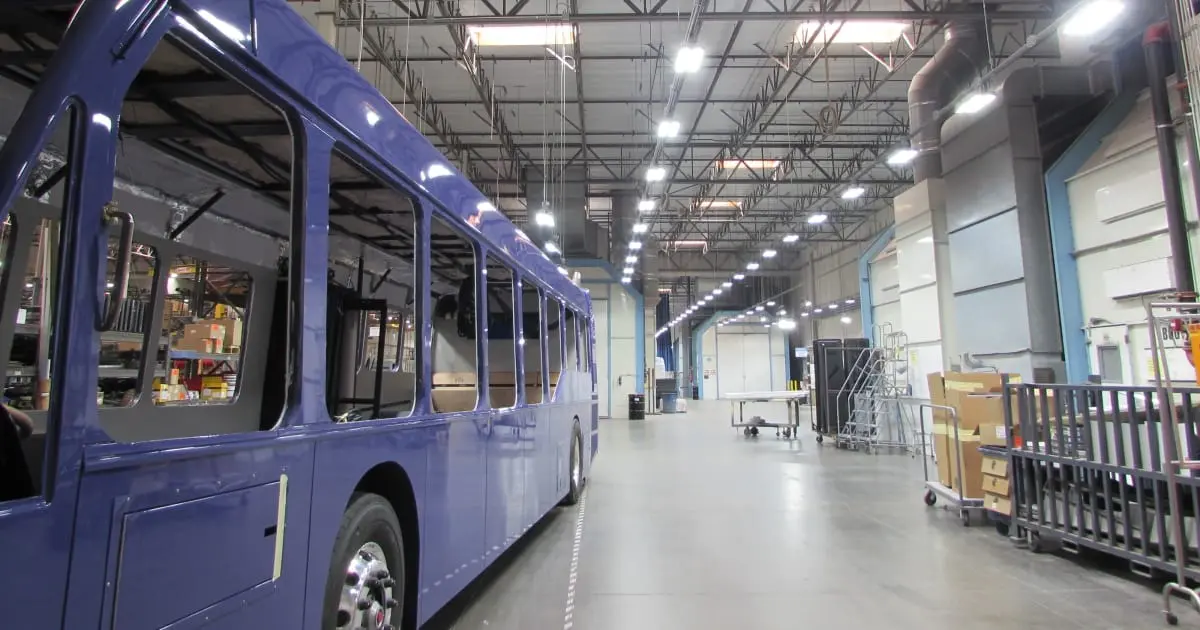
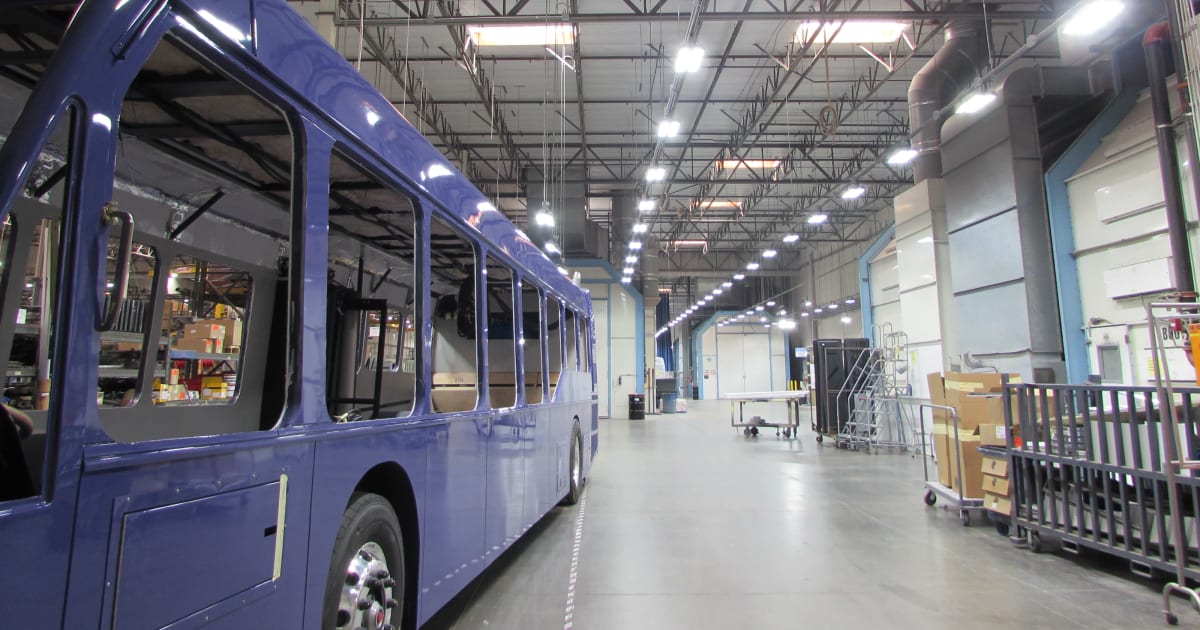
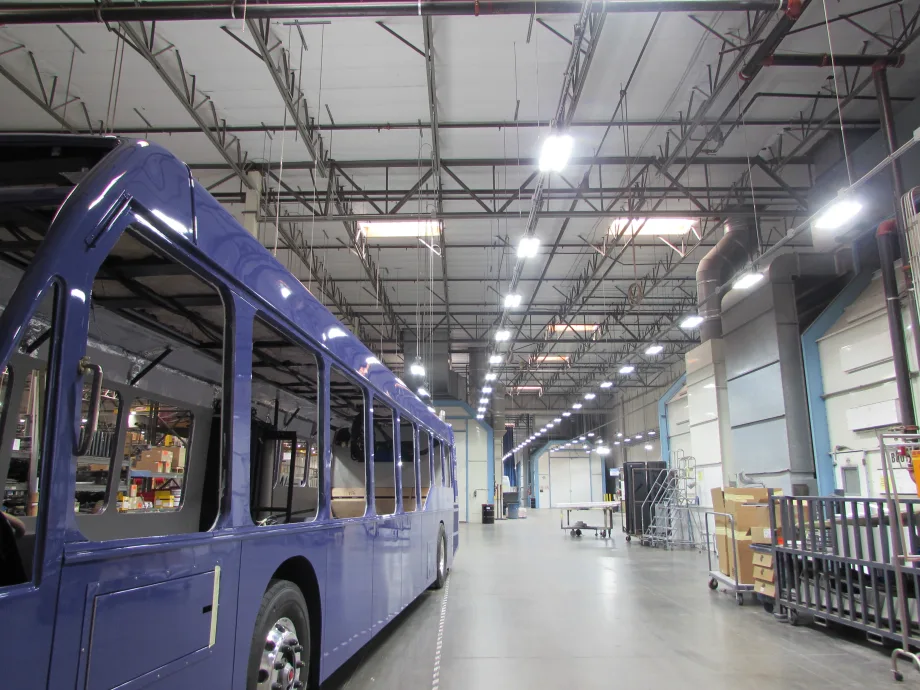
Rounding out the recent wave of operational milestones, Complete Coach Works (CCW) announced the successful completion of a comprehensive midlife refurbishment program for 13 articulated transit buses operated by Long Beach Transit (LBT) in California.
The project, executed at CCW’s specialized facilities in Riverside, California, involved a fleet of 2015 New Flyer Xcelsior 60-foot articulated compressed natural gas (CNG) buses. The initiative was undertaken as a key component of LBT’s rigorous State of Good Repair Program, which aims to maximize asset life, control capital expenditures, and ensure uncompromised fleet safety and reliability.
With all 13 units now returned to active service, LBT has successfully extended the operational lifespan of these high-capacity vehicles by years. The heavy-duty overhaul encompassed extensive mechanical overhauls, structural inspections, updated interior cosmetic refreshes, and advanced system upgrades, ensuring these buses continue to deliver premium service across Long Beach and surrounding municipalities.
Supporting Context and Operational Metrics
To fully appreciate the scope of these regional initiatives, it is vital to examine the quantitative and qualitative metrics guiding modern transportation planning. Fleet renewal and technological integration are not arbitrary expenditures; they are calculated responses to hard operational data.
| Transit Agency / Partner | Core Initiative | Key Metrics & Scope | Strategic Objective |
|---|---|---|---|
| Memphis Area Transit Authority (MATA) | Fleet Replacement (ENC) | 32 AXESS 40-foot clean diesel buses | Replace aging fleet where nearly 50% of vehicles exceed 500,000 miles. |
| Trinity Metro / Baylor Scott & White | TEXRail Extension | 1.76-acre land donation, 2.1-mile rail extension | Connect downtown Fort Worth to the high-density Near Southside employment hub. |
| Northwestern University / WeDriveU | Sustainable Campus Fleet | 12 Gillig hybrid-electric buses (1-year milestone) | Advance sustainNU goals to hit net-zero emissions by 2050. |
| Metrolink / ELERTS | Safe Ride Mobile App | Real-time SOC integration via iOS/Android | Empower riders to discretely report non-emergency safety and security concerns. |
| Long Beach Transit / CCW | Midlife Fleet Refurbishment | 13 New Flyer Xcelsior 60-ft articulated CNG buses | Execute State of Good Repair standards to extend asset lifecycles. |
The Mechanics of Fleet Renewal: The MATA Case Study
The situation faced by the Memphis Area Transit Authority highlights a pervasive challenge across legacy American transit agencies: capital starvation leading to deferred fleet maintenance. When a transit fleet reaches a point where a plurality of its fixed-route vehicles has logged over half a million miles, the financial drain of corrective maintenance begins to eclipse the capital cost of procurement. Frequent drivetrain failures, hydraulic leaks, electrical anomalies, and climate-control breakdowns not only inflate maintenance budgets but also degrade schedule reliability.
By acquiring ENC AXESS 40-foot clean diesel models, MATA is leveraging modern engine management systems that dramatically reduce particulate matter and nitrogen oxide emissions compared to the legacy units they replace. Furthermore, Altoona-tested certification guarantees that these chassis have undergone punishing structural durability trials simulating twelve years or 500,000 miles of severe-service operation, ensuring they can withstand the demanding urban topography of Shelby County.
The Economics of Sustainable Partnerships
In the higher-education sector, the Northwestern University and WeDriveU partnership illustrates how institutional transit systems can serve as testbeds for broader decarbonization strategies. Traditional diesel transit operations on dense university campuses generate significant local emissions and noise pollution. By shifting toward hybrid-electric architectures, Northwestern has captured immediate fuel efficiency gains.
From an operational perspective, hybrid powertrains recover kinetic energy during frequent campus stop-and-go cycles through regenerative braking, storing electrical energy in onboard battery banks to assist engine acceleration. This technical dynamic reduces brake pad wear, lowers fuel consumption by up to 30%, and significantly reduces the carbon footprint, directly supporting the institutional milestones of the sustainNU framework.
Official Statements and Industry Insights
Leadership figures across the participating agencies and contracting firms have emphasized the collaborative, forward-thinking nature of these milestones.
Industry analysts tracking the transit sector note a distinct shift toward holistic procurement models. Agencies are increasingly prioritizing vendors that offer not just hardware, but comprehensive lifecycle support, digital integration, and robust safety frameworks.
Commenting on the integration of advanced safety platforms, transit security experts have highlighted the importance of passenger-reported data in modern urban mobility networks. Systems like the Metrolink Safe Ride app bridge the traditional communication gap between the rider sitting in a railcar and the centralized security dispatchers miles away. By utilizing smartphones to transmit immediate, actionable intelligence—complete with photographic verification—transit police can triage incidents more effectively, deterring opportunistic crime and reassuring nervous commuters in an era of post-pandemic ridership recovery.
Similarly, land-use integration—exemplified by the Trinity Metro and Baylor Scott & White collaboration—demonstrates a maturing model of transit-oriented development (TOD). Public agencies can no longer afford to acquire expensive urban real estate independently. By partnering with major private and non-profit anchor institutions like healthcare systems, transit agencies can secure vital right-of-way donations while simultaneously ensuring that new transit lines terminate directly at high-volume job centers, maximizing daily ridership potential from day one of operations.
Future Outlook: The Road Ahead for American Mobility
As the transportation industry looks toward the remainder of the decade and beyond, several clear trajectories are emerging from these localized success stories.
1. Accelerated Transition to Zero-Emission and Low-Emission Fleets
While fully battery-electric and hydrogen fuel-cell buses continue to dominate headlines, the ongoing procurement of advanced clean-diesel (such as MATA’s ENC order) and the maturation of hybrid fleets (such as Northwestern’s Gillig deployment) prove that the transition to sustainable mobility is a multi-phased journey. Agencies must balance aggressive climate goals with fiscal realities, utilizing ultra-clean combustion technologies and hybrid platforms as viable bridge solutions while heavy-duty electric charging infrastructure is scaled regionally.
2. Deepening Public-Private Real Estate Partnerships
The collaborative model demonstrated in Fort Worth between Trinity Metro and Baylor Scott & White provides a masterclass for other metropolitan regions seeking to expand rail and bus rapid transit (BRT) corridors. As federal infrastructure grants become increasingly competitive, transit boards that can secure land donations and co-investments from major employment anchors—such as universities, hospital networks, and corporate real estate developers—will enjoy a decisive advantage in project delivery speed and financial sustainability.
3. Holistic Passenger Safety and Digital Transformation
Safety and security will remain foundational pillars of public transit recovery. The widespread adoption of discrete digital reporting tools, such as the ELERTS-powered Metrolink Safe Ride app, signals an industry-wide recognition that rider confidence is directly tied to perceived personal safety. Future transit technology investments will likely focus heavily on artificial intelligence-driven video analytics, seamless interoperable mobile applications, and real-time situational awareness platforms for security operations centers.
4. Maximizing Asset Lifecycle Value through Refurbishment
With capital equipment costs rising across the global supply chain, comprehensive midlife overhauls—exemplified by Complete Coach Works’ work for Long Beach Transit—will continue to play an indispensable role in fleet management. Rehabilitating existing heavy-duty transit assets extends their operational utility by up to a decade at a fraction of the cost of new vehicle procurement, offering transit agencies a fiscally prudent path to maintaining a pristine State of Good Repair.
In summary, the recent developments across Memphis, Fort Worth, Evanston, Southern California, and Long Beach illustrate an industry in vibrant transition. Through strategic acquisitions, innovative land-use agreements, green campus partnerships, and digital safety enhancements, the American transportation sector is steadily engineering a smarter, safer, and more sustainable future for millions of daily riders.


