









Executive Overview
In a milestone development for maritime transport across the Iberian Atlantic corridor, Fred. Olsen Express has recorded its highest-ever passenger volume for the early summer season on its strategic Huelva–Canary Islands service. During June and July, more than 9,000 passengers traveled along the maritime route connecting mainland Spain with the archipelagic hubs of Santa Cruz de Tenerife and Las Palmas de Gran Canaria. This figure represents an almost 11% year-over-year increase—a net gain of approximately 600 passengers—setting an all-time operational benchmark for the company during this crucial two-month peak window.
+-----------------------------------------------------------------------+
|                 HUELVA–CANARY ISLANDS ROUTE PERFORMANCE               |
+-----------------------------------------------------------------------+
|  Metric                     | June–July Performance                   |
+-----------------------------+-----------------------------------------+
|  Total Passengers           | > 9,000                                 |
|  YoY Growth Rate            | +10.8% (~11%)                           |
|  Net Passenger Increase     | ~600 travellers                         |
|  Total Transit Duration     | 33 Hours                                |
|  Primary Vessel             | BUENAVISTA EXPRESS (Refurbished Ro-Pax) |
|  Key Port Nodes             | Huelva, Santa Cruz de Tenerife,         |
|                             | Las Palmas de Gran Canaria              |
+-----------------------------------------------------------------------+
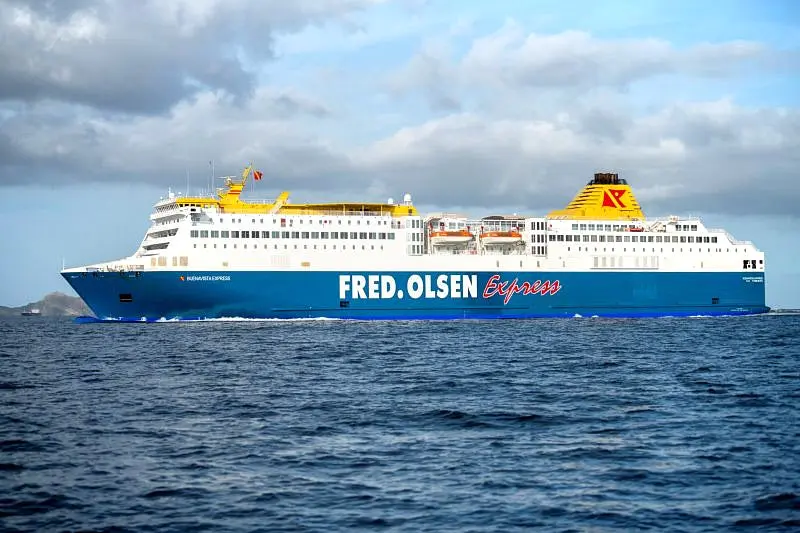
The record-breaking performance highlights a broader structural evolution in regional mobility, characterized by shifting consumer preferences toward long-distance ferry travel over conventional aviation. Central to this surge is the deployment of the extensively refurbished Buenavista Express, a Ro-Pax vessel redesigned to deliver a "mini-cruise" experience. By integrating resort-style leisure amenities with practical transport solutions—such as vehicle carriage, flexible luggage allowances, and comprehensive pet-friendly accommodations—Fred. Olsen Express has capitalized on growing demand for experiential, high-comfort sea travel.
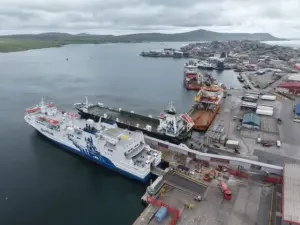
Simultaneously, ongoing strategic alignment between the carrier and the Port Authority of Huelva aims to optimize pre-embarkation workflows, reinforcing the long-term commercial viability of this maritime link.
Detailed Chronology: Fleet Investment and Market Expansion
+-----------------------------------------------------------------------+
|                       TIMELINE OF ROUTE EVOLUTION                     |
+-----------------------------------------------------------------------+
|  Phase I: Route Infrastructure Development                            |
|  • Establishment of the 33-hour Huelva-Canaries maritime link         |
|  • Integration into broader Atlantic Ro-Pax supply chain              |
|                                                                       |
|  Phase II: Refurbishment & Redesign (*Buenavista Express*)            |
|  • Comprehensive drydock interior overhaul                            |
|  • Installation of coworking spaces, high-speed Wi-Fi, and pool deck  |
|  • Reconfiguration of pet-friendly and accessible staterooms          |
|                                                                       |
|  Phase III: Summer Deployment & Record Operational Window             |
|  • June–July: Surge past 9,000 passengers (+11% growth)               |
|  • Onboarding of high-density private vehicle transport traffic       |
|  • Phase-in of Port of Huelva pre-embarkation facility upgrades       |
+-----------------------------------------------------------------------+
Strategic Reconfiguration of the Maritime Link
The establishment of the maritime corridor between Huelva and the Canary Islands was conceived as a vital logistics bridge, providing both freight and passenger transport between the Spanish peninsula and the Atlantic archipelago. Over recent years, Fred. Olsen Express has strategically positioned the route to capture market share from both traditional sea transport and commercial air carriers.
Recognizing evolving passenger expectations, the company initiated a comprehensive fleet modernization program targeting the Buenavista Express. The objective was clear: transform a standard long-distance ferry route into a high-value experiential journey.
The Overhaul of Buenavista Express
Prior to the summer travel season, the Buenavista Express underwent an extensive drydock refurbishment aimed at elevating the onboard passenger experience. The redesign restructured the vessel’s public zones, adding modern hospitality features and functional working spaces. Key updates included:
- Public and Leisure Space Enhancements: Expansion of open-air decks, installation of an outdoor swimming pool, and creation of a dedicated sunbathing area.
- Dining and Entertainment Overhaul: Introduction of updated restaurant concepts and a modern sports bar catering to diverse passenger demographics.
- Digital Connectivity Architecture: Integration of satellite-backed, high-speed Wi-Fi systems and dedicated coworking zones tailored for remote professionals and long-distance travelers.
- Accessible and Specialized Accommodations: Complete stateroom retrofits to expand pet-friendly cabin capacity and provide fully accessible staterooms for travelers with reduced mobility (PRM).
Operational Performance Through June and July
Following its re-entry into active service, the Buenavista Express was immediately deployed on the 33-hour crossing connecting Huelva, Santa Cruz de Tenerife, and Las Palmas de Gran Canaria. The summer service saw immediate commercial momentum:
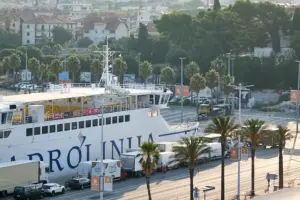
- June Demand: Early-season bookings exceeded forecasts, driven by long-term vacationers, domestic tourists bringing personal vehicles, and pet owners seeking alternatives to airline cargo transport.
- July Peak Performance: Passenger volume surged through mid-to-late July, bringing total passenger counts for the two-month period beyond the 9,000-passenger mark. The 11% year-over-year increase validated the carrier’s capital investment in vessel refurbishment and route positioning.
Supporting Context & Metrics: Analyzing the Operational Shift
+-----------------------------------------------------------------------+
|            DRIVERS OF SHIFT: FERRY VS. AVIATION COMPETITION           |
+-----------------------------------------------------------------------+
|  Operational Variable | Ferry (Ro-Pax Service) | Air Travel           |
+-----------------------+------------------------+----------------------+
|  Baggage Limitations  | Unrestricted Volume    | Strict Weight Caps   |
|  Vehicle Carriage     | Direct (Roll-On/Off)   | N/A (Rental Required)|
|  Pet Accommodation    | In-Cabin Options       | Hold/Cargo Transit   |
|  Connectivity/Work    | Coworking & Satellite  | Restricted/Paid      |
|  Experiential Value   | "Mini-Cruise" Focus    | Point-to-Point Transport
+-----------------------------------------------------------------------+
Comparative Analysis: Ro-Pax Advantage Over Air Travel
The growth recorded during June and July reflects a broader shift toward modal transport options that offer greater flexibility and convenience. While air transport remains the fastest option for reaching the Canary Islands, long-distance Ro-Pax ferries offer structural advantages that increasingly appeal to key market segments:
- Private Vehicle Integration: Transporting personal cars, motorhomes, and commercial vans directly across the Atlantic eliminates the need for rental vehicles at destination points—a key factor during peak summer periods when rental costs surge.
- Unrestricted Luggage Policies: Unlike airlines, which enforce strict weight limits and impose steep fees for extra baggage, maritime passengers can transport unrestricted personal belongings within their vehicles or staterooms.
- Pet Accommodation Standards: Traditional air travel often requires pets to travel in aircraft cargo holds. The expansion of pet-friendly cabins aboard the Buenavista Express allows pets to stay in staterooms with their owners throughout the 33-hour transit.
- Remote Work Facilities onboard: The inclusion of satellite-connected high-speed Wi-Fi and designated coworking spaces allows remote professionals to maintain productivity during the crossing, turning travel time into productive work hours.
Economic Impact and Route Geography
The 33-hour crossing serves as a multi-hub link within the Spanish Atlantic maritime transport network. Operating as a dual-use passenger and freight corridor, the route supports local economies in Andalusia and the Canary Islands.
                  [ PORT OF HUELVA ] (Mainland Spain)
                          |
                          |  33-Hour Atlantic Corridor
                          v
        +-----------------------------------+
        |                                   |
        v                                   v
[ SANTA CRUZ DE TENERIFE ] [ LAS PALMAS DE GRAN CANARIA ]- Port of Huelva: Serves as the primary mainland gateway, offering efficient highway connections to southern and central Europe.
- Santa Cruz de Tenerife & Las Palmas de Gran Canaria: Act as dual logistics terminals, distributing passengers and intermodal cargo across the broader Canary archipelago.
The 11% increase in passenger volume directly benefits regional supply chains, boosting seasonal spending in hospitality, port logistics, and local tourism networks at both ends of the route.
Official Statements and Strategic Partnerships
Reflecting on the record-breaking summer start, leadership from Fred. Olsen Express highlighted the role of customer-centric investments in driving operational success.
"The performance recorded during June and July demonstrates that our investment strategy for the Huelva corridor is delivering clear results. By elevating the onboard experience aboard the BUENAVISTA EXPRESS to mirror a ‘mini-cruise’ standard, we have fundamentally redefined what long-distance maritime travel looks like in this region. Passengers are no longer viewing the 33-hour journey merely as transit; they are choosing it as an integral part of their holiday experience."
— Executive Leadership, Fred. Olsen Express
Company representatives emphasized that passenger expectations have evolved beyond basic transport toward higher comfort, flexibility, and connectivity:
"The ability to travel with private vehicles without luggage restrictions, combined with specialized accommodations for families and pet owners, has proven to be a decisive differentiator. We are seeing sustained demand across diverse traveler segments—from families and road-trippers to digital nomads who work onboard while en route to the archipelago."
— Passenger Operations Desk, Fred. Olsen Express
The carrier also noted the importance of its ongoing partnership with port management authorities:
"Our close collaboration with the Port Authority of Huelva remains vital as we scale operations. We are actively working together to enhance pre-embarkation services, streamline vehicle processing, and upgrade terminal infrastructure to ensure a seamless end-to-end journey for our passengers."
— Fleet & Logistics Operations, Fred. Olsen Express
Future Outlook: Infrastructure Upgrades and Strategic Targets
+-----------------------------------------------------------------------+
|                     FUTURE STRATEGIC INITIATIVES                      |
+-----------------------------------------------------------------------+
|  1. Terminal Optimization at Port of Huelva                           |
|     • Streamlined pre-boarding check-in procedures                    |
|     • Upgraded passenger lounge facilities & shaded boarding zones    |
|                                                                       |
|  2. Fleet Sustainability & Efficiency Initiatives                     |
|     • Biofuel blending & hull hydrodynamic optimizations              |
|     • Smart energy management systems to minimize cruise emissions   |
|     • Advanced waste-reduction and resource recovery systems          |
|                                                                       |
|  3. Long-Term Route Expansion & Year-Round Demand                     |
|     • Transitioning seasonal peaks into sustained off-peak volumes    |
|     • Target growth in remote worker, eco-tourism, & logistics markets|
+-----------------------------------------------------------------------+
Enhancing Port Infrastructure in Huelva
To build on the summer season’s momentum, Fred. Olsen Express and the Port Authority of Huelva are advancing projects to modernize shore-side infrastructure. Planned improvements focus on optimizing the embarkation process to handle higher passenger and vehicle volumes:
- Pre-Departure Processing: Upgrading terminal staging areas and vehicle lane logistics to reduce check-in times and minimize processing delays prior to loading.
- Passenger Facilities: Enhancing modern terminal lounge spaces, adding air-conditioned waiting areas, and providing improved amenities for travelers arriving well ahead of departure.
- Intermodal Connections: Working with regional transit providers to streamline ground connections between the ferry terminal and regional highway and rail networks.
Environmental Performance & Sustainability Focus
As long-distance short-sea shipping expands across the European Union, operating within strict environmental frameworks—including the EU Emissions Trading System (EU ETS)—remains a operational priority. Fred. Olsen Express continues to evaluate fleet sustainability initiatives for its long-haul Atlantic routes:
- Fuel Efficiency Measures: Optimizing hull maintenance, propeller designs, and route planning to lower fuel consumption during Atlantic transits.
- Onboard Waste and Energy Management: Implementing smart HVAC systems, low-energy LED lighting grids, and advanced onboard waste-sorting systems across the vessel.
- Alternative Fuels Research: Assessing future biofuel blending opportunities and synthetic fuel compatibility to align with regional decarbonization targets.
Long-Term Route Outlook
The record results achieved in June and July position the Huelva–Canary Islands corridor as a key driver of future growth for Fred. Olsen Express. As the carrier works to turn seasonal summer peaks into consistent year-round demand, its focus will remain on delivering high service quality, investing in sustainable operations, and expanding strategic partnerships along the Atlantic route network.