








Executive Overview
While Nebraska is globally recognized for its sweeping prairies, endless horizons, and agricultural legacy, the state’s urban centers often capture the bulk of tourist attention. Mega-hubs like Omaha and Lincoln dominate travel itineraries with their bustling art scenes, expansive museums, and high-energy nightlife. Yet, for travelers yearning for a slower, more authentic, and deeply personalized Midwestern escape, a hidden gem sits quietly just off the beaten path.
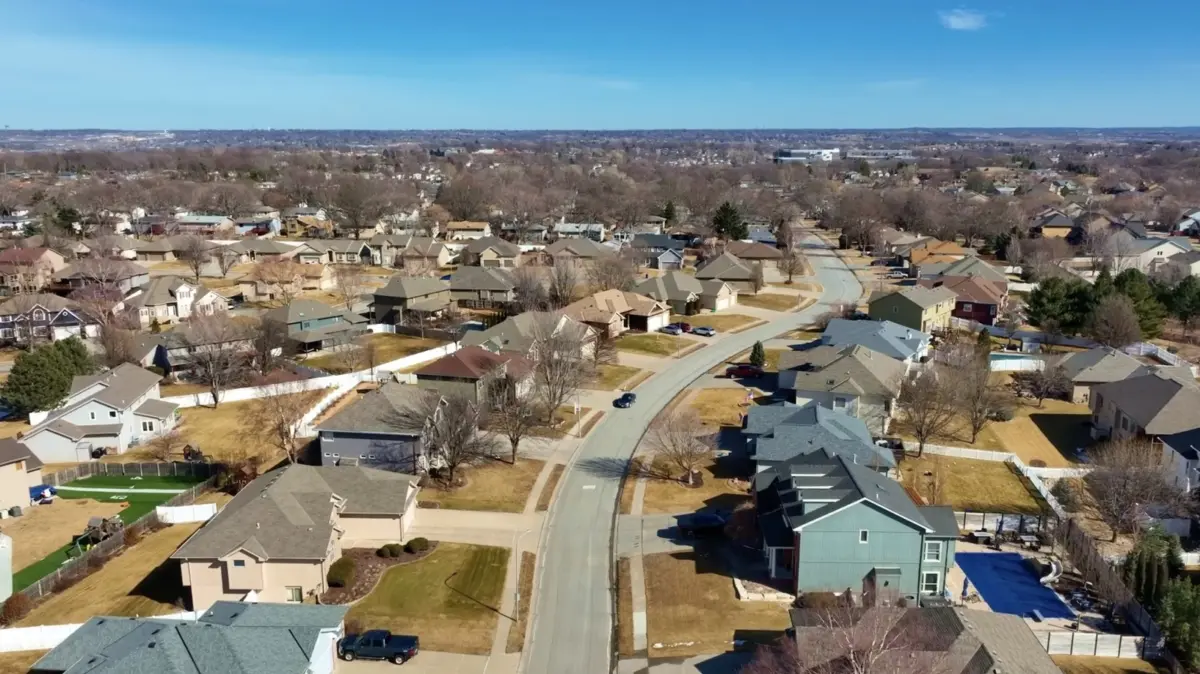
Enter La Vista, a vibrant, tight-knit community of just over 16,000 residents nestled in Sarpy County. Serving as a deliberate antidote to the overwhelming hustle of metropolitan hotspots, La Vista strikes a rare and harmonious balance. It delivers the lush, sprawling green spaces, community-centric recreation, and family-friendly atmosphere of an idyllic small town, while seamlessly pairing these qualities with sophisticated dining, modern entertainment venues, and close proximity to major urban centers.
Positioned only 13 miles southwest of downtown Omaha and less than an hour’s drive from the state capital of Lincoln, La Vista acts as an ideal basecamp for travelers. It allows visitors to experience the best of both worlds: the peace of a low-key community and the convenience of nearby big-city infrastructure. Backed by an impressive municipal park system spanning over 100 acres, an emerging culinary scene reflecting global flavors, and major regional attractions like The Astro theater and Smash Park, La Vista is rapidly evolving from a quiet bedroom community into a premier Midwestern destination in its own right.
Detailed Chronology and Evolution of the Community
To understand La Vista’s current charm, one must look at its intentional development over the decades. Unlike historical Nebraska towns that grew organically around 19th-century railroad junctions or river ports, La Vista’s existence is a testament to post-war suburban planning and community revitalization.
The Post-War Boom and Incorporation
The land that now constitutes La Vista was primarily agricultural through the first half of the 20th century. However, as Omaha experienced rapid outward expansion following World War II, the demand for residential housing in Sarpy County surged. Developers recognized the potential of the rolling terrain just southwest of Omaha. Throughout the 1950s and 1960s, suburban subdivisions began to take root, laying the groundwork for a distinct community.
Recognizing the need for local governance and self-determination, the residents and leaders of the area officially incorporated La Vista as a city in 1960. From its inception, the city was designed to prioritize family life, education, and accessible green spaces. Over the next several decades, La Vista steadily grew, expanding its municipal boundaries, building out robust infrastructure, and fostering a distinct local culture that celebrated neighborly engagement.
The Turn of the Millennium: Strategic Transformation
As the 21st century unfolded, city planners and local officials faced a critical choice: remain a quiet, passive suburb of Omaha, or proactively invest in placemaking initiatives to give La Vista its own independent identity. The city chose the latter, embarking on a series of ambitious redevelopment projects.

A prime example of this progressive urban strategy is the transformation of the former La Vista Falls Golf Course. Recognizing that traditional municipal needs were shifting, city leaders boldly reimagined the property. Instead of allowing the aging golf course to be parceled out for high-density industrial use, the city converted the sprawling acreage into Central Park. This multi-million-dollar green infrastructure project effectively anchored La Vista’s commitment to environmental preservation and community recreation.
The Modern Era: Entertainment and Culinary Renaissance
In recent years, La Vista has accelerated its evolution into a regional hub of culture and entertainment. The opening of state-of-the-art facilities like The Astro theater and the multi-faceted Smash Park complex marked a new chapter for the city. These developments have successfully drawn visitors from across the Nebraska-Iowa metropolitan corridor, injecting vibrant economic activity into local businesses, international eateries, and specialty cafes. Today, La Vista stands as a shining example of how a small municipality can successfully scale its amenities while fiercely protecting its intimate, welcoming character.
Supporting Context & Metrics: Navigating La Vista
For prospective visitors and travelers mapping out a Midwestern road trip, logistics play a crucial role. La Vista’s geographic positioning offers exceptional convenience, though navigating the area requires a bit of pre-planning due to its layout and public transit realities.
Geographic Accessibility and Transportation Infrastructure
La Vista’s strategic location is one of its strongest selling points for regional and national travelers:
- Proximity to Omaha: Located a mere 13 miles southwest of downtown Omaha, travelers can easily transition from the state’s largest city to La Vista’s tranquil environment in under 20 minutes via Interstate 80.
- Proximity to Lincoln: The state capital is less than a 50-minute drive west along I-80, making La Vista a convenient halfway point for those exploring the state’s political and academic core.
- Air Travel: Visitors flying into the region have seamless access via two major airports. Eppley Airfield (OMA) in Omaha serves as the primary regional hub, offering extensive national carriers and direct flights. Alternatively, Lincoln Airport (LNK) provides an accessible, less congested alternative just down the highway.
- Local Transit & Rental Recommendations: While La Vista is an exceptionally walkable and pedestrian-friendly community within its residential pockets and park systems, public transportation infrastructure is limited compared to major metropolitan centers. Travel industry analysts strongly recommend securing a rental car upon arrival at either OMA or LNK. A personal vehicle is vital for visitors planning to explore surrounding regional attractions, such as the neighboring city of Gretna or day trips into the Loess Hills of western Iowa.
Key Demographics and Municipal Metrics
- Population: Just over 16,000 residents, ensuring low traffic congestion, minimal light pollution, and a strong sense of community safety.
- Park Infrastructure: Home to 16 distinct municipal parks collectively encompassing over 100 acres of protected green space, walking trails, and recreational facilities.
- Economic Landscape: A diverse mix of locally owned small businesses, international dining establishments, and rapidly growing commercial entertainment venues supported by a business-friendly municipal administration.
Official Statements and Local Perspectives
The distinct charm of La Vista does not happen by accident; it is the direct result of deliberate civic vision and the passion of local entrepreneurs, municipal leaders, and community stakeholders.
City Leadership and Urban Vision
Local officials have long emphasized that La Vista’s primary competitive advantage is its ability to offer big-city amenities wrapped in small-town hospitality. In past municipal planning addresses, city leaders have consistently stressed the importance of balancing commercial growth with environmental stewardship.
"We are not trying to replicate Omaha; we are trying to complement it," notes local civic documentation regarding urban development. "Our residents want the economic vitality, the diverse culinary offerings, and the world-class entertainment options usually reserved for major metros, but they want to walk out their front doors into a quiet, clean, and safe neighborhood where people still wave to each other across the street. That is the La Vista promise."
Culinary Pioneers and Business Owners
The soul of La Vista’s modern renaissance is heavily anchored in its independent business community. Entrepreneurs who chose La Vista as the home for their culinary ventures frequently cite the welcoming, supportive nature of the local customer base.
The founders of Las Chilenas—an acclaimed espresso bar and bakery run by two Chile-born sisters—have frequently highlighted the warmth of the community in local profiles. Their fusion of authentic Chilean empanadas and specialty coffee has turned a modest storefront into a beloved regional destination. Similarly, proprietors of local staples like Thai Orchids Restaurant and Vietnamese Restaurant LaVista praise the adventurous palate of La Vista diners, noting that locals enthusiastically embrace authentic global flavors, customized spice levels, and traditional culinary techniques.
Entertainment executives overseeing venues like The Astro have echoed these sentiments, pointing out that La Vista’s intimate venue layout offers an exceptional concert-going experience that massive stadium arenas simply cannot replicate. Artists ranging from legendary comedic acts like Patton Oswalt to iconic musical groups like KC and the Sunshine Band have praised the unique energy of performing in an environment where every single seat feels intimately connected to the stage.
Future Outlook: What Lies Ahead for La Vista
As Nebraska continues to experience shifting tourism trends and steady population growth, La Vista is uniquely positioned to capture the imagination of modern travelers. The modern tourist is increasingly seeking authentic, unpretentious, and sustainable travel experiences—values that are deeply embedded in La Vista’s civic DNA.
Sustainable Growth and Green Infrastructure
Looking toward the future, La Vista’s municipal planning board remains committed to expanding the city’s green footprint. Plans are continuously evaluated to enhance connectivity between the city’s 16 parks, potentially establishing a continuous multi-use trail network that links residential neighborhoods directly to Central Park and commercial entertainment zones. This focus on non-motorized transit aligns with broader national trends favoring eco-friendly tourism and active lifestyles.
Culinary and Cultural Expansion
With the successful establishment of multi-faceted entertainment hubs like Smash Park and cultural anchors like The Astro, La Vista’s reputation as a culinary and entertainment destination is spreading well beyond Sarpy County. Industry experts project an influx of regional visitors over the next decade as word spreads about the city’s diverse dining scene. As neighboring Omaha continues to expand outward, La Vista’s strategic location ensures it will remain a prime beneficiary of regional economic development, attracting new boutique hotels, artisan cafes, and creative enterprises.
Conclusion: The Ultimate Midwestern Retreat
La Vista proves that a destination does not need to be a sprawling metropolis to leave a lasting impression. By successfully blending the peaceful tranquility of its 100-plus acres of parkland with the exciting energy of modern entertainment venues and world-class international dining, this Nebraska city offers a travel experience that is both deeply comforting and refreshingly unexpected. For those seeking to escape the predictable tourist traps and experience the authentic, welcoming heart of the Midwest, La Vista stands ready to welcome you with open arms.