






INVESTIGATIVE REPORT | Published by the Maritime Bureau Desk
Dateline: London
Executive Overview
The publication of the Marine Accident Investigation Branch’s (MAIB) Annual Report for 2025 marks a critical juncture for the global and domestic maritime community. As the official guardian of maritime safety, the MAIB functions as an independent investigator tasked with uncovering the root causes of marine accidents, collisions, groundings, and fatalities within UK waters and aboard UK-flagged vessels worldwide. The release of the 2025 report is not merely a retrospective accounting of administrative output; it serves as an uncompromising diagnostic of the systemic vulnerabilities, operational pressures, and technological transitions currently reshaping the maritime sector.
Against a backdrop of intensifying geopolitical supply chain pressures, rapid technological integration—ranging from autonomous navigation systems to alternative propulsion fuels—and an enduring labor shortage across commercial shipping fleets, the 2025 report arrives with profound urgency. This investigation examines the core findings, statistical trends, structural challenges, and regulatory ramifications emerging from the MAIB’s latest disclosures.

MAIB Annual Report 2025
While the report documents the relentless, high-stakes work of marine investigators operating in volatile offshore environments, it also highlights an uncomfortable truth: despite decades of advanced regulatory frameworks such as the International Safety Management (ISM) Code, maritime operations remain hazardous, and systemic human factors continue to contribute disproportionately to catastrophic failures. Through a rigorous examination of the data, operational methodologies, and expert testimony, this article provides a comprehensive briefing on the state of maritime safety as detailed in the MAIB Annual Report 2025.
Detailed Chronology: A Year of Investigations and Maritime Incidents
To understand the scope of the MAIB Annual Report 2025, one must review the operational tempo that characterized the branch’s investigative workload throughout the preceding twelve months. The maritime calendar for 2025 was punctuated by high-profile incidents across commercial shipping, the fishing sector, and recreational boating, demanding rapid deployments and meticulous forensic analysis from the inspectorate.
Q1 2025: Winter Stresses and Commercial Shipping Pressures
The year began amid severe winter weather systems across the North Atlantic and the English Channel, testing the structural integrity and seamanship of vessels navigating congested UK waters. January and February saw a notable uptick in machinery failures and cargo shifting incidents, exacerbated by heavy seas. The MAIB deployed rapid-response teams to several container vessel incidents where container lashings failed under extreme roll angles—a recurring phenomenon that highlights the persistent friction between tight commercial scheduling and safe weather-routing practices.
During this initial quarter, the branch also finalized complex investigative findings regarding pilotage-related incidents from late 2024, reinforcing ongoing discussions regarding bridge team management, communication protocols between harbor pilots and masters, and the fatigue metrics of maritime navigation officers.

Q2 2025: The Spring Resurgence of the Fishing Sector
As the maritime sector transitioned into spring, the historical vulnerability of the UK fishing fleet came into sharp focus. Historically overrepresented in MAIB casualty statistics, the fishing sector experienced a series of man-overboard events and stability-related close calls during the spring fishing seasons.
In April and May 2025, the MAIB initiated major safety investigations into stability modifications made to smaller, sub-15-meter fishing vessels. These investigations underscored how cumulative, unrecorded alterations to vessel superstructures—often executed to improve operational efficiency or catch capacity—can fatally compromise a vessel’s intact stability range. The branch’s preliminary findings during this period triggered immediate safety bulletins disseminated directly to fishermen’s federations and port authorities.
Q3 2025: Peak Leisure Traffic and Commercial Convergence
The summer months introduced the perennial challenge of congested coastal waters, where high-speed commercial ferries, leisure craft, and deep-sea merchant vessels intersect. The third quarter of 2025 recorded multiple close-quarters situations and collisions within vital traffic separation schemes (TSS).
A prominent focus for MAIB investigators during Q3 was the integration of electronic navigation aids—specifically advanced Electronic Chart Display and Information Systems (ECDIS) alongside radar overlay systems—and the paradox of information overload. Rather than reducing collisions, investigators analyzed several incidents where watchkeepers became fixated on screens, suffering from situational awareness degradation and failing to maintain a proper visual lookout. These cases formed a crucial foundation for the safety recommendations issued in the annual report.
Q4 2025: Year-End Analysis and Regulatory Synthesis
The final quarter of 2025 was defined by the synthesis of investigative data and the finalization of safety recommendations destined for the Secretary of State for Transport, the Maritime and Coastguard Agency (MCA), and international bodies such as the International Maritime Organization (IMO).
Throughout November and December, the MAIB compiled the comprehensive metrics that populate the 2025 report. This period involved rigorous peer review of draft safety reports, consultations with industry stakeholders, and the formulation of systemic policy interventions designed to prevent the recurrence of identified accident patterns. The culmination of this exhaustive yearly cycle is the published report, which lays bare the operational realities of modern seafaring.
Supporting Context & Metrics: The Anatomy of Marine Casualties
The credibility of the MAIB rests on its empirical rigor. The 2025 Annual Report incorporates exhaustive quantitative data, tracking trends in marine accidents, serious injuries, and fatalities across various sectors. Analyzing these metrics reveals deep-seated structural patterns within the maritime industry.
Sectoral Breakdown of Incidents
Maritime accidents do not occur uniformly across all vessel types. The MAIB categorizes its investigative caseload into distinct sectors:
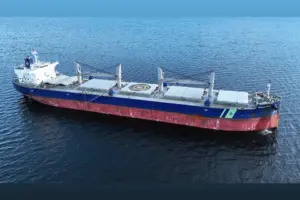
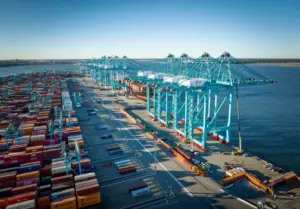
- Merchant Vessels: Encompassing container ships, bulk carriers, oil and chemical tankers, and passenger ferries. While merchant vessels generally exhibit high levels of compliance with international safety codes, the sheer scale of modern mega-ships means that when incidents do occur—such as groundings or propulsion losses in restricted waterways—the economic and environmental consequences are catastrophic.
- Fishing Vessels: Statistically the most hazardous sector. Despite comprising a fraction of the total active vessel fleet, fishing vessels account for a disproportionate share of fatalities. The 2025 metrics highlight stability failures, lack of personal flotation device (PFD) usage, and working alone as primary contributors to loss of life.
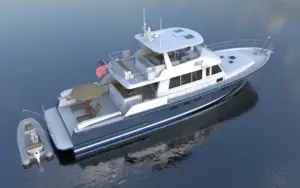
- Recreational Craft: Involving yachts, motorboats, personal watercraft, and commercial leisure operations. The post-pandemic boom in domestic staycations and water-based leisure activities has continued to generate a steady stream of search-and-rescue interventions and fatal accidents, prompting renewed calls for educational outreach regarding basic maritime safety and competency.
- Port and Harbor Craft: Tugs, workboats, and pilot boats operating in high-density environments where split-second operational errors can result in crushing injuries, capsizing, or collisions with larger merchant tonnage.
Human Factors and Systemic Vulnerabilities
A profound takeaway from the 2025 metrics is the dominance of human factors in accident causation. Over 75% of investigated incidents feature human element components, which investigators categorize not as isolated individual errors, but as systemic failures within broader organizational frameworks. Key sub-categories highlighted in the 2025 data include:
- Fatigue: Driven by reduced manning scales, rapid port turnaround times, and administrative burdens placed on ship masters and chief engineers.
- Communication Breakdowns: Often exacerbated by multinational crew configurations where English proficiency varies, leading to misunderstandings during critical bridge and engine-room operations.
- Inadequate Safety Culture: Instances where commercial pressures override standard operating procedures, leading to deferred maintenance, bypassed safety interlocks, and inadequate safety briefings for transient or contract labor onboard.
Technological Transition Risks
As the maritime industry accelerates its transition toward decarbonization and digitalization, the 2025 report captures the early operational risks associated with these changes. The introduction of alternative marine fuels—such as liquefied natural gas (LNG), methanol, and ammonia—presents novel safety hazards concerning toxicity, cryogenic freezing, and highly volatile combustion properties. Furthermore, the rapid adoption of remote monitoring and semi-autonomous navigation systems has introduced complex cybersecurity vulnerabilities and human-machine interface challenges, which feature prominently in the MAIB’s forward-looking risk assessments.
Official Statements and Institutional Perspectives
The release of the MAIB Annual Report 2025 was accompanied by commentary from key figures within the UK’s maritime administration and safety oversight bodies, reflecting the gravity of the findings and the collective resolve to drive systemic safety improvements.
In an official briefing accompanying the report’s launch, the Chief Inspector of Marine Accidents emphasized the core philosophy driving the branch’s work:
"The purpose of marine accident investigation is not to apportion blame or liability, but to learn the hard lessons of maritime tragedies and prevent their recurrence. The data contained in our 2025 Annual Report demonstrates that while our regulatory frameworks are robust, the operational realities faced by seafarers and fishermen remain punishing. We are seeing recurring patterns of fatigue, procedural shortcuts, and systemic drift. Safety is not a static state of compliance; it is an active, daily commitment that requires vigilance from the boardrooms of shipping companies down to the deck plates of every working vessel."
Industry stakeholders and representative bodies have also begun responding to the report’s specific safety recommendations. The UK Chamber of Shipping released a preliminary statement acknowledging the findings related to bridge team management and technological integration, noting:
"The insights provided by the MAIB in its 2025 report are invaluable for our ongoing efforts to modernize training and operational safety standards. Our member companies are committed to digesting these findings, reviewing current Bridge Resource Management (BRM) practices, and ensuring that technological advancements enhance—rather than complicate—the situational awareness of our watchkeepers."
Concurrently, safety advocates within the fishing community have seized upon the report’s emphasis on vessel stability and mandatory PFD wear. Representatives from fishing safety forums stressed that regulatory enforcement must be paired with financial support and practical guidance to assist independent skippers in implementing essential safety upgrades without incurring crippling economic burdens.
Future Outlook: Navigating Toward a Safer Maritime Horizon
As the maritime sector looks beyond 2025, the findings and recommendations codified in the MAIB Annual Report serve as a strategic roadmap for regulatory reform, technological adaptation, and cultural transformation. The challenges documented in the report cannot be resolved by the MAIB alone; they require a concerted, multi-stakeholder response involving shipowners, operators, training institutions, equipment manufacturers, and regulatory bodies.
Regulatory Evolution and Proactive Intervention
A central theme for the future is the shift from reactive investigation to proactive risk management. Regulators must increasingly utilize the qualitative and quantitative insights generated by the MAIB to anticipate emerging hazards before they manifest as fatal accidents. This includes updating training syllabi for deck and engineering officers to address the specific vulnerabilities highlighted in recent reports—particularly regarding the human-machine interface of complex automated systems, crisis management during alternative-fuel emergencies, and the mitigation of acute fatigue.
Fostering a Just and Resilient Safety Culture
Ultimately, the longevity of safety improvements depends upon the cultivation of a robust "Just Culture" within maritime organizations. Seafarers must feel empowered to halt operations, report near-misses, and voice safety concerns without fear of commercial retribution or punitive measures. The MAIB’s ongoing investigations continuously demonstrate that when near-misses are ignored or suppressed, catastrophic failures inevitably follow.
Media and Public Engagement
For the wider public and media organizations reporting on maritime affairs, the MAIB Annual Report 2025 provides an essential touchstone of accountability. Ensuring transparency in marine safety investigations upholds the public trust and honors those who have lost their lives at sea.
For further details, full statistical breakdowns, and access to individual accident investigation dossiers, stakeholders and members of the press are encouraged to consult the complete publication: Annual Report 2025.
Media Enquiries & Contact Information
For accredited journalists, broadcast media, and press agencies seeking further commentary, statistical clarification, or interview requests regarding the MAIB Annual Report 2025, designated press officers are available through the following official channels:
- Media enquiries during office hours (Monday to Friday, standard business hours): 01932 440015
- Media enquiries out of hours (Emergency and urgent late-breaking queries): 0300 7777878
Note: The above telephone lines are strictly reserved for media and press enquiries. General administrative queries, freedom of information requests, or the reporting of marine accidents should be directed through the standard government portal channels.