






Executive Overview
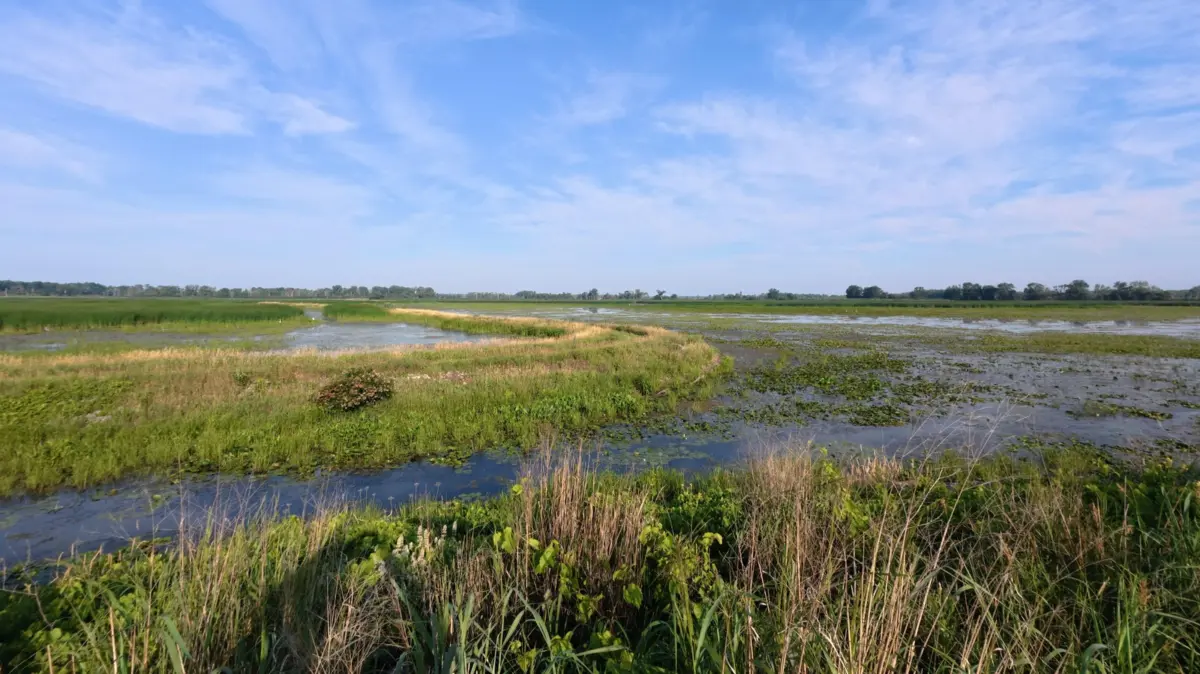
While millions of travelers traverse Michigan’s highways annually—commuting between the bustling metropolitan sprawl of Detroit and the picturesque cherry orchards and coastal dunes of Traverse City—few realize they are driving right past one of the Midwest’s most ecologically vital and visually stunning ecosystems. Nestled in the heart of the Lower Peninsula, the Shiawassee National Wildlife Refuge spans 10,000 acres of protected wetlands, sprawling marshes, dense floodplain forests, and vibrant grasslands.
Often dubbed the "Everglades of Michigan," this sprawling sanctuary is a testament to the dynamic power of ancient glaciation, which carved out millions of acres of rich wetland habitats across the Mitten State. Today, Shiawassee operates as a critical biological crossroads, serving as a haven for over 290 species of birds, countless aquatic species, and an array of terrestrial wildlife that rivals a North American safari.
Operating daily from sunup to sundown and remaining entirely free to the public, the refuge offers an immersive escape into untamed nature. Whether visitors choose to hike its winding forest paths, cast a line into its nutrient-rich rivers, navigate its calm waters by kayak, or embark on a leisurely seasonal auto tour, the refuge provides a profound connection to a pristine landscape that defies its industrial proximity.
Detailed Chronology & Historical Context
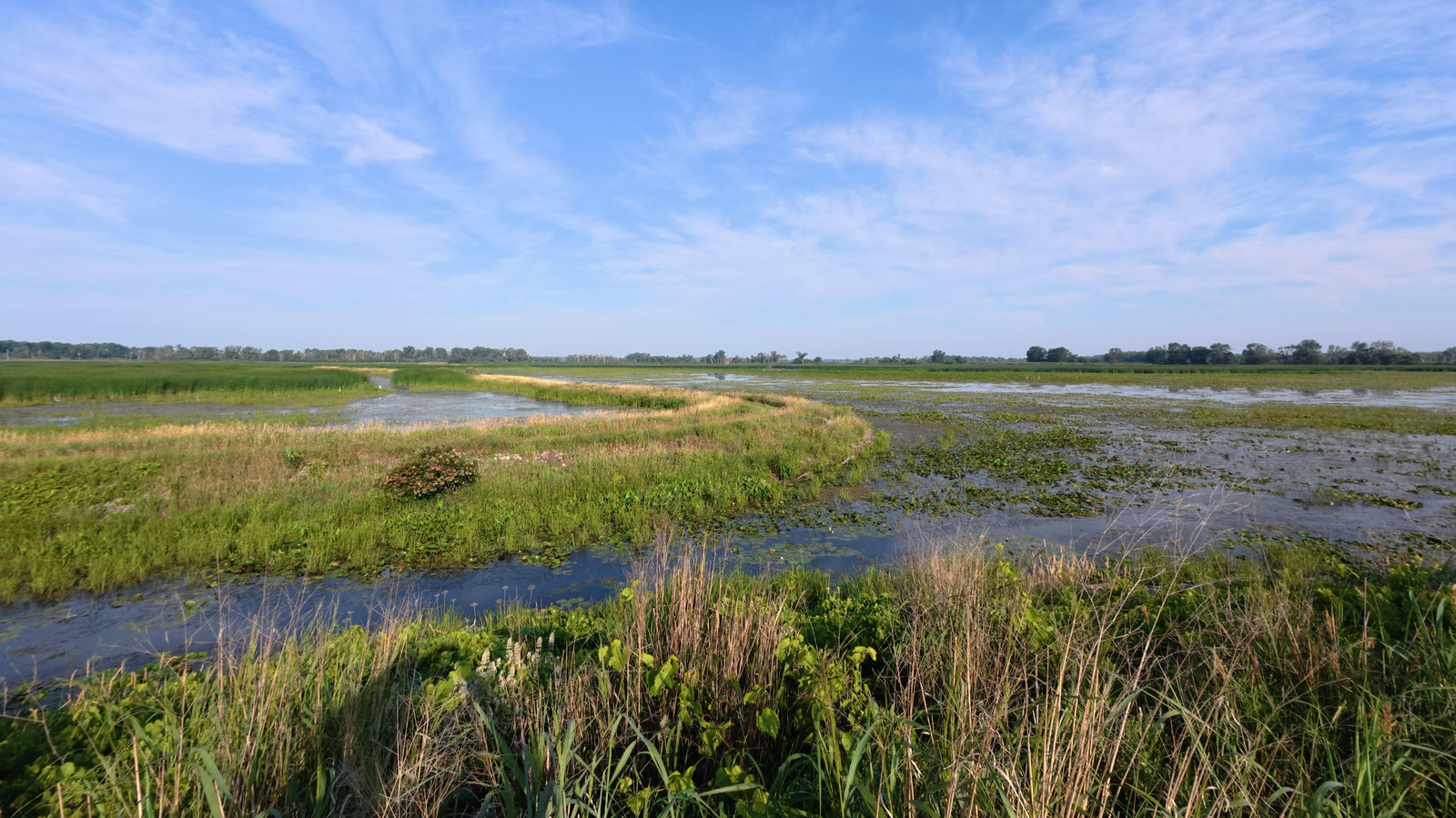
To truly understand the ecological significance of the Shiawassee National Wildlife Refuge, one must look back thousands of years to the Pleistocene epoch, when receding glaciers sculpted the Michigan basin. The resulting landscape created a massive drainage sink where four major rivers—the Shiawassee, Tittabawassee, Cass, and Flint—converge to form the headwaters of the Saginaw River before emptying into Saginaw Bay.
For centuries, this dynamic floodplain served as a crucial resource for indigenous peoples, who relied on its abundant fisheries, waterfowl, and rich soils. In the 19th and early 20th centuries, European settlement brought intense logging, agricultural draining, and industrial expansion, threatening the delicate balance of the watershed.
The turning point for the region arrived in December 1953, when the federal government officially established the Shiawassee National Wildlife Refuge. The primary objective at its inception was clear: to protect, restore, and manage a vital resting and feeding ground for migratory waterfowl along the Mississippi Flyway.

Over the subsequent decades, conservation efforts expanded significantly. Through strategic land acquisitions, cooperative partnerships with local stakeholders, and rigorous wetland restoration projects, the refuge grew from its initial acreage into the sprawling 10,000-acre sanctuary recognized today. Modern management strategies balance public recreation—such as hiking, fishing, and environmental education—with stringent habitat conservation protocols to protect sensitive species and maintain water quality across the Saginaw River watershed.
Supporting Context & Metrics
The ecological metrics and recreational offerings of the Shiawassee National Wildlife Refuge highlight its dual role as a high-value conservation asset and a premier eco-tourism destination in the Midwest.
Biodiversity and Avian Wealth
- Avian Diversity: According to comprehensive data tracked via eBird, over 290 distinct bird species have been documented within the refuge boundaries.
- Migration Patterns: In the spring, the refuge swells with colorful migratory songbirds, elegant terns, and shoreline-dwelling sandpipers. From late autumn through winter, tens of thousands of waterfowl, gulls, and raptors—including majestic bald eagles—utilize the sanctuary as a seasonal staging ground.
- Mammalian Residents: Beyond birds, the refuge hosts stable populations of white-tailed deer, red foxes, muskrats, and various reptile and amphibian species, frequently earning praise from eco-tourists as a "North American safari."
Recreational Infrastructure
- Trail Networks: The refuge features approximately 12 miles of designated hiking trails. Key routes include the 3.7-mile Shiawassee Woodland Trail on the northern side—offering immersive walks through bottomland forests—and the 4.7-mile Ferguson Bayou Trail, which treats visitors to panoramic wetland vistas via elevated observation decks.
- Aquatic Access: A dedicated boat launch provides seamless entry for both motorized and non-motorized watercraft onto navigable river channels. (Note: Interior marshes and diked waters remain strictly off-limits to protect delicate aquatic flora and fauna).
- The Seasonal Auto Tour: For visitors with mobility constraints or limited time, the refuge features a 6.5-mile, one-way gravel auto tour route. Operating annually from June 1 through September 30, this slow-paced drive allows motorists to witness an extraordinary density of wildlife from the comfort of their vehicles.
Geographic Accessibility
- Proximity to Urban Centers: Located just a few miles off Interstate 75, the refuge sits roughly 100 miles north of Detroit and the Detroit Metropolitan Wayne County Airport (DTW), and 165 miles southeast of Traverse City.
- Regional Lodging: Because the refuge operates strictly as a day-use facility with no overnight camping or lodging structures, visitors routinely utilize nearby cultural hubs. This includes the historic Bavarian-themed town of Frankenmuth and the charming, outdoor-centric city of Ithaca, both located within a short drive.
Official Guidelines & Management Protocols
Maintaining a delicate equilibrium between heavy public visitation and pristine environmental preservation requires strict adherence to federal and state regulations. Management at Shiawassee National Wildlife Refuge enforces several key policies to protect both human visitors and local wildlife:

- Access Hours and Fees: The refuge is open daily from sunrise to sunset, mirroring standard U.S. Fish and Wildlife Service protocols. Admission is entirely free, though certain seasonal restrictions apply.
- Hunting and Trail Closures: To support wildlife management initiatives and regulated outdoor sports, specific trails and areas may experience temporary closures during the autumn waterfowl and deer hunting seasons. Visitors are strongly advised to check current status alerts before planning autumn excursions.
- Angling Regulations: Fishing is permitted in open river systems—such as targeting northern pike, white bass, carp, channel catfish, and walleye in the Tittabawassee River—provided anglers aged 17 and older hold a valid Michigan state fishing license. Fishing within sensitive diked waters is strictly prohibited.
- Pet and Wildlife Safety: Domestic pets, including dogs, are strictly barred from the refuge to prevent the disruption of ground-nesting birds and native wildlife. Furthermore, federal guidelines mandate that visitors observe all animals from a respectful distance and refrain from feeding or handling any wildlife.
Future Outlook & Environmental Stewardship
As climate change, urban expansion, and agricultural runoff continue to pose challenges to Great Lakes watersheds, the long-term outlook for the Shiawassee National Wildlife Refuge centers on aggressive watershed restoration and adaptive management.
U.S. Fish and Wildlife Service officials, alongside regional conservation coalitions, are prioritizing initiatives aimed at improving water filtration capacity, expanding native tree plantings in floodplain zones, and mitigating the introduction of invasive aquatic species. Educational outreach programs are also expanding, seeking to engage the next generation of environmental stewards through partnerships with schools, eco-tour operators like Johnny Panther Quests Ecotours, and regional tourism bureaus.
Ultimately, the Shiawassee National Wildlife Refuge stands as a shining example of successful ecological conservation in the American Midwest. By safeguarding this vital wetland corridor between Detroit and Traverse City, conservationists ensure that future generations will continue to experience the wild, untamed heartbeat of Michigan’s historic waterways.