








Executive Overview
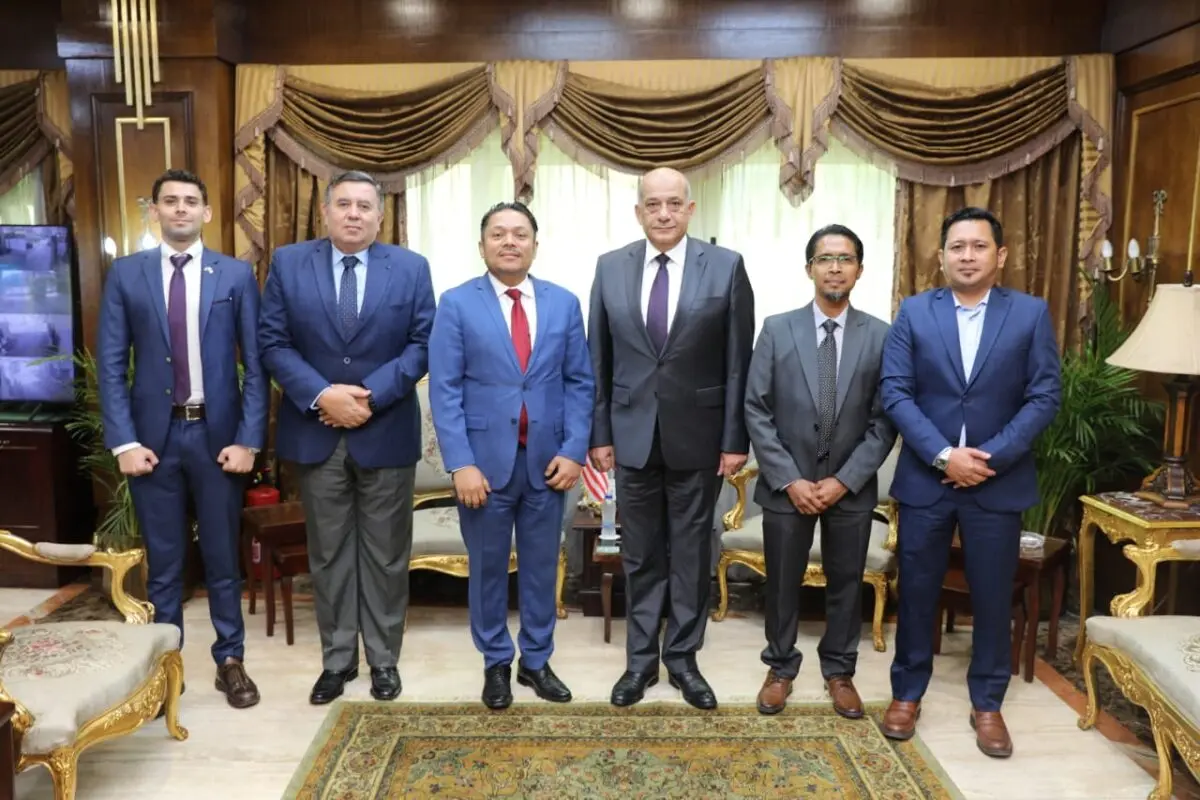
In a high-level diplomatic and economic engagement, the Alexandria Port Authority (APA) recently hosted the Malaysian Ambassador to the Arab Republic of Egypt alongside a high-ranking official delegation. The high-profile encounter served as a pivotal forum for deep-dive discussions centered on expanding bilateral cooperation across the critical sectors of maritime transport, port management, global trade, and integrated logistics.
As supply chains face unprecedented post-pandemic realignments, the meeting underscores a mutual desire by Cairo and Kuala Lumpur to harness their respective strategic geographic advantages. Egypt acts as the gateway to Africa, the Middle East, and Mediterranean Europe via the Suez Canal and its premier Mediterranean ports, while Malaysia anchors Southeast Asian trade through its commanding presence on the Strait of Malacca—one of the world’s most critical maritime chokepoints.
During the extensive talks, leadership from the Alexandria Port Authority outlined the sweeping modernization programs that have transformed the port into a high-capacity, technologically advanced trade hub. In response, the Malaysian delegation expressed keen interest in forging institutionalized partnerships, culminating in plans to draft a comprehensive Memorandum of Understanding (MoU) designed to formalize frameworks for ongoing technical collaboration, knowledge exchange, and trade facilitation. This expansive report details the chronology of the engagement, the technical capabilities showcased, the broader economic context, official perspectives, and the future outlook for Egyptian-Malaysian maritime relations.
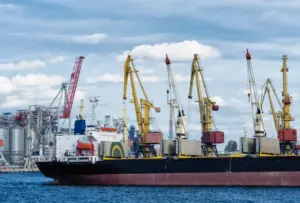
Detailed Chronology of the Diplomatic Engagement
The visit by the Malaysian diplomatic mission to the headquarters of the Alexandria Port Authority was structured to combine strategic high-level dialogues with technical evaluations of Egypt’s premier maritime gateway.
Phase One: Formal Introductions and Strategic Alignment
The day commenced with a formal reception hosted by the Chairman of the Alexandria Port Authority’s Board of Directors. Welcoming the Malaysian Ambassador and his accompanying delegates, port leadership immediately framed the discussions around the broader trajectory of Egypt-Malaysia bilateral relations. The talks quickly moved beyond diplomatic courtesies to address concrete economic synergies.
The Chairman emphasized the critical imperative of strengthening bilateral ties, noting that both nations possess complementary strengths in maritime logistics. Special attention was drawn to Malaysia’s preeminent standing in international maritime trade, facilitated by its geographic mastery of the Strait of Malacca—a vital artery through which a massive percentage of global containerized trade flows daily.
Phase Two: Technical Briefings and Infrastructure Showcases
Following the plenary discussions, the Alexandria Port Authority delivered a comprehensive technical presentation detailing the operational anatomy, capabilities, and strategic metrics of the Port of Alexandria.
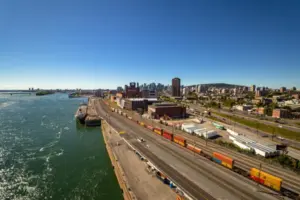
Delegates were given an in-depth walkthrough of the massive infrastructural overhauls undertaken over recent years. This included presentations on:
- Berth Enhancements: Deepening and expansion projects designed to accommodate ultra-large container vessels (ULCVs) and next-generation mega-ships.
- Terminal Modernization: The integration of automated handling systems and upgraded container yards capable of drastically reducing vessel turnaround times.
- Logistics Zones: The establishment of dedicated value-add logistics parks designed to streamline customs clearance, storage, and distribution.
- Digital Transformation: The overhaul of operational software, single-window customs processing, and port community systems that elevate transparency and efficiency.
The Malaysian delegation scrutinized these developments, recognizing parallels with their own rapid advancements in port decarbonization and automation—such as the recent commissioning of electric prime movers at the Port of Tanjung Pelepas (PTP).
Phase Three: Institutionalizing Cooperation and Actionable Next Steps
Moving from presentation to implementation, the latter half of the meeting established actionable channels for ongoing collaboration. Recognizing that bureaucratic delays often stall international agreements, both sides agreed on the necessity of establishing direct, unhindered communication channels between the Alexandria Port Authority and the Malaysian Port Authority.
To ensure accountability and sustained momentum, designated "contact points" were established on both sides. These liaison officers will be tasked with translating broad cooperative concepts into concrete operational steps. Furthermore, the Malaysian delegation formally articulated its desire to draft and sign a formal Memorandum of Understanding (MoU). This framework will serve as a legal and operational roadmap, outlining specific spheres of technical cooperation, regulatory harmonization, and joint ventures in maritime supply chain management.
Supporting Context & Metrics: Geopolitics, Geography, and Trade
To fully appreciate the significance of the Alexandria-Malaysia dialogue, one must examine the macroeconomic and geopolitical backdrop against which these negotiations occurred. Both Egypt and Malaysia occupy irreplaceable nodes in the architecture of global maritime trade.
The Strategic Weight of the Strait of Malacca
Malaysia’s geographic reality is its greatest economic asset. Flanking the Strait of Malacca, the country oversees a maritime corridor connecting the Indian Ocean to the Pacific Ocean, bridging major economies such as China, Japan, and South Korea with India, the Middle East, and Europe. Millions of barrels of oil and trillions of dollars in manufactured goods traverse these waters annually.
Because of this position, Malaysian ports—including Port Klang and the Port of Tanjung Pelepas—have evolved into hyper-efficient transshipment hubs. Malaysia’s expertise in managing high-volume, automated, and sustainable port operations makes it an invaluable partner for nations seeking to upgrade their own maritime infrastructure.
Egypt’s Gateway: The Port of Alexandria
Conversely, the Port of Alexandria handles a lion’s share of Egypt’s foreign trade, serving as the historical and economic anchor of the country’s northern coastline. As global supply chains face unprecedented volatility, Egypt has prioritized the rapid modernization of its port infrastructure to cement its status as an international logistics powerhouse.
Recent investments in the Port of Alexandria and its neighboring satellite port, El Dekheila, are part of a broader national strategy to transform Egypt into a global logistics and transit hub. By upgrading berths to handle deeper drafts and deploying state-of-the-art terminal operating systems (TOS), the port has dramatically enhanced its competitive edge in the Mediterranean basin.
Synergy in Sustainability and Efficiency
The alignment between Egypt and Malaysia also reflects a shared commitment to modernizing port logistics through technological innovation and environmental stewardship. While Alexandria focuses on expanding its physical footprint and digital single-window systems, Malaysian ports are pioneering green initiatives, such as the deployment of electric prime movers and investments in shore-power infrastructure. This technological intersection provides a rich landscape for mutual learning, where Egyptian engineers and port administrators can adopt best practices from their Southeast Asian counterparts, and vice versa.
Official Statements and Diplomatic Perspectives
The gravity of the talks was underscored by the official statements released by participating leaders, reflecting a unified vision for future collaboration.
The Alexandria Port Authority Perspective
Emphasizing the forward-looking nature of the discussions, the Chairman of the Alexandria Port Authority’s Board of Directors stated:
"Strengthening cooperation with Malaysia is a strategic necessity in today’s interconnected global economy. By drawing mutual benefit from our shared expertise in maritime transport and logistics, we can unlock unprecedented economic value. Malaysia’s pivotal role in international maritime trade, anchored by its strategic position on the Strait of Malacca, offers invaluable lessons and partnership opportunities for Egypt as we continue to elevate our own port capabilities."
The Chairman further elaborated on the transformation of Alexandria, noting that recent infrastructure investments have fundamentally altered the port’s operational capacity:
"The major development projects carried out in recent years—ranging from state-of-the-art berth upgrades and expanded terminal capacities to the digitization of our operational systems—have transformed the Port of Alexandria. We are no longer just a historical trading post; we are a high-performance, globally competitive hub for trade, transport, and logistics. This visit validates our progress and opens the door for deeper international integration."
The Malaysian Diplomatic Perspective
Echoing these sentiments, the Malaysian Ambassador to Egypt conveyed the strong enthusiasm of his government for forging deeper institutional ties with Cairo. The Ambassador noted that the discussions successfully laid the groundwork for enhanced bilateral trade, exports, and imports:
"Malaysia views Egypt as a vital anchor nation in the Middle East and North Africa. The Port of Alexandria, with its rich history and aggressive modernization trajectory, represents an ideal partner for Malaysian maritime and logistics enterprises. Our mutual interest in expanding cooperation across maritime transport, ports, and trade will yield tangible benefits for both our economies."
Addressing the roadmap for the future, the Malaysian delegation confirmed that preparations are already underway to draft an overarching bilateral agreement:
"We have expressed a clear and urgent desire to work toward a formal Memorandum of Understanding. This MoU will not merely be a symbolic document; it will outline precise frameworks, operational guidelines, and designated areas for joint cooperation, ensuring that our partnership translates into sustained economic growth and technical excellence."
Future Outlook: Translating Dialogue into Action
The conclusion of the diplomatic visit marks not an end, but a beginning. The immediate focus for both the Alexandria Port Authority and the Malaysian authorities shifts to the execution of the initiatives agreed upon during the meetings.
1. Finalization of the Memorandum of Understanding (MoU)
Legal and technical teams from both nations are expected to commence drafting the MoU in the coming months. This document will establish the formal parameters for ongoing cooperation, setting clear benchmarks for joint ventures, technology transfers, and regulatory alignment.
2. Operationalizing Contact Points
The newly established direct communication channels and designated "contact points" will soon begin active coordination. These channels will facilitate real-time information sharing regarding port operations, customs efficiencies, and logistics management, minimizing friction in cross-border trade.
3. Boosting Bilateral Trade and Investment
By smoothing the logistical pathways between Alexandria and Malaysian ports, businesses in both countries stand to benefit from reduced transit times, lower operational costs, and streamlined import-export procedures. This is expected to stimulate a measurable increase in bilateral trade volume, particularly in manufactured goods, agricultural products, and raw materials.
4. Technical Exchanges and Training Programs
Future iterations of this partnership are expected to include joint training workshops, technical exchanges between port engineers, and collaborative research initiatives focused on port decarbonization, smart logistics, and digital customs integration.
Conclusion
The high-level engagement between the Alexandria Port Authority and the Malaysian Ambassador to Egypt represents a watershed moment for both nations’ maritime sectors. By fusing Egypt’s strategic Mediterranean gateway with Malaysia’s powerhouse expertise in Southeast Asian shipping and logistics, the two countries are constructing a resilient, future-proof bridge for international commerce. As the forthcoming Memorandum of Understanding takes shape and operational contact points swing into action, the partnership promises to set a new benchmark for bilateral maritime cooperation in the 21st century.
For further information regarding ongoing developments, infrastructure maps, and operational guidelines, please visit the official Alexandria Port Authority portal at https://apa.gov.eg/en/.