







PUBLISHED: August 20, 2026
AUTHOR: Maritime Security & Investigative Desk
SOURCE: Marine Accident Investigation Branch (MAIB) / UK Government
Executive Overview
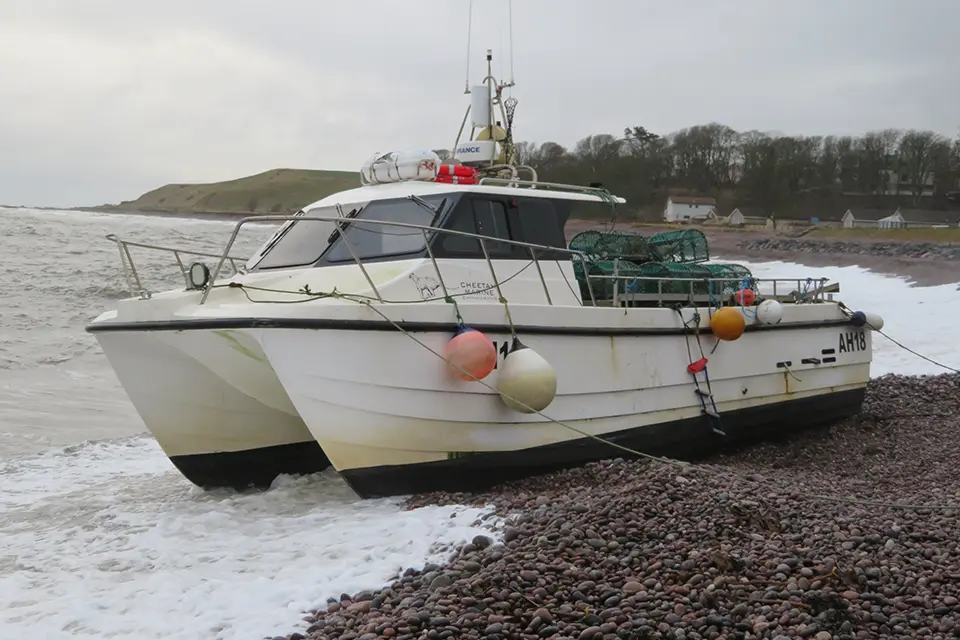
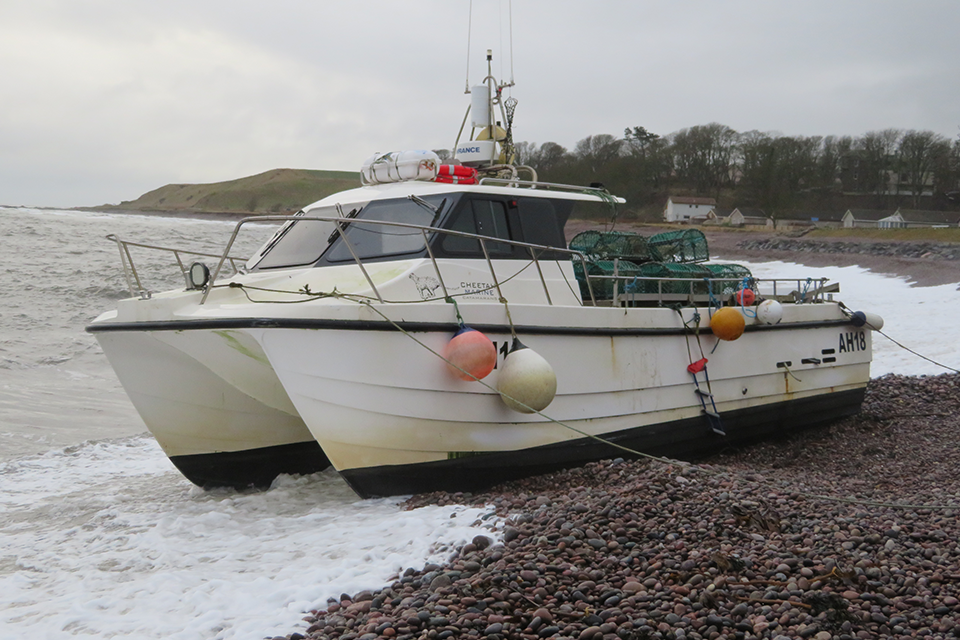
In a stark reminder of the persistent and unforgiving dangers inherent in commercial maritime trades, the Marine Accident Investigation Branch (MAIB) has officially released its comprehensive investigation report concerning a fatal accident off the coast of Scotland. The incident, which occurred on December 20, 2025, involved the lone-operated creel fishing vessel Sea Eagle (registered as AH18), operating approximately south-east of Montrose.
The voyage, like thousands of others undertaken daily by independent fishermen across the British Isles, turned catastrophic when the sole crewmember went overboard into the freezing North Sea. Despite subsequent emergency search and rescue operations, the incident resulted in one presumed fatality, leaving a stark void in the local fishing community and igniting renewed urgency regarding the safety protocols, technological safeguards, and operational risks associated with single-handed fishing operations.
The MAIB’s newly published findings delve deep into the mechanical, human, and environmental factors that converged to create the fatal sequence of events aboard the Sea Eagle. By dissecting the operational realities of lone-operated creel fishing, the report seeks not only to establish the precise factual narrative of December 20 but also to issue critical safety recommendations aimed at preventing similar tragedies in an industry that consistently ranks among the most hazardous professions globally.
Detailed Chronology of the Incident
While the official MAIB report provides an exhaustive technical breakdown of the sequence of events, public disclosures and preliminary findings outline the operational framework surrounding the final voyage of the Sea Eagle on December 20, 2025.
Pre-Departure and Operational Setting
Operating as a lone-hand creel fishing vessel places unique and intense physiological and psychological demands on a master. Creel fishing—the practice of catching shellfish such as crabs and lobsters using baited traps or pots—requires relentless physical exertion. Hauling heavy ropes, wrestling water-logged creels onto the deck, sorting catches, and resetting gear must be managed continuously, often in cramped, unstable, and slippery working environments.
On the morning of December 20, the Sea Eagle departed its port to work grounds located south-east of Montrose. Sea conditions, typical for the North Sea during the deep winter months, presented cold ambient temperatures, brisk winds, and a choppy swell. As a single-operator vessel, the skipper was entirely responsible for navigation, vessel upkeep, and the grueling deck operations required to service the string of creels.

The Critical Window and the Man Overboard Event
The exact moments leading to the operator entering the water remain a core focus of the MAIB’s investigative reconstruction. In lone-operator scenarios, the absence of witnesses transforms the reconstruction process into an intricate forensic puzzle, relying heavily on vessel tracking data, mechanical examination of deck machinery, automated identification systems (AIS), and the recovery state of safety equipment.
It is understood that during the retrieval or deployment phase of the fishing gear, an event occurred—likely involving snagged gear, an unexpected shift in vessel stability, or a momentary loss of footing—that precipitated the man overboard situation. Because the vessel was operating with a crew of one, there was no immediate onboard witness to sound an alarm, throw a lifebuoy, or execute an immediate man-overboard maneuver (such as bringing the vessel to a halt or executing a Williamson turn).
The Emergency Response
The alarm was eventually raised when the Sea Eagle failed to return at its expected time, or when anomalous vessel behavior alerted shore-based contacts or HM Coastguard monitoring systems. A coordinated search and rescue (SAR) operation was swiftly launched, mobilizing lifeboats from the Royal National Lifeboat Institution (RNLI), rescue helicopters equipped with thermal imaging capabilities, and surrounding commercial and fishing vessels operating in the Montrose sector.
Despite extensive sweeps of the designated search area, factoring in tidal streams, wind leeway, and water temperature models, the missing operator was not recovered. Given the hostile thermal conditions of the North Sea in December and the elapsed time since the incident, the operation transitioned from a rescue mission to a recovery effort, ultimately concluding with one presumed fatality. The psychological impact of the loss reverberated immediately through the tight-knit Scottish fishing ports along the Angus and Aberdeenshire coastlines.
Supporting Context & Metrics: The Perils of Single-Handed Fishing
To fully contextualize the tragedy aboard the Sea Eagle, it is necessary to examine the broader statistical landscape of commercial fishing safety in the United Kingdom, particularly regarding single-handed operations and man-overboard (MOB) incidents.
The Vulnerability of Lone Operators
According to data compiled by maritime safety authorities and occupational health organizations, commercial fishing remains statistically the most dangerous civilian occupation in the UK. Within this sector, vessels operated by a single person represent a uniquely vulnerable category.
- Absence of Immediate Intervention: If a crewman falls overboard on a multi-person vessel, immediate shouts and alarms can prompt an instant response. For a lone operator, once they clear the deck, there is typically no one left on board to stop the engine, radio for help, or deploy immediate flotation.
- Fatigue and Ergonomics: Single operators routinely push physical boundaries to maximize catch yields during favorable weather windows. Chronic fatigue significantly impairs reaction times, balance, and cognitive decision-making—vital defenses against slips, trips, and falls on slick decks.
- Deck Layouts and Gear Handling: Many smaller creel vessels are retrofitted or packed tightly with hauling winches, hydraulic haulers, and stacking creels. These configurations often leave minimal clearance, increasing the likelihood of entanglement in ropes or striking obstacles during a fall.
Statistical Overview of Man Overboard Incidents
Man overboard incidents are among the leading causes of fatalities in the commercial fishing industry. Historical data from the MAIB and the Maritime and Coastguard Agency (MCA) reveals several recurring trends:
- Low Wear Rates of Personal Flotation Devices (PFDs): Despite regulatory improvements and safety campaigns, a significant percentage of fishermen still do not routinely wear inherently buoyant PFDs or modern automatic lifejackets while working on deck, frequently citing discomfort, heat, or the risk of snagging on gear.
- Re-boarding Impossibility: Even if a fisherman survives the initial shock of entering cold water, re-boarding a commercial fishing vessel unaided is exceptionally difficult. High freeboards, lack of boarding ladders deployed in the water, and heavy, water-logged clothing quickly exhaust even physically fit individuals.
- Cold Water Shock: Water temperatures in UK coastal waters during December plummet into single digits. Cold water shock causes involuntary gasping, hyperventilation, and rapid incapacitation, often rendering a person unable to swim or activate emergency beacons within minutes.
Official Statements and MAIB Report Findings
The publication of the Sea Eagle investigation report by the MAIB marks a critical step toward understanding the mechanical and operational failures that allowed this tragedy to occur.
Overview of the MAIB Report
The statutory purpose of MAIB investigations is not to apportion blame or liability, but rather to determine the circumstances and causes of marine accidents with the aim of preventing future occurrences. The report on the Sea Eagle (AH18) provides a meticulous step-by-step analysis of the vessel’s configuration, the nature of the creel gear being handled, the environmental conditions at the time, and the human factors involved.
The full document, publicly accessible via the official government portal, outlines specific safety recommendations directed at commercial fishermen, vessel owners, equipment manufacturers, and regulatory bodies.
Key Areas Addressed in the Investigation:
- Vessel Stability and Deck Safety: Evaluating how the physical layout of the Sea Eagle contributed to the operational risks faced by a lone operator.
- Emergency Signaling and Man Overboard Alarms: Analyzing whether the vessel was equipped with automated engine cut-off switches, personal locater beacons (PLBs), or crew-overboard alarm systems that could have alerted authorities or halted the vessel immediately.
- Risk Assessment and Safe Working Practices: Reviewing the adequacy of guidance available to single-handed skippers regarding when to cease operations due to weather or fatigue.
Official Guidance and Media Contact Information
For journalists, maritime stakeholders, and members of the public seeking further details regarding the report or broader maritime safety statistics, the MAIB has established dedicated communication channels:
- Report Access: The complete investigation document can be accessed directly online via the GOV.UK MAIB Reports Portal.
- Media Enquiries (Office Hours): 01932 440015
- Media Enquiries (Out of Hours): 0300 7777878
- Governing Body: Marine Accident Investigation Branch, an independent operating division of the Department for Transport.
Future Outlook: Industry Reform and Technological Safeguards
The loss of the Sea Eagle’s operator and the subsequent publication of the MAIB report have reignited urgent conversations across the maritime sector regarding how to modernize safety standards for small-scale and single-handed commercial fishers.
Technological Innovations in MOB Prevention
As the industry grapples with persistent fatality rates, technological solutions tailored specifically for lone operators are gaining prominence:
- Wireless Engine Kill Switches: Modern systems utilize wearable fobs or electronic pendants worn by the skipper. If the wearer is immersed in water or moves beyond a specific radio-frequency perimeter away from the console, the engine automatically shuts down, preventing the vessel from steaming away and leaving the survivor miles behind.
- Integrated Personal Locator Beacons (PLBs): Compact AIS-enabled or DSC-VHF tracking beacons integrated directly into modern PFDs can instantly transmit a distress signal and precise GPS coordinates to the vessel’s receiver and nearby shipping traffic the moment the wearer enters the water.
- Remote Monitoring and ‘Dead Man’ Systems: Timed check-in systems that require the skipper to tap a console at regular intervals can sound a local or remote alarm if ignored, signaling a potential crisis.
Cultural and Regulatory Shifts
Technology alone, however, cannot resolve the systemic pressures facing independent fishermen. Economic realities—including fluctuating market prices for shellfish, rising fuel costs, and stringent quota management—frequently compel independent skippers to work longer hours, in worse weather, and without the safety buffer of extra crew.
Industry advocacy groups, safety charities (such as the Fishermen’s Mission), and government regulators are increasingly emphasizing the need for:
- Enhanced Safety Training: Expanding mandatory safety drills, sea-survival courses, and practical man-overboard recovery training specifically tailored for solo operators.
- Financial Subsidies for Safety Gear: Encouraging wider adoption of PFDs and electronic tracking devices through grants and subsidized equipment programs.
- Mental Health and Fatigue Management: Addressing the psychological dimensions of isolation in single-handed fishing, where stress and fatigue directly correlate with operational errors.
Conclusion
The MAIB report on the Sea Eagle is far more than a bureaucratic post-mortem; it is a solemn documentation of risk, vulnerability, and the high human cost of harvesting the sea. As the Scottish fishing community and maritime authorities digest the lessons of December 20, 2025, the ultimate measure of the report’s value will be found in its ability to drive meaningful change—ensuring that technological safeguards, cultural awareness, and rigorous safety practices combine to protect the brave men and women who make their livelihood on the water.