








Executive Overview
New York City’s hospitality sector is no stranger to monumental events, blockbuster entertainment tours, and global spectacles. Yet, as the calendar turns toward the final stretch of the year, the city finds itself riding a tourism wave unlike any other in recent memory. Following a summer defined by global athletic tournaments, historic hometown sports triumphs, and the inescapable cultural phenomenon of major pop-culture milestones, the five boroughs are preparing for their next great economic catalyst.
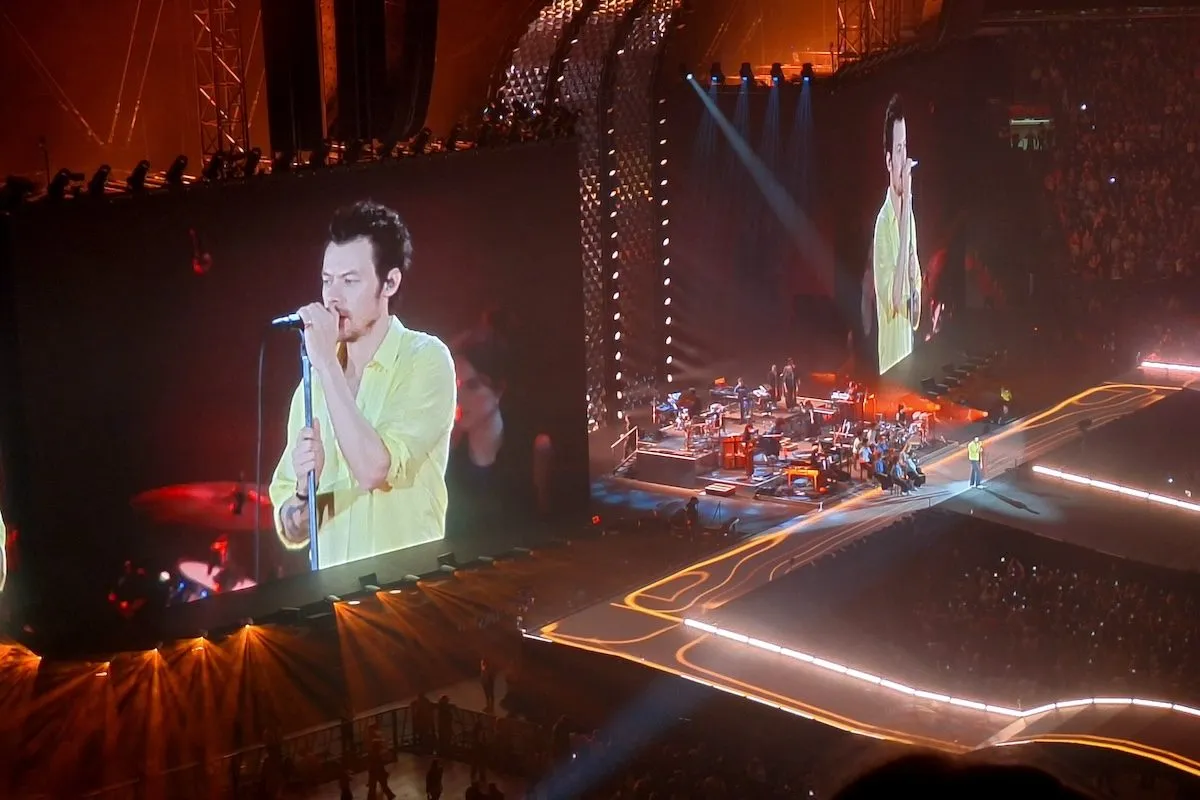
Beginning August 26, global pop icon Harry Styles will launch a staggering 30-show residency at Madison Square Garden. Titled the "Together, Together" tour, this multi-month engagement will anchor the city’s cultural landscape for two solid months. While international mega-tours like Taylor Swift’s historic Eras Tour have rewritten the playbook on how live entertainment can stimulate local economies on a planetary scale, Styles’ extended New York residency offers a different, highly strategic kind of financial injection. Rather than a fleeting weekend of sold-out stadiums followed by an immediate exodus, a 30-show residency creates a sustained, compounding ripple effect across the city’s hotels, short-term rentals, food and beverage industries, and retail ecosystems.
According to hospitality analysts, this late-summer and early-fall surge arrives at a time when New York City’s tourism metrics are already operating at enviable levels. High occupancy rates, robust Average Daily Rates (ADR), and surging Revenue Per Available Room (RevPAR) point to a destination that has not only fully recovered from the post-pandemic slump but is consistently setting new performance benchmarks. In this deep-dive report, we examine the macroeconomic landscape of New York’s travel sector, trace the operational roadmap of the upcoming residency, analyze industry metrics provided by leading market analytics firms, and evaluate what a cultural event of this magnitude means for the future of urban tourism and live entertainment residencies.
Detailed Chronology: The Summer of Spectacles and the Road to Madison Square Garden
To understand the weight of Harry Styles’ upcoming residency, one must first view it within the context of an extraordinary seasonal timeline. The summer season in New York City has historically been characterized by a slight cooling in business travel, offset by family vacations and leisure tourism. However, the current year shattered conventional seasonal patterns, transforming the city into a continuous epicenter of global attention.
A Summer Like No Other
The season opened with major international athletic contests capturing the eyes of millions, drawing global sports enthusiasts to local watering holes, sports lounges, and temporary fan zones. Shortly thereafter, the city experienced a collective euphoria unseen in decades when the New York Knicks captured a landmark championship title. The ensuing ticker-tape parades and neighborhood celebrations infused billions of dollars into the local economy, driving downtown retail sales, restaurant reservations, and hotel bookings to dizzying heights.
Barely had the championship confetti been swept from the canyons of Lower Manhattan before cultural headlines shifted toward high-profile entertainment milestones, including widely publicized celebrity weddings and high-fashion galas that kept the city’s luxury hospitality sector operating at or near full capacity.
The Global Trajectory of the "Together, Together" Tour
Against this backdrop of continuous celebration, Harry Styles prepares to bring the "Together, Together" tour to North America. The routing has been nothing short of ambitious. Before touching down in Manhattan, Styles and his production crew traversed international waters, headlining massive, sold-out engagements in cultural capitals such as Amsterdam, London, São Paulo, and Mexico City. Each international stop served as a testbed for the production’s intricate stage design, immersive audience interaction points, and sustainability-focused touring initiatives.

However, the New York leg represents the crown jewel of the entire global routing. A 30-show residency at "The World’s Most Famous Arena" is a rare logistical and artistic feat. Spanning August 26 through late October, the residency format transforms Styles from a touring visitor into a temporary New Yorker. This distinction is vital for the local tourism economy: it shifts fan behavior from rapid-fire, one-night-only travel to extended vacation planning, multi-night hotel stays, and deeper exploration of local neighborhoods, culinary hotspots, and retail districts.
Supporting Context & Metrics: Decoding the Numbers Behind the Boom
To gauge the true financial impact of an event like the Madison Square Garden residency, industry experts look past the glittering lights of the stage and deep into the cold, hard data of hotel analytics, short-term rental booking windows, and macroeconomic hospitality indicators.
The State of New York’s Hospitality Market
New York City’s hotel industry has navigated immense structural shifts over the past several years, ranging from legislative crackdowns on illegal short-term rentals to shifting patterns in corporate business travel. Yet, the resilience of the market has consistently outperformed national averages.
Didio Pequeno, CoStar’s director of hospitality market analytics, notes that the fundamentals of the city’s tourism engine are remarkably strong. "New York’s had a very strong year anyway," Pequeno observed. "Occupancy is pretty high. ADR [average daily rate] is pretty high. RevPAR [revenue per available room] is really high. So I think this could just potentially add to that."
To contextualize Pequeno’s assessment, year-to-date performance indicators across Manhattan and the outer boroughs reveal several critical trends:
- Occupancy Rates: Consistently hovering in the upper 80s to low 90s percentage range during peak weeks, signaling robust baseline demand from both domestic leisure travelers and international visitors returning in full force.
- Average Daily Rate (ADR): Luxury and upper-upscale properties continue to command premium rates, driven by high-net-worth international tourists and major corporate events.
- Revenue Per Available Room (RevPAR): This benchmark metric, which combines occupancy and pricing power, has surged past pre-2019 baseline figures in real-dollar terms, proving that New York remains a high-yield destination for hospitality operators.
The Eras Tour Comparison: Scale vs. Sustainability
In any discussion regarding modern concert economics, comparisons to Taylor Swift’s historic Eras Tour are inevitable. The Eras Tour established a new economic paradigm for live music, boasting 149 shows spread across 51 cities and generating an estimated $5 billion in global economic impact. Individual cities reported single-weekend windfalls rivaling the hosting of a Super Bowl.
While Harry Styles’ 30-show residency does not match the sheer geographic footprint or the multi-billion-dollar cumulative macro-impact of a global stadium tour of that magnitude, hospitality strategists argue that a multi-week residency offers a superior structural benefit to the host city itself.
Stadium mega-tours often create massive, short-term spikes that overwhelm local infrastructure, drive hotel prices to unsustainable peaks for casual travelers, and cause immediate post-event valleys when the crowds depart en masse. Conversely, a 30-show residency distributed over two months acts as a steady economic drumbeat. It stabilizes weekday hotel occupancy—traditionally a softer period for leisure travel—and allows boutique hotels, Airbnb and short-term rental operators, restaurants, and Broadway box offices to forecast steady revenue streams rather than bracing for chaotic, single-weekend shocks.
Official Statements and Industry Insights
As preparations for the opening night on August 26 accelerate, stakeholders across the tourism, hospitality, and entertainment sectors have shared their perspectives on what this unprecedented run means for the local economy.
Perspectives from Market Analytics
Industry insiders emphasize that large-scale residencies are no longer reserved strictly for legacy acts in Las Vegas. Modern pop superstars like Harry Styles have demonstrated that urban centers with robust public transit, vibrant arts scenes, and dense hotel networks can successfully support extended residencies.
"When you look at a 30-date run at a venue like Madison Square Garden, you are looking at hundreds of thousands of ticket buyers, a significant percentage of whom will travel from outside the tri-state area," noted a senior tourism development consultant based in Manhattan. "These travelers require lodging, dining, ground transportation, and entertainment. When you stretch that demand over two months, you alleviate the strain on municipal services while maximizing the financial yield for local businesses."
The Venue Advantage: Madison Square Garden’s Operational Mastery
Operating 30 shows within a two-month window requires a monumental logistical effort from Madison Square Garden’s executive and operational teams. Nestled atop Penn Station, the venue’s unique midtown location acts as a natural funnel for regional rail commuters and subway riders, making it one of the most accessible arenas in the world.
MSG venue operators have spent months coordinating crowd-control protocols, VIP hospitality packages, and merchandise distribution networks designed to handle the influx of tens of thousands of dedicated fans nightly. This operational efficiency ensures that the economic benefits of the concerts bleed directly into the surrounding Midtown South commercial district—bolstering foot traffic for pre-show dinners, post-concert cocktail lounges, and late-night retail operations.
Future Outlook: The Evolution of Urban Tourism and Live Entertainment
As New York City closes the book on a phenomenal summer and transitions into the autumn tourism season, the success of the Harry Styles residency will likely serve as a blueprint for future entertainment-driven economic strategies.
The Rise of the Urban Residency Model
The traditional touring model—where an artist plays one or two nights in a city before packing up and moving to the next—is increasingly being evaluated against the environmental, physical, and financial tolls it takes on artists and crew members. Extended residencies in major global hubs like New York, London, and Tokyo offer a sustainable alternative.
For cities, leaning into the residency model represents a sophisticated evolution in destination marketing. Instead of relying solely on convention centers, corporate trade shows, or traditional holidays to drive hotel bookings, tourism boards can partner with major entertainment conglomerates to position the city as a premier destination for live arts consumption.
Economic Sustainability Moving Forward
Looking ahead, municipal leaders and hospitality executives are already analyzing how to replicate this momentum into the winter holiday season and the subsequent year. With major infrastructure projects continuing to improve transit connectivity and hotel development pipelines remaining active across Brooklyn, Queens, and Manhattan, New York City’s capacity to absorb large-scale cultural events is greater than ever.
The "Together, Together" tour will eventually pack up its staging and move on, but the economic legacy of its 30-night run at Madison Square Garden will endure. It will be measured not just in millions of dollars of added RevPAR or incremental hotel occupancy points, but in the reaffirmation of New York City’s status as the undeniable capital of global entertainment and cultural resilience. As Didio Pequeno aptly noted, events of this caliber do not redefine a strong market—they elevate it to extraordinary heights.