






Executive Overview
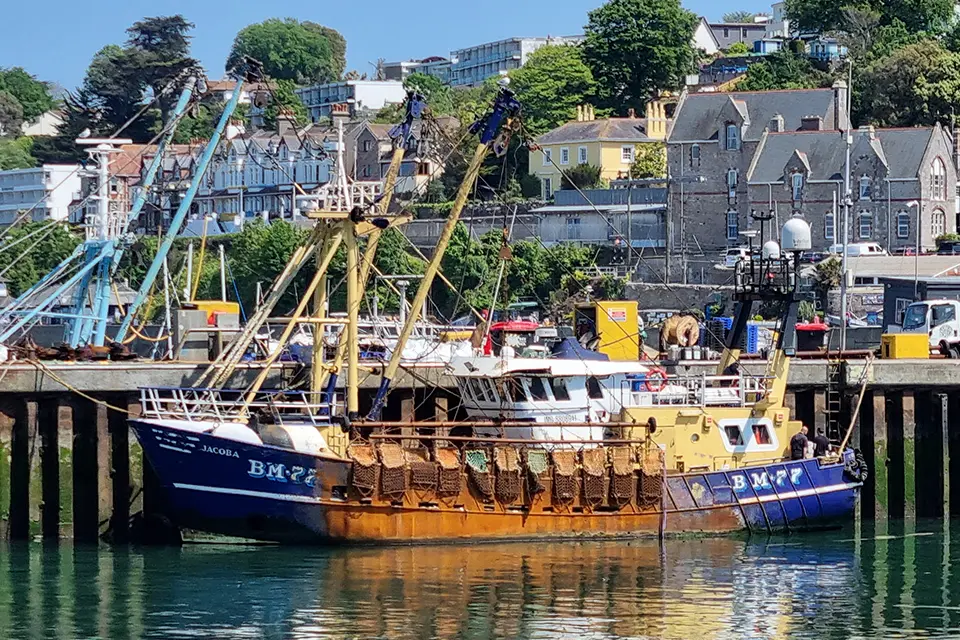
Maritime safety regulators have released a comprehensive and sobering accident investigation report detailing the severe injury of a crew member aboard the UK-registered scallop dredger Jacoba (BM77). The incident, which occurred on May 10, 2025, unfolded approximately 29 nautical miles south-south-east of Beachy Head off the southern coast of England. While commercial fishing remains one of the most perilous occupations globally, this event underscores the relentless hazards inherent in deck operations, particularly involving heavy mechanical gear such as scallop dredges, winches, and high-tension tow lines.
The Marine Accident Investigation Branch (MAIB) formally published its investigative findings today, aiming to dissect not merely the mechanical or human failures that precipitated the injury, but the systemic operational realities that allowed the accident to occur. The full report provides an exhaustive reconstruction of the events leading up to the trauma, catalogs the immediate emergency response measures executed by the vessel’s master and crew, and outlines vital safety recommendations designed to prevent similar tragedies across the domestic and international fishing fleets.
Accompanying the primary report is a targeted safety flyer directed specifically at commercial fishing operators, vessel owners, skippers, and deckhands. This supplementary material focuses on core lessons regarding crew familiarization, hazard identification, and risk mitigation. By making these findings public, the MAIB seeks to foster a culture of transparent accountability and proactive safety management within an industry where complacency can have life-altering or fatal consequences.

Detailed Chronology: The Events of May 10, 2025
Pre-Incident Operations and Environmental Conditions
On the morning of May 10, 2025, the scallop dredger Jacoba (BM77) was actively engaged in fishing operations in the English Channel, situated roughly 29 nautical miles south-south-east of Beachy Head. The vessel was operating in an area known for productive scallop grounds, a seabed environment that requires intensive deployment and retrieval of heavy steel dredges equipped with heavy-duty tooth bars and chain bags.
Weather and sea conditions at the time of the incident were characteristic of the region for late spring, featuring moderate sea states and manageable wind conditions that did not immediately preclude normal fishing operations. However, the operational tempo on board a commercial scallop dredger is notoriously relentless. Crew members frequently work long, physically demanding shifts under high-pressure conditions, managing massive mechanical loads on wet, moving decks.
The Critical Incident
While the vessel was in the process of shooting, towing, or hauling its heavy gear—an intricate choreography involving winches, derricks, warps, and heavy metal frames—a critical breakdown in operational safety occurred. Although the MAIB report reserves specific narrative nuances for the full technical document, investigations into such incidents typically reveal a sudden release of stored mechanical energy, unexpected shifts in heavy gear, or an unintended entrapment of personnel within the danger zones of working machinery.
On this occasion, a crew member suffered severe physical trauma. The exact nature of the injury involved significant mechanical impact and crush forces, highlighting the extreme vulnerability of deckhands working in close proximity to unyielding steel equipment and high-tension rigging. The suddenness of the event left little time for preemptive evasion, catching the crew member before safety barriers or emergency stops could be effectively engaged.
Emergency Response and Medical Evacuation
Immediately following the accident, the master of the Jacoba and the surviving crew members initiated emergency protocols. The vessel’s operations were halted instantaneously, and the injured crew member was assessed for life-threatening injuries. Given the vessel’s position—nearly 30 miles off the English coast—direct land-based medical intervention was impossible without external maritime or aerial assets.
The skipper established emergency communication with Her Majesty’s Coastguard (HMCG), transmitting a distress or urgent medical assistance relay. Maritime rescue coordination centers promptly mobilized emergency response assets, likely dispatching a search and rescue (SAR) helicopter to execute a medical evacuation (medevac) from the deck of the moving or hove-to vessel. The logistical complexity of winching a casualty from the deck of a commercial fishing vessel in open water demands precision from both the vessel crew and the aviation team.
The injured crew member was successfully transferred to the helicopter and airlifted to a specialized trauma center on the mainland for urgent surgical and medical intervention. While the immediate emergency response successfully stabilized the individual, the psychological and physical fallout of the accident reverberated deeply through the vessel’s complement and the broader fishing community.
Supporting Context & Metrics: The Human and Economic Toll of Commercial Fishing
The Perils of Scallop Dredging
Scallop dredging is widely recognized as one of the most hazardous sectors within the commercial fishing industry. The operational mechanics require vessels to tow heavy steel frames across the seabed, scraping up scallops while accumulating rocks, debris, and heavy sediments. Once hauled aboard, this catch must be sorted, shucked, and processed, often while the vessel rolls in unpredictable sea states.
The primary hazards associated with scallop dredging include:
- Heavy Machinery and Rigging: The constant movement of steel dredges weighing hundreds of kilograms, suspended from derricks and controlled by powerful winches, creates continuous crush and struck-by hazards.
- High-Tension Lines: Warps and towing wires operate under immense mechanical tension. A parted line can release catastrophic whip-lash energy capable of demolishing bulkheads or inflicting fatal injuries.
- Fatigue and Ergonomics: The grueling shift patterns required to maximize catch quotas lead directly to acute and chronic fatigue, impairing cognitive function, reaction times, and situational awareness.
- Slip, Trip, and Fall Hazards: Decks are routinely contaminated with seawater, slime, mud, and heavy catch, creating treacherous footing for crew members moving swiftly around dangerous machinery.
Statistical Overview of Fishing Safety in the UK
The MAIB and the Maritime and Coastguard Agency (MCA) continually monitor safety metrics across the UK fishing fleet. Despite incremental improvements in vessel design, mandatory safety training, and regulatory oversight, commercial fishing consistently records fatality and serious injury rates disproportionately higher than almost any other industrial sector.
| Metric Category | Industry Trend Context |
|---|---|
| Fatality Rates | Consistently remains 10 to 20 times higher than the UK construction sector. |
| Common Accident Types | Man overboard, crushing injuries during shooting/hauling, and slip/trip incidents. |
| Primary Contributing Factors | Fatigue, lack of formal familiarization, inadequate maintenance, and poor risk assessment. |
| Regulatory Compliance | Ongoing transition toward stricter mandatory safety management systems for smaller vessels. |
The incident aboard the Jacoba (BM77) serves as a stark reminder that even well-maintained vessels operated by experienced crews remain vulnerable to the unforgiving physics of maritime harvesting.
Official Statements and Regulatory Intervention
Key Findings of the MAIB Report
The published MAIB investigation into the Jacoba incident delves into the root causes of the accident, evaluating not just the physical moment of impact, but the operational culture, procedural adherence, and communication frameworks on board the vessel. While comprehensive investigations take months to compile, analyze, and peer-review, the resulting document emphasizes several recurring systemic themes:
- The Criticality of Crew Familiarization: A major finding centers on how well new or rotating crew members are integrated into the vessel’s daily routines, emergency protocols, and specific mechanical hazards. Unfamiliarity with a vessel’s layout or the idiosyncrasies of its winching gear drastically elevates accident risks.
- Operational Safety Barriers: The investigation scrutinized the physical and procedural safeguards in place during heavy lifting and hauling operations, assessing whether adequate barriers existed to keep personnel clear of danger zones.
- Communication and Team Resource Management (TRM): Effective coordination between the skipper in the wheelhouse and the deckhands working the gear is paramount. The report evaluates whether communication breakdowns contributed to the timing of the machinery’s movement.
The Industry Safety Flyer
Recognizing that waiting for a full report to circulate can delay vital safety interventions, the MAIB has concurrently published a dedicated safety flyer to the fishing industry. This concise, high-impact document highlights the primary lessons learned from the Jacoba investigation.
The flyer places special emphasis on:
- Structured Induction Processes: Urging vessel owners and skippers to implement formal, documented familiarization checklists for every crew member joining a vessel, regardless of their prior experience.
- Hazard Awareness Training: Ensuring that all hands can readily identify pinch points, snag hazards, and zones of high mechanical energy on deck.
- Risk Mitigation Culture: Empowering junior crew members to pause operations if they perceive an immediate safety hazard without fear of reprisal or economic penalty.
Future Outlook: Raising the Bar for Maritime Safety
Implications for Vessel Owners and Skippers
The findings of the Jacoba investigation carry profound legal, financial, and operational implications for the wider fishing community. Vessel owners and skippers can no longer rely on informal, word-of-mouth training regimes. Regulatory bodies are increasingly holding management accountable for establishing robust safety management systems (SMS) tailored to the specific operational profile of their vessels.
Moving forward, the industry must embrace:
- Enhanced Engineering Safeguards: Retrofitting older vessels with modern emergency shut-off systems, physical guarding around winches, and remote-control operations where feasible to remove workers from the immediate line of fire.
- Mandatory Rest Compliance: Strictly enforcing work-rest hours to combat the insidious effects of fatigue on deck safety.
- Continuous Professional Development: Integrating regular safety drills—specifically addressing deck emergencies and medical evacuations—into routine voyage planning.
The Role of the MAIB and Regulators
The MAIB’s mandate is strictly non-punitive; its sole objective is to determine the circumstances and causes of marine accidents with the aim of preventing future occurrences. However, the publication of reports like the one concerning the Jacoba provides crucial evidence for the MCA and international maritime organizations to tighten regulations, update guidance codes, and target enforcement resources toward high-risk sectors.
As the commercial fishing industry navigates economic pressures, fluctuating fish stocks, and evolving environmental regulations, the paramount message from the Jacoba incident is clear: no catch, regardless of market value, is worth the life or physical well-being of a crew member. The implementation of the MAIB’s recommendations will be a critical litmus test for the industry’s collective commitment to transforming maritime safety standards in the years ahead.
For further details, the complete accident investigation report and the accompanying safety flyer can be accessed directly via the official UK government website.