







Executive Overview
In the dynamic landscape of American tourism, travelers continuously chase the next hidden gem, the coastal escape, or the rugged mountain retreat. Conventional wisdom points toward sun-drenched beaches in Florida or sprawling alpine vistas in the Rockies when predicting explosive travel trends. However, a comprehensive new study upends these traditional expectations, projecting that a historic resort town nestled in the Ouachita Mountains of Central Arkansas will outshine heavyweights like Key West, Florida, and Myrtle Beach, South Carolina.
Hot Springs, Arkansas—a destination renowned for its centuries-old, naturally heated thermal waters—has officially claimed the number-one spot as America’s top up-and-coming travel destination for 2026.
Conducted by data analysts and upholstery supplier Top Fabric, and subsequently highlighted by Travel+Leisure, the research sought to evaluate small American cities on the verge of a major tourism boom. By analyzing metrics ranging from annual visitor density and current hotel inventory to monthly online search volume and average nightly lodging costs, the study generated a definitive "New Hotel Potential Score." Hot Springs surged to the head of the pack.
This ranking does more than spotlight a quaint southern town; it signals a profound shift in consumer travel behavior. Today’s travelers are increasingly seeking destinations that blend historic preservation, restorative wellness, cultural heritage, and immersive natural environments. As Hot Springs prepares for an influx of visitors over the coming years, tourism board officials, hospitality developers, and local business owners are gearing up to meet an unprecedented wave of demand.
Detailed Chronology: From Indigenous Sanctuary to Modern National Park
To understand why Hot Springs is poised for such monumental growth, one must examine the deep historical roots that have drawn humans to its thermal waters for millennia. The story of Hot Springs is not a manufactured tourist trap; it is a rich narrative spanning thousands of years of human healing, conservation, and evolution.
Pre-Colonial Era and Indigenous Heritage
Long before European explorers mapped the North American continent, indigenous tribes recognized the unique properties of the region’s bubbling warm springs. Native American nations—including the Caddo, Quapaw, and Choctaw—frequented the valley, utilizing the thermal waters for health, peace, and spiritual renewal. Oral histories often describe the valley as a neutral territory where warring tribes could bathe together in harmony, protected by an unspoken truce that honored the healing power of the earth.
The Louisiana Purchase and Early American Settlement
Following the United States’ acquisition of the Louisiana Territory in 1803, President Thomas Jefferson dispatched explorers to map the newly acquired wilderness. In 1804, a specialized expedition led by William Dunbar and Dr. George Hunter visited the hot springs, documenting the geological phenomenon and confirming the waters’ therapeutic properties.

Settlers quickly followed. By the early 1800s, makeshift camps and bathhouses began to sprout around the thermal springs. Recognizing the need to protect this natural wonder from private exploitation, the United States Congress took legislative action in the 1830s. Lawmakers designated the area as the "Hot Springs Reservation," making it one of the earliest examples of federally protected land in American history—predating even the establishment of Yellowstone National Park.
The Golden Age of Bathhouses
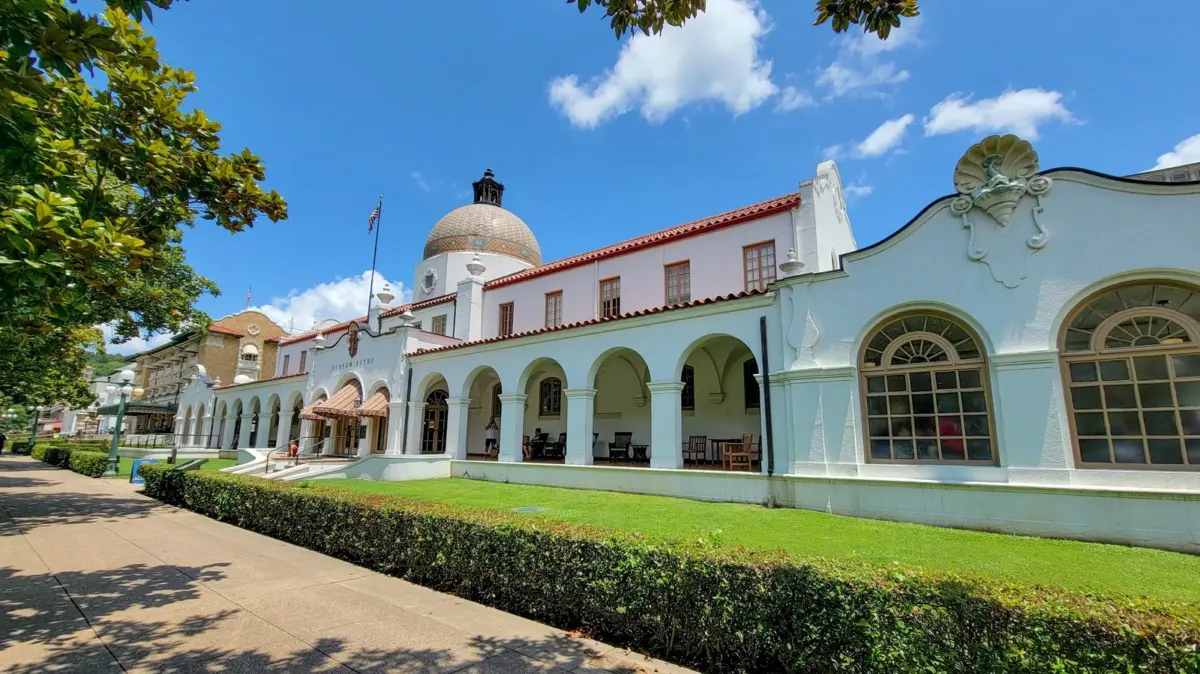
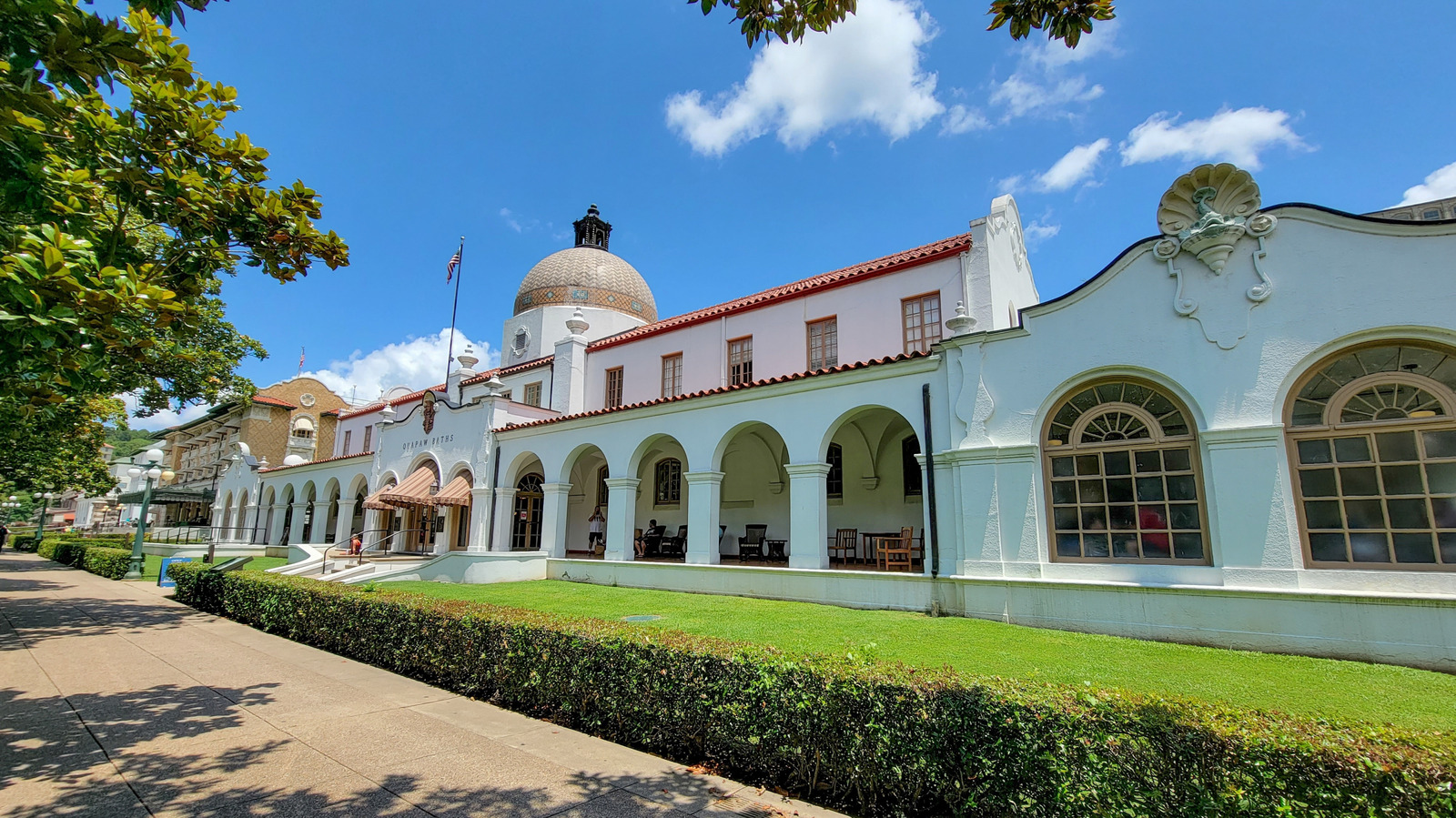
The late 19th and early 20th centuries marked the golden age of Hot Springs. Dubbed the "American Spa," the town transformed into a glittering resort city frequented by the wealthy, the ailing, and the culturally elite. Grand, palatial bathhouses constructed of marble, stained glass, and elaborate tilework lined what is now known as Bathhouse Row.
During this era, Hot Springs operated as a bustling sanctuary where visitors sought cures for rheumatism, arthritis, and other ailments through hydrotherapy. Concurrently, the city developed a colorful parallel identity. In the early-to-mid 20th century, Hot Springs became a notorious haven for organized crime, illegal gambling, and bootlegging. Mobsters like Al Capone and Lucky Luciano famously vacationed in the city’s upscale hotels, enjoying a peaceful coexistence with local authorities until a sweeping government crackdown in the mid-1960s permanently closed the open casinos.
National Park Designation and Modern Renaissance
In 1921, the Hot Springs Reservation was officially re-designated as Hot Springs National Park, cementing its status as a cornerstone of the National Park System. While the popularity of public hydrotherapy waned during the mid-to-late 20th century due to medical advancements and shifting vacation trends, the town’s architectural legacy and natural allure remained intact.
Today, Hot Springs stands on the precipice of its next major chapter. A multi-decade revitalization effort has restored its historic bathhouses, revitalized downtown commerce, and repositioned the park as a premier destination for holistic wellness travel.
Supporting Context & Metrics: Quantifying the Hot Springs Boom
The designation of Hot Springs as America’s top up-and-coming destination for 2026 is rooted in rigorous data analysis rather than subjective opinion. Understanding the mechanics of the Top Fabric study sheds light on why this inland Arkansas municipality outranked iconic beach towns.
Methodology of the Study
The research evaluated 56 small American cities, each boasting populations under 100,000 residents. Every location was graded on a comprehensive 10-point scale designed to measure current saturation versus future growth potential. The core criteria included:
- Annual Tourist Volume: Measured as the number of annual visitors per 1,000 local residents.
- Infrastructure Ratio: The availability of hotels and tourist attractions relative to the volume of visitors (per 1,000 tourists).
- Consumer Interest: The volume of monthly online search queries for lodging and travel packages directed at the specific town.
- Economic Accessibility: The average cost per night for a standard hotel room, indicating market value and affordability.
When these factors were synthesized into the "New Hotel Potential Score," Hot Springs emerged victorious. While cities like Key West and Myrtle Beach are mature tourist markets operating at or near peak infrastructure capacity, Hot Springs demonstrated a unique imbalance: soaring consumer interest and robust annual foot traffic paired with a distinct need for expanded lodging and hospitality infrastructure.
Visitation Statistics and Economic Impact
Recent tourism data underscores the immense drawing power of Hot Springs National Park and the surrounding city:
- Annual Visitors: The park and town collectively draw over 9 million visitors annually, with the national park itself regularly capturing upward of 2 million visitors per year.
- Park Uniqueness: Unlike sprawling western wilderness parks, Hot Springs National Park is uniquely integrated directly into the urban fabric of the city. The boundary of the park runs right up to downtown storefronts, offering a seamless blend of urban amenities and pristine natural wilderness.
- Trail Systems: Visitors heavily utilize the Ouachita Mountains’ trail network, including the Hot Springs Mountain Trail, which grants hikers access to scenic vistas, hidden thermal springs, and geological wonders.
The Lodging Landscape
The study’s finding that Hot Springs requires new hotel infrastructure is not a critique of its current offerings, but rather a testament to surging demand. The town currently features a diverse lodging ecosystem that ranges from historic preservation projects to modern luxury and reliable family-friendly accommodations:
- Boutique Excellence: Properties like the Lookout Point Lakeside Inn consistently rank among TripAdvisor’s top small and boutique hotels in the United States, offering intimate, upscale stays on Lake Hamilton.
- Mainstream Reliability: Travelers seeking familiar comforts find a robust selection of nationally branded properties, including Comfort Suites, Embassy Suites, and Courtyard by Marriott.
- Upcoming Development: Industry experts predict that the 2026 forecast will trigger a wave of new boutique hotel groundbreakings and historic restorations, particularly within downtown Hot Springs to accommodate the projected surge in travelers.
Official Statements & Industry Perspectives
The announcement has sent ripples of excitement through Arkansas’ tourism sector, prompting responses from local officials, park superintendents, and hospitality leaders.
"Hot Springs has always held a special place in the American consciousness, but seeing our unique blend of history, wellness, and natural beauty recognized on a national scale validates decades of dedicated preservation work," noted local tourism representatives in a joint statement following the study’s release. "We are not just a town with warm water; we are a living museum of American leisure, and we are thrilled to welcome a new generation of travelers seeking restoration and discovery."
Hospitality analysts emphasize that the town’s victory over traditional vacation heavyweights like Key West and Myrtle Beach highlights a broader consumer pivot toward experiential, slower-paced travel.

"Travelers are experiencing fatigue with hyper-commercialized, overcrowded beach destinations," explains a prominent hospitality market researcher. "Hot Springs offers a high-value, highly immersive alternative. You can hike a rugged mountain trail in the morning, soak in thermal mineral waters in a historic bathhouse in the afternoon, and dine in a thriving downtown arts district by evening. That versatility is rare."
National Park Service representatives have similarly expressed readiness for the projected increase in visitors, emphasizing ongoing initiatives to preserve the delicate thermal hydrology of the springs while enhancing visitor education and trail maintenance.
Future Outlook: What to Expect in 2026 and Beyond
As Hot Springs looks toward 2026, the city is aggressively preparing for infrastructural expansion, cultural programming, and enhanced visitor experiences. Several key initiatives and attractions are driving this forward-looking momentum:
1. The Bathhouse Row Experience
While many historic bathhouses have been repurposed into museums, visitor centers, and administrative offices, the Buckstaff Bathhouse continues to operate as the sole traditional bathhouse open to the public. Visitors to Buckstaff can experience traditional thermal mineral water baths and deep-tissue Swedish massages exactly as patrons did in the late 19th century.
For those looking to explore the architectural splendor without taking a soak, the Fordyce Bathhouse Museum and Visitor Center provides an immersive window into the past. Fully restored to its 1915 grandeur, the museum offers self-guided and scheduled guided tours showcasing the opulent bath chambers, gymnasiums, and dressing rooms of America’s golden spa era.
2. Cultural and Historical Attractions
Hot Springs’ complex and fascinating past extends far beyond health and wellness. The city’s era as an open-secret mob town during the 20th century is vividly preserved at The Gangster Museum of America. Featuring interactive exhibits and authentic artifacts, the museum details how figures like Al Capone operated openly in the valley during the era of legal gambling.
Retail therapy and culinary exploration have also evolved downtown. Specialty shops like Dapper & Debonair offer curated men’s grooming products, while the National Park Service-run Bathhouse Row Emporium provides unique historical souvenirs, literature, and locally crafted goods.
3. Outdoor Recreation and Wellness Tourism
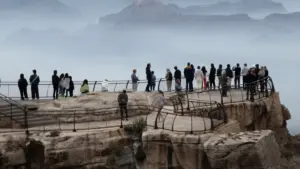
The natural assets of the Ouachita Mountains remain the primary anchor for future growth. Scenic viewpoints such as the Goat Rock Overlook offer breathtaking panoramas of the surrounding valleys, while thermal-fed streams and hidden mountain springs provide quiet spots for reflection. As wellness travel continues to dominate global consumer trends post-pandemic, Hot Springs is perfectly positioned to capitalize on the desire for holistic self-care rooted in natural earth therapies.
Conclusion
The crown of America’s top up-and-coming travel destination for 2026 is more than a title for Hot Springs, Arkansas—it is a well-deserved validation of a resilient city that seamlessly bridges America’s past and future. By outshining traditional giants like Key West and Myrtle Beach, Hot Springs proves that travelers are eager to trade crowded coastlines for mountain tranquility, thermal healing, and rich historical discovery. For planners, developers, and everyday wanderers looking for the next great American escape, the steaming, mineral-rich waters of Bathhouse Row are calling louder than ever.